Ever hear about those folks who turn chaos into calm with minimal effort? That’s what we’re diving into with “Why Lazy Cleaning Methods Actually Work Way Better.” The secret’s in the sauce—or perhaps, the dust. It’s all about ditching perfectionism for strategies that truly make your home magazine-worthy. Curious about the 80/20 rule in housekeeping? Let’s sprinkle some magic into your routine!

Key Takeaways
- Embrace the 80/20 rule in housekeeping and watch magic happen!
- Focus on key tasks that take your space from ‘Who lives here?’ to ‘Cover page ready.’
- Ditch perfectionism—your mess doesn’t need a PhD.
- Uncover how laziness can revolutionize cleaning routines.
- Want a magazine-worthy home? It’s not about working harder.
The Myth of the Perfect Clean (And Why You Should Abandon It)
Here’s the thing—we’ve all been sold a lie. You know that image of homes that look like they’ve never seen a speck of dust? Yeah, those aren’t real life. The pressure to maintain a spotless space is exhausting, and honestly, it’s keeping you from what actually matters. Lazy cleaning methods might sound counterintuitive, but they’re rooted in a simple truth: working smarter, not harder, gets you better results faster.
- Perfectionism is the enemy of done—it steals your time and energy without delivering proportional results.
- Magazine-worthy spaces don’t require obsessive daily scrubbing; they require strategic focus on high-impact areas.
- The 80/20 rule in housekeeping reveals that 20% of your cleaning tasks create 80% of the visible impact on your space.
- Ditching perfectionism actually makes cleaning sustainable—you’re less likely to burn out when expectations are realistic.
Understanding the 80/20 Rule in Housekeeping
So what exactly is this magical ratio everyone’s talking about? The 80/20 rule—also called the Pareto Principle—is basically saying that a small number of your efforts produce the majority of your results. In cleaning terms? A handful of tasks transform your home way more than obsessing over every corner. Think about it: your kitchen counters and living room floor probably do more for your overall “clean vibe” than, say, alphabetizing your spice rack. We think that’s liberating information.
- Identify your 20%: For most homes, this includes wiping visible surfaces, doing dishes, and vacuuming high-traffic areas—these tasks genuinely transform your space from messy to manageable.
- The remaining 80% of tasks (baseboards, ceiling fans, inside cabinets)? They’re nice-to-haves, not game-changers.
- Apply ruthless prioritization: Ask yourself which tasks actually get noticed and which ones only you’ll see—then adjust your effort accordingly.
- Most people spend 80% of their time on tasks that deliver only 20% of the visual impact—lazy cleaning methods flip this equation.
The High-Impact Tasks That Actually Matter
Let’s get specific about which cleaning tasks deserve your energy. You’ve probably noticed that certain jobs make an immediate, visible difference in how your home feels. Those are your power moves. When you focus on these strategic tasks first, your space transforms without requiring you to become a cleaning robot. This is where lazy cleaning methods shine—they’re all about maximizing visual impact with minimal effort.
- Kitchen counters and sink: A clear, clean counter is the #1 visual indicator of a tidy home—spend your effort here, not on organizing the junk drawer.
- Floors in main living areas—vacuuming and quick sweeps beat detailed baseboards every single time for creating that magazine-worthy feel.
- Bathroom visibility: A clean toilet, mirror, and sink matter infinitely more than scrubbing the grout between tiles.
- Clutter removal—this isn’t technically “cleaning,” but removing visible items does more for your space’s appearance than deep scrubbing ever could.
Quick Wins That Feel Like Magic
You know that moment when you do something small and your entire home suddenly looks better? That’s the lazy cleaning method in action. These quick wins take minutes but deliver outsized results. We’re talking about the tasks that cost almost nothing in time and energy but make people walk in and think, “Wow, you’ve really got it together.” Spoiler: you don’t need to have it together everywhere—just in the spots people actually see.
- The 10-minute reset: Set a timer and focus solely on clearing visible surfaces—dishes in the sink, papers off counters, cushions straightened—this single task changes everything.
- Light a candle or open a window—environmental cues make spaces feel fresher and cleaner, even if nothing’s changed structurally.
- Close cabinet doors and drawers: This takes 30 seconds and eliminates visual chaos that makes homes feel cluttered and dirty.
- Wipe down mirrors and windows—the reflection effect multiplies the perceived cleanliness of your space dramatically.
The Systems That Let You Stop Cleaning
Lazy cleaning isn’t about being lazy; it’s about being smart. The best approach is building systems that prevent messes rather than constantly fighting them. This is where working smarter, not harder, really shines. When you have routines that naturally contain chaos, you’re not spending energy on reactive cleaning—you’re preventing the need for it in the first place. These systems are game-changers for anyone who wants a magazine-worthy space without the magazine-level effort.
- The one-touch rule: Don’t put something down with the intention of moving it later—handle items once and put them where they belong, reducing clutter accumulation.
- Designated zones for high-traffic items (keys, mail, bags) mean these things don’t scatter across your home creating visual mess.
- Daily five-minute sweep: A quick daily reset takes minutes but prevents the weekend cleaning marathon—this single habit transforms your relationship with your space.
- Batch similar tasks—do all your surface wiping in one go rather than spreading it throughout the day, which somehow feels more exhausting.
Ditching Perfectionism for Real Results
Here’s where most cleaning advice gets it wrong. Perfectionism makes you miserable and actually prevents you from maintaining a genuinely clean home. When your standard is “flawless,” you either obsess endlessly or give up entirely—there’s no middle ground. Lazy cleaning methods embrace the middle ground. Your home doesn’t need to be perfect; it needs to be functional and feel good to live in. That’s the real definition of magazine-worthy.
- Accept “good enough”: A mostly-clean kitchen with one messy drawer is infinitely better than an obsessively clean home where you’ve burned out trying to maintain it.
- Focus on spaces people actually see—guests don’t open your closets or check behind the refrigerator, so stop stressing about those areas.
- Quality over frequency: One solid, focused cleaning session beats three half-hearted attempts that leave you frustrated and tired.
- Your mental health matters more than baseboards—if cleaning is causing stress, you’re doing too much, and that’s the signal to simplify.
Building Your Personal Lazy Cleaning Blueprint
The truth is, your home is unique, and so should your cleaning strategy be. What transforms one space might be irrelevant for another. That’s why the best approach is identifying your personal 80/20 rule in housekeeping and building a system around it. This personalized blueprint becomes your lazy cleaning method—tailored specifically to what makes your space feel amazing without requiring superhuman effort or perfectionism.
- Audit your space: Spend one week noticing which tasks, when completed, make the biggest visual difference—these are your priority tasks.
- Eliminate the 80% that doesn’t matter—literally remove these tasks from your to-do list and notice how your stress drops.
- Create a simple routine: Build a weekly schedule around only your high-impact tasks, then stop there—working smarter means knowing when to quit.
- Adjust based on life changes—your cleaning priorities might shift with seasons, work schedules, or family situations, so stay flexible.
Making Lazy Cleaning Stick Long-Term
The final piece of this puzzle is sustainability. You can follow any system perfectly for two weeks, but the real test is whether it works six months later when life gets messy (pun intended). Lazy cleaning methods win because they’re actually maintainable. You’re not asking yourself to do impossible things, so you don’t burn out. You’re not chasing perfectionism, so you don’t feel defeated. You’re simply focusing on the tasks that matter, and that’s a rhythm you can actually sustain.
- Track what works: Keep notes on which quick wins genuinely make your space feel better—these become your non-negotiables.
- Build in grace—some weeks you’ll have more energy for cleaning, some weeks you won’t, and both are completely normal and acceptable.
- Celebrate small wins: Notice when your space looks good and acknowledge the effort you invested, no matter how small—this reinforces the behavior.
- Remember that a lived-in home that’s 80% clean beats a pristine-but-stressful home every single time.
For deeper insight into applying these principles, check out the comprehensive guide on mastering the 80/20 rule in housekeeping—it breaks down exactly how to identify and focus on your highest-impact cleaning tasks. The bottom line? Lazy cleaning methods work because they align with how reality actually functions. Stop chasing perfection, start chasing results, and watch your home—and your stress levels—transform.
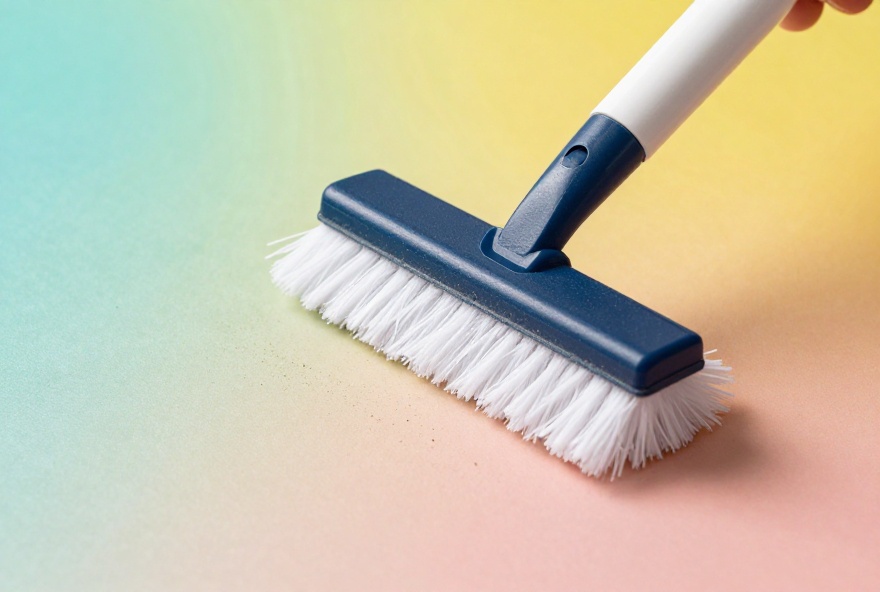
In the quest for a clutter-free home, it turns out that embracing lazy cleaning methods might just be your secret weapon. By steering clear of perfectionism and zeroing in on tasks that have the biggest impact, like tidying up clutter hotspots or focusing on maintaining a clean kitchen counter, you’re efficiently transforming your space from messy to magazine-worthy. This is the essence of the 80/20 rule in housekeeping: 20% of the effort yields 80% of the results. Who knew the counterintuitive truth of working smarter, not harder, could mean granting yourself a little grace while keeping your home in top shape?
Now, if you’re ready to join the laid-back brigade of smart cleaners and want to make your living space shine without the stress, dive deeper into these secrets with us! Follow us on Facebook, stalk us on Instagram, and see what we’re up to on Twitter for more lazy cleaning tips that do wonders. Don’t just clean—transform, the smart way!