Are you ready to transform your home into a haven of tranquility that stays tidy long after the holiday chaos? Our blog on ‘Tips for Creating a Clutter-Free Home That Lasts’ is here to help. Say goodbye to the seasonal stress and hello to sustainable habits! Ever tried organizing, only to find chaos creeping back? Let’s change that. We’ll explore easy systems and habits to keep your space organized year-round. Dive in for savvy tricks that make clutter a thing of the past, ensuring future decluttering is as easy as pie!
Key Takeaways
- Kickstart your clutter-free journey by embracing the ‘less is more’ mantra — your future self will thank you.
- Create sustainable habits that keep your home tidy year-round, not just around the holidays.
- Adopt a ‘one in, one out’ policy—might sound tough, but it’s a game changer for clutter control!
- Storage bins are your friends, but remember, they’re not magic hideaways for future you to deal with.
- Set up daily mini routines to tackle mess before it multiplies—because mess loves company.
- Use digital organizers to help your physical world stay neat. Who says tech and tidiness can’t be besties?
- Encourage everyone at home to chip in; even the tiniest hands can tidy!
Understanding the Psychology Behind Clutter-Free Living
You know that feeling when you walk into a perfectly organized room and instantly feel like you can breathe easier? There’s actual science behind why a clutter-free home affects our mental state so dramatically. Creating sustainable organization systems isn’t just about aesthetics—it’s about rewiring how we interact with our physical space. The key is understanding that lasting change happens when we address both the emotional and practical aspects of why stuff accumulates in the first place.
- Mental Clarity Through Physical Order: Research shows that cluttered environments increase cortisol levels, while organized spaces promote focus and reduce anxiety—making decluttering a genuine wellness practice.
- Decision Fatigue Reduction: When everything has a designated place, you spend less mental energy on daily choices, freeing up brainpower for things that actually matter to you.
- Visual Rest for Overwhelmed Minds: Clear surfaces and organized spaces provide visual calm that helps busy families decompress, especially important during stressful holiday seasons.
- Sense of Control and Accomplishment: Maintaining organized systems gives you tangible proof of your ability to create positive change, building confidence that extends beyond home organization.
- Improved Relationships: When family members can find what they need without asking, household stress decreases and everyone feels more capable and independent in shared spaces.
Building Foundation Systems That Actually Stick
Here’s what I wish someone had told me years ago—organization systems fail when they’re too complicated for real life. You can spend a fortune on fancy containers and labels, but if the system doesn’t match how your family actually moves through the house, it’s doomed from day one. The most sustainable approaches work with your natural habits rather than against them. We think the best systems are almost invisible because they feel so intuitive to maintain.
- Map Your Natural Traffic Patterns: Notice where family members naturally drop keys, bags, and coats—then create simple organization solutions in those exact spots instead of fighting human nature.
- Design for Your Laziest Day: If your system requires more than two steps when you’re exhausted, it won’t survive busy periods—simplicity always wins over perfection in real homes.
- Create Homes for Homeless Items: Those things that always end up scattered around? Give them specific, easily accessible spots so putting them away becomes automatic rather than a decision.
- Use the “One Minute Rule” for Daily Maintenance: If something takes less than a minute to put away properly, do it immediately—this prevents the small messes that snowball into overwhelming cleanup sessions.
- Implement Family-Wide Standards: Everyone needs to understand and agree on the basic systems, from where clean dishes go to how mail gets sorted—consistency makes organization effortless.
Strategic Storage Solutions That Maximize Every Space
Storage solutions can make or break your clutter-free goals, but here’s the thing—you don’t need to renovate your entire house or buy expensive built-ins to create functional systems. I’ve seen tiny apartments that feel spacious because everything has a logical place, and I’ve seen huge houses that feel chaotic because storage wasn’t thoughtfully planned. The secret is maximizing vertical space and making every square inch work smarter, not harder.
- Vertical Space Multiplication: Use wall-mounted shelves, over-door organizers, and stackable containers to triple your storage capacity without claiming more floor space—especially crucial in smaller homes.
- Hidden Storage Opportunities: Ottoman storage, under-bed containers, and hollow furniture pieces provide organization solutions that don’t compromise your living space aesthetics or functionality.
- Zone-Based Organization Logic: Group similar items together and store them near where they’re actually used—cleaning supplies under kitchen sink, toiletries in bathroom cabinets, not scattered throughout the house.
- Seasonal Rotation Systems: Keep only current season items accessible while storing off-season belongings in harder-to-reach spaces—this prevents overcrowded closets and drawers year-round.
- Clear Container Strategy: Use transparent storage so you can instantly see contents without opening multiple containers—this prevents buying duplicates and makes retrieval effortless during busy times.
Developing Daily Habits That Prevent Clutter Creep
Let’s be honest—even the most beautiful organization system won’t stay that way without daily maintenance habits. But here’s the good news: these habits don’t have to be time-consuming or overwhelming. I’m talking about tiny actions that become so automatic you don’t even think about them anymore. The goal is preventing clutter accumulation rather than constantly battling existing messes, which is way less stressful and more sustainable long-term.
- The “Touch It Once” Philosophy: When you pick up mail, paperwork, or any item, deal with it immediately rather than moving it to another pile—this single habit eliminates most household clutter sources.
- Evening Reset Routines: Spend 10-15 minutes each night returning items to their designated homes so you wake up to clear surfaces and a fresh start every morning.
- Strategic Entry and Exit Points: Create systems at doorways where family members naturally transition between activities—hooks for bags, trays for keys, baskets for items heading upstairs.
- Weekly Maintenance Schedules: Assign specific days for quick organizational tasks like sorting mail, tidying closets, or clearing out car interiors before messes become overwhelming projects.
- Mindful Acquisition Practices: Before bringing anything new into your home, identify exactly where it will live and what purpose it serves—this prevents impulse purchases that become future clutter.
Tackling Problem Areas That Attract Clutter Magnetically
You know those spots in your house that seem to attract clutter like magnets? I’m talking about kitchen counters, dining room tables, and that chair in your bedroom that’s perpetually covered in clothes. These areas become clutter magnets because they’re convenient drop zones without clear organizational systems. The trick is understanding why these spaces attract mess and then creating intentional solutions that work with your family’s natural patterns.
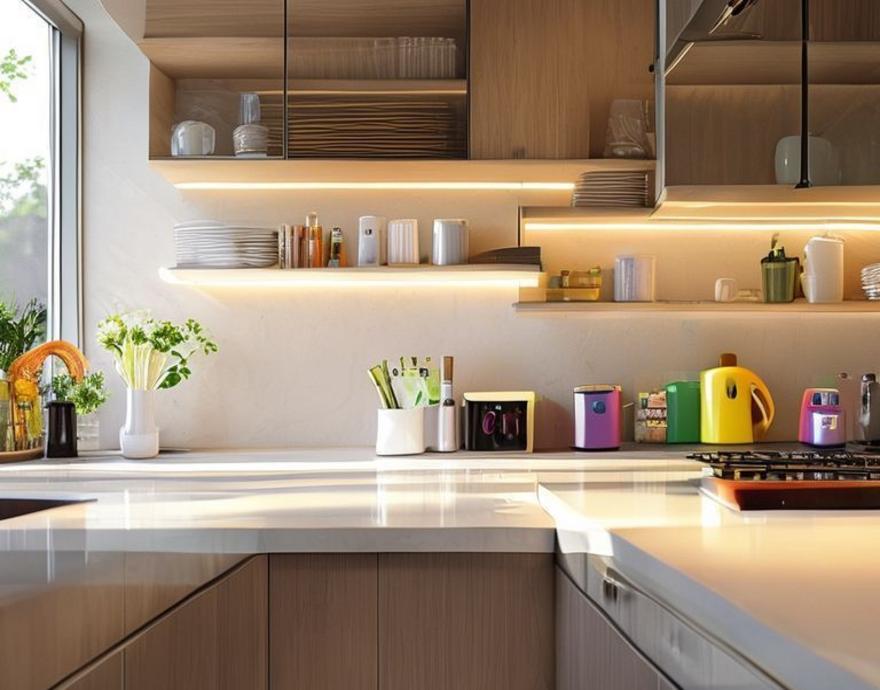
- Kitchen Counter Command Centers: Designate specific zones for daily essentials like coffee supplies, charging stations, and key storage—everything else gets immediately put away to maintain clear workspace.
- Entryway Organization Systems: Create individual cubbies or hooks for each family member’s everyday items so backpacks, coats, and shoes have obvious homes right where people naturally drop them.
- Bedroom Surface Solutions: Install bedside caddies, use dresser top trays for jewelry and accessories, and create designated spots for tomorrow’s outfit—no more clothes chair situations.
- Home Office Paper Management: Implement immediate sorting systems with clearly labeled trays for action items, filing, and recycling so papers don’t pile up into overwhelming stacks.
- Living Room Remote Control: Use decorative baskets or ottoman storage to contain items like remote controls, charging cables, and reading materials that tend to scatter across coffee tables and side tables.
Seasonal Maintenance Strategies for Long-Term Success
Here’s something I learned the hard way—organization isn’t a one-and-done project, it’s an ongoing relationship with your space that needs regular check-ins. Just like you wouldn’t expect your car to run forever without oil changes, your home organization systems need seasonal tune-ups to stay functional. The beauty is that these maintenance sessions become easier and faster over time because you’re tweaking systems rather than starting from scratch.
- Quarterly Closet Evaluations: As seasons change, assess clothing for fit, condition, and frequency of use—donate items that no longer serve you before they take up valuable space for current favorites.
- Holiday Preparation Protocols: Before major holidays, do a quick declutter of guest areas, kitchen gadgets, and decoration storage so you can enjoy festivities without organizational stress.
- Back-to-School System Resets: August is perfect for evaluating kids’ spaces, updating organizational systems for new grade levels, and clearing out outgrown clothes and supplies.
- Spring Cleaning Deep Dives: Use warmer weather motivation for bigger projects like garage organization, basement clearing, and outdoor space preparation—tackle one major area at a time.
- Year-End Reflection and Planning: December is ideal for assessing what organizational systems worked well and what needs adjustment, setting yourself up for success in the coming year.
Teaching Family Members to Maintain Organized Systems
The biggest organizational challenge? Getting everyone in your household on board with maintaining the systems you’ve worked so hard to create. I used to feel like I was the only one who cared about keeping things organized, constantly picking up after everyone else. Then I realized that people can’t maintain systems they don’t understand or weren’t involved in creating. The solution is making organization a family project where everyone has ownership and clear expectations.
- Age-Appropriate Responsibility Assignment: Give each family member specific organizational tasks they can handle successfully—young kids can put away toys, teens can manage their own laundry systems, adults can maintain shared spaces.
- Visual System Cues: Use labels, color coding, and picture guides so everyone knows exactly where things belong without having to ask or guess—this prevents the “I don’t know where it goes” excuse.
- Positive Reinforcement Strategies: Celebrate when family members contribute to household organization rather than only pointing out when things are messy—acknowledgment builds habits better than criticism.
- Regular Family Organization Meetings: Schedule brief monthly check-ins to assess what’s working, address problem areas, and adjust systems as family needs change—everyone gets input and investment in solutions.
- Lead by Example Consistency: Demonstrate the organizational habits you want to see by consistently following through on your own systems—family members mirror behavior more than they follow verbal instructions.
Troubleshooting Common Organization Setbacks
Let’s get real for a minute—even the best organizational systems sometimes fall apart, and that’s completely normal. Life happens. Kids get sick, work gets crazy, or you just hit a period where maintaining systems feels impossible. The difference between people who have lasting organization success and those who don’t isn’t that they never have setbacks. It’s that they know how to get back on track quickly without starting completely over from scratch.
- Identify Your Personal Trigger Points: Notice what situations cause your systems to break down—busy work periods, illness, or seasonal changes—so you can plan simplified maintenance during those times.
- Create Recovery Protocols: Develop quick reset routines for getting back on track after chaotic periods—focus on clearing surfaces and returning items to designated homes before tackling deeper organization.
- Adjust Systems Based on Real Usage: If certain organizational solutions consistently fail, modify them rather than forcing habits that don’t match your family’s natural patterns and rhythms.
- Build Flexibility Into Your Standards: Accept that some seasons of life require lower maintenance approaches—temporary baskets and simplified systems are better than complete chaos or organizational paralysis.
- Seek Support When Needed: Whether it’s family help, professional organizers, or cleaning services, recognize when you need assistance maintaining your systems rather than struggling alone until everything falls apart.
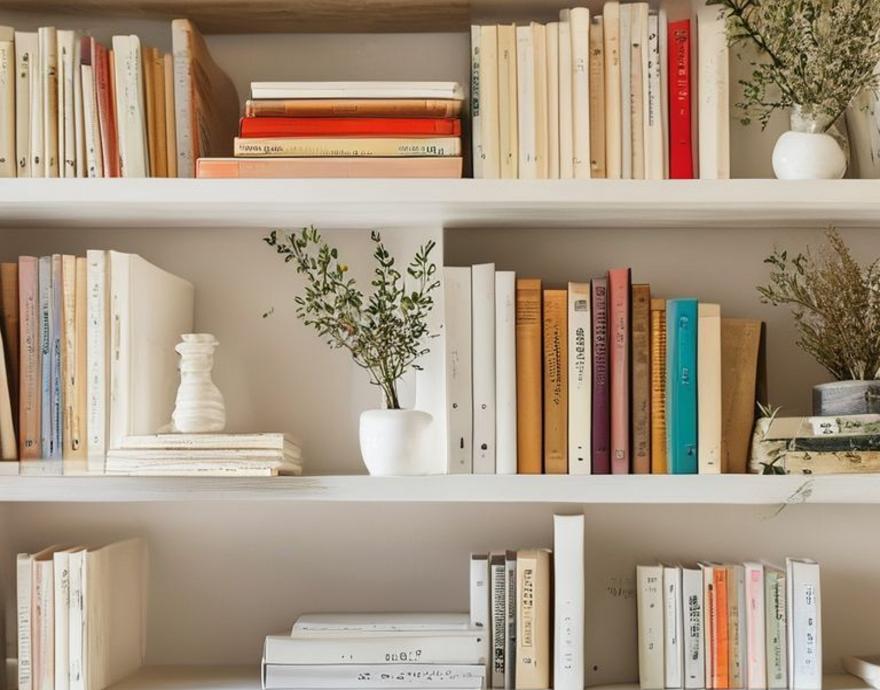
Let’s wrap this up, shall we? In our journey to achieve a clutter-free home that lasts, we’ve uncovered the secret ingredients: consistency, sustainability, and a dollop of creativity. By adopting sustainable habits, such as creating designated spots for everything and regularly purging unnecessary items, you’ll find your home stays neat long past the holiday cheer. And don’t overlook those systems that streamline your life and make decluttering practically stress-free. With these practices, a clutter-free home isn’t just a temporary fling—it’s a lasting lifestyle choice, allowing you to soak in the serenity of a tidy environment all year-round. Now, go flex those decluttering muscles!
And hey, if this inspired a cleaning spree but life’s too busy, why not let us lend a hand? If you’re ready to tackle your home cleaning without the hassle, hit us up at Joy of Cleaning. Book a Cleaning or call at (727) 687-2710—we’ve got your back! Follow us for more fun tips and cleaning insights on Facebook and Instagram. Here’s to a sparkling home and more time for what you love!