Ever faced a post-Christmas chaos of mismatched socks and rogue Legos? You’re not alone! Dive into Tampa Moms Share January Decluttering Secrets where savvy local moms dish out their top tips for a New Year cleanup that actually sticks. Our featured moms have faced the toy avalanche, tackled towering clothes piles, and lived to tell the tale. Who knew decluttering could be so inspiring—and dare we say, fun? Prepare to be motivated by their real-life wins and transform your home, one clever strategy at a time!

Key Takeaways
- Feeling overwhelmed post-Christmas? These Tampa moms have decluttering down to an art!
- Discover how to transform toy chaos into organized bliss.
- Got closets that look like an avalanche hit? Let’s fix that.
- Ditch the clutter clogging up your New Year vibes.
- Who knew decluttering could be full of win-win hacks?
- Is your post-holiday cleanup plan MIA? Find it here.
- When it comes to tidying up, Tampa moms know best — get their secrets!
The Psychology Behind Post-Holiday Overwhelm
You know that feeling when you walk into your house after Christmas and suddenly everything feels… too much? Post Christmas decluttering hits different because it’s not just about stuff—it’s about emotional baggage too. The holidays bring this weird mix of joy and chaos, and by January, we’re left staring at piles of things wondering how they multiplied overnight. Your brain is already processing the transition from celebration mode back to regular life, and all this extra clutter just amplifies that overwhelm. Think of January decluttering as therapy for both your space and your mind.
- Decision Fatigue Relief: The holidays force countless micro-decisions about gifts, food, and activities—decluttering actually reduces future decision-making by eliminating choices that don’t serve you.
- Control and Empowerment: After weeks of holiday chaos, taking charge of your space through new year organizing gives you back a sense of control and accomplishment.
- Visual Rest for Your Brain: Studies show that cluttered environments increase cortisol production, making holiday cleanup essential for mental recovery after the stimulating holiday season.
- Fresh Start Psychology: January naturally triggers renewal instincts—working with this biological tendency makes decluttering feel more natural and sustainable than forcing it at other times.
- Memory Preservation: Thoughtful Christmas gift decluttering helps you keep truly meaningful items while releasing the rest, actually strengthening positive holiday memories.
Smart Strategies for Sorting Through Kids’ Holiday Haul
Let’s talk about the elephant in the room—kids and their Christmas explosion of toys, clothes, and random stuff. Children accumulate more during the holidays than most adults, but they’re also surprisingly adaptable to change when approached right. The secret to successful holiday cleanup with kids isn’t sneaking around throwing things away (trust me, they notice), but involving them in age-appropriate ways. We think teaching kids about decluttering early creates lifelong skills, plus they often surprise you with their willingness to share toys they’ve outgrown.
- The Trade-Up Method: Help kids identify toys they’ve outgrown by introducing the concept of “graduation”—they’re ready for bigger kid activities and can pass toys to younger children.
- Donation Storytelling: Make Christmas gift decluttering meaningful by talking about how their donated toys will make other children happy, turning release into a positive action.
- Room for New Rule: Establish that new toys need space, so some older ones need to find new homes—this creates natural limits and prevents accumulation.
- Broken Toy Reality Check: Kids often hold onto damaged items out of attachment—gently help them recognize when toys are beyond repair and ready for goodbye.
- Seasonal Rotation System: Not everything needs to be accessible at once—store some toys and rotate them seasonally to maintain novelty without requiring more space.
Tackling the Gift Card and Receipt Mountain
Here’s something nobody warns you about—the administrative aftermath of Christmas. Gift receipts, warranty cards, instruction manuals, and those little gift cards tucked into envelopes create their own special kind of clutter. You know you should organize them, but where do they all go? This stuff might not take up much physical space, but it creates mental clutter because you’re constantly worried about losing something important. New year organizing should definitely include creating a system for these paper bits that actually works with your real-life habits.
- Digital Documentation Strategy: Photograph receipts and warranty information immediately, storing them in a dedicated phone folder or cloud storage for easy access without paper piles.
- Gift Card Consolidation: Check balances on all gift cards received and prioritize using smaller amounts first—cards under $10 often get forgotten and essentially become worthless.
- Return Window Tracking: Create a simple calendar reminder system for return deadlines on items you’re unsure about, giving yourself time to decide without losing the option.
- Instruction Manual Reality: Most product manuals are available online—keep only manuals for complex items you’ll actually reference, and recycle the rest during holiday cleanup.
- Warranty Registration Completion: Take 30 minutes to register warranties online for valuable items, then discard the paper registration cards that create drawer clutter.
Creating Sustainable Storage Solutions
The biggest mistake people make during post Christmas decluttering? Focusing only on what to get rid of without improving how they store what stays. You can declutter until you’re blue in the face, but if your storage systems don’t work with your actual lifestyle, you’ll be back to chaos by next December. Think about how you really live—do you actually fold things neatly, or are you more of a “clean pile vs. dirty pile” person? There’s no shame in working with your natural tendencies instead of against them.
- Accessibility Over Perfection: Design storage systems based on how often you actually use items—frequently needed things should be easily accessible, not perfectly organized in hard-to-reach places.
- Clear Container Advantage: Transparent storage prevents the “out of sight, out of mind” problem that leads to repurchasing items you already own but can’t find.
- Label Everything Strategy: Labels aren’t just for neat freaks—they prevent family members from creating new piles instead of using existing storage systems during future holiday cleanup sessions.
- Zone-Based Organization: Group similar items together regardless of where you use them—all gift-wrapping supplies in one area, all seasonal decorations in another, creating logical retrieval systems.
- Capacity Planning: Leave 20% empty space in storage areas to accommodate future additions without requiring complete reorganization every time something new enters your home.
The Art of Letting Go Without Guilt
This might be the hardest part of Christmas gift decluttering—dealing with the emotional weight of releasing items that represent someone’s thoughtfulness. You feel guilty about that sweater your aunt gave you, even though it’s not your style and you’ll never wear it. Or maybe you’re holding onto decorations from your childhood that don’t fit your current aesthetic but carry memories. Here’s the thing: keeping items out of obligation doesn’t honor the gift or the giver. The love was in the giving moment, not in you storing something forever.
- Gratitude First Approach: Acknowledge the love and thought behind each gift before making practical decisions—this mental shift reduces guilt during the decluttering process.
- Memory vs. Object Distinction: The memory of receiving a gift exists independently of the physical item—you can cherish the thought while releasing the object to serve someone else.
- Giver’s True Intention: Most gift-givers want you to be happy, not burdened—keeping items you don’t use actually goes against their intention to bring joy to your life.
- Photo Documentation Option: For items with strong sentimental value but no practical use, take photos before donating to preserve the memory without the storage burden.
- Pay It Forward Philosophy: Releasing quality items through donation extends their useful life and creates positive impact, honoring the original gift’s spirit of generosity.
Timing Your Decluttering for Maximum Success
When you tackle post Christmas decluttering matters almost as much as how you do it. Your energy levels, family schedules, and even the weather can impact your success. January feels like the obvious choice, but within January, there are better and worse times to dive in. You know your own rhythms—are you a morning person who tackles big projects before coffee, or do you need to ease into major decisions? Working with your natural patterns instead of against them makes new year organizing feel less like torture and more like self-care.
- Energy Level Optimization: Schedule decluttering sessions during your peak energy hours rather than trying to power through when you’re already tired—better decisions happen when you’re alert.
- Weekend vs. Weekday Strategy: Weekends offer more time but also more distractions from family activities—consider using shorter weekday sessions for focused progress on specific categories.
- Weather Window Planning: Cold, rainy days are perfect for indoor organizing projects, while beautiful weather might be better spent outdoors—work with natural motivation cycles.
- Post-Meal Timing: Avoid major decluttering decisions when you’re hungry or immediately after large meals—blood sugar impacts decision-making quality more than most people realize.
- Emotional State Awareness: Don’t force decluttering on days when you’re already stressed or sad—holiday cleanup should feel empowering, not overwhelming or punitive.
Building Momentum Through Quick Wins
Here’s what nobody tells you about January decluttering—starting is the hardest part, but once you get rolling, it becomes almost addictive. The key is beginning with easy victories that build confidence and momentum. Don’t start with the emotionally challenging stuff like family heirlooms or expensive mistakes. Instead, go for the obvious candidates first. You know, those broken items you’ve been meaning to fix for months, duplicate tools, or things that are clearly past their prime. These quick wins create positive energy that carries you through the tougher decisions later.
- Obvious Candidates First: Begin with clearly broken, expired, or duplicate items to build decision-making confidence before tackling emotionally complex categories during your holiday cleanup.
- 15-Minute Sprint Sessions: Short, focused bursts prevent overwhelm and create visible progress quickly—you can always continue if momentum builds, but short sessions feel manageable.
- Before and After Documentation: Taking photos of your progress provides visual proof of accomplishment and motivation to continue when energy wanes during new year organizing projects.
- Completion Over Perfection: Fully finishing one small area feels better than partially organizing multiple spaces—complete victories provide more psychological satisfaction and motivation.
- Celebration Rituals: Acknowledge your progress with small rewards—this isn’t silly, it’s smart psychology that reinforces positive associations with decluttering activities.
Preventing Future Holiday Overwhelm
The ultimate goal of post Christmas decluttering isn’t just dealing with this year’s accumulation—it’s setting yourself up for easier holidays going forward. Think about what caused the overwhelm in the first place. Was it accepting every gift without considering fit? Buying decorations impulsively? Not having designated storage for holiday items? The patterns you identify now can guide better decisions for next year. We think the best decluttering creates systems that prevent future chaos rather than just cleaning up current messes.
- Gift Wish List Evolution: Create specific, updated wish lists for family members to share with gift-givers, reducing unwanted gifts and making Christmas gift decluttering less necessary next year.
- Decoration Inventory System: Maintain a simple list or photos of decorations you own to prevent duplicate purchases and impulse buys that complicate future holiday cleanup efforts.
- Storage Capacity Recognition: Establish realistic limits based on actual storage space rather than aspirational organizing—knowing your limits prevents accumulation beyond your ability to manage effectively.
- Annual Review Tradition: Schedule a brief pre-holiday decluttering session each November to make room for new seasonal items and prevent the overwhelming accumulation that requires major January efforts.
- Mindful Acquisition Habits: Develop the practice of considering long-term storage and maintenance before bringing any new items home, especially during emotionally charged shopping periods like the holidays.
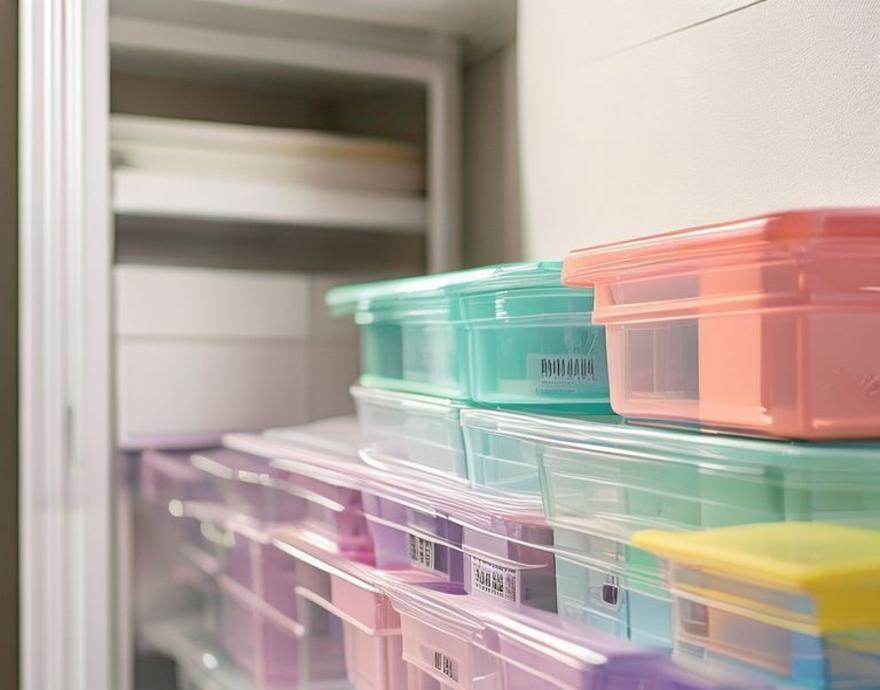
As our Tampa moms have generously shared, a successful post-Christmas declutter can transform holiday chaos into serene spaces. From the creative genius behind color-coded clothing systems to efficiently managing a mountain of toys (who knew bins could be a lifesaver?), these tips peppered with real-life stories aim to inspire. Embrace January not as the drearier sibling of December, but as a fresh start for embracing simplicity and order. Our local experts have shown that the journey isn’t just about tossing things out—it’s about creating lasting systems that reduce stress and increase joy in our everyday lives. You might even find a touch of serenity to savor with your afternoon coffee.
Wrapping this up, if you’re ready to tackle your home cleaning without the hassle, hit us up at Joy of Cleaning. Book a Cleaning online or call (727) 687-2710—we’ve got your back! Follow us on Instagram and Facebook for more fun tips.