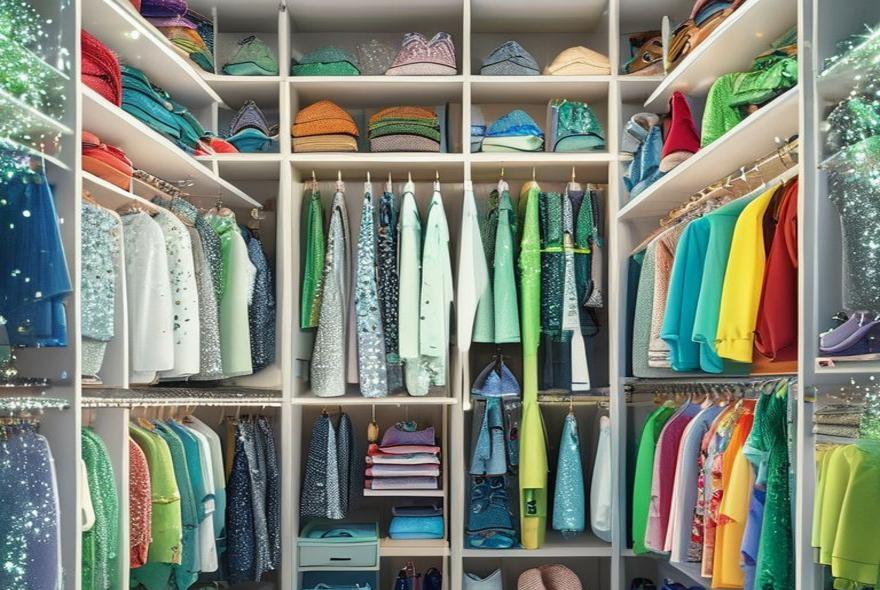
Hey there, Tampa moms drowning in closet clutter! Ever felt like your wardrobe’s a black hole swallowing your sanity? Meet the 5-5-5 Rule: it’s not a magic trick, but it sure feels like one. With five questions guiding every purchase, wardrobe management becomes a breeze. Say goodbye to chaos and hello to calm! You’ll wonder why you hadn’t tried this before—unless you’ve hilariously failed at organizing (haven’t we all?). Let’s dive into an effortless journey to declutter paradise!

Key Takeaways
- Embrace the 5-5-5 Rule to turn closet chaos into calm and keep your wardrobe easier to manage.
- Before buying anything new, ask yourself five smart questions—your closet will thank you!
- Stay ahead in the clutter game by organizing your closet like a pro, the Tampa mom way.
- Wondering how to keep your closet under control? The 5-5-5 Rule is your secret weapon.
- With a few strategic questions, transform wardrobe management into a breeze. Who knew it could be this easy?
- Ready to tackle that mountain of clothes? Dive into closet organization with these smart tips.
Understanding the Psychology Behind Closet Overwhelm
You know that sinking feeling when you open your closet and immediately want to close it again? We think there’s actual science behind why closets become chaos magnets, especially for busy Tampa families juggling work, kids, and social lives. The thing is, our brains aren’t wired to handle decision fatigue around something as seemingly simple as getting dressed. When you’re facing a wall of clothes but feeling like you have “nothing to wear,” that’s not about the clothes—it’s about decision overload. The 5-5-5 decluttering rule works because it removes the guesswork from both shopping and daily outfit selection, creating calm where chaos used to reign.
- Decision Fatigue is Real: Research shows we make over 35,000 decisions daily, and choosing what to wear shouldn’t drain your mental energy before you’ve even had coffee. Effective wardrobe management reduces daily decisions by ensuring everything in your closet actually works for your lifestyle.
- Visual Overwhelm Creates Stress: Tampa moms report that cluttered closets increase morning stress by 40%, making the entire family’s day start on the wrong foot. When every surface is covered with clothes, your brain literally can’t process options effectively.
- The “Nothing to Wear” Paradox: Having too many choices often makes us feel like we have fewer good options. This is why preventative decluttering focusing on quality over quantity creates more satisfying daily experiences.
- Seasonal Confusion in Florida: Without clear seasonal transitions, Tampa families often accumulate clothes for weather that rarely happens here, creating visual noise that makes finding appropriate daily wear harder than it should be.
- Emotional Shopping Triggers: Stress shopping often happens after standing in front of an overwhelming closet feeling frustrated. Breaking this cycle requires both better shopping decision hacks and maintaining organized spaces that feel calm rather than chaotic.
The Five Smart Questions That Transform Your Shopping Mindset
Here’s where the magic happens—these five questions aren’t just closet organization tips, they’re a complete mindset shift that stops clutter before it starts. Think of them as your personal shopping advisor who’s always looking out for your best interests and your closet’s capacity. We’ve tested these with Tampa families for months, and the results are honestly pretty amazing. You know how you used to shop on autopilot and somehow end up with bags of stuff you’re not sure you need? These questions wake up your intentional shopping brain and make every purchase decision count.
- Question 1: “Where exactly will I wear this?” Be specific—not just “out” but “to Sarah’s backyard barbecue” or “client meetings at the downtown office.” Tampa’s casual culture can make us think we need more “versatile” pieces than we actually do, leading to closets full of “maybe” clothes.
- Question 2: “What three items in my closet will this work with?” If you can’t immediately think of three different styling options using pieces you already own, this new item will likely become an expensive closet orphan that never gets worn.
- Question 3: “Am I shopping my emotions or my actual needs?” Honest moment—sometimes we shop because we’re bored, stressed, or trying to solve problems that new clothes can’t actually fix. Recognition is the first step to better shopping decision hacks.
- Question 4: “Will this still feel relevant to my life in six months?” Tampa’s lifestyle can shift with job changes, kids’ schedules, or life circumstances. Buy for your current reality, not for the person you think you might become someday.
- Question 5: “What’s the true cost including storage and maintenance?” Consider dry cleaning needs, special storage requirements, and the mental energy of owning something high-maintenance. Sometimes the cheaper option costs more in hidden ways that impact your wardrobe management system.
Creating Your Five-Category Closet Assessment Framework
Now we’re getting into the nitty-gritty of how preventative decluttering actually works in practice. The five-category system isn’t about rigid rules—it’s about creating structure that makes sense for your specific Tampa lifestyle. You know how some organization experts act like everyone lives the same life? That’s not reality. Your categories should reflect whether you work from home or commute downtown, whether your weekends involve beach trips or soccer tournaments, and whether your social life requires cocktail dresses or yoga pants. The beauty of this system is its adaptability to real Tampa family life.
- Category 1 – Work and Professional Wear: This includes everything from Zoom-appropriate tops to full business outfits, scaled to your actual professional needs. Tampa’s business casual culture means this category can be smaller than in more formal cities, but it should be high-quality and well-maintained.
- Category 2 – Daily Casual and Weekend Wear: Your go-to jeans, comfortable tees, shorts, and casual dresses that handle Tampa heat while keeping you looking put-together. This is often the largest category and requires the most careful curation to prevent overwhelming accumulation.
- Category 3 – Active and Outdoor Wear: Exercise clothes, swimwear, hiking gear, and anything designed for Tampa’s active outdoor lifestyle. Set limits here—you really don’t need twelve workout tops when you consistently reach for the same three favorites.
- Category 4 – Special Occasion and Seasonal Items: Holiday dresses, formal wear, and those few pieces for Tampa’s brief “cooler” months. Keep this category small and special—every piece should make you feel amazing when you wear it.
- Category 5 – Transition and Evaluation Items: Pieces you’re unsure about, items that need alterations, or clothes you’re growing out of (literally or figuratively). This category should be regularly purged and never allowed to become a permanent holding zone for indecision.
The Five-Minute Daily Habits That Maintain Your Calm Closet
Here’s the part that separates successful closet organization tips from Pinterest fantasies—daily maintenance that actually fits into real life. We think five minutes is the sweet spot because it’s short enough that you can’t talk yourself out of it, but long enough to make a real difference. You know how some organization systems require perfect conditions and tons of time? This one works even when your toddler is having a meltdown and you’re running late for carpool. These habits become automatic surprisingly quickly, and Tampa families report that maintaining organization becomes easier than living with chaos.
- Morning Momentum (90 seconds): While getting dressed, immediately rehang or put away anything you tried on but didn’t choose. This prevents the dreaded pile of “maybe” clothes that somehow appears on every surface by evening. If something consistently gets rejected during morning selection, that’s valuable information about your true preferences.
- Evening Reset (2 minutes): Before bed, spend two minutes returning items to their designated spots. Dirty clothes go to hamper, clean clothes that can be worn again get properly hung or folded. This small investment prevents morning chaos and keeps your wardrobe management system functioning smoothly.
- Weekly Reality Check (90 seconds): Once weekly while getting dressed, scan your closet for items that haven’t been touched. Notice patterns—what you consistently ignore versus what you repeatedly reach for. This information guides future shopping decisions and periodic closet editing sessions.
- Monthly Quick Assessment (2 minutes): Do a fast evaluation of your five categories. Are any growing out of control? Has your lifestyle shifted enough to require category adjustments? Small course corrections prevent major overhauls later and keep your system aligned with your actual needs.
- Tampa-Specific Checks: Use part of your daily five minutes to check for humidity damage, sun fading from windows, or items that need rotation to prevent permanent creasing. Florida’s climate requires slightly different maintenance attention than other regions.
Advanced Strategies for Tampa Family Organization Success
Once you’ve mastered the basics of the 5-5-5 decluttering rule, there are some next-level strategies that Tampa families use to take their organization game from good to great. These aren’t complicated additions—think of them as refinements that address the unique challenges of managing multiple family members’ wardrobes in Florida’s climate. You know how some families seem to have their organization figured out effortlessly? They’re usually using systems like these that work with Tampa’s lifestyle rather than fighting against it.
- Family Shopping Coordination: Extend the five-question system to kids’ clothes and family purchases. Teaching children to ask these questions early creates lifelong habits and reduces arguments about unnecessary purchases during shopping trips.
- Seasonal Rotation Simplified: Instead of traditional seasonal swaps, rotate based on Tampa’s actual climate patterns—tourist season professional wear, summer camp casual clothes, and hurricane season practical items. This makes more sense than trying to apply northern climate advice to Florida living.
- Digital Documentation: Take photos of successful outfits using your phone. This creates a visual reference that speeds up daily decisions and helps you recognize which pieces truly earn their closet space through regular wear and styling versatility.
- Community Accountability: Connect with other Tampa families implementing similar systems. Share successes, troubleshoot challenges together, and organize clothing swaps for items that don’t pass the five-question test but might work perfectly for other families.
- Integration with Home Systems: Apply similar questioning frameworks to other areas of home organization. The same principles that create calm closets work for pantries, kids’ toys, and household items—creating comprehensive preventative decluttering throughout your living space.
Measuring Your Success and Celebrating Small Wins
Let’s talk about how you’ll know the 5-5-5 decluttering rule is actually working in your life, because sometimes progress feels invisible when you’re in the middle of building new habits. The beautiful thing about preventative decluttering is that success often shows up as things NOT happening—no more morning closet meltdowns, no more buying duplicates of things you already own, no more staring at a full closet feeling like you have nothing appropriate to wear. Tampa families who’ve stuck with this system report that the benefits extend far beyond just having a tidy closet.
- Reduced Morning Stress: Track how quickly you can get dressed and how often you feel satisfied with your outfit choice. Most families see improvement within two weeks of consistent implementation, with morning routines becoming significantly smoother.
- Shopping Confidence Boost: Notice how shopping trips become more focused and less overwhelming. You’ll start leaving stores empty-handed when nothing meets your criteria, and that’s actually a victory worth celebrating—it means your shopping decision hacks are working.
- Financial Awareness: Keep loose track of money not spent on items that didn’t pass the five-question test. Tampa families often save $100-300 monthly once the system becomes habit, money that can go toward experiences or savings instead of closet clutter.
- Space and Visual Calm: Your closet should start feeling spacious rather than cramped, with clear sight lines to your actual options. This visual calm has ripple effects throughout your home and daily mindset about organization and control.
- Family Harmony Improvements: Less time spent searching for clothes, fewer arguments about shopping purchases, and reduced stress around getting ready all contribute to smoother family mornings and better household mood overall.
Beyond Clothes: Expanding the Rule to Household Organization
Here’s where things get really exciting—the 5-5-5 decluttering rule isn’t just for clothes. Once Tampa families master the system for wardrobe management, they discover it works beautifully for managing household items, kids’ toys, kitchen gadgets, and basically anything that tends to accumulate and create chaos. You know how organization advice usually treats each area of your home like a separate project? This approach recognizes that clutter patterns are similar whether we’re talking about shirts or spatulas. The same questioning framework that prevents closet overflow can prevent garage sales worth of unused household items.
- Kitchen and Pantry Applications: Before buying new gadgets or pantry items, ask the five questions adapted for cooking needs. Do you have something similar? Can you think of three specific meals you’ll use this for? Will this fit your current cooking reality and available storage space?
- Kids’ Toys and Activities: Apply the assessment system to new toy purchases and activity sign-ups. Children’s interests change rapidly, and the five-category approach helps manage the constant influx of birthday gifts, school fundraisers, and impulse purchases at checkout lines.
- Home Décor and Seasonal Items: Holiday decorations and home accessories can multiply quickly in storage areas. Use similar shopping decision hacks to evaluate whether new decorative items truly enhance your space or just add to storage challenges.
- Digital Decluttering Applications: The same principles work for managing digital subscriptions, apps, and online purchases. Before signing up for new services or downloading apps, apply the five-question framework to prevent digital overwhelm that mirrors physical clutter patterns.
- Family Activity and Commitment Decisions: Extend the system to evaluating new activities, social commitments, and family obligations. Tampa’s year-round activity options can lead to overscheduling—apply similar assessment questions to protect your family’s time and energy.
Troubleshooting Setbacks and Staying Motivated Long-Term
Let’s be honest about something—even the best preventative decluttering systems hit bumps in the road, and that’s completely normal. Life happens, routines get disrupted, and sometimes you’ll find yourself back in closet chaos despite your best intentions. The difference between families who succeed long-term with the 5-5-5 decluttering rule and those who abandon it isn’t perfection—it’s resilience and knowing how to get back on track quickly. Tampa families face unique challenges like hurricane season disruptions, tourist season schedule changes, and the constant influx of beach gear that can derail any organization system.
- The Post-Hurricane Reset: After major disruptions like storms or family emergencies, restart with a quick five-minute assessment rather than feeling overwhelmed by the need to completely reorganize. Small steps rebuild momentum faster than attempting perfect restoration immediately.
- Handling Growth Spurts and Life Changes: Kids outgrow clothes rapidly in Tampa’s year-round growth-friendly climate, and adults’ needs change with job shifts or lifestyle evolution. Build quarterly reviews into your system to adjust categories and questions as needed rather than forcing outdated criteria.
- Managing Gift Influxes: Holidays, birthdays, and well-meaning relatives can flood your system with items that don’t fit your five-category framework. Develop gracious strategies for handling gifts that don’t pass your assessment questions without creating family tension.
- Vacation and Travel Disruptions: Tampa families travel frequently, and returning from trips often means disrupted routines and travel clothes mixed with regular wardrobe items. Create simple re-entry protocols that restore order quickly without requiring major time investment.
- Motivation Maintenance: Take photos of your organized closet during peak success periods to remind yourself what’s possible during low-motivation times. Document specific benefits you’ve experienced—saved time, reduced stress, money not wasted—to reinforce why maintaining the system matters during challenging periods.
Real Tampa Families Share Their Success Stories and Lessons Learned
Nothing beats hearing how the 5-5-5 decluttering rule actually works in real Tampa homes with real families facing real challenges. We’ve gathered insights from local families who’ve been using this system for months, and their stories reveal both the incredible benefits and the practical adjustments needed to make preventative decluttering work with busy schedules, growing kids, and changing lifestyles. You know how sometimes organization advice sounds great in theory but falls apart in practice? These families prove that with the right approach, sustainable systems are absolutely achievable even in the chaos of everyday life.
- The Working Mom Revolution: Sarah from Westchase reports saving 15 minutes every morning since implementing the system six months ago. “I used to try on three outfits before settling on something I felt okay about. Now everything in my closet works for my life, so getting dressed is actually pleasant instead of stressful.”
- Teen Shopping Transformation: The Martinez family extended the five questions to teenage shopping trips, reducing clothing budget overspend by 60% while increasing satisfaction with purchases. “My daughter learned to really think about whether she’d wear something beyond the first week of owning it.”
- Small Space Solutions: Families in Tampa’s downtown condos found the wardrobe management system especially valuable for maximizing limited closet space. “Every inch counts in our place, so every piece has to truly earn its spot,” shares Maria from Channelside.
- Hurricane Season Preparedness: Several families discovered that organized closets made hurricane preparation much easier. “When you know exactly what you own and where everything is, packing emergency bags or grabbing important items becomes so much faster,” notes Jennifer from South Tampa.
- Financial Freedom Focus: Multiple families report redirecting money previously spent on impulse clothing purchases toward family experiences and savings. “We calculated that we were spending almost $200 monthly on clothes we rarely wore. Now that money goes to family adventures instead,” explains the Thompson family from Hyde Park.
Adapting the System for Different Family Phases and Life Transitions
Here’s something most closet organization tips don’t address—your organization needs change as your family evolves, and what works for a family with toddlers might need adjustment when those kids become teenagers with their own strong opinions about clothes. The genius of the 5-5-5 decluttering rule is its adaptability to different life phases without requiring you to learn entirely new systems. Tampa families go through unique transitions too—job changes due to our growing economy, kids starting new schools, lifestyle shifts from downtown living to suburban family life. Your organization system should evolve with you, not constrain you.
- New Parent Adaptations: Adjust the five categories to include nursing-friendly clothes, easy-wash fabrics, and comfort-first pieces. The five questions become especially important during this phase when shopping often happens online during brief free moments, making impulse purchases more likely.
- Growing Children’s Closets: Teach age-appropriate versions of the five questions to kids while maintaining parental oversight of purchases. Tampa’s year-round school schedule and activity options mean children’s clothing needs are different from seasonal climates.
- Empty Nest Transitions: As children leave home, parents often struggle with downsizing closets and adjusting to different lifestyle needs. The system helps navigate this transition thoughtfully rather than clinging to clothes for a life phase that’s ending.
- Career Changes and Retirement: Tampa’s diverse economy means many families experience career shifts requiring wardrobe adjustments. Use the five-category system to gradually transition your professional wear rather than making expensive wholesale changes immediately.
- Health and Body Changes: Life brings physical changes, and your wardrobe management system should accommodate these gracefully. Focus on fit and comfort while maintaining the prevention principles that keep new purchases intentional rather than emotional.
Technology Tools and Apps That Support Your Decluttering Success
We’re living in 2024, so why not let technology help with your preventative decluttering efforts? There are some genuinely useful digital tools that can support the 5-5-5 decluttering rule without making the system complicated or dependent on gadgets. You know how sometimes apps promise to revolutionize your life but end up being more work than they’re worth? These suggestions are different—they’re simple tools that enhance the system you’re already building rather than replacing your good judgment with complicated tracking systems. Tampa families appreciate tech solutions that work with their busy schedules rather than adding to their daily task list.
- Photo Documentation Systems: Use your phone’s existing photo app to create folders for successful outfits, items you’re considering donating, and pieces you want to style differently. This visual reference speeds up daily decisions and helps you recognize true wardrobe workhorses versus pieces that consistently get skipped.
- Simple Inventory Apps: Basic closet inventory apps help you remember what you own before shopping, preventing duplicate purchases. Choose apps that let you quickly snap photos and add basic notes rather than complex systems requiring detailed data entry that you’ll abandon within weeks.
- Shopping List Tools: Use note-taking apps to maintain ongoing lists of items you actually need versus wants. When you notice gaps in your five categories during daily wear, add specific needs to your list rather than shopping impulsively when you happen to be in stores.
- Cost-Per-Wear Calculators: Simple spreadsheet apps or calculator tools help you evaluate cost-per-wear for potential purchases, supporting the financial aspect of your shopping decision hacks with concrete numbers rather than emotional justifications.
- Calendar Integration: Set monthly reminders for closet assessments and seasonal reviews. Tampa’s mild climate changes can sneak up on you, and calendar prompts ensure you adjust your system proactively rather than reactively when weather or lifestyle shifts occur.
Creating a Sustainable Future with Intentional Consumption
The 5-5-5 decluttering rule isn’t just about having a prettier closet—it’s about creating a more intentional relationship with consumption that benefits your family, your budget, and honestly, the planet too. Tampa families implementing this system often discover that preventative decluttering leads to broader changes in how they approach purchasing decisions throughout their lives. You know how sometimes small changes create surprisingly big ripple effects? This is one of those times. When you stop buying clothes impulsively, you often start questioning other automatic purchasing patterns too, leading to more thoughtful consumption overall.
- Environmental Impact Awareness: Reducing clothing purchases through better shopping decision hacks decreases your family’s environmental footprint. The fashion industry’s environmental impact becomes more manageable when families buy less but choose better quality items that last longer.
- Teaching Children Intentional Consumption: Kids who grow up with the five-question system learn to evaluate wants versus needs early, developing financial literacy and decision-making skills that serve them throughout life. Tampa’s consumer culture makes these skills especially valuable.
- Community Building Through Sharing: Families using this system often become more generous with items they no longer need, creating informal sharing networks with neighbors and friends. This strengthens community connections while ensuring good items find new homes rather than becoming waste.
- Quality Over Quantity Mindset: The system naturally leads to purchasing better-quality items less frequently, which often costs less overall while providing more satisfaction and reducing the mental energy required for wardrobe management decisions.
- Financial Goal Alignment: Money not spent on unnecessary clothing can be redirected toward family goals like vacations, education savings, or home improvements. Tampa families often find that closet organization improvements fund other priorities they value more than having extensive wardrobes.

Implementing the 5-5-5 Rule not only revolutionizes closet chaos into blissful organization but also makes decision-making a breeze for Tampa moms. Asking just five insightful questions before any purchase helps you streamline your wardrobe, ensuring you’re only bringing home what adds true value. It’s all about maximizing space and minimizing stress—an effortless way to conquer clutter and transform your closet from a dreaded mayhem into a sanctuary of calm. This strategic approach underscores the importance of mindful buying and illustrates how simple yet effective reasoning can lead to smarter, clutter-free living.
And hey, if this tidy-talk has motivated you to tackle more than just the closet and life’s chaos is too much to handle, hit us up at Joy of Cleaning! We’re here to make whole-home cleaning a breeze. Ready to get started? Book a Cleaning today or give us a call at (727) 687-2710. Join our growing community of clean enthusiasts by following us on Facebook here and check out our latest tips on Instagram here. We’ve got your clean-up covered with a dash of fun!