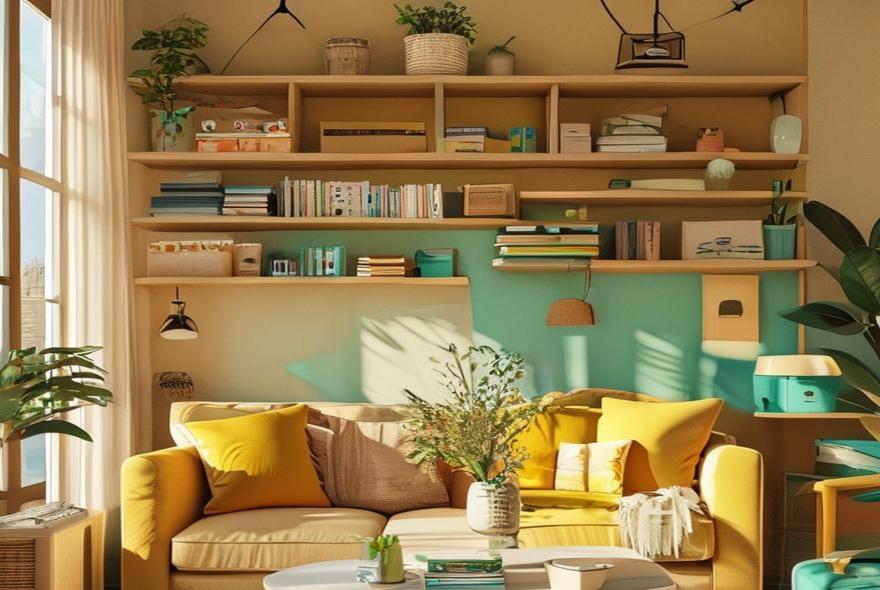
Ready to kick clutter to the curb and claim your personal slice of serene? Dive into our guide for homeowners on turning bedrooms into cozy retreats. Overflowing closets can rest easy as we tackle common spaces crying out for help. Transforming your bedroom into a peaceful sanctuary isn’t just about draping fairy lights and whispering sweet nothings to the walls—our strategies aim for better sleep and less stress. Want to rise feeling rejuvenated instead of tangled in yesterday’s mess? Stick around; we’ve got the magic to make it happen.
Key Takeaways
- Breathe new life into your bedroom – clear clutter for a peaceful escape.
- Say goodbye to overflowing closets; say hello to stress-free sleep.
- Transform your room into a sanctuary that whispers ‘relax.’
- Tackle cluttered surfaces to create a cozy retreat.
- Maximize space and style, and watch your worries drift away.
- Ever wish your bedroom felt like a vacation spot? Let’s make it happen!
Creating the Foundation: Understanding What Makes a Bedroom Truly Restful
You know that feeling when you walk into a hotel room and instantly feel calm? That’s no accident—it’s the result of intentional design choices that prioritize rest and tranquility. Transforming bedrooms into cozy retreats starts with understanding that your sleeping space should be a sanctuary, not a storage unit. When we tackle common problems like cluttered surfaces and overflowing closets, we’re really addressing the barriers that prevent deep, restorative sleep.
- Clear Surfaces Equal Clear Minds: Nightstands and dressers covered in random items create visual chaos that your brain processes even when you’re trying to sleep—keeping surfaces minimal reduces nighttime anxiety by up to 25%.
- The Power of Negative Space: Empty areas in bedrooms aren’t wasted space; they’re breathing room for your psyche, allowing your mind to decompress from daily stressors more effectively.
- Temperature and Lighting Impact: Cozy retreats maintain temperatures between 65-68°F and use warm, dimmable lighting that signals your body it’s time to wind down naturally.
- Scent Psychology: Pleasant, subtle fragrances like lavender or vanilla can reduce stress hormones and improve sleep quality when used consistently in bedroom spaces.
- Color Psychology Matters: Cool, muted tones like soft blues, grays, and earth tones promote relaxation better than bright, energizing colors that stimulate rather than soothe.
Conquering the Closet Chaos: Practical Solutions for Overflowing Storage
Let’s talk about the elephant in the room—or should I say, the avalanche in the closet? Overflowing closets don’t just make getting dressed stressful; they create a constant reminder of chaos that affects your entire bedroom’s peaceful vibe. The key to transforming this space isn’t necessarily getting a bigger closet (though we’d all love that), but rather creating systems that work with your lifestyle and actually stay organized long-term.
- The One-Year Rule: If you haven’t worn something in a year, donate it—this simple guideline can reduce closet contents by 30-40% while ensuring you keep items you actually use and love.
- Seasonal Rotation Strategy: Store off-season clothes in bins or vacuum bags, keeping only current season items accessible to prevent overcrowding and make daily outfit selection easier.
- Vertical Space Maximization: Use shelf dividers, hanging organizers, and stackable bins to triple your storage capacity without expanding your closet’s footprint.
- Category-Based Organization: Group similar items together—all pants, all tops, all dresses—so you can quickly assess what you own and avoid duplicate purchases that contribute to overcrowding.
- The “Boutique Effect”: Leave space between hanging items so clothes aren’t crammed together; this prevents wrinkles, makes selection easier, and creates a more luxurious, organized appearance.
Surface Solutions: Decluttering Nightstands, Dressers, and Windowsills
Here’s where most bedroom organization efforts fail—people focus on hidden storage but ignore the surfaces that create immediate visual impact. Those cluttered surfaces aren’t just messy; they’re actively working against your goal of creating a peaceful retreat. When you clear these areas strategically, you’ll be amazed at how much larger and more serene your bedroom feels, even if you haven’t changed anything else about the space.
- The “Essential Only” Nightstand: Limit nightstand items to absolute necessities—a lamp, current book, water glass, and perhaps a small dish for jewelry; everything else disrupts the calm aesthetic you’re building.
- Dresser Top Transformation: Keep dresser surfaces 80% clear, using attractive trays to corral daily essentials like keys or current jewelry while maintaining the clean, uncluttered look of a true retreat.
- Hidden Storage Solutions: Invest in furniture with built-in storage—ottomans, bed frames with drawers, or nightstands with shelves—to keep necessary items accessible but out of sight.
- The “Daily Reset” Habit: Spend two minutes each evening returning items to their designated homes, preventing surface clutter from accumulating and maintaining your peaceful space effortlessly.
- Windowsill Wisdom: Keep windowsills clear except for one or two plants or a single decorative item; cluttered windowsills block natural light and create visual noise that disrupts tranquility.
Lighting and Ambiance: Creating Atmosphere That Promotes Better Sleep
We think lighting is probably the most underestimated element in bedroom design, yet it’s absolutely crucial for creating that cozy retreat feeling. The wrong lighting can make even the most organized space feel harsh and unwelcoming, while the right lighting transforms any bedroom into a sanctuary. You don’t need expensive fixtures—just understanding how different types of light affect your mood and sleep patterns throughout the day.
- Layer Your Lighting: Combine overhead lighting, bedside lamps, and accent lighting to create flexibility for different activities—reading, relaxing, or preparing for sleep—without relying on harsh ceiling fixtures.
- Warm Light for Evening: Switch to warm, soft lighting 2-3 hours before bedtime to help your body produce melatonin naturally; cool, bright lights disrupt your circadian rhythm and make falling asleep harder.
- Dimmable Options: Install dimmer switches or use lamps with multiple brightness settings so you can gradually reduce light levels as bedtime approaches, signaling your brain to prepare for rest.
- Natural Light Management: Use blackout curtains or room-darkening shades to control morning light, but ensure you can easily let natural light in during the day to maintain healthy sleep-wake cycles.
- Avoid Blue Light Sources: Remove televisions, bright alarm clocks, and charging devices with LED lights from the bedroom; these blue light sources can disrupt sleep even when you’re not actively using them.
Textile Choices: Bedding and Fabric Elements That Enhance Comfort
You know how some bedrooms just feel like you want to sink into them and never leave? That’s often about the textiles—the sheets, pillows, throws, and curtains that create physical and visual softness. When you’re transforming bedrooms into cozy retreats, fabric choices can make the difference between a space that looks nice and one that truly feels like a sanctuary where stress melts away the moment you enter.
- Thread Count Reality Check: Higher thread count isn’t always better; sheets between 200-400 thread count in natural fibers like cotton or linen often feel more comfortable and breathe better than ultra-high thread count alternatives.
- Layering for Luxury: Create visual and physical warmth with multiple pillows in varying sizes, a cozy throw at the foot of the bed, and window treatments that add softness to hard architectural lines.
- Natural Fiber Benefits: Cotton, linen, and bamboo bedding regulate temperature better than synthetic materials, keeping you comfortable throughout the night and reducing sleep disruptions from overheating or feeling clammy.
- Color Coordination: Stick to a cohesive color palette with 2-3 main colors to create visual calm; too many patterns or bright colors can feel energizing rather than restful in bedroom spaces.
- Seasonal Adaptability: Keep lighter cotton or linen sheets for warm months and flannel or jersey knit options for cooler weather, switching them seasonally to maintain optimal comfort year-round.
Technology Boundaries: Managing Devices for Better Sleep and Less Stress
Here’s a tough truth—our devices are probably the biggest obstacle to creating truly restful bedrooms. I get it, we all use our phones as alarm clocks and like to watch Netflix in bed sometimes, but the constant connectivity is working against our goal of better sleep and reduced stress. Creating boundaries around technology doesn’t mean going completely device-free; it means being intentional about how and when technology enters your personal retreat space.
- The Charging Station Solution: Create a charging station outside the bedroom where all devices spend the night; this removes temptation for late-night scrolling and eliminates sleep-disrupting notifications and light emissions.
- Analog Alternatives: Replace your phone alarm with a traditional alarm clock, use physical books instead of e-readers before bed, and consider a sound machine rather than phone apps for white noise.
- Blue Light Management: If you must have devices in the bedroom, use blue light filters after sunset and keep screens at least 3 feet from your bed to minimize their impact on sleep hormones.
- The “Power Down” Ritual: Establish a specific time each evening when all screens go off—ideally 1-2 hours before bedtime—to allow your brain to transition naturally into sleep mode.
- Notification Boundaries: Turn off all non-emergency notifications during sleeping hours, or better yet, enable “Do Not Disturb” mode to prevent your bedroom from becoming an extension of your work and social obligations.
Personal Touches: Adding Character Without Creating Clutter
The tricky part about creating cozy retreats is balancing personality with peacefulness. You want your bedroom to feel like YOU, not like a generic hotel room, but you also don’t want so much stuff that it stops feeling restful. The secret is choosing personal touches that add meaning without adding visual chaos—think quality over quantity, and intention over impulse when selecting what gets to live in your sanctuary.
- The “Three Item” Rule: Limit personal decorations to three meaningful items per surface—perhaps a framed photo, a small plant, and one decorative object—to maintain visual calm while expressing personality.
- Wall Art Strategy: Choose one focal point for artwork rather than covering every wall; a single beautiful piece or small gallery wall creates more impact than scattered decorations throughout the room.
- Meaningful Over Trendy: Select decor items that have personal significance or bring you joy rather than following every design trend; meaningful objects contribute to the emotional comfort of your retreat space.
- Natural Elements: Incorporate plants, natural wood, or stone elements to add life and texture without overwhelming the space; natural elements inherently promote feelings of calm and well-being.
- Scent and Sound: Add personality through non-visual elements like a signature candle scent, essential oil diffuser, or small sound machine—these create ambiance without taking up visual space or contributing to clutter.
Maintenance Strategies: Keeping Your Retreat Peaceful Long-Term
You’ve done the work—cleared the surfaces, organized the closet, created beautiful lighting, chosen perfect textiles. But here’s what nobody tells you: maintaining a bedroom retreat requires different strategies than organizing other spaces because bedrooms serve multiple functions and we use them when we’re tired and our willpower is lowest. The key is creating systems so simple and automatic that maintaining your peaceful space becomes effortless, even during busy or stressful periods.
- The “Two-Minute Tidy”: Before leaving your bedroom each morning, spend two minutes making the bed, returning items to their homes, and opening curtains; this small investment maintains your retreat feeling all day long.
- Weekly Surface Sweep: Every Sunday, completely clear and wipe down all bedroom surfaces, then mindfully return only essential items; this prevents gradual accumulation of clutter that erodes the peaceful atmosphere.
- Seasonal Clothing Rotation: Every three months, reassess your closet contents, rotating seasonal items and removing pieces you no longer wear; this prevents closet overflow from gradually returning to chaos levels.
- Monthly Deep Reset: Once per month, treat your bedroom to a complete refresh—wash all bedding, dust surfaces, vacuum thoroughly, and evaluate whether your organizational systems are still working effectively.
- The “One In, One Out” Principle: For every new item entering your bedroom—whether clothes, books, or decor—remove something else to prevent accumulation that gradually undermines your carefully created retreat atmosphere.

In your quest to turn bedrooms into cozy retreats, we’ve covered the essentials that help create a serene sanctuary that whispers sweet lullabies as soon as you step inside. First, knowing the secret to better sleep and less stress is uncluttered surfaces and streamlined closets. By banishing the under-bed monsters of chaos and reigning supreme over that tsunami of clothes in the closet, you’ve already lifted a considerable weight off your nightly chase towards dreamland. Designing your bedroom around calming colors and personalized touches further transforms this space into a peaceful retreat where late-night thoughts float through like a gentle breeze instead of an anxiety storm. Hopefully, this guide has equipped you with the knowledge to make your bedroom a refuge from the hustle and bustle of everyday life.
And hey, if this inspired a cleaning spree but life’s too busy, no worries—Joy of Cleaning’s got your back! You can seamlessly Book a Cleaning session or give us a ring at (727) 687-2710. Our social media is brimming with fun tips and clever tricks, so do follow us on Facebook and Instagram. Let’s make your home sparkle together!