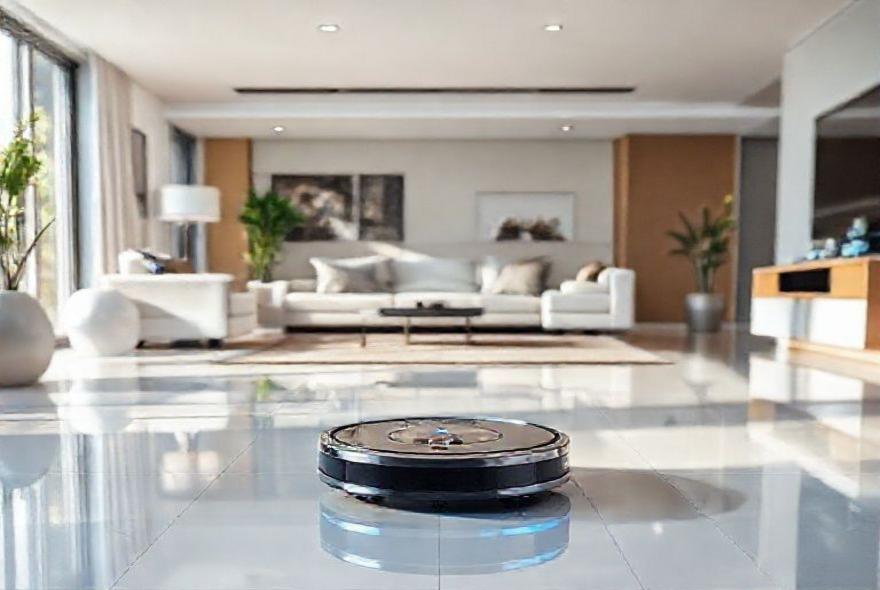
Let’s be honest, buying a robot vacuum is exciting—until it starts missing spots and you wonder if it’s plotting against you. Fear not! Our Homeowners’ Guide to Mapping Perfect Cleaning Routes is here. We’ll show you how to map your home exquisitely for optimal vacuuming efficiency, making sure even the sneaky corners get cleaned. Prepare for spotless floors just in time for your holiday gatherings! Whether it’s avoiding obstacles or ensuring every inch is vacuumed, this guide’s got your back. Ready to dive in? Let’s get your cleaning on point!
Key Takeaways
- Master robot vacuum efficiency by mapping perfect cleaning routes—say goodbye to missed spots!
- Learn how to strategize your vacuum’s path for seamless navigation and spotless floors.
- Optimize every nook and cranny for your holiday events; our guide keeps no dust bunny unturned.
- Turn your floor into a cleaning map—because lost rooms shouldn’t be a thing during vacuuming.
- Feel like an elite robot commander with a house that’s always ready to impress guests.
- Discover the art of efficiency: map once, clean countless times without lifting a finger.
- Holiday preparations made easy: Your vacuum could work harder, or simply smarter.
Understanding Your Home’s Cleaning Geography
You know that moment when you realize your robot vacuum has been missing the same corner for three weeks straight? Mapping perfect cleaning routes starts with understanding your home’s unique geography—those quirky nooks, furniture arrangements, and traffic patterns that make your space special. Creating precise cleaning routes isn’t just about efficiency; it’s about ensuring your robotic helper becomes a true cleaning partner rather than an expensive dust bunny collector. We think the secret lies in approaching your home like a GPS system would approach a new city—methodically, strategically, and with a keen eye for the most efficient pathways.
- Traffic Flow Analysis: Walk through your daily routines and identify high-traffic zones where dirt accumulates fastest—these areas need more frequent attention in your cleaning route map.
- Furniture Obstacle Assessment: Map out permanent fixtures versus moveable items, creating cleaning routes that navigate around stable obstacles while accounting for occasional furniture rearrangements.
- Room Connectivity Planning: Understand how rooms connect and which doorways your robot vacuum uses most efficiently, optimizing transitions between spaces for seamless navigation.
- Surface Type Recognition: Different flooring materials require different cleaning approaches—hardwood, carpet, tile, and rugs each present unique challenges for route optimization.
- Natural Light Considerations: Some robot vacuums navigate better in certain lighting conditions, so factor in natural light patterns when planning optimal cleaning times and routes.
Setting Up Initial Mapping for Maximum Coverage
Here’s where the rubber meets the road—or should I say, where the brushes meet the floor. Initial mapping is like teaching your robot vacuum the layout of your home, and trust me, a little patience during this setup phase pays dividends in long-term cleaning efficiency. Most modern robot vacuums create digital maps during their first few cleaning cycles, but you can significantly improve this process with some strategic preparation. Think of it as giving your robotic cleaner a guided tour rather than letting it wander around like a confused tourist.
- Clear Pathway Preparation: Remove temporary obstacles like shoes, cables, and small items that might confuse the initial mapping sensors or create incomplete route data.
- Lighting Optimization: Ensure adequate lighting throughout your home during initial mapping sessions, as many navigation systems rely on visual sensors for accurate spatial recognition.
- Complete Home Access: Open all doors and remove barriers during the first mapping runs to ensure your robot vacuum discovers every accessible area and creates comprehensive route options.
- Multiple Mapping Sessions: Allow your robot vacuum to complete several full cleaning cycles before finalizing routes—each session improves map accuracy and identifies potential navigation challenges.
- Manual Route Verification: Review the generated maps through your robot’s app interface, checking for missed areas or mapping errors that could affect long-term cleaning efficiency.
Customizing Room-Specific Cleaning Strategies
Not all rooms are created equal, and your robot vacuum’s cleaning routes shouldn’t treat them that way either. Your kitchen faces daily cooking spills and crumb invasions, while your guest bedroom might only need attention twice a week. The beauty of modern robotic cleaning lies in this customization capability—you can create tailored cleaning strategies that match each room’s specific needs and usage patterns. I’ve found that homes with customized room strategies stay consistently cleaner with less overall cleaning time, because the robot focuses its energy where it’s needed most.
- Kitchen Intensive Routes: Program more frequent, thorough cleaning patterns for kitchen areas, including multiple passes around islands, under appliances, and near dining areas where food debris accumulates.
- Living Room Social Patterns: Create cleaning routes that account for furniture arrangements optimized for conversation and entertainment, ensuring thorough coverage around seating areas and coffee tables.
- Bedroom Gentle Approaches: Design quieter, less frequent cleaning routes for sleeping areas, scheduled during daytime hours with careful navigation around bed frames and nightstands.
- Bathroom Precision Cleaning: Develop detailed routes that navigate around toilet bases, vanities, and other bathroom fixtures while maintaining thorough floor coverage in these smaller spaces.
- Hallway Efficiency Corridors: Optimize linear cleaning patterns for hallways and transitional spaces, ensuring these high-traffic connectors stay consistently clean without over-cleaning.
Optimizing Navigation Around Common Household Obstacles
Every home has those challenging spots that seem designed to confuse robot vacuums—chair legs that create maze-like patterns, low-hanging curtains that trigger sensors, or that one weird corner where the vacuum always gets stuck. Successful route mapping means anticipating these challenges and creating navigation strategies that work around them rather than fighting them. You know how you automatically step over that one floorboard that creaks? Your robot vacuum needs similar learned behaviors for your home’s quirky obstacles.
- Furniture Leg Cluster Navigation: Map efficient patterns around dining sets, office chairs, and other multi-legged furniture arrangements, creating routes that clean thoroughly without getting trapped between legs.
- Cable and Cord Management: Identify permanent electrical cords, internet cables, and charging stations, then program routes that avoid these snag hazards while still cleaning nearby areas effectively.
- Pet Area Considerations: Account for pet beds, food bowls, and toys in your route planning, creating flexible paths that adapt to changing pet-related obstacle positions.
- Seasonal Decoration Zones: Build adaptable routes that can accommodate temporary obstacles like holiday decorations, seasonal furniture arrangements, or periodic room reconfigurations.
- Threshold and Transition Management: Optimize navigation across room transitions, door thresholds, and elevation changes to ensure seamless movement between different areas of your home.
Advanced Scheduling Techniques for Route Efficiency
Here’s where route mapping gets really sophisticated—it’s not just about where your robot vacuum goes, but when it goes there. Smart scheduling transforms good cleaning routes into great ones by factoring in your daily routines, natural light patterns, and even your home’s acoustic considerations. I’ve discovered that homes with strategically scheduled cleaning routes not only stay cleaner but also integrate robotic cleaning seamlessly into daily life. The goal is making your robot vacuum feel like a helpful household member rather than a disruptive gadget.
- Peak Activity Avoidance: Schedule cleaning routes during times when rooms are typically unoccupied, preventing human-robot conflicts and ensuring thorough cleaning without interruption.
- Sequential Room Logic: Program routes that follow logical sequences—cleaning kitchens after meal times, bedrooms during daytime hours, and living areas between daily activities.
- Energy Efficiency Timing: Optimize cleaning schedules to take advantage of off-peak electricity rates while ensuring your robot vacuum has adequate battery life for complete route execution.
- Natural Light Coordination: Schedule navigation-intensive routes during optimal lighting conditions, improving sensor accuracy and reducing navigation errors in challenging areas.
- Multi-Day Route Rotation: Create varied cleaning patterns that rotate focus areas, ensuring comprehensive coverage over time while preventing excessive wear on high-traffic cleaning zones.
Troubleshooting Route Problems and Navigation Issues
Even the most carefully planned cleaning routes sometimes go awry, and knowing how to diagnose and fix navigation problems can save you hours of frustration. I’ve spent more time than I’d like to admit watching my robot vacuum repeatedly bump into the same table leg, wondering if it’s developing a personal vendetta against my furniture. The reality is that most navigation issues have simple solutions once you understand what’s causing them. Think of troubleshooting as fine-tuning your robot’s GPS system—sometimes it just needs a little recalibration to get back on track.
- Mapping Memory Issues: If your robot vacuum seems to “forget” previously mapped areas, check for software updates, clean navigation sensors, and consider remapping affected zones to restore accurate route memory.
- Stuck Spot Identification: Analyze recurring problem areas where your robot gets trapped, then modify routes to avoid these zones or make physical adjustments to furniture arrangements.
- Incomplete Coverage Diagnosis: When certain areas consistently get missed, review your route maps for gaps, check for physical barriers blocking access, and adjust cleaning patterns to ensure complete coverage.
- Navigation Sensor Maintenance: Clean camera lenses, dust sensors, and navigation components regularly, as dirty sensors can cause route deviations, mapping errors, and inefficient cleaning patterns.
- Environmental Change Adaptation: Update route maps when you rearrange furniture, add new obstacles, or change room functions to prevent navigation confusion and maintain cleaning efficiency.
Measuring and Improving Route Performance
The best cleaning routes aren’t born perfect—they evolve through measurement, analysis, and continuous improvement. Most robot vacuum apps provide detailed cleaning reports that reveal fascinating insights about your home’s cleaning patterns, missed spots, and efficiency opportunities. We think of this data as your robot vacuum’s report card, showing you exactly how well your route mapping strategies are working in real-world conditions. The goal isn’t perfection on day one; it’s steady improvement that leads to consistently excellent results.
- Coverage Analysis Tools: Use your robot’s app analytics to identify areas with incomplete coverage, then adjust routes to ensure these spots receive adequate attention in future cleaning cycles.
- Cleaning Time Optimization: Monitor how long different routes take to complete, identifying opportunities to streamline paths without sacrificing cleaning quality or thoroughness.
- Battery Efficiency Tracking: Analyze power consumption patterns across different routes, optimizing paths to maximize cleaning coverage while preserving battery life for complete cycles.
- Obstacle Encounter Monitoring: Review logs of navigation challenges and obstacle encounters, using this data to refine routes and reduce future navigation problems.
- Performance Comparison Testing: Experiment with different route configurations for the same areas, comparing results to identify the most effective cleaning patterns for your specific home layout.
Seasonal Route Adjustments and Long-term Maintenance
Your home changes throughout the year, and your robot vacuum’s cleaning routes should adapt accordingly. Spring brings pollen and open windows, summer means more outdoor traffic, fall delivers leaves and seasonal decorations, while winter introduces salt, snow, and holiday chaos. Smart route mapping isn’t a “set it and forget it” proposition—it’s an evolving system that grows smarter and more efficient as it learns your home’s seasonal rhythms. I’ve learned that homes with seasonally adjusted cleaning routes maintain more consistent cleanliness year-round, because the cleaning strategy matches the actual challenges each season presents.
- Seasonal Schedule Modifications: Adjust cleaning frequency and route intensity based on seasonal challenges—more frequent entryway cleaning during muddy spring months, increased kitchen attention during holiday cooking seasons.
- Weather-Responsive Route Changes: Modify cleaning patterns based on weather conditions that affect indoor cleanliness, such as pollen seasons, rainy periods, or winter salt tracking.
- Holiday and Event Route Planning: Create special cleaning routes for holidays, parties, and events, ensuring your robot vacuum can maintain cleanliness during periods of increased household activity.
- Long-term Map Evolution: Allow your robot’s mapping system to evolve with permanent changes to your home layout, furniture arrangements, and room functions while maintaining cleaning efficiency.
- Annual Route Optimization Reviews: Conduct yearly assessments of your cleaning route performance, identifying areas for improvement and updating strategies based on accumulated usage data and household changes.
Conclusion
Navigating your robot vacuum through the intricacies of your home doesn’t have to resemble a blindfolded match of pin-the-tail-on-the-donkey. As we’ve explored, mapping out precise cleaning routes is your golden ticket to making sure your robot works smarter, not harder. By starting with a clear layout of your space and utilizing the latest tech features of your vacuum cleaner, you can make each corner of your home spotless—even during the chaos of holiday gatherings. It’s all about understanding your vacuum’s capabilities, adopting efficient mapping strategies, and letting the little automaton do the heavy lifting on the dance floor of dirt and dust.
And hey, if this inspired a cleaning spree but life’s too busy, don’t fret! Wrapping this up, if you’re ready to tackle your home cleaning without the hassle, hit us up at Joy of Cleaning. Book a Cleaning online or call (727) 687-2710—we’ve got your back! Follow us on Instagram and Facebook for more fun tips.