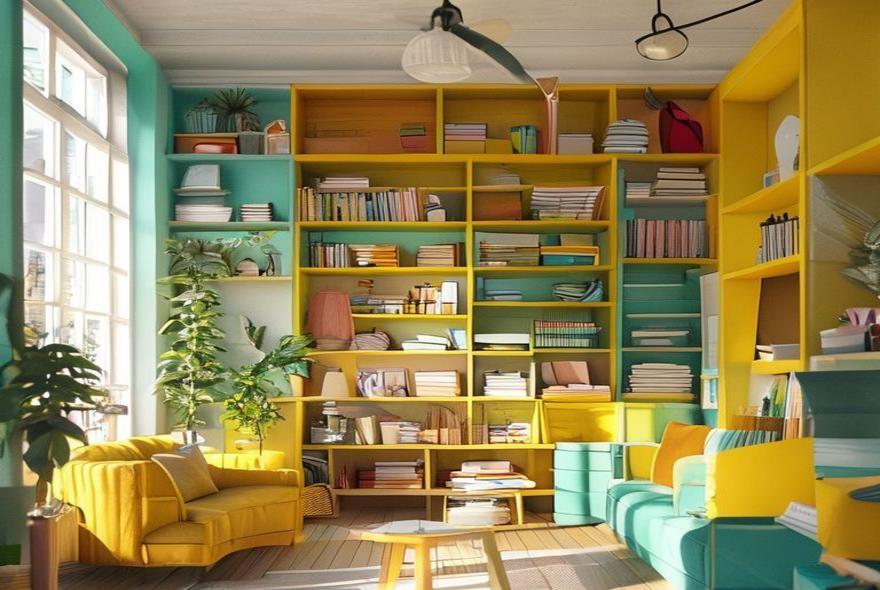
Welcome to the chaos-busting world of clutter-proof homes! Ever stared at that teetering pile of unread junk mail and wondered, ‘How did it come to this?’ Fear not, my friend. In our Homeowners’ Guide to Designing a Clutter-Proof Home, we’re diving deep into clever systems and sustainable organization solutions. We’ll tackle clutter before it gets out of hand. Let’s trade those messes for mindful, tidy spaces. Ready to transform your space into a clutter-free haven? Our guide is your go-to for a fresh start.
Key Takeaways
- Learn ingenious ways to keep clutter at bay with sustainable organization solutions – your home’s new best friend.
- Set up systems that tackle clutter before it even thinks about setting up camp.
- Clever storage hacks: because your things should work for you, not the other way around.
- Discover space-saving ideas that make Marie Kondo look twice!
- A clutter-free home isn’t just a dream; it’s a well-organized reality you’d love to come back to.
- Find out why designing with purpose beats battling clutter chaos daily.
- Don’t let clutter corner you; take control with smart organizing strategies.
Understanding the Foundation of Clutter-Proof Design
You know that feeling when you walk into a beautifully organized space and everything just feels… right? That’s not magic—that’s intentional design working behind the scenes to prevent clutter from taking over. A clutter-proof home isn’t about having fewer things; it’s about creating systems and spaces that naturally discourage mess from accumulating in the first place. We think the secret lies in understanding how clutter actually forms and then designing your space to interrupt those patterns before they start.
- Strategic Storage Placement: Position storage solutions exactly where items naturally land, not where you think they should go—this prevents the dreaded “I’ll put it away later” pile-ups
- Visual Calm Principles: Design spaces with clear sight lines and minimal visual noise, which naturally discourages random item dumping and promotes mindful placement
- Flow-Based Organization: Arrange your home to support natural traffic patterns and daily routines, making it easier to maintain order without constant effort
- Prevention Over Correction: Focus on stopping clutter at the source rather than constantly cleaning up after it forms—this sustainable approach saves time and reduces stress long-term
Designing Entry Points That Stop Clutter at the Door
Your entryway is ground zero for clutter invasion—it’s where the outside world meets your organized sanctuary, and without proper systems, it becomes a dumping ground faster than you can say “honey, I’m home!” The key to sustainable organization starts right at your threshold with intentional design choices that make tidiness the path of least resistance. Think about it: when coming home is stressful because there’s nowhere to put your stuff, that’s when chaos begins.
- Zone-Based Entry Design: Create distinct areas for shoes, coats, bags, and daily essentials—each item gets its own designated landing spot that family members can use without thinking
- Vertical Storage Solutions: Maximize wall space with hooks, cubbies, and slim storage units that keep floor space clear while providing ample storage for daily necessities
- Quick-Access Convenience: Position frequently used items like keys, sunglasses, and dog leashes at eye level and within arm’s reach of the door for grab-and-go efficiency
- Seasonal Rotation Systems: Design storage that adapts to changing needs—summer sandals swap out for winter boots without disrupting the overall organization system
- Family-Friendly Accessibility: Install hooks and storage at various heights so everyone from toddlers to tall adults can independently maintain the system
Kitchen Command Centers That Actually Work
Let’s be real—your kitchen is probably the hardest-working room in your house, which means it’s also where clutter loves to multiply like rabbits. But here’s the thing: a well-designed kitchen command center doesn’t just look good, it actually prevents the paper piles, gadget chaos, and random stuff accumulation that drives families crazy. The secret is creating systems that work with your daily rhythms, not against them, so maintaining order becomes as natural as making your morning coffee.
- Paper Flow Management: Install a three-tier system for incoming mail—immediate action, file later, and recycling—positioned right where mail naturally lands to prevent counter avalanches
- Appliance Parking Lots: Designate specific homes for small appliances based on usage frequency, keeping daily-use items accessible while storing occasional-use gadgets out of sight but easy to reach
- Counter Space Protocols: Establish clear rules about what earns counter real estate—only items used daily get to stay visible, everything else finds a designated cabinet or drawer home
- Family Communication Hub: Create a central spot for calendars, school papers, and family schedules that prevents important information from getting lost in the shuffle
- Meal Prep Efficiency: Design prep and cleanup zones that make cooking and cleaning flow smoothly, reducing the temptation to leave messes for later
Bedroom Sanctuaries Built for Peace
Your bedroom should be your personal retreat, but if it’s currently serving as a storage unit with a bed in the middle, we need to talk. Creating a clutter-proof bedroom isn’t about having a minimalist aesthetic—it’s about designing a space that naturally promotes rest and relaxation while providing smart solutions for the stuff you actually need. When your bedroom systems work properly, maintaining a peaceful environment becomes effortless rather than exhausting.
- Clothing Circulation Systems: Design closet and dresser organization that makes putting clothes away easier than draping them over that infamous bedroom chair—because we all know that chair
- Nightstand Necessities Only: Limit bedside storage to true essentials and create specific homes for everything else, preventing the nightstand from becoming a catch-all for random items
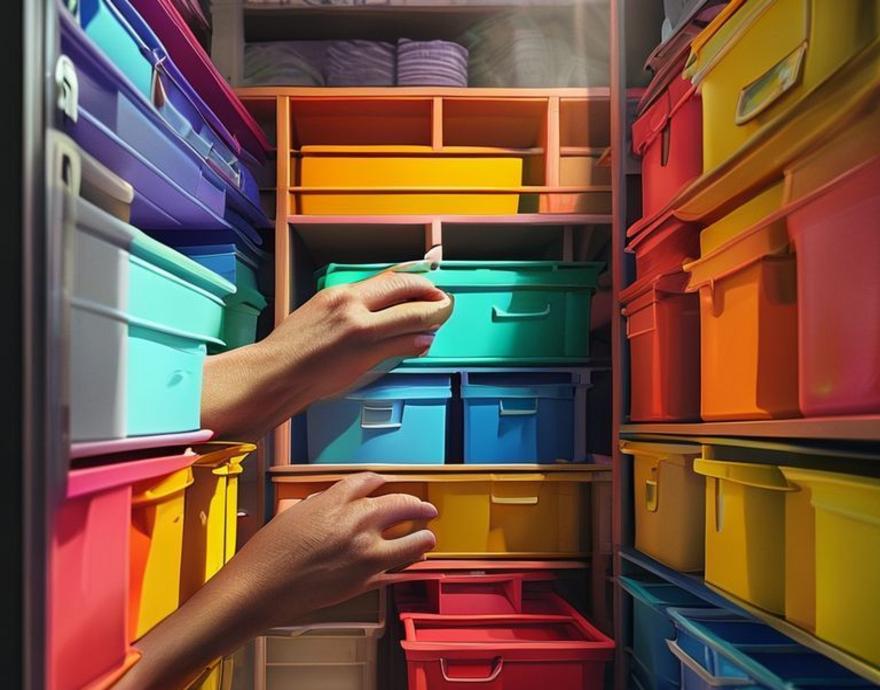
- Under-Bed Strategy: If you’re using under-bed space for storage, make it intentional with proper containers and easy access, not a hiding spot for items you don’t know what to do with
- Surface Management: Keep bedroom surfaces—dressers, windowsills, benches—mostly clear with only a few meaningful items, creating visual calm that promotes better sleep
- Morning and Evening Routines: Design your bedroom layout to support smooth morning preparations and evening wind-down routines without creating mess in the process
Living Spaces That Stay Naturally Tidy
The living room is where real life happens—movie nights, homework sessions, weekend lounging, and somehow every single item in your house eventually migrates here, right? But what if your living space could stay naturally organized without constant pickup sessions? The trick is designing these high-traffic areas with clutter prevention built right into the layout and storage solutions. We’re talking about creating systems so intuitive that tidying up happens almost automatically.
- Strategic Storage Integration: Build storage into your living space design with attractive baskets, ottomans with hidden compartments, and furniture that serves double duty as both seating and organization
- Entertainment Center Logic: Organize media equipment, gaming supplies, and electronics with clear systems that make setup and cleanup quick and painless for everyone in the family
- Coffee Table Wisdom: Choose coffee tables and side tables with built-in storage or lower shelves, providing homes for remotes, magazines, and other living room necessities
- Kid-Friendly Solutions: If you have children, create designated toy storage that’s easy for little hands to use independently—teaching organization skills while maintaining family space harmony
- Flexible Furniture Arrangements: Design furniture layouts that can adapt to different activities—family game night, movie watching, or entertaining guests—without creating organizational chaos
Bathroom Organization That Prevents Product Proliferation
Bathrooms might be small, but they sure know how to accumulate an impressive amount of stuff, don’t they? From expired medications hiding behind current ones to that collection of half-empty shampoo bottles that somehow multiplies overnight, bathroom clutter is sneaky but totally manageable with the right approach. The goal is creating systems that prevent product proliferation while keeping daily essentials easily accessible—because nobody has time to dig through cabinet chaos when they’re running late.
- Vertical Storage Maximization: Use wall-mounted cabinets, over-toilet storage, and shower caddies to keep essentials organized without cluttering limited counter and floor space
- Product Rotation Systems: Organize toiletries and medications with expiration dates visible and older products in front, preventing the accumulation of forgotten items in the back of cabinets
- Daily Essentials Access: Keep frequently used items at eye level and within easy reach, while storing backup supplies and occasional-use products in less accessible but organized locations
- Moisture-Resistant Solutions: Choose storage options designed for bathroom humidity that keep products safe while maintaining organization systems long-term
- Family Coordination: Create separate zones or containers for each family member’s personal items, preventing the mixing and confusion that leads to product duplication
Sustainable Systems for Long-Term Success
Here’s where most organization advice falls short—it focuses on the initial cleanup but ignores the real challenge of maintaining systems long-term. Creating truly sustainable organization solutions means building habits and systems that work even when life gets crazy, kids get busy, or you’re just plain tired. The best clutter-proof home isn’t perfectly organized 100% of the time; it’s designed to bounce back quickly from inevitable messes without requiring heroic effort.
- Maintenance Rhythm Development: Build simple daily and weekly routines that prevent small messes from becoming overwhelming problems—think 5-minute evening pickups rather than weekend marathon sessions
- Family System Integration: Design organization solutions that work for every family member’s age and ability level, so maintaining order becomes a shared responsibility rather than one person’s burden
- Seasonal System Adjustments: Plan for how your organization needs change throughout the year and build flexibility into your systems—winter coats need different solutions than summer gear
- Problem-Spot Monitoring: Identify the areas where clutter tends to accumulate in your home and create specific prevention strategies for those trouble zones before they become overwhelming
- Success Measurement Tools: Develop simple ways to track your progress and celebrate wins—when systems work well, you want to notice and maintain that momentum for continued success
Troubleshooting Common Clutter-Proof Challenges
Even with the best intentions and smartest systems, every home faces unique organizational challenges—and that’s totally normal! Maybe you’re dealing with a tiny space that seems to defy all storage logic, or perhaps you have family members who seem allergic to putting things back where they belong. The key to sustainable organization isn’t perfection; it’s having strategies to handle the inevitable hiccups and adapt your systems when life throws you curveballs.
- Small Space Solutions: Maximize every inch with multi-functional furniture, vertical storage, and creative solutions like under-stair storage or ceiling-mounted options that work in compact homes
- Budget-Friendly Adaptations: Create effective organization systems using repurposed containers, DIY solutions, and strategic shopping that proves clutter-proof design doesn’t require expensive organizational products
- Family Resistance Management: Handle pushback from family members with patience and compromise, finding organization solutions that work for different personalities and habits rather than imposing one-size-fits-all rules
- Lifestyle Change Flexibility: Adapt your organizational systems when major life changes occur—new babies, job changes, kids starting school—so your clutter-proof home evolves with your needs
- Perfectionism Recovery: Develop realistic expectations and recovery strategies for when systems break down temporarily, because sustainable organization is about progress, not perfection
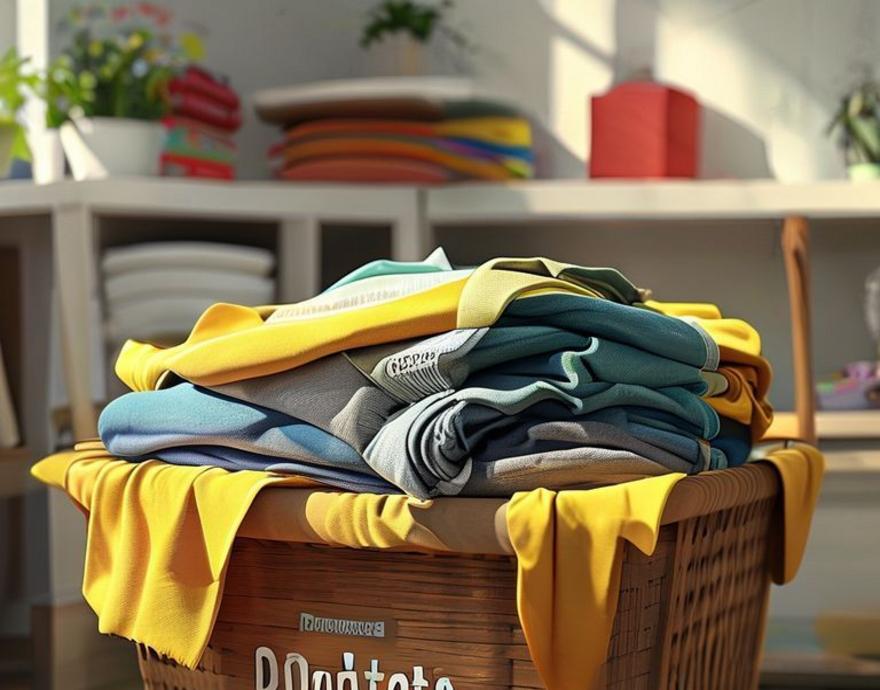
In wrapping up our Homeowners’ Guide to Designing a Clutter-Proof Home, remember that maintaining an organized and sustainable home is all about setting up smart systems and utilizing efficient spaces. By creatively using storage solutions and regularly assessing your home’s layout, you can prevent clutter from creeping up when you’re not looking. Sustainable organization solutions aren’t just about tidying your things—they’re about transforming your life. Implementing these systems ensures that your home functions like a well-oiled machine, and who wouldn’t want their abode to feel less chaotic and more aesthetically pleasing? So, embrace the joy of a clutter-free existence and revel in the tranquility that comes with a well-organized home.
And hey, if this inspired a cleaning spree but life’s too busy to act, don’t worry—Joy of Cleaning has your back. Ready to tackle your home cleaning without the hassle? Book a Cleaning online or give us a call at (727) 687-2710. And if you feel like diving deeper into the world of cleanliness, follow us on Facebook and Instagram for inspiring tips and cheerful updates. No matter the mess, we’re here to help!