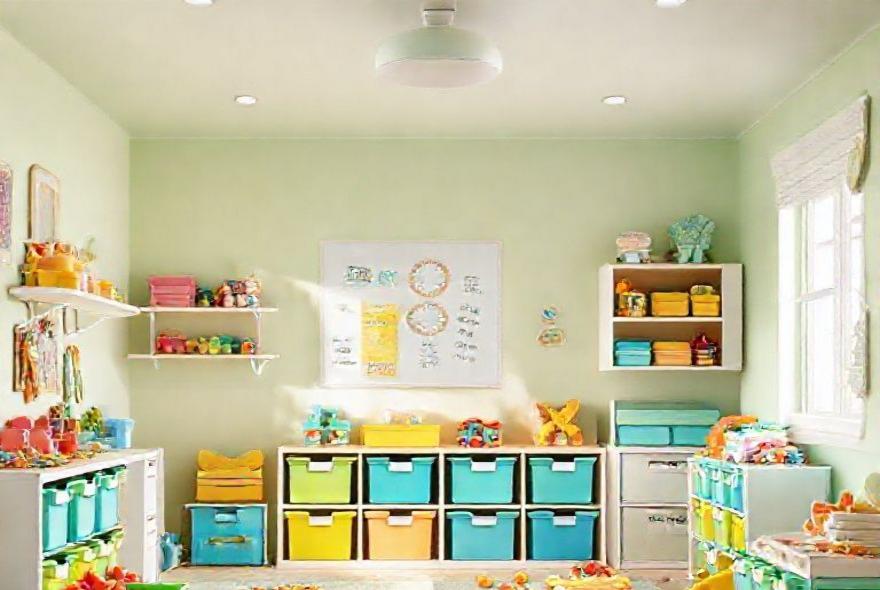
Welcome to the Homeowners’ Guide to Age-Appropriate Tasks for Kids—where assigning age-suitable cleaning tasks isn’t just child’s play, it’s a family art form. Ever had your toddler attempt dish duty? Let’s say it can end wetter than expected! With cleaning tasks that match your child’s developmental stage, you’ll keep little hands busy while nurturing independence. From toddlers to teens, we’ve got the scoop on everything from organizing toy piles to dusting side tables. Discover how to make chores engaging and responsibilities more than just mundane. Ready to dive in? Grab your mop!
Key Takeaways
- Wondering how to get your kids to help with chores? Use our age-appropriate guide!
- From toddlers to teens, discover cleaning tasks that fit your child’s developmental stage.
- Make cleaning fun with tasks tailored to your child’s abilities! Yes, really.
- Assigning chores has never been this easy — or this effective!
- Help your child build life skills with tasks that are just right for their age.
- Keep those tiny hands busy and your home tidy with our handy guide.
- Got a toddler or a teenager? We’ve got tasks for them both!
- Boost responsibility in your kids with our simple yet effective task guide.
Understanding Child Development and Cleaning Readiness
You know that frustrating moment when you ask your 4-year-old to “clean their room” and they just stare at you like you’re speaking ancient Greek? Here’s the thing—kids aren’t mini adults, and their brains develop cleaning abilities at different stages. Understanding where your child sits on the developmental spectrum is absolutely crucial for creating age-appropriate tasks that build confidence rather than overwhelm them. We think the secret sauce lies in matching expectations to capabilities, which means ditching the one-size-fits-all approach and embracing what each age group can realistically handle.
- Developmental milestones matter: Toddlers (2-3 years) are just learning cause and effect, so simple tasks like putting toys in bins work better than complex organizing systems that require categorization skills they haven’t developed yet.
- Fine motor skills progression: Kids under 5 struggle with tasks requiring precise movements—folding fitted sheets is torture, but they can absolutely handle washcloths and small towels with enthusiasm and pride.
- Attention span realities: Preschoolers typically focus for 3-5 minutes per year of age, so expecting a 4-year-old to spend 30 minutes organizing their closet is setting everyone up for failure and frustration.
- Cognitive load considerations: Multi-step instructions overwhelm younger children—instead of saying “clean your room,” break it down: “put all the blocks in the blue bin, then we’ll tackle the books together.”
- Social development impacts: Older kids (8+) can handle responsibility for shared spaces and teaching younger siblings, while younger ones focus better on personal belongings and their own immediate environment.
Toddler Tasks That Actually Work (Ages 2-4)
Toddlers are like tiny tornadoes with good intentions—they want to help, but their idea of “helping” might involve using your expensive face cream as finger paint. The trick with this age group isn’t avoiding messes (spoiler alert: there will be messes), but channeling their natural curiosity into simple, manageable tasks that make them feel important. These little ones thrive on repetition, clear boundaries, and immediate positive feedback. Their cleaning “superpowers” revolve around sorting, carrying, and wiping—basic actions that lay the groundwork for more complex skills later.
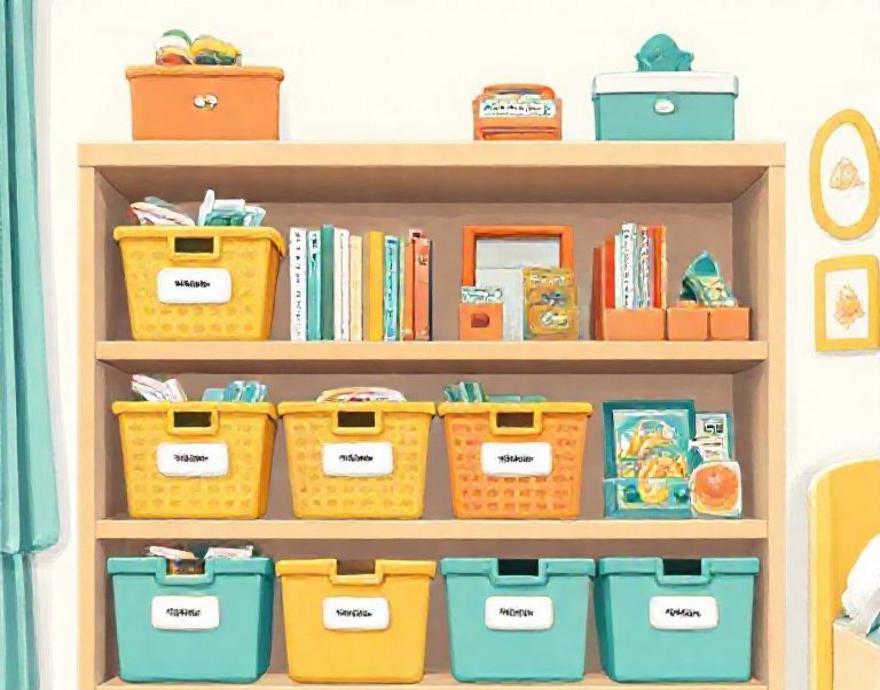
- Toy sorting adventures: Create designated homes for different toy types using picture labels—teddy bears go in the basket with the bear picture, blocks live in the container with block images, making cleanup feel like a matching game.
- Sock pairing missions: Fresh laundry provides perfect opportunities for toddlers to match socks by color or pattern—they’re developing visual discrimination skills while contributing meaningfully to household tasks.
- Surface wiping expeditions: Give them child-safe spray bottles with water and microfiber cloths to “help” clean tables, chairs, and low surfaces—they feel grown-up while practicing motor skills.
- Putting away personal items: Toddlers can manage returning their own shoes to designated spots, hanging backpacks on low hooks, and placing dirty clothes in hampers with consistent gentle reminders.
- Simple bed making: They can pull covers up and arrange stuffed animals—it won’t be perfect, but the pride on their faces when they show off their “made” bed is absolutely priceless.
Preschooler Powerhouses (Ages 4-6)
Preschoolers are where things get really interesting—they’ve got the motor skills of toddlers but the ambition of teenagers, which creates both amazing opportunities and spectacular meltdowns. This age group starts understanding sequences, following multi-step directions, and taking genuine pride in completed tasks. They’re also developing their sense of autonomy, which means they want to do things “by myself” even when they clearly need help. The key is providing just enough structure to ensure success while giving them space to feel independent and capable.
- Room organization systems: Preschoolers can handle sorting toys into categories (all cars together, all dolls together), organizing books by size or color, and maintaining simple storage systems with picture and word labels.
- Kitchen helper roles: They can set napkins and plastic utensils on the table, put away groceries in designated low cupboards, wipe down counters, and help load dishwashers with unbreakable items under supervision.
- Bathroom responsibilities: This age group can manage wiping down sinks, organizing their own toiletries, putting dirty towels in hampers, and keeping their bathroom drawer or shelf tidy with minimal assistance.
- Laundry participation: Preschoolers excel at sorting clothes by color, folding simple items like washcloths and underwear, matching socks, and transferring clothes between washer and dryer with help reaching controls.
- Pet care basics: If you have pets, preschoolers can fill water bowls, help measure food portions, organize pet toys, and maintain feeding area cleanliness with guidance and supervision.
Elementary Age Experts (Ages 6-10)
Elementary schoolers are the sweet spot for developing serious cleaning skills—they’ve got the physical capabilities, the attention span, and the desire to contribute meaningfully to family life. These kids can handle real responsibility and take genuine pride in maintaining their own spaces. They’re also old enough to understand consequences and develop routines that stick. We think this is when cleaning transitions from “helping mommy and daddy” to “taking care of my own stuff,” which is a huge developmental leap that sets the stage for teenage independence.
- Complete room management: Kids this age can be responsible for keeping their entire bedroom organized, including making beds daily, organizing closets, managing desk areas, and doing weekly deep-cleaning sessions.
- Bathroom ownership: They can handle complete bathroom cleaning including toilets, showers, mirrors, and floors—provide child-safe cleaning supplies and clear instructions for safety and effectiveness.
- Kitchen responsibilities: Elementary kids can load and unload dishwashers, wipe down appliances, organize pantry items, set and clear tables completely, and help with meal prep cleanup.
- Laundry independence: With initial instruction, they can manage their own laundry from start to finish—washing, drying, folding, and putting away clothes while learning to sort fabrics and use appropriate settings.
- Outdoor maintenance: Age-appropriate yard work like raking leaves, pulling weeds, organizing outdoor toys and sports equipment, and helping with garage organization teaches broader maintenance skills.
Tween Cleaning Champions (Ages 10-13)
Tweens are fascinating creatures—they want independence but still need guidance, they’re capable of complex tasks but might “forget” to do simple ones, and they’re developing their own standards (which might be very different from yours). This age group can handle sophisticated organizing projects and take ownership of significant household responsibilities. The challenge isn’t their capability—it’s their motivation and consistency. Successful tween cleaning programs focus on natural consequences, personal ownership, and connecting clean spaces to things they care about, like having friends over or earning privileges.
- Project-based organizing: Tweens excel at big reorganization projects like closet overhauls, basement organization, garage cleanouts, and creating new storage systems—they can plan, execute, and maintain complex organizational schemes.
- Shared space responsibility: They can take ownership of family areas like keeping the living room tidy, managing the family computer area, organizing coat closets, and maintaining mudroom or entryway spaces.
- Advanced cleaning techniques: This age group can learn proper techniques for cleaning windows, organizing paperwork, maintaining household calendars, deep-cleaning appliances, and handling delicate items safely.
- Time management integration: Tweens can create their own cleaning schedules, balance cleaning responsibilities with homework and activities, and develop personal systems that work with their individual preferences and energy patterns.
- Teaching and leadership roles: They can help teach younger siblings, research new organizing methods online, suggest improvements to family systems, and take leadership during family cleaning sessions or seasonal organization projects.
Building Skills Progressively Through the Years
Here’s what many parents miss—cleaning skills don’t develop in isolation, they build on each other like a pyramid. The toddler who learns to put toys in bins becomes the preschooler who can organize toys by category, who becomes the elementary student managing their entire room, who becomes the tween creating organizational systems. Understanding this progression helps you see the bigger picture and avoid the frustration of expecting skills your child hasn’t developed yet. It also helps you celebrate the foundation-building happening at every stage, even when progress feels slow.
- Foundation skills first: Start with basic actions like carrying, sorting, and putting items in designated places—these fundamental movements become the building blocks for all future cleaning and organizing abilities.
- Layer complexity gradually: Add new elements slowly—once a child masters putting toys away, introduce sorting by type, then by size, then creating their own organizational categories and systems.
- Connect skills across contexts: The sorting skills learned with toys transfer to organizing clothes, books, school supplies, and eventually important documents—help kids see these connections to build confidence.
- Develop quality standards over time: Young children focus on completion, older kids learn thoroughness, tweens develop personal standards—adjust expectations appropriately while maintaining encouragement for improvement.
- Foster problem-solving abilities: As skills develop, encourage kids to troubleshoot their own organizing challenges, research solutions, and adapt systems when they’re not working effectively.
Creating Age-Appropriate Motivation Systems
What motivates a 3-year-old to clean up toys (immediate praise and maybe a sticker) is completely different from what motivates a 12-year-old to organize their closet (probably earning the right to redecorate or having friends sleep over). Understanding developmental differences in motivation is crucial for creating systems that actually work long-term. Younger kids need immediate, external rewards and lots of positive attention. Older kids respond better to natural consequences, increased privileges, and recognition of their growing maturity and capability.
- Toddler/Preschooler motivation: Immediate praise, simple reward systems, making tasks feel like games, and lots of “helping grown-ups” language that makes them feel important and included in family responsibilities.
- Elementary age motivation: Clear expectations with logical consequences, earning privileges through consistent effort, recognition of improvement over perfection, and opportunities to demonstrate their skills to others.
- Tween motivation: Connection to personal goals (like having friends over), increased autonomy and choice in how tasks are completed, recognition as contributing family members, and opportunities for leadership and teaching.
- Intrinsic motivation development: Gradually shift from external rewards to internal satisfaction—help kids notice how good clean spaces feel, how much easier it is to find things, and how proud they feel about their capabilities.
- Individual personality considerations: Some kids are motivated by competition, others by collaboration; some love detailed systems, others prefer simple routines—observe what works for each child and adapt accordingly.
Troubleshooting Common Age-Related Challenges
Even with the best age-appropriate strategies, you’ll encounter bumps in the road—the preschooler who suddenly refuses to put away toys, the elementary student who “forgets” their responsibilities, or the tween who argues that their messy room is “organized chaos.” These challenges are normal parts of development, not signs that your approach isn’t working. The key is staying flexible and remembering that skill development isn’t linear—kids will have good weeks and challenging weeks, and that’s perfectly normal for learning any new competency.
- Regression periods: When kids backslide on established skills, it’s often due to stress, developmental leaps, or simply testing boundaries—maintain consistency while offering extra support during these phases.
- Perfectionism paralysis: Some kids get overwhelmed trying to do everything perfectly—break tasks into smaller steps, celebrate “good enough” efforts, and emphasize progress over perfection consistently.
- Sibling comparison issues: Avoid comparing children’s abilities or progress—each child develops at their own pace, and comparisons typically decrease motivation rather than increase it.
- Consistency challenges: Life gets busy and routines slip—have simplified backup plans for hectic periods that maintain some structure without creating additional stress for families.
- Resistance to new expectations: When raising standards or introducing new responsibilities, involve kids in the discussion, explain the reasoning, and provide extra support during transition periods until new habits solidify.
You’ve navigated through the Homeowners’ Guide to Age-Appropriate Tasks for Kids like a pro! As we’ve explored, matching cleaning tasks to your child’s age and developmental stage not only empowers them but turns chores into a fun and educational experience. Remember, toddlers can help with simple tasks like putting away toys, while older kids can be entrusted with more responsibility like dusting or organizing their rooms. The core message is simple: when tasks are engaging and suit their abilities, kids become active participants in home management. So, embrace the learning and laughter that come with these age-appropriate tasks, knowing you’re setting them up for a lifetime of good habits and responsible independence.
And hey, if leading the junior cleaning brigade has you dreaming of a spotless house with none of the effort, Joy of Cleaning is your lifesaver. Book a Cleaning with us online or give us a ring at (727) 687-2710. We’re here to turn your cleaning blues into yay! Plus, we’re chock-full of fun tips and tricks over on our Instagram and Facebook pages. So why not join the fun community? Go ahead, make your home sparkle without lifting a finger!