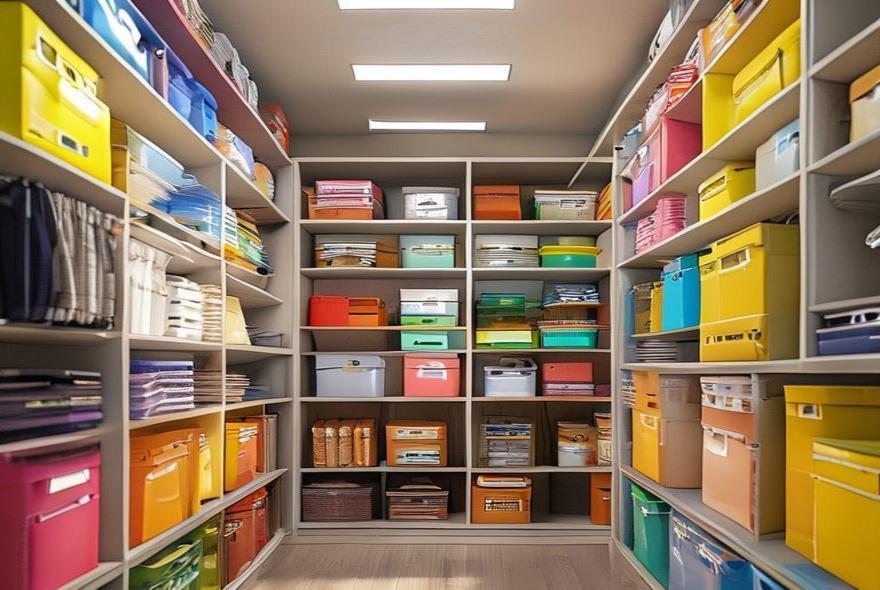
Ever stepped into your garage and felt like an archaeologist digging through ancient chaos? You’re not alone! Discover how to declutter your storage spaces efficiently and turn chaos into calm. Whether it’s your basement, attic, or that dreaded junk drawer, our easy solutions will help you reclaim your home. Ready for a stress-free year sans clutter mishaps? Let’s dive into proven organization tips, a sprinkle of humor, and expert advice. So, grab your gloves—this decluttering adventure promises to be both insightful and surprisingly fun!

Key Takeaways
- Declutter your garage by categorizing items—turn chaos into calm with a plan!
- Tackling your basement? Start with the forgotten corners; you’ll be amazed at what you’ll find.
- Storage areas hold the secrets of the past—sort and organize to make history tidier.
- Think of your clutter as treasure in disguise—rediscover stuff you forgot you had!
- Use labeled bins in your storage rooms to make finding things a breeze next year.
- Embrace the ‘one in, one out’ rule for future clutter prevention.
- Make organizing a family affair—more hands make light work and it’s more fun!
- Take ‘before and after’ photos to see your organizational victories come to life.
Understanding Your Storage Space Challenge
You know that moment when you need something from your garage and it feels like entering a dungeon? We’ve all been there—standing at the threshold of our storage spaces, wondering how we accumulated so much stuff and where on earth to begin. Decluttering your storage spaces efficiently isn’t just about making room; it’s about reclaiming your sanity and creating functional areas that actually serve your life. Whether we’re talking about your basement that’s become a graveyard for exercise equipment or that garage where your car hasn’t seen the inside in three years, these spaces hold incredible potential when approached with the right strategy.
- The Psychology of Storage Chaos: Cluttered storage spaces create mental overwhelm even when you’re not looking at them—your brain knows the chaos is lurking behind closed doors, affecting your overall sense of home organization.
- Hidden Costs of Disorganization: Poor storage organization leads to buying duplicates of items you already own, wasting money and creating more clutter in an endless cycle of accumulation.
- Safety and Accessibility Issues: Poorly organized storage areas become safety hazards with unstable stacks, blocked pathways, and items stored in ways that could cause injury when accessed.
- Seasonal Functionality Loss: When storage spaces are chaotic, seasonal transitions become nightmarish treasure hunts instead of simple swaps, making your home less functional year-round.
- Property Value Impact: Well-organized storage spaces actually add to your home’s value and appeal, while cluttered areas can be red flags for potential buyers or even just guests.
The Strategic Assessment Phase
Before you dive headfirst into moving boxes around like you’re playing Tetris with your life, let’s talk strategy. I learned this the hard way after spending an entire Saturday rearranging my garage three different times because I didn’t have a plan. The key to efficient storage decluttering lies in understanding what you’re working with before you start touching anything. Think of this phase as reconnaissance—you’re gathering intel about your storage space battlefield so you can win the war against clutter without losing your mind in the process.
- Space Inventory Mapping: Walk through each storage area with a notebook and map out the physical dimensions, noting features like electrical outlets, water sources, windows, and structural elements that affect organization possibilities.
- Category Identification System: Identify the main categories of items in each space—holiday decorations, sporting equipment, tools, seasonal clothing—so you can plan logical groupings and storage solutions.
- Frequency of Use Analysis: Honestly assess how often you access different items—daily, weekly, monthly, seasonally, or that dreaded “someday” category that usually means never.
- Climate and Environmental Factors: Consider temperature fluctuations, humidity levels, and potential pest issues that might affect how and where you store different types of items in each space.
- Access Pattern Planning: Think about how you naturally move through these spaces and where you tend to dump things when you’re in a hurry—work with your habits, not against them.
Mastering the Garage Organization System
Ah, the garage—that space that started with such promise when you moved in and somehow became a black hole where seasonal decorations, broken appliances, and mystery boxes go to live forever. Here’s what I’ve discovered about garage organization: it’s not about having the perfect storage system, it’s about creating zones that make sense for how you actually use the space. Most people try to organize their garage like a retail store, but you’re not running a business—you’re trying to find your Christmas lights in December without having a breakdown.
- Zone Creation Strategy: Establish distinct zones for different activities—automotive supplies near the car area, gardening tools near the outdoor access, sports equipment in easy-reach zones for active family members.
- Vertical Space Maximization: Install wall-mounted storage systems, overhead racks, and pegboards to get items off the floor and create more usable space while maintaining easy access to frequently used items.
- Seasonal Rotation System: Create a system where seasonal items can be easily swapped—summer and winter sports equipment, holiday decorations, and seasonal automotive supplies should have designated swap zones.
- Safety and Hazmat Considerations: Properly store chemicals, paints, and automotive fluids away from heat sources and out of reach of children, using appropriate containers and labeling systems for safety.
- Floor Space Preservation: Keep the majority of floor space clear for parking vehicles and moving large items in and out—resist the urge to use floor space for permanent storage solutions.
Basement Storage Solutions That Actually Work
Basements are tricky beasts—they’re usually the largest storage space in your home, but they come with unique challenges like humidity, limited natural light, and that slightly creepy feeling that makes you want to grab what you need and get out fast. I used to treat my basement like an underground junkyard until I realized it could actually be the most valuable storage real estate in my house if I approached it right. The secret isn’t fighting the basement’s nature—it’s working with its strengths while protecting against its weaknesses.
- Moisture Management Priority: Address humidity issues first with dehumidifiers or moisture absorbers, and use waterproof storage containers for items that could be damaged by dampness—this step prevents disaster down the road.
- Lighting and Accessibility Upgrades: Install adequate lighting and create clear pathways so you don’t need a flashlight and a map every time you venture downstairs—good lighting makes organization maintenance much more likely.
- Height Advantage Utilization: Take advantage of high ceilings with tall shelving units and clearly labeled storage bins—just make sure frequently accessed items stay at reasonable heights for safety.
- Temperature-Sensitive Item Placement: Keep electronics, photographs, important documents, and temperature-sensitive items in climate-controlled areas of the basement or invest in protective storage solutions.
- Emergency Access Planning: Ensure that emergency supplies, seasonal necessities, and backup household items are easily accessible even when other areas are cluttered—create priority access zones.
Closet Optimization Strategies
Let’s talk about closets—those seemingly simple rectangular spaces that somehow become impossible puzzles where you can’t find anything despite owning way too much stuff. Whether we’re dealing with bedroom closets, hall closets, or those weird under-stairs spaces that seem designed by someone who never actually had to use them, the principles of efficient closet organization remain surprisingly consistent. The trick is thinking of closets not as storage caves where you shove things and hope for the best, but as carefully curated spaces where everything has a specific home and purpose.
- Vertical Zone Creation: Divide closet space into zones based on frequency of use—eye level for daily items, higher shelves for occasional use, lower areas for bulky or heavy items that are accessed less frequently.
- Seasonal Wardrobe Rotation: Implement a seasonal clothing swap system where off-season items are stored in less accessible areas, keeping current season clothing front and center for easy daily selection.
- Specialty Storage Integration: Use drawer organizers, shelf dividers, and hanging organizers to create designated homes for small items that tend to get lost in the closet chaos—belts, accessories, undergarments.
- Door and Wall Space Maximization: Install over-door organizers and wall-mounted hooks or small shelves to capture every inch of available space without making the closet feel cramped or overwhelming.
- Visibility and Access Balance: Arrange items so you can see what you have while maintaining easy access—clear storage containers, consistent hangers, and logical groupings make daily use effortless.
Attic and Upper Storage Space Management
Attics are like the final frontier of home storage—that space above your head that you know exists but rarely think about until you need to put something there or, heaven help you, retrieve something from its depths. Here’s what I’ve learned about attic storage: it’s either your home’s secret weapon for long-term storage or a dangerous game of storage Jenga where one wrong move brings everything tumbling down. The key is treating your attic like valuable real estate, not like a three-dimensional junk drawer where physics and common sense go to die.
- Structural Weight Considerations: Understand your attic’s weight limits and distribute heavy items across multiple joists—those old encyclopedias and exercise equipment can actually damage your ceiling if not properly distributed.
- Temperature Extreme Protection: Use appropriate storage containers for items that will face extreme temperature swings, and avoid storing anything that could be damaged by heat, cold, or humidity fluctuations.
- Safety Access Protocols: Ensure safe access with proper lighting, stable flooring or walkways, and safety equipment—attic injuries are no joke and usually happen when people are rushing or can’t see properly.
- Long-Term Storage Optimization: Focus on items that are truly for long-term storage—holiday decorations, memorabilia, archived documents—rather than using the attic as overflow for items you might need regularly.
- Pest and Environmental Protection: Seal storage containers against rodents and insects, and check periodically for signs of pest activity or environmental damage that could affect your stored items.
Creating Sustainable Storage Maintenance Systems
Here’s where most people’s storage organization efforts go to die—they spend a weekend creating beautiful, organized spaces and then six months later everything’s back to chaos because they didn’t create systems for maintaining the organization. It’s like going on a crash diet without changing your eating habits; you might see short-term results, but you’re setting yourself up for long-term failure. The real magic happens when you create maintenance systems that work with your actual lifestyle, not the Pinterest-perfect version of your life that exists only in your imagination and social media feeds.
- Regular Review Schedules: Build quarterly storage space reviews into your calendar—like oil changes for your home organization—to catch problems before they become overwhelming disasters requiring entire weekends to fix.
- One-In-One-Out Policies: Establish rules for adding new items to storage spaces, ensuring that bringing something new in means removing something else to prevent gradual accumulation and overflow back into chaos.
- Family System Integration: Create simple, understandable systems that everyone in your household can follow—complex organization schemes that only make sense to you will fail the moment someone else needs to put something away.
- Seasonal Maintenance Rituals: Tie storage organization tasks to seasonal changes—when you’re switching out holiday decorations or seasonal clothing, take the opportunity to reassess and reorganize the entire space.
- Documentation and Labeling Systems: Maintain simple inventory lists or photo documentation of storage contents, especially for long-term storage areas, so you don’t forget what you have and where it’s located.
Troubleshooting Common Storage Organization Failures
Let’s get brutally honest about what actually happens when you try to implement storage organization systems in real life. You start with the best intentions, maybe even buy some fancy storage containers, and then reality hits like a truck carrying all your good intentions. Life gets busy, family members don’t follow the system, and before you know it, you’re back to playing storage space archaeology every time you need something. But here’s the thing nobody tells you about maintaining organized storage spaces: failure isn’t a character flaw, it’s data about what doesn’t work for your specific situation and lifestyle.
- System Complexity Overload: When your organization system is too complicated for daily life, simplify rather than abandon—most people need systems that work when they’re tired, rushed, or distracted, not just when they’re motivated.
- Perfectionist Paralysis Recovery: If you’ve let things slide and feel overwhelmed about getting back on track, start with just one small area rather than trying to reorganize everything at once—momentum builds faster than you think.
- Family Resistance Management: When household members consistently ignore your organization systems, involve them in creating solutions rather than trying to force compliance—people follow systems they help create more readily than imposed ones.
- Seasonal Disruption Recovery: After holidays, moves, or major life changes disrupt your storage organization, focus on restoring function first and aesthetics second—you can make it pretty once it’s working again.
- Space Evolution Adaptation: When your storage needs change due to lifestyle shifts, kids growing up, or new hobbies, don’t force old systems to work—reassess and redesign based on current reality, not past solutions.

Decluttering your storage spaces might not be the adrenaline-packed saga you watch with popcorn, but hey, it’s one starring role you’re bound to enjoy when the credits roll. Revisiting your garage’s past-life collection, conquering the basement beast, and turning storage areas from clutter zones to calm corners are not just tasks— they’re tiny home epiphanies. Strategically sorting, clever labeling, and committing to a ‘one-in, one-out’ policy can tackle chaos and make room for organized tranquility. Whether invoking the power of donation or simply realizing what truly sparks joy, you’re setting the stage for a decluttered and more serene home life in the year ahead.
And hey, if this inspired a cleaning spree but life’s too busy… don’t fret! Wrapping this up, if you’re ready to tackle your home cleaning without the hassle, hit us up at Joy of Cleaning. Book a Cleaning online or call (727) 687-2710—we’ve got your back! Follow us on Facebook and Instagram for more fun tips and a dash of cleaning inspiration.