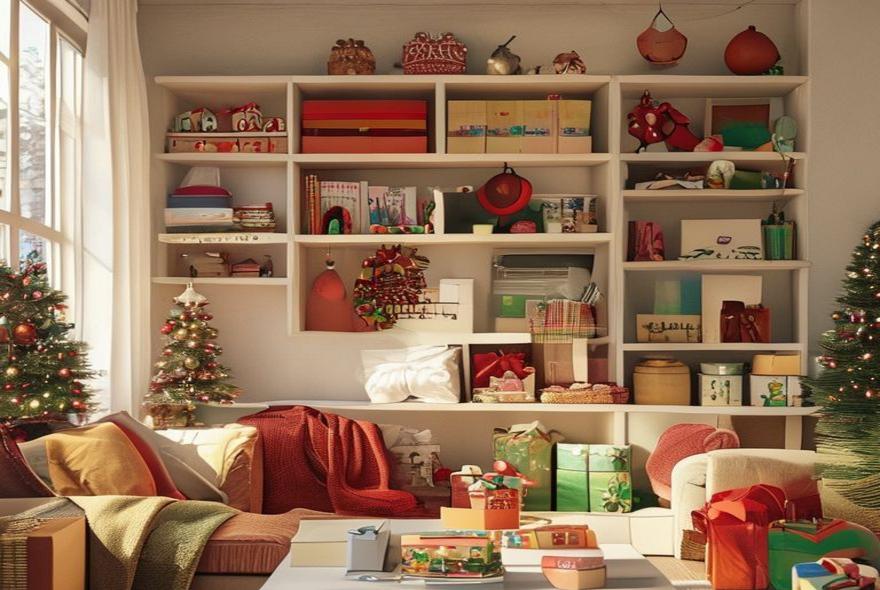
Ever looked around after the holidays and thought, ‘Where did all this stuff come from?’ You’re not alone. Here’s how decluttering can welcome the New Year by clearing mental and physical space, setting a fresh, energetic tone. It turns out, decluttering isn’t just about tidying up—it can equalize stress levels, enhance mood, and even improve health! Picture this: a clean slate and a squeaky-clean house, ready to greet January with open arms. Who knew a little organization could hold so much power? Dive in for tips and tricks on making decluttering a breeze.
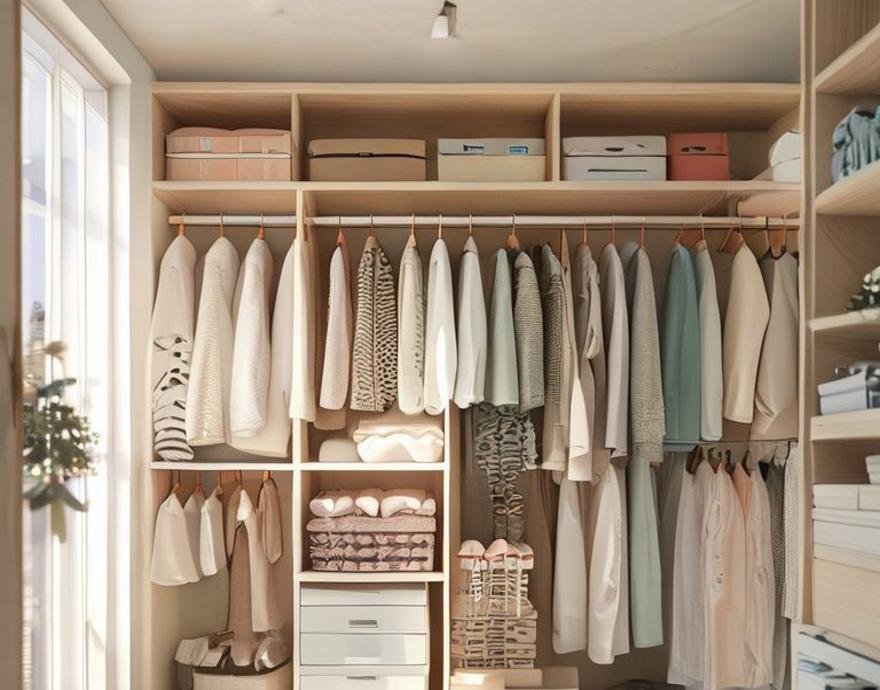
Key Takeaways
- Start the New Year right by ditching the holiday clutter—it’s time to embrace those Zen vibes!
- Did you know decluttering can actually reduce stress levels? Spark joy and watch your blood pressure thank you.
- Clear space, clear mind. Boost your mood by saying goodbye to those old knick-knacks and holiday leftovers.
- Decluttering isn’t just good for the soul; it can impact your health positively. Who knew tidying up could be the best medicine?
- Setting an energetic tone for the New Year might just start with rearranging your living room.
- Your 2024 doesn’t need that dusty wreath or pile of old gift bags. Time to declutter!
- Looking for a fresh start? Try swapping out holiday chaos for a clean, clear space.
The Psychology Behind Post-Holiday Clutter and Why January is Perfect for Change
You know that feeling when you walk into your living room in early January and suddenly notice everything differently? Post Christmas decluttering hits different because our brains are literally wired for fresh starts after major celebrations. The holidays create this interesting psychological phenomenon where we accumulate items in a heightened emotional state, but come January, we’re viewing everything through a more practical lens. It’s like waking up from a beautiful dream and realizing you don’t actually need three new throw pillows or that novelty mug collection.
- The Fresh Start Effect: Researchers have found that temporal landmarks like New Year’s create motivation spikes for positive changes, making January decluttering feel more achievable than the same task attempted in March or July.
- Decision Fatigue Recovery: After weeks of holiday decisions about gifts, food, and social events, our brains are ready for the simplicity that comes with removing excess stuff from our environment.
- Dopamine and Achievement: Holiday cleanup provides quick wins and visible progress, triggering feel-good brain chemicals that motivate continued organizing efforts throughout the month.
- Social Comparison Shift: January brings a cultural focus on improvement and organization, making new year organizing feel socially supported rather than like a lonely struggle against stuff.
- Energy Renewal: The post-holiday energy dip often motivates people to seek control through environmental changes, making this the ideal time for transforming living spaces.
The Hidden Health Benefits of Clearing Holiday Chaos
Here’s something most people don’t realize—Christmas gift decluttering and general holiday cleanup can actually improve your physical health in measurable ways. We’re not just talking about the obvious benefits like reduced dust or better air circulation, though those matter too. The act of decluttering literally changes your body’s stress response, sleep patterns, and even immune function. When you’re surrounded by visual chaos or items that create mental to-do lists, your nervous system stays slightly activated even when you’re trying to rest.
- Cortisol Reduction: Studies show that people living in cluttered homes have higher baseline cortisol levels throughout the day, while organized spaces promote the natural daily cortisol rhythm that supports healthy sleep.
- Improved Sleep Quality: Bedroom decluttering specifically impacts sleep quality within just a few nights, as the brain can more easily shift into rest mode without visual stimulation from excess belongings.
- Reduced Allergen Accumulation: Fewer items means fewer surfaces collecting dust, pet dander, and other allergens, which is especially important after holiday gatherings when these irritants spike.
- Physical Activity Increase: The decluttering process itself provides moderate physical activity, and organized spaces make it easier to maintain exercise routines that often get disrupted during the holidays.
- Mental Clarity Enhancement: Clear physical spaces reduce cognitive load, allowing your brain to focus on important tasks rather than constantly processing environmental chaos in your peripheral vision.
Smart Strategies for Dealing with Sentimental Holiday Items
Let’s tackle the elephant in the room—those items that aren’t necessarily functional but carry emotional weight from the holiday season. Maybe it’s your grandmother’s ornament collection that you inherited but doesn’t match your style, or handmade gifts from children that you treasure but don’t actually display. New year organizing gets tricky when sentiment meets practicality, and this is where many people get stuck in their decluttering journey. The good news? You can honor memories without drowning in stuff.
- The Memory Box Method: Create a dedicated container for truly meaningful items, but limit yourself to what fits—this forces you to choose the most significant pieces rather than keeping everything “just in case.”
- Photo Documentation: Take high-quality photos of sentimental items before releasing them, creating a digital memory book that preserves the connection without requiring storage space in your home.
- Rotation System: For inherited holiday decorations, consider rotating different pieces each year rather than displaying everything simultaneously, keeping items fresh and special rather than overwhelming.
- Repurposing Creative Solutions: Transform sentimental items into functional pieces—frame favorite holiday cards, turn special ornaments into year-round decor, or incorporate meaningful fabric into useful household items.
- Sharing the Load: Distribute inherited collections among family members who also have connections to the items, ensuring everything gets appreciated rather than stored unused in one person’s home.
Creating Systems That Prevent Future Holiday Overwhelm
The real magic of January decluttering isn’t just clearing current chaos—it’s setting up systems that prevent next year’s holiday season from creating the same overwhelming situation. Think of this as insurance against future clutter accumulation. We’re talking about creating boundaries and habits that let you enjoy the holidays without the post-celebration hangover of stuff everywhere. It’s about being intentional rather than restrictive, strategic rather than spontaneous.
- Gift-Giving Guidelines: Establish family rules about gift quantities and types before next season, focusing on experiences, consumables, or items that replace rather than add to existing collections.
- Storage Limits: Designate specific storage areas for holiday items and stick to those boundaries—when the space is full, something has to go before anything new comes in.
- Monthly Mini-Declutters: Schedule brief monthly sessions to prevent accumulation throughout the year, making holiday cleanup much more manageable and less overwhelming when December rolls around.
- Mindful Acquisition Habits: Before bringing any new item into your home, ask whether you have space for it and what you’re willing to remove to make room, creating conscious consumption patterns.
- Holiday Decoration Audits: Each year as you decorate, note which items you skip or struggle to place, marking them for removal during post-holiday cleanup to gradually refine your collection.
The Financial Side of Post-Holiday Decluttering
Nobody talks about this enough, but holiday cleanup can actually put money back in your pocket while teaching valuable lessons about spending patterns. Those unwanted gifts, duplicate items, and impulse holiday purchases represent real money that’s currently trapped in clutter form. Plus, when you honestly assess what you actually used versus what you bought or received, you gain insights that can transform your future spending habits. It’s like getting a financial education wrapped up in your organizing project.
- Resale Market Opportunities: January is prime time for online selling as people seek deals on gently used items, making it easier to recoup some value from unwanted gifts and unused purchases.
- Tax Deduction Benefits: Charitable donations made during your holiday cleanup can provide significant tax benefits, especially when you properly document fair market values of donated items.
- Spending Pattern Analysis: Reviewing what you’re decluttering reveals patterns about impulse purchases, helping you make smarter financial decisions throughout the coming year.
- Storage Cost Savings: Reducing belongings might eliminate the need for storage units or allow you to downsize storage spaces, creating ongoing monthly savings throughout the year.
- Future Purchase Prevention: Understanding what you actually use versus what accumulates unused helps prevent similar wasteful purchases, effectively increasing your disposable income for things that truly matter.
Room-by-Room Holiday Recovery Strategy
Different spaces in your home accumulate different types of holiday chaos, so your approach needs to match the specific challenges each area presents. Your living room probably exploded with gift wrap and new items, while your kitchen might be overflowing with specialty foods and gadgets. The bedroom could be hiding gift clothing that needs decisions, and don’t even get me started on what’s happening in closets and storage areas. Let’s break this down systematically so you’re not running around your house randomly moving stuff from room to room.
- Living Room Focus: Start with surfaces and work toward storage areas, removing wrapping debris first, then sorting new items by category rather than trying to find homes for everything immediately.
- Kitchen Prioritization: Address perishable specialty foods first, then evaluate counter space usage, and finally tackle storage areas where new gadgets and serving pieces might be creating overcrowding issues.
- Bedroom Efficiency: Focus on clothing decisions while energy is high, then address any new bedding or accessories, keeping only items that truly improve your daily routine and comfort.
- Storage Area Strategy: These spaces often become dumping grounds during holidays, so completely empty sections before reorganizing to prevent simply rearranging clutter rather than actually decluttering.
- Bathroom and Guest Areas: These smaller spaces show clutter impact quickly, making them great places for confidence-building wins early in your decluttering process while addressing gift toiletries and linens.
Making Decluttering a Family Activity That Actually Works
Getting everyone involved in post Christmas decluttering sounds great in theory, but in practice, it often turns into arguments about whose stuff is whose and why nobody wants to let go of anything. The trick is making it collaborative rather than dictatorial, and focusing on shared benefits rather than individual sacrifices. Kids especially can get excited about this process when they understand they’re making room for new adventures and helping other families at the same time. Plus, teaching these skills early creates lifelong habits that serve them well.
- Age-Appropriate Tasks: Give younger children simple sorting jobs like matching gift bags or organizing ribbon, while teens can handle more complex decisions about their personal belongings and space organization.
- Gamification Elements: Create friendly competitions for who can fill donation bags fastest or find the most items they’ve outgrown, turning the work into play that motivates participation.
- Shared Decision Rules: Establish family guidelines about shared spaces and items that everyone agrees to follow, preventing arguments and making individual decisions feel fair and consistent.
- Celebration of Progress: Plan a special activity or treat for after major decluttering sessions, creating positive associations with the process and motivation to participate willingly.
- Teaching Moments: Use the process to discuss gratitude, generosity, and mindful consumption in age-appropriate ways, helping children develop healthy relationships with material possessions.
Sustainable Disposal and Donation Strategies
Once you’ve made all those tough decisions about what’s leaving your home, you need a plan for where it’s actually going. Just bagging everything for the trash isn’t environmentally responsible, and frankly, it wastes the potential value in many of your discarded items. Different types of items have different best disposal routes, and knowing these options ahead of time makes the whole process smoother. Plus, seeing your unwanted items go to good use rather than landfills feels way better and motivates continued decluttering efforts.
- Electronics and Batteries: Many retailers offer recycling programs for old electronics, batteries, and even small appliances, preventing harmful materials from entering landfills while often providing store credits.
- Textile and Clothing Options: Beyond standard donation centers, consider specialized organizations that accept worn-out textiles for recycling, pet bedding donations, or professional clothing programs for job seekers.
- Book and Media Circulation: Libraries, schools, and literacy programs often welcome book donations, while used media stores might purchase items in good condition, extending their useful life cycle.
- Toy and Game Distribution: Daycare centers, pediatric waiting rooms, and family shelters frequently need games and toys in good condition, ensuring these items continue bringing joy to children.
- Hazardous Material Handling: Items like old paint, cleaning supplies, or expired medications require special disposal through community hazardous waste programs rather than regular trash or donation channels.
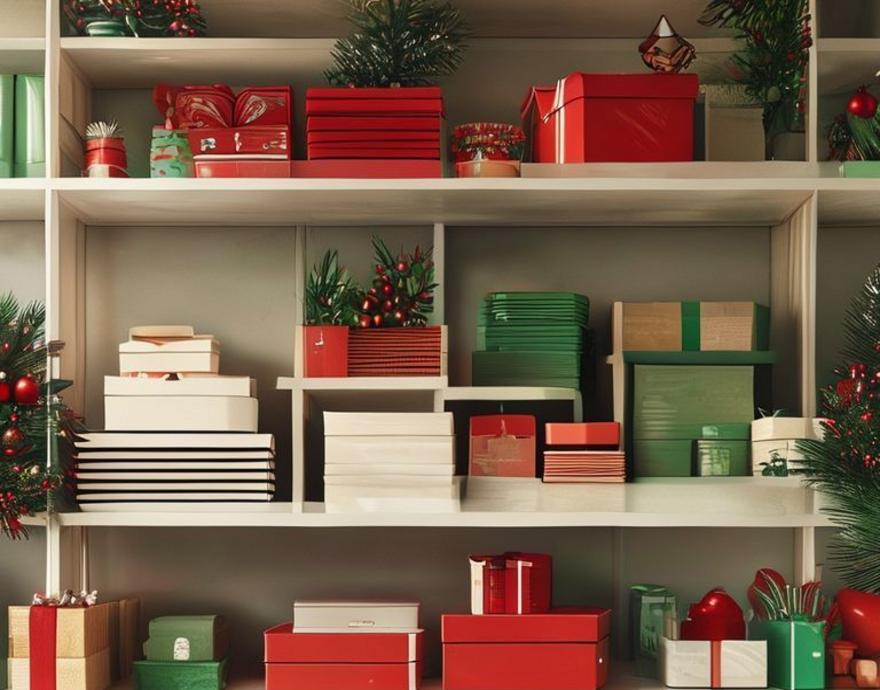
As we bid farewell to yet another year, embracing a fresh start by decluttering our homes doesn’t only mean physical tidying up—it’s a profound way to reset and reboot our emotional and mental well-being. Clearing out holiday clutter can set a vibrant tone for the New Year, harmonizing our environments and influencing how we feel. The art of decluttering not only boosts your mood but is also scientifically shown to lower stress levels and even bolster your health. By discarding what weighs us down, we’re actually making space for the new opportunities the year has in store—both literally and metaphorically.
And hey, if this inspired a cleaning spree but life’s too busy, don’t fret! Wrapping this up, if you’re ready to tackle your home cleaning without the hassle, hit us up at Joy of Cleaning. Book a Cleaning or call (727) 687-2710—we’ve got your back! Follow us on Instagram and Facebook for more fun tips.