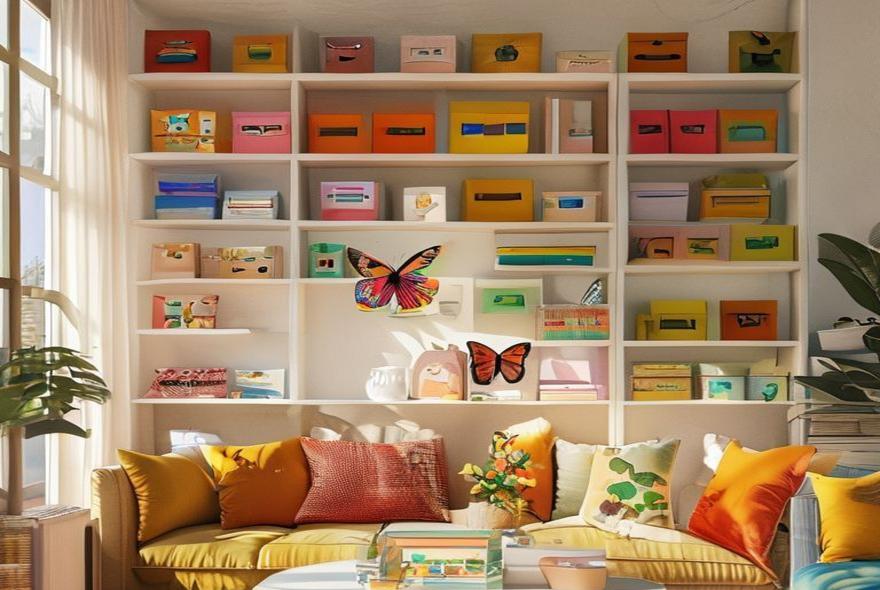
Feeling overwhelmed by the clutter monster? Worry not! The Sunday Butterfly Method is here to make decluttering fun—even for those with ADHD or neurodivergent organizing challenges. This viral method turns cleaning into an enjoyable game, complete with fun cleaning hacks and an invigorating spin on decluttering tips. Imagine mastering the art of tidying with a grin! Inspired by Joy of Cleaning’s expert-approved techniques, you’ll learn how to zap chaos from your life without losing your sanity. Ready to make your space sing with harmony? Let’s dive in!

Key Takeaways
- Transform decluttering into a fun game with the viral Sunday Butterfly Method—no magic wand required!
- Got ADHD? Try the ADHD cleaning approach with neurodivergent organizing to keep your space sparkling.
- Decluttering doesn’t have to be dull—these fun cleaning hacks will prove it.
- The Sunday Butterfly Method breaks big chores into small steps, making tidying a breeze.
- Discover decluttering tips so you can keep your home neat without losing your mind.
- Is clutter claiming your weekends? Conquer it with the Joy of Cleaning-approved techniques!
- For more information, check out these insider decluttering hacks at Example.com.
What Makes the Sunday Butterfly Method So Special for Neurodivergent Minds
You know that overwhelming feeling when you look at your cluttered space and your brain just… freezes? The Sunday Butterfly method is like a breath of fresh air for those of us who struggle with traditional cleaning approaches. This viral technique isn’t just about making decluttering fun—it’s specifically designed with neurodivergent organizing principles in mind. Think of it as ADHD cleaning that actually works with your brain instead of against it.
- Mimics Natural Movement: Just like a butterfly flits from flower to flower, this method lets you move naturally between tasks without the pressure of completing entire rooms at once
- Reduces Decision Fatigue: The Sunday butterfly method breaks down overwhelming choices into manageable micro-decisions, perfect for neurodivergent organizing needs
- Celebrates Small Wins: Every “landing spot” becomes a victory, making decluttering fun through instant gratification and dopamine hits
- Flexible Timing: Unlike rigid cleaning schedules, this approach adapts to your energy levels and attention span on any given Sunday
- Visual Progress: You can literally see the butterfly trail of progress you’ve made, which is incredibly motivating for visual learners
Setting Up Your Sunday Butterfly Flight Plan
Before you start fluttering around your space, let’s talk strategy. The beauty of fun cleaning hacks is that they don’t require expensive tools or complicated systems—just a little preparation and the right mindset. I learned this the hard way after spending years buying organizing products that ended up becoming clutter themselves. Your Sunday butterfly method setup should feel as light and flexible as the method itself.
- Create Your Landing Zones: Identify 5-7 specific areas where you’ll “land” during your decluttering session—could be a bookshelf, kitchen counter, or that dreaded junk drawer
- Gather Simple Tools: All you need is a donation box, trash bag, and maybe a small basket for items that belong in other rooms. Keep it simple!
- Set a Gentle Timer: Start with 15-20 minutes per “landing”—this prevents burnout and keeps the energy light and manageable
- Choose Your Soundtrack: Music or podcasts can make decluttering fun, but pick something that energizes without overwhelming your senses
- Plan Your Route: Map out a logical flow between your landing zones, considering natural pathways through your home
The Magic of Micro-Decisions and Quick Wins
Here’s where the Sunday butterfly method really shines for ADHD cleaning—it’s all about those lightning-fast decisions that keep your momentum going. Traditional organizing advice tells you to handle each item once, but let’s be real, that’s not how our brains work. This method embraces the beautiful chaos of neurodivergent thinking while still getting stuff done. According to recent studies on cognitive load, breaking tasks into smaller decisions actually improves both speed and accuracy.
- The 5-Second Rule: If you can’t decide on an item within 5 seconds, it goes in a “maybe” pile to revisit later—no mental energy wasted on tough calls
- Category Hopping: Unlike traditional methods that focus on one category at a time, butterfly cleaning lets you tackle books, clothes, and papers in the same session
- Progress Snapshots: Take before and after photos of each landing zone—the visual proof of progress makes decluttering fun and motivating
- Energy-Based Decisions: High energy? Tackle that overwhelming closet. Low energy? Maybe just clear off one small surface
- Celebration Breaks: After each landing zone, take a moment to appreciate what you’ve accomplished—this positive reinforcement is crucial for maintaining momentum
Turning Overwhelm into Excitement with Gamification
Let’s face it—traditional cleaning feels like punishment, but what if we could hack our brains to crave it instead? The gamification aspect of fun cleaning hacks transforms your Sunday butterfly sessions from dreaded chores into something you actually look forward to. I’ve watched friends go from cleaning avoiders to weekend warriors just by adding these playful elements to their routine.
- Point System Adventures: Assign points to different types of items—5 points for donations, 10 for trash, 15 for items returned to proper homes
- Beat the Clock Challenges: See how many items you can process in each landing zone within your timer limit, but keep it playful, not stressful
- Treasure Hunt Mentality: Turn finding forgotten items into exciting discoveries—that book you’ve been looking for is like finding buried treasure
- Social Media Accountability: Share your butterfly trail progress with friends or online communities for encouragement and celebration
- Reward Milestones: Set up small rewards for completing certain numbers of landing zones—maybe a favorite snack or episode of a beloved show
Adapting the Method for Different Spaces and Energy Levels
The Sunday butterfly method isn’t one-size-fits-all, and that’s exactly what makes it perfect for neurodivergent organizing. Some days you’re buzzing with energy and ready to tackle major decluttering projects, other days you can barely manage to clear one small surface. Both are totally valid! The key is matching your butterfly flight pattern to your current capacity and space constraints.
- Studio Apartment Butterfly: Create micro-zones within single rooms—one landing might be just the left side of your desk, another could be the top shelf of your bookcase
- Whole House Adventures: Map out a route that takes you through different rooms, spending focused time in each before moving on to maintain that light, flitting energy
- Low Energy Days: Stick to surface-level decluttering—clearing counters, tables, and visible spaces can still make a huge psychological impact
- High Energy Sessions: Dive deeper into drawers, closets, and storage areas, but still maintain the butterfly movement pattern to prevent getting stuck
- Seasonal Adaptations: Adjust your landing zones based on seasonal needs—summer might focus on outdoor gear organization, winter on holiday decoration storage
Building Sustainable Habits That Actually Stick
You know what’s frustrating about most decluttering tips? They work great for a weekend, then everything slides back into chaos by Wednesday. The Sunday butterfly method addresses this by building gentle, sustainable practices that work with neurodivergent brains long-term. We’re not aiming for magazine-perfect spaces—we’re creating systems that support how you actually live and think.
- Weekly Rhythm Development: Use Sundays as your main butterfly session, but incorporate mini-flights throughout the week—even 5 minutes counts
- Habit Stacking: Attach butterfly moments to existing routines, like doing a quick landing zone clear while your coffee brews
- Flexible Consistency: Miss a Sunday? No problem. The method works just as well on Tuesday evenings or Saturday mornings when that’s what your schedule allows
- Progress Documentation: Keep a simple photo journal or notes about what’s working and what isn’t—this helps you refine your personal butterfly style
- Community Building: Connect with others using similar ADHD cleaning approaches for motivation, accountability, and shared celebration of wins
Troubleshooting Common Butterfly Method Challenges
Even the most brilliant fun cleaning hacks come with their hiccups, and the Sunday butterfly method is no exception. The difference is, this approach expects and accommodates the challenges that trip up neurodivergent organizers. Let’s talk about the real stuff—the moments when you get hyperfocused on one tiny area, or when decision paralysis kicks in, or when you find yourself creating new piles instead of actually decluttering.
- Hyperfocus Trap Solutions: Set gentle alarms for each landing zone and remind yourself that “good enough” progress beats perfect organization that never gets finished
- Decision Paralysis Fixes: Create simple rules like “when in doubt, donate” or use the one-year rule for items you haven’t touched recently
- New Pile Prevention: Designate specific homes for your keep, donate, and trash categories before you start, and stick to only these three options
- Energy Crash Management: Build in rest stops between landing zones, and remember that ending early is better than burning out completely
- Perfectionism Battles: Embrace the “butterfly effect”—small changes in organization can create surprisingly big improvements in how your space feels and functions
Advanced Butterfly Techniques for Seasoned Declutterers
Once you’ve mastered the basic Sunday butterfly method, there are some next-level decluttering tips that can take your practice even deeper. These advanced techniques maintain all the fun and flexibility of the original approach while addressing more complex organizing challenges. Think of these as your graduate-level courses in making decluttering fun and sustainable for the long haul.
- Theme-Based Flights: Dedicate entire butterfly sessions to specific themes like “paper products” or “electronics and cords” while still maintaining the movement between spaces
- Seasonal Migration Patterns: Plan quarterly deep-butterfly sessions that focus on seasonal transitions, storage swaps, and major life changes
- Multi-Room Coordination: Create landing zones that specifically address items that need to move between rooms, making your butterfly path a natural redistribution system
- Maintenance Mode Flying: Develop shortened 10-minute butterfly sessions for maintaining spaces you’ve already organized using the method
- Collaborative Butterflies: Adapt the method for family or roommate situations, with each person taking different landing zones or working together on shared spaces
As we wrap up our exploration of making decluttering fun with the Sunday Butterfly Method, we can all agree that transforming the daunting task of tidying up into an enjoyable adventure is a clever twist we can embrace. With a sprinkle of fun cleaning hacks and insights tailored for neurodivergent organizing, especially for those with ADHD cleaning hurdles, you can declutter while actually having a good time. Whether it’s zipping through your spaces on a Sunday afternoon like a vibrant butterfly or leveraging smart decluttering tips, there’s a personalized approach for everyone. The key takeaway here—turning chores into a game is not just doable but delightfully rewarding. Brave the clutter first, and you might just win more than you lose—starting with a cleaner, happier space! Check out this source if you want to dive deeper into these strategies.
And hey, if this inspired a decluttering spree but life’s too busy… you know where to find us. Wrapping this up, if you’re ready to tackle your home cleaning without the hassle, hit us up at Joy of Cleaning. Book a Cleaning online or call us at (727) 687-2710—we’ve got your back! Stay in the loop with more fun tips by following us on Facebook and Instagram. Can’t wait to help make your spaces sparkle!