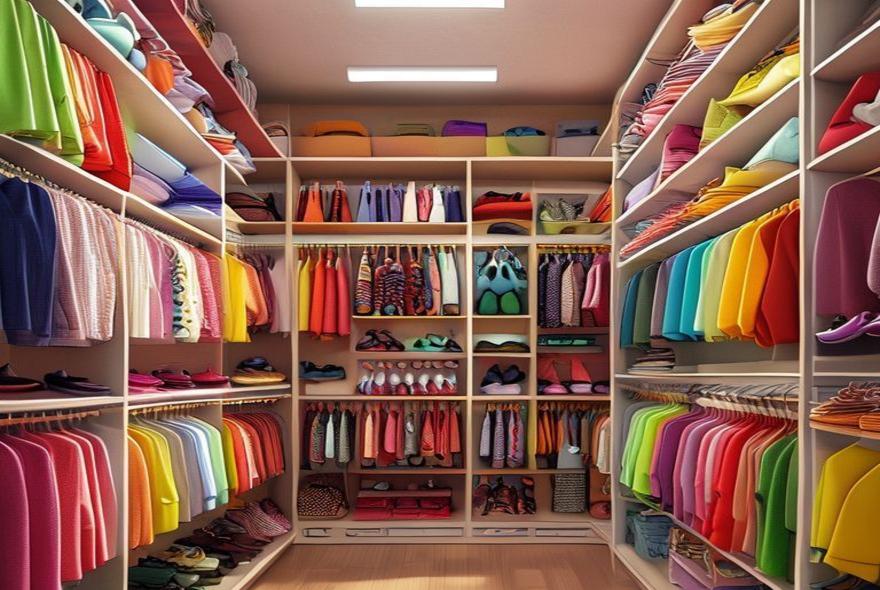
Tired of wrestling your unruly wardrobe every morning? We’ve all experienced the horror of an avalanche of clothes from the closet—or is that just me? Fear not! In our deep dive into Hacks for Maintaining a Tidy Wardrobe All Year-Round, we unlock the secrets of a clean, organized wardrobe. This isn’t just about saying goodbye to chaos; it’s about embracing a stress-free lifestyle. Packed with practical tips and clever hacks, this guide transforms your closet conundrum into a triumph! Ready for some closet zen? Let’s dive in!
Key Takeaways
- Declutter your closet regularly—it’s like hitting the refresh button on your space!
- Organize clothes by season to keep things tidy and accessible year-round.
- Use matching hangers—because your wardrobe deserves to look like a minimalist masterpiece!
- Install closet organizers for that ‘I-have-my-life-together’ vibe.
- Don’t you love multitasking? Use bins and baskets to keep small items in check.
- Rotate your wardrobe—out with the old, in with the ‘I forgot I had this!’
The Foundation: Understanding What Makes a Wardrobe Management System Actually Work
You know that overwhelming feeling when you open your closet and everything just stares back at you in complete chaos? Here’s the thing—most of us approach wardrobe organization completely backwards. We wait until the mess becomes unbearable, then spend entire weekends decluttering, only to watch it all fall apart again within weeks. But what if there was a smarter way? A system focused on preventing the chaos rather than constantly cleaning it up? That’s exactly what effective wardrobe management looks like, and it starts with understanding that your closet problems aren’t really about organization—they’re about decision-making.
- Prevention Beats Perfection: The most successful closet organization tips focus on stopping clutter at the source rather than managing it after it accumulates—think of it as building a filter for your shopping habits rather than a storage system for your mistakes.
- Decision Fatigue is Real: Research shows we make over 35,000 decisions daily, and every cluttered closet adds unnecessary choices that drain our mental energy before we’ve even left the house.
- Small Systems Create Big Changes: Families who implement simple, consistent preventative decluttering methods report 60% less time spent on closet maintenance and significantly reduced stress around getting dressed.
- Climate Considerations Matter: In humid environments, overcrowded closets become breeding grounds for mildew and odors—proper wardrobe management isn’t just about aesthetics, it’s about garment preservation.
- The True Cost of Clutter: Studies indicate that people with organized closets spend 40% less on duplicate purchases and report higher satisfaction with their existing wardrobe pieces.
Smart Shopping Decision Hacks That Transform Your Buying Habits
Let’s talk about where closet chaos actually begins—the moment you decide to purchase something new. Most wardrobe problems aren’t created in your bedroom; they’re created at the store, online, or during those late-night shopping scrolls. The best shopping decision hacks work like a personal filter system, helping you evaluate whether that cute top or those shoes deserve precious real estate in your closet. We think the key is interrupting impulse buying with strategic questions that force you to consider the long-term impact of each purchase.
- The Duplicate Check: Before buying anything, mentally scan your existing wardrobe for similar items—you’d be surprised how often we rebuy variations of things we already own, especially basics like white tees or black pants.
- The Three-Occasion Rule: If you can’t immediately picture three specific times and places you’d wear this item, it’s probably going to become expensive closet decoration that guilts you every time you see it.
- The Lifestyle Reality Test: Ask yourself honestly: does this purchase fit your actual daily life, or are you buying for an imaginary version of yourself who goes to fancy events and has unlimited time for outfit changes?
- The One-In-One-Out Policy: For every new item you bring home, identify something you’ll donate or discard—this keeps your closet size manageable and forces you to really evaluate new additions against current favorites.
- The Cost-Per-Wear Calculation: Divide the price by the realistic number of times you’ll wear it annually—suddenly that $20 impulse buy that you’ll wear twice seems less like a bargain and more like an expensive mistake.
Building an Effective Preventative Decluttering System
Here’s where we get into the nitty-gritty of preventative decluttering—the approach that stops closet chaos before it starts rather than dealing with overwhelming cleanouts later. Think of this as your early warning system for wardrobe overwhelm. Instead of waiting until your closet looks like a hurricane hit it, preventative systems tackle the root causes of clutter accumulation. The beauty of this approach is that it works with your busy schedule rather than against it, requiring just minutes of daily attention instead of marathon weekend organizing sessions.
- Daily Maintenance Habits: Spend just five minutes each evening putting clothes where they belong—hamper for dirty items, hangers for pieces that can be worn again, and immediate removal of anything that doesn’t fit or you’re tired of.
- Weekly Quick Assessments: Once weekly, do a lightning-fast scan while getting dressed—spot anything that hasn’t been touched, needs repair, or makes you feel “meh” every time you see it? Make a mental note for weekend action.
- Monthly Reality Checks: Set a monthly phone reminder to assess what you’ve actually worn versus what’s been hanging untouched—this data helps refine your shopping decisions and identifies pieces ready for donation.
- Seasonal Transitions: Even in warm climates, lifestyle changes create natural decluttering opportunities—back to school, new job, kids growing up—use these moments to reassess what belongs in your current wardrobe.
- The 90-Day Rule: If you haven’t worn something in 90 days and can’t think of a specific upcoming occasion for it, that item is probably taking up space that could be better used by pieces you actually love and wear.
Creating Sustainable Closet Organization Tips for Long-Term Success
You know what separates successful closet organization from those Pinterest-perfect systems that fall apart after two weeks? Sustainability. The most effective closet organization tips aren’t about creating magazine-worthy spaces—they’re about building systems that work with your real life, your actual schedule, and your family’s daily chaos. We’ve seen too many people exhaust themselves creating elaborate organizational systems that require constant maintenance, then feel guilty when they can’t keep up. The secret is designing simplicity into your system from the start.
- Zone-Based Organization: Group similar items together—all pants in one section, tops in another—but don’t get obsessive about subcategories that require too much mental energy to maintain consistently.
- The Visibility Factor: If you can’t see it easily, you won’t wear it—avoid overcrowding hanging space and use clear storage for folded items so everything remains visible and accessible.
- Strategic Storage Solutions: Invest in good hangers that prevent clothes from slipping off, and use shelf dividers to keep folded stacks from becoming toppling towers of frustration.
- Family-Friendly Systems: If you have kids accessing your closet or helping with laundry, make sure your organization system is simple enough for them to follow—complex systems that only work when you’re doing them perfectly are doomed to fail.
- Flexibility Built-In: Life changes, and your closet organization should be able to change with it—avoid systems that are so rigid they can’t accommodate new job requirements, lifestyle shifts, or different seasons of life.
Mastering Year-Round Wardrobe Management in Changing Climates
Living in areas with mild winters and hot summers presents unique wardrobe management challenges that traditional seasonal advice just doesn’t address. You can’t exactly pack away summer clothes for six months when you might need shorts in January, and the concept of “winter wardrobe” becomes pretty meaningless when your heaviest jacket gets worn maybe five times a year. This is where smart wardrobe management becomes less about seasons and more about lifestyle activities and clothing functions.
- Activity-Based Categories: Instead of seasonal sorting, organize by function—work clothes, weekend casual, exercise wear, special occasions—this makes more sense when weather is consistently warm with minor variations.
- Humidity Considerations: In humid climates, overcrowded closets become moisture traps that can damage clothes and create odor problems—proper spacing and ventilation become crucial parts of your organization system.
- Fabric Priority Management: Natural, breathable fabrics take priority in warm climates, which means your polyester pieces might get less wear—factor this reality into your purchasing and storage decisions.
- Beach and Pool Lifestyle Integration: If you live near water, swimwear and cover-ups can easily multiply beyond reason—apply the same scrutiny to these items as you would to any other clothing category.
- Professional vs. Casual Balance: Many warm-climate jobs are more casual, but you still need some professional pieces—maintain the right balance without overbuying in either category based on your actual work requirements.
Advanced Strategies for Maintaining Long-Term Wardrobe Success
Once you’ve got the basics of preventative decluttering and smart shopping down, it’s time to talk about the advanced strategies that separate temporary success from lasting transformation. These are the techniques that help you maintain your organized closet through life changes, busy periods, and those inevitable moments when you fall off the wagon for a few weeks. The goal isn’t perfection—it’s resilience and the ability to quickly get back on track when life gets chaotic.
- The Photo Documentation Method: Take before and after photos of your organized closet, and monthly photos to track how well you’re maintaining the system—visual evidence is powerful motivation and helps you spot problems before they become overwhelming.
- Shopping List Strategy: After each seasonal assessment, create a specific list of what you actually need versus what you think you want—having this list prevents impulse purchases and ensures new items serve real purposes.
- The Outfit Planning Advantage: Spend a few minutes weekly planning outfits for important events or busy days—this prevents last-minute panic shopping and helps you identify gaps in your wardrobe before they become urgent problems.
- Cost Tracking for Accountability: Keep a simple record of what you spend on clothes monthly and what you donate or discard—seeing these numbers helps you understand your patterns and make better decisions.
- Support System Integration: Share your wardrobe goals with family members or friends who can help you stay accountable—having someone to text when you’re tempted by an impulse purchase can be surprisingly effective.
Troubleshooting Common Setbacks and Staying Motivated
Let’s get real about the obstacles that trip up even the most well-intentioned wardrobe management efforts. Every family hits roadblocks—sales that tempt you away from your shopping rules, gifts that don’t fit your system, or just those weeks when life gets so busy that clothes pile up faster than you can deal with them. The difference between long-term success and giving up entirely is having strategies ready for these predictable challenges and understanding that setbacks are normal parts of the process, not signs of failure.
- The Sale Trap Recovery: When you’ve bought something on sale that doesn’t pass your usual criteria, don’t compound the mistake by keeping it out of guilt—return it if possible, or donate it quickly rather than letting it become a closet reminder of poor judgment.
- Gift Diplomacy: Well-meaning relatives and friends sometimes give clothes that don’t work for your lifestyle or taste—remember that gratitude doesn’t require keeping everything, and it’s okay to pass along items that don’t serve your family.
- Busy Period Management: When work, school, or family demands make daily maintenance impossible, focus on damage control—keep dirty clothes in the hamper and clean clothes hung up, even if everything else gets temporarily chaotic.
- Motivation Renewal Techniques: When you start losing steam with your system, revisit your original reasons for wanting an organized closet—less stress, easier mornings, better use of space—and celebrate the progress you’ve made rather than focusing on remaining imperfections.
- System Evolution: Your wardrobe management system should grow and change with your life—new job, kids growing up, lifestyle changes all require adjustments to your approach rather than rigid adherence to original rules that no longer fit your reality.

Maintaining a tidy wardrobe all year-round doesn’t have to be an insurmountable challenge. With a few clever hacks, like seasonal rotations and the magical ‘one-in-one-out’ rule, you’ll be well on your way to wardrobe bliss. These practical tips help keep chaos at bay and ensure your closet remains a stress-free zone. Let’s not forget the power of organizing tools and efficient storage solutions that make accessing your attire a daily joy. By implementing these strategies, you’ll transform your wardrobe from a tangled mess into a harmonious storage haven, bringing calm to your mornings and making that ‘What should I wear?’ dilemma a thing of the past.
And hey, if this inspired a cleaning spree but life’s too busy, don’t sweat it! Wrapping this up, if you’re ready to tackle your home cleaning without the hassle, hit us up at Joy of Cleaning. Book a Cleaning online or call (727) 687-2710—we’ve got your back! Follow us on Instagram and Facebook for more fun tips and to keep your home sparkling all year round.