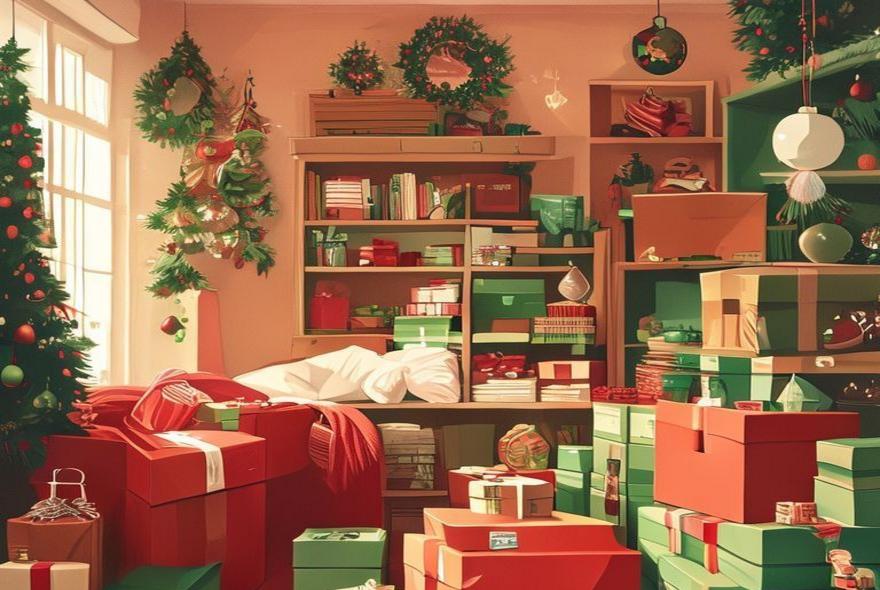
Are your shelves buckling under the weight of countless dusty books and never-played games? It’s time for a reimagining! Dive into our foolproof hacks for curating a personal entertainment collection that sparks joy. Whether you’re a bookworm or a game guru, we’ll help you cut the clutter without sacrificing your favorite things. Ever thought, ‘What if there was a way to keep only what I truly adore?’ Well, let’s dive into that rabbit hole of insight and discover how to make your collection truly yours. Ready? Game on!
Key Takeaways
- Streamline your entertainment area by focusing on books and games you truly love.
- Cut down on clutter by identifying what sparks joy in your collection.
- Learn how to reimagine your space without losing your favorite pastimes.
- Discover the art of keeping only what’s meaningful—we’re talking quality over quantity!
- Say goodbye to unused items and hello to a collection that reflects you.
- Plus, find out why curating isn’t just for museums—make it your personal hobby!
Building Your Personal Entertainment Collection From Scratch
You know that feeling when you walk into someone’s home and their bookshelf just makes sense? Every title seems hand-picked, every game looks loved, and nothing feels like random filler. That’s what we’re aiming for here—curating a personal entertainment collection that genuinely reflects who you are, not who you think you should be. Whether you’re starting fresh or trimming down an overwhelming collection, the key is focusing on books and games that bring genuine joy rather than just filling space.
- Quality Over Quantity Mindset: A smaller, well-curated collection of 50 beloved books beats 200 titles you’ll never touch—your entertainment area should inspire you, not intimidate you.
- Personal Interest Alignment: Choose items that match your actual reading and gaming habits, not aspirational versions of hobbies you might pursue someday but probably won’t.
- Space-to-Value Ratio: Every book or game should earn its spot by being something you’d genuinely recommend to a friend or revisit yourself.
- Seasonal Rotation Strategy: Consider keeping a core collection visible while storing seasonal or mood-dependent items that can be rotated in and out based on your current interests.
- Discovery vs. Comfort Balance: Maintain a mix of familiar favorites and new discoveries to keep your collection dynamic without becoming overwhelming.
The Art of Decluttering Books Without Guilt
Let’s address the elephant in the room—getting rid of books feels almost sacrilegious, doesn’t it? We’ve been conditioned to believe that owning books makes us smarter, more cultured, or more interesting. But here’s the truth: books you don’t read aren’t serving anyone, especially not you. Cutting down on clutter means being honest about which books genuinely deserve space in your life versus which ones you’re keeping out of obligation or fantasy.
- The Realistic Re-read Test: Be brutally honest about whether you’ll actually re-read that novel or reference that cookbook again—most books are one-time experiences, and that’s perfectly fine.
- Digital Alternative Assessment: Many books you’re holding onto “for reference” are easily accessible online or through library systems, making physical ownership unnecessary for occasional use.
- Gift Book Evaluation: Books received as gifts carry emotional weight, but keeping unread books doesn’t honor the giver’s intention—they wanted to bring you joy, not create obligation.
- Genre Evolution Recognition: Your reading tastes change over time, and it’s okay to release books from phases you’ve outgrown rather than treating them as permanent fixtures.
- Condition and Care Reality: Books that are damaged, outdated, or in poor condition aren’t worth preserving unless they have genuine sentimental or monetary value.
Game Collection Curation: Quality Over Quantity
Games are tricky because they represent potential fun—that board game might be perfect for the right group, that video game could be exactly what you need during your next free weekend. But potential isn’t the same as reality, and games that never get played are just expensive dust collectors. Your entertainment area should showcase games that actually get used, not create a museum of good intentions.
- Player Count Reality Check: Keep games that match your actual social situations—if you rarely have four people available, that strategy game requiring exactly four players is probably not serving you well.
- Time Commitment Assessment: Honestly evaluate whether you have the time and patience for complex games that require hours to complete, especially if simpler options provide similar enjoyment.
- Age and Interest Appropriateness: Games should match the current interests and abilities of the people who’ll actually play them, not represent who they were years ago or might become.
- Duplicate Function Elimination: Multiple games that serve the same social function or scratch the same entertainment itch create unnecessary decision fatigue when choosing what to play.
- Maintenance and Component Check: Games with missing pieces, damaged boards, or components that require constant repair aren’t worth keeping unless they’re truly irreplaceable favorites.
Creating Functional Display and Storage Solutions
Once you’ve curated your collection down to items that genuinely spark joy, the next challenge is displaying and storing them effectively. Your entertainment area should be both beautiful and functional—easy to browse, simple to maintain, and organized in a way that encourages actual use rather than just looking impressive. The goal is creating a system that works with your habits, not against them.
- Accessibility Prioritization: Place frequently used items at eye level and within easy reach, while storing occasional-use items in less prime real estate to maximize convenience.
- Visual Organization Systems: Group similar items together and consider organizing by frequency of use, genre, or size rather than strict alphabetical order that might not match your browsing patterns.
- Multi-Purpose Furniture Integration: Choose storage solutions that serve multiple functions, like ottomans with storage or coffee tables with built-in shelving, to maximize your space efficiency.
- Climate and Care Considerations: Protect your collection from direct sunlight, moisture, and temperature fluctuations that can damage books and games over time, ensuring longevity of items you’ve chosen to keep.
- Growth Space Planning: Leave room for new additions without overcrowding, allowing your collection to evolve naturally without requiring complete reorganization every few months.
Digital vs. Physical: Finding Your Perfect Balance
We’re living in a hybrid world where entertainment comes in both digital and physical formats, and finding the right balance for your lifestyle is crucial. Some people are die-hard physical media collectors, others have gone completely digital, but most of us fall somewhere in between. The key is being intentional about which format serves you better for different types of content, rather than defaulting to one or the other out of habit.
- Usage Pattern Analysis: Track how you actually consume entertainment—if you primarily read on devices or stream content, physical collections might be more decorative than functional in your daily life.
- Portability and Convenience Factors: Consider whether you need access to your entertainment collection while traveling or in multiple locations, which strongly favors digital formats for practical reasons.
- Sensory Experience Preferences: Some people genuinely enjoy the tactile experience of physical books or the ritual of board game setup, while others find digital options more convenient and satisfying.
- Space and Budget Constraints: Physical collections require storage space and often cost more upfront, while digital collections need reliable internet and compatible devices but offer more flexibility.
- Sharing and Social Considerations: Physical items can be loaned to friends or used in group settings more easily, while digital collections often have sharing restrictions but offer instant access.
Maintaining Your Curated Collection Over Time
Creating a perfectly curated entertainment collection isn’t a one-time project—it’s an ongoing process that requires regular attention and honest evaluation. Your interests evolve, your living situation changes, and new items will inevitably enter your space. The goal is establishing sustainable habits that prevent your carefully curated collection from gradually expanding back into overwhelming clutter.
- Regular Review Scheduling: Set quarterly or bi-annual reviews to assess whether items are still serving your current interests and lifestyle, making small adjustments before major decluttering becomes necessary again.
- One-In-One-Out Policy: For every new book or game you acquire, consider releasing something else to maintain your collection size and prevent gradual expansion beyond your ideal limits.
- Gift Management Strategy: Develop a plan for handling entertainment gifts that don’t align with your collection goals, whether through graceful returns, regifting, or donation without guilt.
- Interest Evolution Acceptance: Allow your collection to change as you grow and change, rather than feeling obligated to maintain items that no longer reflect your current self or interests.
- Quality Control Maintenance: Regularly assess the physical condition of your collection and make decisions about repair, replacement, or release based on actual usage and sentimental value.
Budget-Friendly Ways to Refresh Your Entertainment Collection
Curating a personal entertainment collection doesn’t have to break the bank, especially when you’re focusing on quality over quantity. There are countless ways to discover new books and games without paying full retail price, and being strategic about your acquisition methods can actually lead to better curation decisions. When you invest time in finding deals, you’re more likely to be intentional about what you bring into your collection.
- Library and Community Resources: Use libraries for trial runs—borrow books or check out their game collections to test items before committing to ownership, ensuring you only buy what you’ll genuinely use multiple times.
- Second-Hand and Thrift Shopping: Explore used bookstores, thrift shops, and online marketplaces for quality items at fraction of retail cost, often discovering out-of-print gems that add unique character to your collection.
- Swap and Trade Communities: Join local or online book and game trading groups where you can exchange items you’ve finished enjoying for new-to-you entertainment without spending money.
- Seasonal Sales and Clearances: Time purchases around major sales events, but only for items you’ve already identified as wanting—don’t let good deals drive impulse additions to your collection.
- Subscription and Rental Services: Consider temporary access through subscription services for items you might enjoy once but don’t need to own permanently, keeping your physical collection focused on true favorites.
Creating a Collection That Reflects Your Authentic Self
At the end of the day, your entertainment collection should tell the story of who you actually are, not who you think you should be or who you were five years ago. This means letting go of books you bought because they made you look intellectual, games you acquired because they were highly rated but don’t match your style, and anything else that feels like it belongs to someone else’s ideal life rather than your real one.
- Authentic Interest Assessment: Keep only items that genuinely excite you or that you’d enthusiastically recommend to friends, releasing anything you feel neutral or negative about regardless of its perceived value.
- Lifestyle Integration Reality: Choose entertainment that fits your actual schedule, energy levels, and social situations rather than aspirational versions of how you wish you spent your free time.
- Personal Growth Documentation: Allow your collection to evolve as you grow, treating changes in taste as positive development rather than failure or inconsistency that needs to be hidden.
- Social Pressure Resistance: Resist keeping items because they’re classics, bestsellers, or highly recommended if they don’t personally resonate with you—your collection should serve you, not impress others.
- Joy and Satisfaction Focus: Prioritize items that bring genuine happiness, relaxation, or engagement over those that feel like obligations or improvements you think you need to make.

In wrapping up our journey through the nuances of curating a personal entertainment collection, the key is to focus on pieces that truly spark joy, be it books or games. Consider adopting a mindful approach to your collection by regularly weeding out items that no longer resonate with your current interests, making space for things that do. This not only reduces clutter but also ensures your entertainment area feels like a haven of joy personalized to your tastes. Remember, a well-curated collection isn’t about quantity but quality, cultivating an environment that reflects your unique style.
And hey, speaking of tidying things up—if this inspired a cleaning spree but life’s just too hectic, reach out to Joy of Cleaning! We’re here to make cleaning as enjoyable as your freshly curated entertainment space. Book a Cleaning today or give us a ring at (727) 687-2710. We’ve got your back, whether you need a light spruce-up or a full deep clean. For more fun and tips, follow us on Facebook and Instagram. Let’s keep the joy flowing!