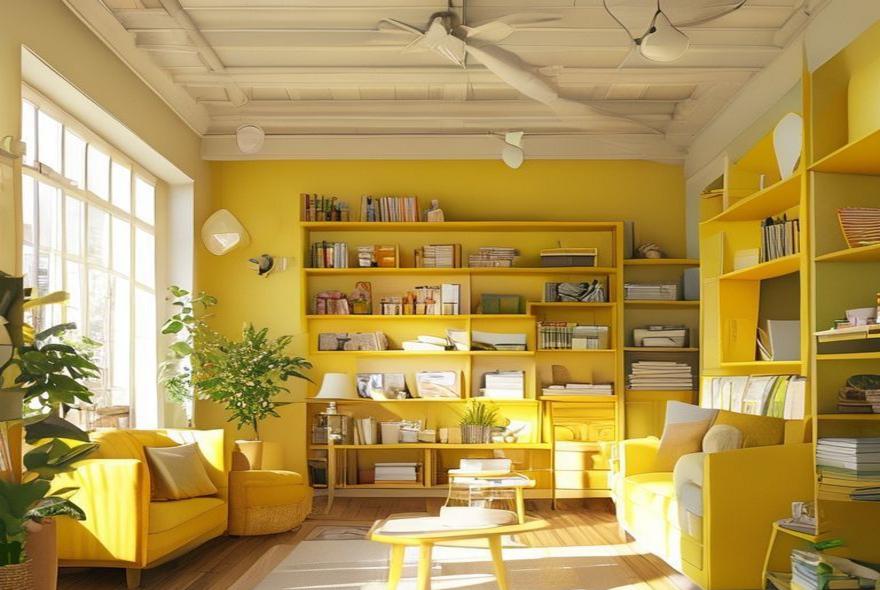
Feeling like your life’s a never-ending episode of “Hoarders”? Don’t worry, you’re not alone! In our blog, ‘Hacks for a Stress-Free Decluttering Experience’, discover creative and time-saving tips for tackling clutter that’s breeding like rabbits. We’ve scoured sources for mind-blowing insights and practical hacks to make decluttering feel less like a chore and more like therapy (minus the crying). Whether you’re elbow-deep in old tax documents or just trying to find the kitchen counter, we’ve got the strategies to help you start—and stick—with the process. Ready to declutter like a pro?
Key Takeaways
- Kickstart your decluttering journey without breaking a sweat using our top clutter-busting hacks.
- Seriously, decluttering doesn’t have to be a chore—learn to love the process with these creative tips.
- Drowning in stuff? Discover time-saving ways to simplify your space and your life.
- Feeling overwhelmed by clutter? We’ve got solutions that make the process feel anything but daunting.
- Ready for a fresh start? These hacks let you focus on what’s important without the stress.
- Master the art of decluttering and kick clutter to the curb once and for all.
Understanding Why Traditional Decluttering Methods Leave You Defeated
You know that overwhelming feeling when you decide “today’s the day” to tackle your entire house, only to find yourself three hours later surrounded by even more chaos than when you started? Here’s the thing—most decluttering approaches set us up for failure from the get-go. The traditional “blitz the whole house in a weekend” method sounds great in theory, but in reality, it’s a recipe for burnout and frustration. We think the problem isn’t your motivation or willpower; it’s the method itself.
- Decision Overload Crisis: When you try to declutter multiple areas at once, your brain hits decision fatigue within hours, making every choice feel impossibly difficult
- The Perfectionism Trap: All-or-nothing approaches create pressure to achieve magazine-worthy results, leading to disappointment when real life gets in the way
- Family Resistance Factor: When you disrupt everyone’s routine with a massive decluttering marathon, you’re fighting an uphill battle against household habits and schedules
- Maintenance Mythology: Methods that create dramatic overnight transformations often ignore the reality of maintaining progress—leaving you right back where you started within weeks
- Energy Depletion Effect: Intensive decluttering sessions exhaust your mental and physical energy, making it nearly impossible to establish the consistent habits needed for long-term success
The Science Behind Bite-Sized Decluttering Success
Here’s where things get interesting—there’s actual psychology behind why breaking decluttering into manageable chunks works so much better than marathon sessions. Research shows our brains are wired to respond positively to small, consistent wins rather than overwhelming challenges. When you tackle just one area per day, you’re working with your natural cognitive patterns instead of fighting against them. This approach to decluttering without overwhelm isn’t just easier; it’s scientifically smarter.
- Dopamine Reward System: Completing one focused area triggers your brain’s reward center, releasing feel-good chemicals that motivate you to continue the next day
- Cognitive Load Management: Limiting decisions to one space prevents mental fatigue and keeps your judgment sharp throughout the entire process
- Habit Formation Sweet Spot: Five consecutive days of focused action creates neural pathways without triggering the resistance that longer commitments often generate
- Visual Progress Psychology: Seeing one completely transformed space provides more motivation than partial progress across multiple areas—your brain craves completion
- Sustainable Change Biology: Gradual improvements allow your stress hormones to remain balanced, preventing the fight-or-flight response that makes us want to quit challenging tasks
Day One Deep Dive: Mastering Your Home’s Mission Control
Let’s talk about why starting with kitchen and dining areas is pure genius. These spaces are like the heartbeat of your home—when they’re chaotic, everything feels off-kilter, but when they’re organized, suddenly your whole house seems more manageable. The kitchen counter is probably the most used surface in your entire home, which means it’s also the fastest to accumulate random stuff. Today’s mission in your decluttering journey focuses on creating systems that will prevent future pile-ups while giving you that instant gratification of clear, functional spaces.
- The Counter Psychology Method: Clear counters signal to your brain that the space is ready for action, reducing daily stress and making meal prep actually enjoyable instead of frustrating
- Paper Trail Elimination: Create a mail processing station with immediate action steps—no more mysterious paper piles that seem to reproduce overnight on your dining table
- Appliance Reality Check: Keep only appliances you’ve used in the past month on counters; everything else earns storage space by proving its worth through actual use
- Family Command Center Setup: Designate specific zones for keys, charging stations, and daily essentials so everyone knows exactly where things belong
- Evening Reset Ritual: Spend just five minutes before bed clearing surfaces—this single habit prevents tomorrow’s clutter from building on today’s clean slate
Day Two Strategy: Transforming Your Bedroom Into an Actual Retreat
Your bedroom should be a sanctuary, not a storage unit that happens to have a bed in it. We’ve all been there—clothes draped over every surface, nightstands buried under random items, and that chair that’s become a permanent wardrobe fixture. Day two of this method focuses on creating breathing room in your most personal space. The goal isn’t to achieve hotel-level perfection; it’s to create a peaceful environment that actually supports rest and relaxation instead of adding to your daily stress load.
- The Famous Chair Liberation: You know that chair—the one buried under clothes that may or may not be clean. Clear it completely and commit to actually using it for sitting, not storage
- Nightstand Minimalism: Keep only true necessities within arm’s reach of your bed—lamp, current book, water, phone charger. Everything else finds a proper home elsewhere
- Surface Sanctuary Rule: Clear all horizontal surfaces and be ruthless about what earns the right to stay visible. Dresser tops aren’t dumping grounds for random daily items
- Under-Bed Audit: Pull everything out from under your bed and be honest about what’s actually storage versus what’s just stuff that got kicked under there over time
- Morning Momentum Habit: Make your bed every morning and do a quick surface sweep—this simple routine maintains your progress and starts each day with a small win
Day Three Focus: Reclaiming Your Living Space for Actual Living
The living room is where life happens—movie nights, homework sessions, family conversations, and somehow, the mysterious migration of items from every other room in your house. This space probably sees the most daily chaos, which makes it both challenging and incredibly rewarding to organize. The key to success here isn’t creating a museum-perfect showroom; it’s establishing systems that support your family’s real-life activities while keeping clutter from taking over your relaxation zone.
- Coffee Table Command: Start with your coffee table and side tables—these surfaces should serve your daily activities, not become permanent storage for random items that have nowhere else to go
- Couch Archaeology Project: Flip those cushions and retrieve whatever treasures have accumulated underneath. You might find loose change, missing remotes, or items that wandered away from their proper homes
- Entertainment Zone Editing: Tackle the area around your TV and entertainment center—old DVDs you never watch, tangled cables, gaming equipment gathering dust. Keep what serves your current lifestyle
- Strategic Basket Placement: Position attractive storage baskets in key locations for quick cleanup—kids’ toys, throw blankets, magazines all need designated landing spots
- Nightly Reset Routine: Before bed, spend ten minutes returning items to their homes and straightening cushions. This prevents tomorrow’s mess from building on today’s clean space
Day Four Mission: Bathroom Transformation That Actually Lasts
Bathrooms might be the smallest rooms in your house, but they sure know how to pack in the clutter, don’t they? Between expired products, duplicate items, and things that somehow migrated from other rooms, your bathroom might feel more like a storage closet than a refreshing space. Day four proves that small spaces can deliver big impact when you focus your energy strategically. You’ll be amazed how much more spacious and spa-like your bathroom feels when every item has earned its place.
- Expiration Date Reality Check: Go through medicine cabinet and drawers ruthlessly—expired medications and old cosmetics aren’t just clutter, they’re potentially unsafe taking up valuable space
- Counter Space Recovery: Clear bathroom counters except for absolute daily essentials. Multiple bottles of similar products and random items that don’t belong can find better homes
- Shower Inventory Audit: Remove everything from your shower and tub area, then only return products you’ve actually used recently. Ancient shampoo bottles and mystery products can go
- Towel Logic Assessment: Keep only towels and washcloths in active rotation. That stack of mismatched towels “just in case” is preventing you from using your storage space effectively
- Under-Sink Organization: Sort everything under your bathroom sink using bins or containers to group similar items and make everything visible and accessible when you need it
Day Five Excellence: Creating an Entryway That Actually Functions
Your entryway is the transition zone between the outside world and your peaceful home, but it’s probably where organization goes to die, right? Whether you have a grand foyer or just a small space by your front door, this area sets the tone for your entire house. Day five focuses on transforming this crucial space into a functional launching pad that supports your family’s daily routines instead of creating morning chaos when you’re trying to find keys, shoes, or that jacket you need.
- Shoe Pile Solution: Address the shoe situation that seems to multiply overnight—keep only regularly worn pairs by the door and create a logical system for everything else
- Coat and Bag Organization: Install hooks or designate space for frequently used jackets and bags, while seasonal items find homes in actual closets where they belong
- Essential Item Station: Create specific spots for keys, sunglasses, and other grab-and-go necessities so they never disappear into the house void again
- Surface Management: Keep entryway surfaces mostly clear with just one or two intentional items—resist the temptation to use this space as a dumping ground for mail and packages
- Daily Departure Routine: Before leaving each morning, do a quick entryway scan to hang up items and clear any overnight accumulation that might build up
Customization Strategies for Your Unique Situation
Here’s the beautiful thing about this approach—it’s flexible enough to work with your specific circumstances while maintaining its effectiveness. Not every family lives in the same type of space or deals with the same challenges, and that’s exactly why rigid organizing systems often fail. Maybe you’re working with a tiny apartment where rooms serve multiple functions, or perhaps you have teenagers who seem to generate clutter faster than you can address it. The core principles adapt to your reality without losing their power.
- Small Space Modifications: In apartments or compact homes, combine logical areas—kitchen and dining together, or bedroom and bathroom in one focused session while maintaining the daily rhythm
- Large Home Adaptations: Break bigger houses into manageable sections—main floor one day, upstairs bedrooms another, keeping each day’s task achievable rather than overwhelming
- Schedule Integration: Adjust timing based on your family’s natural rhythm—weekend warriors can tackle larger areas, while weekday preferences might mean shorter evening sessions
- Seasonal Adjustments: Let current needs guide priorities—winter might emphasize entryway organization for boots and coats, while summer focuses on outdoor gear management
- Energy Level Awareness: Start with the area that bothers you most when your motivation is highest—success in your biggest pain point creates momentum for everything else
Long-Term Success: Making Your Progress Stick
You’ve completed your five-day transformation and your home feels amazing—but how do you keep it this way? The maintenance phase is where most people stumble, but it doesn’t have to be complicated or overwhelming. The secret to lasting results isn’t perfection; it’s consistency with small, manageable habits that prevent chaos from creeping back in. Think of it as preventive medicine for your home—much easier than treating a full-blown clutter emergency later.
- One-Touch Principle: When you pick something up, deal with it completely rather than just moving it to another surface—this single habit prevents the shuffling that creates new piles
- Weekly Maintenance Sessions: Schedule brief 15-minute resets in each area weekly—much easier to maintain progress than start over when things get chaotic again
- Family System Development: Create simple, sustainable systems that work for everyone in your household, with designated spots that even children can follow successfully
- Monthly Progress Reviews: Once monthly, walk through using your five-day focus areas as a checklist—catch small accumulations before they become overwhelming situations
- Seasonal Refreshers: Every few months, repeat the full process as a tune-up for your organization systems—keeping everything running smoothly and preventing major backslides
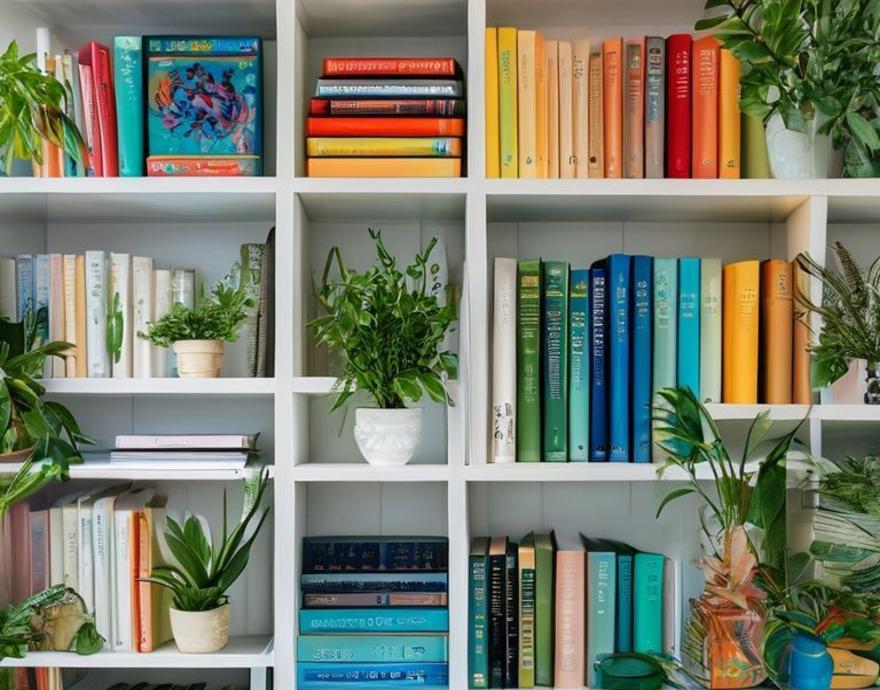
So, there you have it—a treasure trove of tricks for transforming your cluttered chaos into a serene sanctuary. Kicking off decluttering with bite-sized goals and a little reward system can make the process feel less daunting and much more rewarding. Remember, it’s all about starting slowly and maintaining the momentum, leaning into creative storage solutions that double up as decor, and waving goodbye to items that no longer spark joy (or at least utility). By tackling clutter with these stress-free hacks, you’ll find your living space—and your mind—a whole lot clearer.
And hey, if this inspired a tidying tornado but your to-do list is longer than a shopping receipt for a big holiday meal, maybe it’s time for a little help. Wrapping this up, if you’re ready to tackle your home cleaning without the hassle, hit us up at Joy of Cleaning. Book a Cleaning online or give us a call at (727) 687-2710—we’ve got your back! Plus, follow us on Facebook and Instagram for more fun tips, tricks, and a dash of cleanliness inspiration!