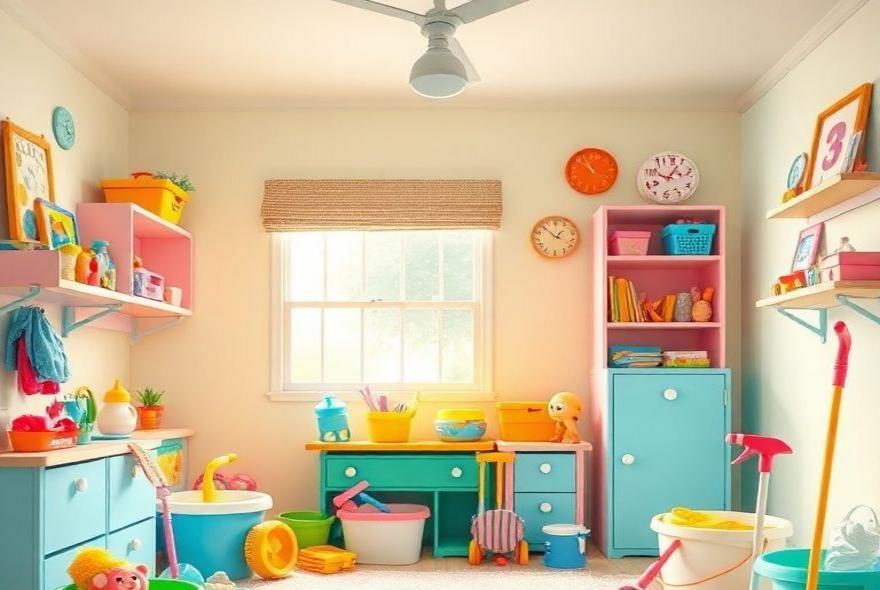
Tired of cleaning chaos in kid-central? Fear not! This post unveils hacks for a kid-friendly cleaning routine, transforming cleaning from a dreaded chore into a family-friendly, interactive experience. With practical hacks that align with your family’s lifestyle, we’re talking less fuss, more fun! Curious about how a tiny pair of hands can help get those surfaces sparkling? We’ve got you. Discover secrets to keeping your home tidy without breaking a sweat or your sanity. Ready to dive into a mess-free adventure? Let’s tidy up, family style!
Key Takeaways
- Tired of tantrums over tidying? Transform chores into a fun family activity!
- Discover cleaning hacks that even your kids will love to do.
- Align cleaning routines with your family’s lifestyle—no fuss, no muss.
- Unleash the power of games and rewards to motivate kids to clean.
- Teach your kids small habits that make big differences in tidiness.
- Turn ‘ugh, chores!’ into ‘yay, team effort!’ with these strategies.
- Find ways to balance a clean home and family fun without strife.
The Psychology Behind Kid-Friendly Cleaning Success
You know that look kids get when you mention cleaning time? That deer-in-headlights expression followed by sudden amnesia about where they left their toys? Here’s the thing—it’s not defiance, it’s psychology. Understanding how children’s minds work is the secret sauce to creating a kid-friendly cleaning routine that actually sticks. Kids don’t naturally see cleaning as punishment unless we accidentally frame it that way. Their brains are wired for exploration, play, and immediate gratification, which means we need to work with these tendencies rather than against them.
- Leverage their natural curiosity: Instead of saying “go clean your room,” try “I wonder how many stuffed animals we can rescue from under your bed today?”—this transforms cleaning into an adventure rather than a chore.
- Work with short attention spans: Kids can focus intensely, but not for long periods—break cleaning tasks into 5-10 minute bursts with clear, achievable goals that provide quick wins and momentum.
- Tap into their desire for autonomy: Even toddlers want to feel capable and independent, so frame cleaning as “big kid” responsibilities rather than tasks they have to do because they’re too young to choose.
- Use their love of repetition: Children find comfort in predictable routines, so once you establish cleaning patterns, they’ll often continue them automatically without constant reminders.
- Harness their social nature: According to child development research, kids are naturally motivated by contributing to their family’s wellbeing—emphasize how their help makes everyone’s life better and more comfortable.
Creating Visual Systems That Make Cleaning Crystal Clear
We think one of the biggest reasons kids struggle with cleaning is that they literally can’t see what “clean” looks like until they’ve learned to recognize it. Adults take for granted that we know a organized bookshelf should have books lined up neatly, or that “putting away toys” means everything goes in its designated spot. But for kids, these concepts aren’t automatic—they need visual guides that show exactly what success looks like. The good news? Once you create these visual systems, they work like magic.
- Take “after” photos of clean spaces: Print and post pictures showing what each area should look like when properly organized—kids can compare their current progress to the target image and adjust accordingly.
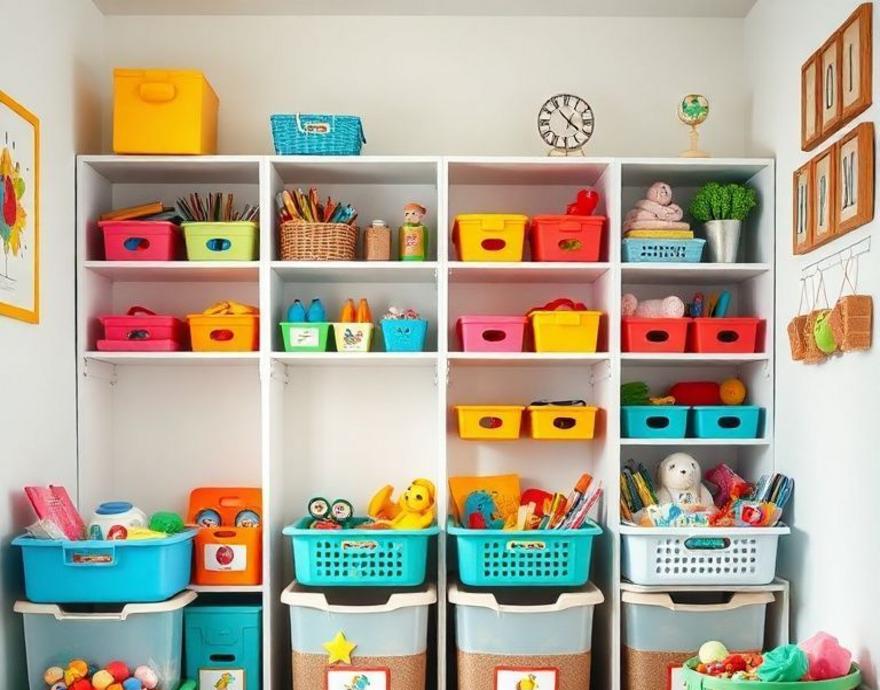
- Use color-coding systems: Assign specific colors to different types of items or family members—blue bins for building blocks, red baskets for dress-up clothes, green containers for art supplies.
- Create simple checklists with pictures: For non-readers, combine images with words so they can independently follow cleaning steps without constantly asking “what’s next?” or “am I done?”
- Label everything clearly: Use both words and pictures on storage containers, drawers, and shelves so kids know exactly where items belong and can put things away without guessing.
- Design progress tracking charts: Visual representations of completed tasks give kids the same satisfaction as checking off items on adult to-do lists—they can see their accomplishments accumulating over time.
The Art of Making Mundane Tasks Feel Magical
Here’s where creativity meets practicality in the most delightful way. The difference between a kid who grumbles through cleaning and one who eagerly tackles household tasks often comes down to storytelling and imagination. Children naturally live in worlds where anything is possible, so why not invite that magical thinking into cleaning time? When you transform ordinary tasks into extraordinary adventures, you’re not just getting things clean—you’re building positive associations that will last for years.
- Develop themed cleaning adventures: Turn dusting into “defeating dust bunnies,” organizing into “treasure sorting expeditions,” or vacuuming into “monster capture missions” where dirt and debris become the villains to vanquish.
- Create cleaning “spells” and rituals: Teach kids special ways to approach tasks—maybe they have to spin three times before organizing books, or say magic words while wiping surfaces to make them extra sparkly.
- Introduce cleaning “tools of power”: Regular spray bottles become “sparkle wands,” microfiber cloths transform into “dust-catching capes,” and vacuum cleaners evolve into “mess-eating dragons” that need feeding.
- Build in discovery elements: Hide small surprises in areas that need cleaning, or create mystery challenges where kids have to solve puzzles related to organizing specific spaces or finding misplaced items.
- Celebrate transformation moments: Make a big deal about the dramatic changes that happen during cleaning—take before and after photos, do reveal ceremonies, and acknowledge their “magical” abilities to transform chaos into order.
Music and Movement: Your Secret Weapons
Nothing transforms the energy of a space quite like the right soundtrack, and when it comes to kid-friendly cleaning routines, music might just be your most powerful tool. You know how certain songs can instantly change your mood or make you want to dance? That same principle works wonders for cleaning motivation. Kids respond naturally to rhythm and beat, and when you combine music with movement, even the most reluctant cleaners often find themselves swept up in the energy.
- Create cleaning playlists for different moods: Upbeat pop songs for high-energy organizing sessions, calming instrumental music for detailed tasks like sorting, and silly children’s songs for younger kids who need extra encouragement to participate.
- Use songs as natural timers: “Let’s see if we can put away all the blocks before this song ends” creates urgency without pressure—kids love racing against familiar tunes rather than watching boring clock faces.
- Incorporate dance breaks: Build in movement breaks where everyone stops cleaning to dance for 30 seconds—this prevents burnout and keeps energy levels high throughout longer cleaning sessions.
- Let kids choose the soundtrack: Giving children control over music selection increases their investment in the cleaning process and ensures they’re hearing songs that genuinely motivate them rather than just adult preferences.
- Create signature cleaning songs: Develop special tunes that signal cleaning time, celebrate completed tasks, or accompany specific activities—kids will start associating these musical cues with positive cleaning experiences automatically.
Building Independence Through Gradual Release
The ultimate goal of any kid-friendly cleaning routine isn’t just getting help with household tasks—it’s raising humans who can eventually manage their own spaces independently and take pride in their environment. This means gradually shifting from doing things for kids to doing things with them to watching them do things on their own. It’s like teaching someone to ride a bike; you start with training wheels and end with confident solo rides.
- Start with side-by-side cleaning: Work together in the same space, demonstrating techniques while they mirror your actions—this builds skills through observation and immediate practice rather than lengthy verbal instructions.
- Introduce quality checkpoints: Teach kids to evaluate their own work by asking questions like “Does this look like the photo?” or “Can you find anything that doesn’t belong here?”—self-assessment skills transfer to all areas of life.
- Create ownership opportunities: Assign specific spaces or items that belong entirely to each child—their desk, their bookshelf, their sports equipment—where they make all the organizational decisions and maintain standards independently.
- Establish natural consequences: When kids can’t find things in messy spaces or run out of clean clothes because they didn’t manage laundry, these experiences teach the value of organization better than any lecture could.
- Celebrate growing competence: Acknowledge when kids demonstrate increased responsibility, improved techniques, or independent problem-solving—recognition of growth motivates continued development more effectively than criticism of mistakes.
Seasonal Cleaning Adventures and Special Projects
Regular daily cleaning routines are essential, but special seasonal projects add excitement and variety that keeps kids engaged long-term. These bigger cleaning adventures also provide opportunities to tackle tasks that don’t fit into everyday routines while creating family memories around shared accomplishments. Think of them as cleaning “holidays” that everyone looks forward to rather than dreads.
- Spring cleaning treasure hunts: Turn closet cleanouts into adventures where kids search for outgrown clothes to donate, forgotten toys to rediscover, or lost items to reunite with their proper homes—frame it as archaeology rather than decluttering.
- Back-to-school organization marathons: Create excitement around preparing spaces for the new school year by letting kids redesign their study areas, organize supplies in creative ways, and establish new systems for managing homework and activities.
- Holiday preparation parties: Before major holidays, involve kids in deep-cleaning and decorating projects that help them feel invested in creating welcoming spaces for family celebrations and gatherings.
- Summer cleaning camps: During school breaks, organize themed weeks focused on different areas of the house—”Kitchen Week,” “Bedroom Bootcamp,” or “Garage Olympics”—with special activities and rewards for participation.
- Moving or rearranging adventures: Whether changing bedrooms, redecorating spaces, or actually relocating, involve kids in planning and executing these major organizational projects so they feel ownership over their environment changes.
Technology Integration for Modern Families
Let’s be real—today’s kids are digital natives, and fighting against technology rarely works as well as embracing it strategically. The key is using tech tools to enhance rather than replace the hands-on, relationship-building aspects of family cleaning routines. When used thoughtfully, apps, timers, and digital systems can add elements of gamification and tracking that appeal to kids who are already comfortable with screens and digital interfaces.
- Cleaning apps and digital checklists: Use family organization apps where kids can check off completed tasks, earn digital badges, and track their progress over time—the satisfaction of completing digital tasks taps into the same reward systems as video games.
- Timer games and challenges: Smart speakers or phone timers can announce challenges, play specific songs for different tasks, and create countdowns that add excitement without requiring constant parent supervision or direction.
- Photo documentation systems: Teach kids to take before-and-after photos of their cleaning projects, create digital albums of their organized spaces, or share accomplishments with distant relatives through video calls that showcase their hard work.
- Virtual cleaning competitions: Connect with friends or extended family members for remote cleaning challenges where kids can compete with cousins or classmates in different locations, sharing photos and celebrating achievements together.
- Educational cleaning content: Balance screen time by watching videos about organization techniques, learning about different cleaning methods from around the world, or exploring the science behind why certain cleaning products work effectively.
Troubleshooting and Adapting Your System
Even the best-planned cleaning routines will hit snags, and that’s completely normal. The families who succeed long-term are those who view challenges as opportunities to refine their approach rather than evidence that the whole system is broken. Kids grow, interests change, schedules shift, and what worked beautifully six months ago might suddenly feel stale or inappropriate. The key is staying flexible while maintaining the core principles that make cleaning feel positive and manageable.
- Regular system check-ins: Schedule monthly family meetings to discuss what’s working well, what feels frustrating, and what changes might improve everyone’s experience—treating kids as partners in problem-solving increases their investment in solutions.
- Seasonal routine adjustments: Adapt cleaning schedules and expectations to match school years, summer breaks, sports seasons, and other predictable life rhythm changes rather than fighting against natural energy and availability fluctuations.
- Individual personality accommodations: Some kids thrive on competition while others prefer collaboration; some need detailed instructions while others want creative freedom—successful systems account for these differences rather than forcing everyone into identical approaches.
- Crisis management strategies: Develop simplified backup plans for sick days, busy weeks, or periods when motivation runs low—maintaining some structure during difficult times prevents complete routine breakdown and makes recovery easier.
- Growth and development transitions: Recognize when kids outgrow certain motivational strategies or become ready for increased responsibility—evolving expectations appropriately keeps them engaged rather than bored or overwhelmed by mismatched challenges.

So there you have it, cleaning doesn’t have to feel like pulling teeth—especially with kids in tow. By integrating these kid-friendly cleaning hacks into your routine, you’ll transform chores into fun family activities. By making cleaning simple and aligning tasks with your family’s natural lifestyle, everyone pitches in and your home stays tidy with minimal fuss. Encourage kids to take ownership with small, manageable tasks and see cleanliness become a team effort. These practical routines not only teach responsibility but also nurture a sense of accomplishment. After all, when cleaning becomes a game, everyone’s a winner!
And hey, if this inspired a cleaning spree but life’s too busy, don’t fret. Book a Cleaning with Joy of Cleaning and let us handle the mess. Give us a call at (727) 687-2710—we’re happy to help! Also, don’t forget to follow us on Facebook and Instagram for more fun cleaning tips and inspiration. Go on, let’s make your home sparkle without the hassle!