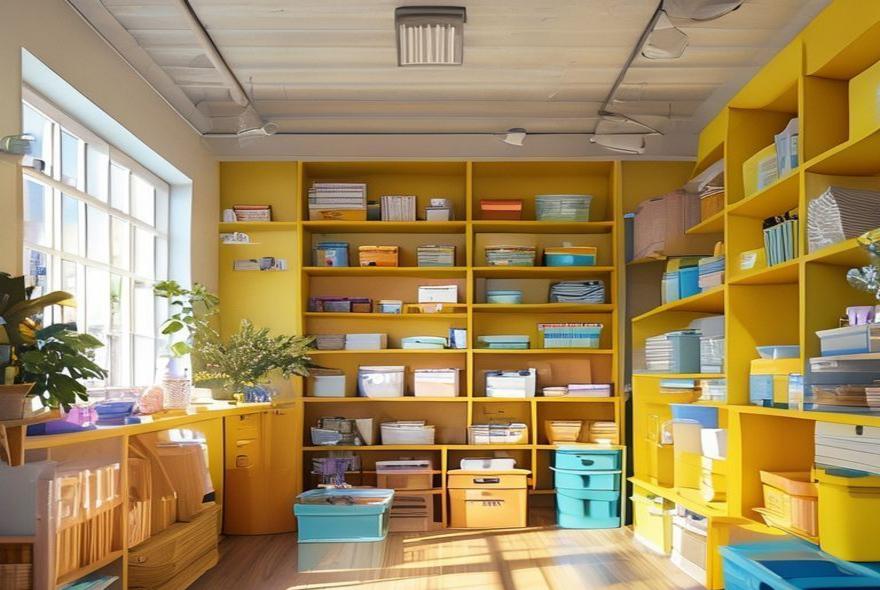
Ever feel like clutter is conspiring against you? Fear not! Our “Guide to Setting Up Your Perfect Decluttering Plan” is here to strategize with you, turning chaos into zen, one old magazine at a time. Whether it’s a closet crammed with clothes you lived in during the late 2000s or that mysterious junk drawer, we’re diving deep into making tidying both productive and rewarding. It’s not just spring cleaning – it’s life-changing. Ready to embark on this journey? Grab a coffee, and let’s get sorting!
Key Takeaways
- Craft a decluttering plan that fits your busy lifestyle—no, we’re not just talking about folding socks.
- Discover strategies that make your tidying up efforts not just productive, but oddly satisfying.
- Match your organizational skills with initiatives that promise more reward than the latest reality TV episode.
- Personalize your decluttering; because what works for your neighbor’s garage might not work for your closet.
- Learn the magic trick of turning overwhelming messes into a calm, clutter-free environment—without needing a magic wand.
- Decluttering isn’t one-size-fits-all, find the perfect approach to suit your life and space.
Understanding the Foundation of Your Perfect Decluttering Plan
You know that feeling when you walk into a cluttered room and your brain just… nopes out? Creating a perfect decluttering plan isn’t about achieving magazine-worthy spaces overnight—it’s about building a system that actually works with how your mind operates. Whether you’re dealing with ADHD cleaning challenges or just feeling overwhelmed by stuff, a solid decluttering plan becomes your roadmap to sanity. The key is understanding that effective decluttering isn’t a one-size-fits-all approach.
- Assess Your Current Reality: Take honest inventory of your spaces without judgment—this baseline helps you create realistic decluttering goals that won’t set you up for failure
- Identify Your Pain Points: Notice which areas cause you the most stress or dysfunction—these become priority zones in your decluttering plan
- Understand Your Energy Patterns: Track when you feel most motivated to tackle organizing tasks—some people are morning warriors, others are evening butterflies
- Define Success on Your Terms: Forget Pinterest-perfect spaces and focus on what “organized enough” looks like for your lifestyle and mental health
- Consider Your Learning Style: Visual learners might need different decluttering strategies than hands-on processors or step-by-step instruction followers
Tailoring Your Approach to Match Your Unique Lifestyle
Here’s the thing about most decluttering advice—it assumes everyone has the same schedule, energy levels, and living situation. But your perfect decluttering plan needs to fit your actual life, not some idealized version of it. Maybe you’re a busy parent squeezing organizing into naptime, or perhaps you’re navigating neurodivergent organizing challenges that make traditional methods feel impossible. The magic happens when you stop fighting your natural rhythms and start working with them.
- Schedule Reality Check: Build decluttering sessions around your existing commitments rather than trying to carve out perfect blocks of time that don’t exist
- Energy Matching: High-energy tasks like sorting through emotional items should align with your peak mental clarity times
- Space Considerations: Tiny apartment dwellers need different strategies than suburban house owners—embrace your space constraints as creative challenges
- Family Dynamics: Factor in kids, partners, roommates, or pets who might “help” by undoing your progress or creating new messes
- Seasonal Flexibility: Your decluttering plan should breathe with life changes—what works in January might need tweaking by summer
Setting Realistic Goals That Actually Motivate You
We need to talk about goal-setting because this is where most decluttering plans crash and burn. You start with grand visions of transforming your entire home in a weekend, then reality hits and you’re left feeling defeated by Tuesday. Smart decluttering goals work like a good fitness plan—challenging enough to create progress, manageable enough to maintain momentum. The secret sauce is breaking big overwhelming projects into bite-sized wins that keep your motivation tank full.
- Start Stupidly Small: Begin with goals so easy you’d feel silly not doing them—like clearing one small surface or sorting through five books
- Use the 15-Minute Rule: Commit to just 15 minutes of decluttering—you can always continue if you’re on a roll, but 15 minutes feels doable even on rough days
- Focus on Function Over Perfection: Set goals based on how you want to use spaces rather than how they should look—”I want to cook dinner without moving piles” beats “perfectly organized kitchen”
- Track Wins, Not Failures: Document what you accomplish rather than what’s left undone—this positive reinforcement keeps the momentum building
- Build in Flexibility: Create “minimum viable” and “stretch” versions of your goals so you always have a path to success regardless of how your day unfolds
Creating Systems That Work With Your Brain, Not Against It
This is where the rubber meets the road in decluttering plan success—developing systems that feel natural rather than forced. If you’ve ever bought a fancy organizing system only to have it become another source of clutter, you know what I’m talking about. The best systems are often embarrassingly simple and perfectly tailored to your specific brand of chaos. Think of it as creating a personal operating system for your stuff.
- One-Touch Principle: Design storage solutions where items can be put away in a single motion—if it takes three steps to put something back, it’s staying on the counter
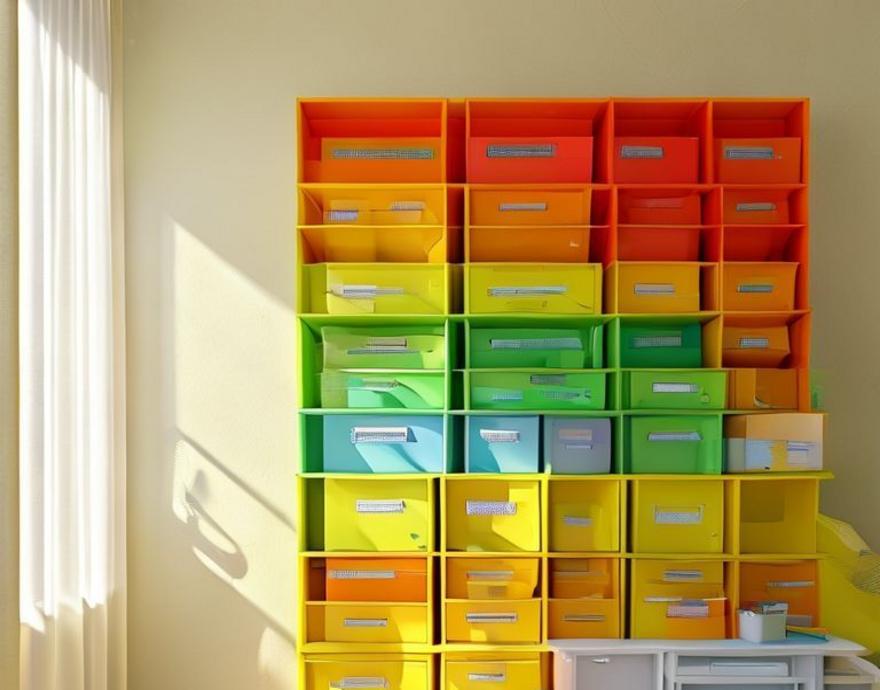
- Visual Cues Work Wonders: Use clear containers, labels, or color-coding systems that make it obvious where things belong, especially helpful for ADHD cleaning routines
- Embrace “Good Enough” Storage: A simple basket that catches odds and ends is infinitely better than a complex filing system that never gets used
- Create Transitional Zones: Designate specific spots for items in limbo—things that need to go upstairs, items to return to friends, or papers requiring action
- Regular Reset Rituals: Build mini-maintenance routines into existing habits—like doing a 5-minute pickup while your coffee brews or before bed
Maximizing Your Decluttering Sessions for Peak Productivity
Let’s optimize those precious moments when you actually have the energy and motivation to tackle your stuff. Whether you’re working with 20 minutes or two hours, there are specific strategies that can multiply your effectiveness without multiplying your stress. It’s like having a productivity hack specifically designed for the unique mental gymnastics of deciding what stays and what goes.
- Prep Your Space First: Before diving into decluttering, set up your donation box, trash bag, and “belongs elsewhere” container—decision fatigue is real
- Use the Four-Box Method: Keep, donate, trash, relocate—having predetermined categories speeds up decision-making and prevents endless pile-shuffling
- Start With Easy Wins: Begin each session by tackling obvious trash or items you know you want to donate—early success builds momentum for harder decisions
- Set Boundaries: Decide beforehand how much time you’ll spend and stick to it—marathon decluttering sessions often lead to decision burnout and backsliding
- Document Your Progress: Take before and after photos or keep a simple list of what you accomplished—visible progress fuels future motivation
Overcoming Common Roadblocks and Mental Barriers
Even the best-laid decluttering plans hit snags, and that’s completely normal. The difference between people who succeed long-term and those who give up isn’t avoiding obstacles—it’s expecting them and having strategies ready. Whether you’re dealing with sentimental attachment paralysis, perfectionism that prevents starting, or the classic “but I might need this someday” spiral, there are proven ways to work through these mental roadblocks.
- Combat Decision Paralysis: Create simple rules like “if I haven’t used it in a year, it goes” or “when in doubt, donate”—predetermined criteria eliminate endless internal debates
- Handle Sentimental Items: Set limits on memory keepers—one box per decade, or keep photos of items instead of the actual objects
- Address Perfectionism: Remember that “organized enough to function” beats “perfectly organized but never maintained”—progress over perfection always
- Manage Overwhelm: When a space feels too big to tackle, start with just one small section or category—even clearing one drawer creates momentum
- Deal with Guilt: Recognize that keeping items out of guilt serves no one—your unused possessions could be treasures in someone else’s life
Maintaining Your Progress and Building Long-Term Success
Here’s the part most decluttering advice glosses over—what happens after you’ve done the hard work of clearing out your spaces? Without solid maintenance strategies, even the most successful decluttering efforts can slide back into chaos faster than you’d believe possible. Building sustainable habits isn’t about perfection; it’s about creating gentle rhythms that keep your progress intact without turning you into a cleaning robot.
- Implement the One-In-One-Out Rule: For every new item that enters your space, something else needs to find a new home—this prevents the gradual re-accumulation of clutter
- Schedule Regular Mini-Sessions: Weekly 15-minute touch-ups are infinitely more effective than monthly marathon organizing sessions
- Create Accountability Systems: Whether it’s a decluttering buddy, social media check-ins, or progress photos, external accountability helps maintain momentum
- Adjust and Evolve: Your decluttering plan should grow with your life—what works during a busy work season might need tweaking during family transitions
- Celebrate Your Wins: Acknowledge the mental and emotional benefits of your organized spaces—better sleep, reduced stress, increased focus—these rewards fuel continued success
Advanced Strategies for Specific Decluttering Challenges
Once you’ve mastered the basics of your decluttering plan, there are some next-level strategies for tackling those stubborn problem areas that seem to resist all attempts at organization. These advanced techniques address the specific challenges that can make or break your long-term success—from paper management systems that actually work to strategies for shared spaces where your organized efforts meet other people’s chaos.
- Digital Decluttering Integration: Extend your physical decluttering plan to include regular digital cleanouts—photos, emails, and files need the same intentional curation as physical possessions
- Seasonal Rotation Systems: For items you only use part of the year, create storage solutions that make swapping easy—holiday decorations, sports equipment, seasonal clothing
- Multi-Person Household Strategies: Develop systems that work even when family members have different organizing styles—designated personal zones plus shared area agreements
- Small Space Maximization: Use vertical storage, multi-functional furniture, and creative solutions that make tiny spaces feel spacious and organized
- Emotional Item Processing: Create specific protocols for handling inherited items, children’s artwork, or other possessions with high emotional attachment but unclear practical value

Decluttering your space can seem like a herculean task, but with our “Guide to Setting Up Your Perfect Decluttering Plan,” you’re in for a pleasant surprise. The key takeaway? Tailor your plan to suit your lifestyle—because one size doesn’t fit all. Break down the overwhelming clutter into manageable tasks that fit into your daily routine. Remember to measure your success not by how fast you can clear the chaos, but by how well your new, clutter-free environment aligns with your personal goals. Our guide showed you how setting up these strategic initiatives not only makes tidying up effective but also enjoyable, learning to let go of what doesn’t spark joy (thanks, Marie Kondo!). By planning thoughtfully, each effort becomes a stepping stone towards a rewarding living space. So, go on, conquer that clutter one cupboard at a time!
And hey, if this inspired a cleaning spree but life’s too busy for you to dive into organizing, no worries—we’re here to help you out! Wrapping this up, if you’re ready to tackle your home cleaning without the hassle, hit us up at Joy of Cleaning. Book a Cleaning online or call (727) 687-2710—we’ve got your back! For fun tips and a peek into our cleaning adventures, follow us on Facebook and Instagram. Let’s make your home shine, together!