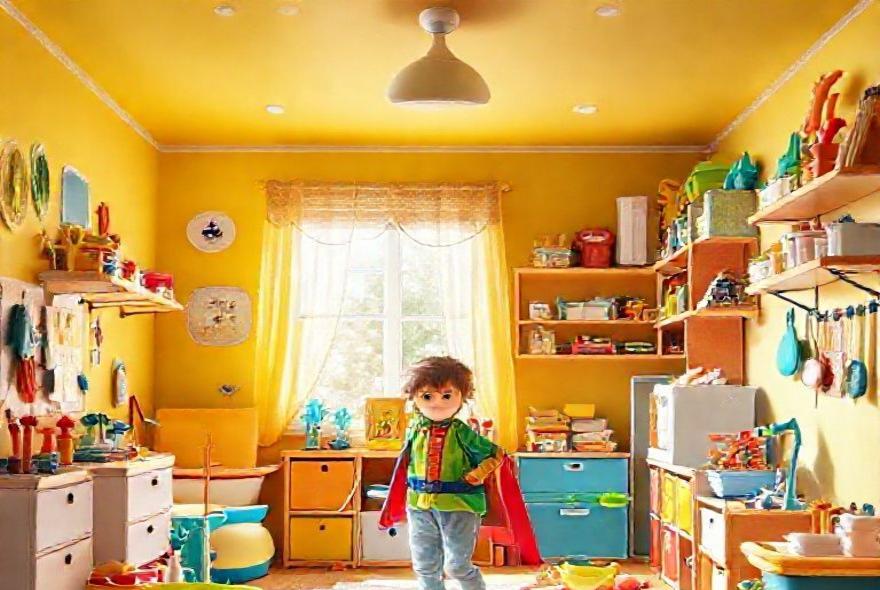
Ever bribed a kid to clean and wound up doing most of the work yourself? Let’s turn this tide! Welcome to your golden ticket—a guide to reward systems that keep kids inspired and your sanity intact! Rewards aren’t just about treats; they’re meaningful incentives that spark motivation. We’ll help you create a system where kids practically leap at the chance to tidy up. Ready to dive into a world where cleaning isn’t a battle but an adventure in motivation? Click through and let the reward revolution begin!
Key Takeaways
- Your kids aren’t cleaning? Try a reward system that’s more about meaningful incentives than just treats. They’ll be motivated and excited—who knew?!
- Forget the candy bribes; discover kid-friendly rewards that actually inspire! From stickers to bonus playtime, motivation is just a creative step away.
- Set up an awesome reward system that’ll have your kids begging to clean. Gameify chores with fun challenges and real incentives.
- Wondering how to get kids to clean without nagging? Make chores a rewarding adventure and watch them shine!
- Create a win-win scenario with a personalized rewards chart. Tailor incentives that resonate with your child’s interests while keeping your home tidy.
- Say goodbye to boring chore charts. With a dash of creativity, you can turn cleaning into a game that kids love to play—and win big!
Understanding What Really Motivates Kids to Clean
You know that look kids get when you mention cleaning? The one that says they’d rather eat broccoli for breakfast than pick up their toys? Here’s the thing—reward systems aren’t about bribing your way to a clean house. They’re about understanding what makes kids tick and using that knowledge to create meaningful incentives that keep them genuinely excited about helping out. When we dig deeper into child psychology, we discover that kids are naturally motivated by achievement, recognition, and feeling valuable to their families.
- Tap into their need for autonomy: Kids want to feel like they have choices and control over their environment—reward systems that offer options between different cleaning tasks or let them decide the order of completion work better than rigid assignments.
- Leverage their desire for mastery: Children naturally want to get better at things, so rewards that acknowledge skill development and improvement over time create lasting motivation rather than just temporary compliance.
- Address their social needs: Kids crave connection and belonging, making family-based rewards and group celebrations more powerful than individual prizes—they want to contribute to something bigger than themselves.
- Honor their developmental stage: What excites a five-year-old won’t necessarily motivate a twelve-year-old, so effective reward systems evolve with your child’s changing interests and capabilities.
- Focus on intrinsic satisfaction: The best rewards help kids discover the natural satisfaction that comes from completing tasks and maintaining organized spaces—external rewards should support, not replace, this internal motivation.
Setting Up Point-Based Systems That Actually Work
Point systems can be absolute gold or complete disasters, depending on how you set them up. We’ve all seen those elaborate charts with dozens of tasks and complex calculations that make accounting look simple. The secret to successful point systems? Keep them straightforward enough that you’ll actually maintain them consistently, but flexible enough to grow with your family’s needs. Think of points as a way to make progress visible and achievements tangible, not as a complicated mathematical exercise.
- Start with 3-5 core tasks: Focus on the cleaning activities that matter most to your family’s daily functioning—bedroom tidying, toy pickup, and helping with dishes covers the basics without overwhelming anyone with too many options.
- Assign realistic point values: Quick tasks like putting dirty clothes in the hamper might earn 1 point, while more involved jobs like organizing a bookshelf could be worth 3-5 points—keep the math simple enough for kids to calculate their own totals.
- Create meaningful reward tiers: Low-point rewards might include choosing tomorrow’s breakfast or picking the car music, while higher tiers could offer special outings or extended privileges—experiences often motivate more than material items.
- Build in bonus opportunities: Surprise point bonuses for exceptional effort, helping siblings, or tackling tasks without being asked keep the system dynamic and reward positive attitudes alongside completed work.
- Review and adjust regularly: What seemed exciting last month might feel routine now, so monthly family meetings to discuss what’s working and what needs tweaking keep everyone engaged and invested in the system’s success.
Creative Reward Ideas Beyond Stickers and Treats
Let’s be honest—sticker charts lose their magic faster than ice cream melts in summer heat. And while treats have their place, relying on food rewards can create complicated relationships with eating. The most effective rewards tap into what kids really want: time, attention, experiences, and the chance to feel special and grown-up. Smart parents discover that the best incentives often cost nothing but create memories and strengthen family bonds.
- Time-based rewards: Extra bedtime stories, one-on-one time with parents, staying up 15 minutes later on weekends, or having friends over for extended playdates give kids what they crave most—quality time and flexibility in their schedules.
- Choice and control privileges: Let them pick the family movie, choose what’s for dinner, decide on weekend activities, or select which sibling chores to swap—autonomy feels incredibly rewarding to children who usually follow adult-made decisions.
- Special responsibilities: Being “helper of the day” for cooking, getting to use grown-up tools for projects, teaching cleaning techniques to younger siblings, or planning family cleaning sessions make kids feel important and capable.
- Creative expression opportunities: Art supplies for special projects, permission to redecorate their spaces, choosing new organizational systems for their rooms, or documenting cleaning transformations with photos let kids express their personalities.
- Adventure and novelty rewards: Special outings to parks, libraries, or museums, trying new activities like mini golf or bowling, having picnics in unusual locations, or exploring different neighborhoods create positive associations with cleaning achievements.
Building Habits Through Consistent Recognition
Here’s something most parents don’t realize—consistency in recognition matters way more than the size of the reward. Kids thrive on predictable acknowledgment of their efforts, even when those efforts aren’t perfect. The goal isn’t to create reward-dependent children who only clean for prizes, but to help them internalize the satisfaction that comes from maintaining their environments and contributing to family life. Recognition builds confidence, and confident kids are naturally more motivated to tackle challenges.
- Daily acknowledgment rituals: Simple “thank you” moments at dinner where you specifically mention cleaning contributions help kids feel seen and appreciated—consistency in recognition builds stronger habits than occasional big celebrations.
- Progress documentation: Taking before-and-after photos, keeping cleaning journals, or creating family albums that showcase organizational improvements help kids see their growth over time and take pride in their developing skills.
- Peer recognition opportunities: Letting kids show off their organized spaces to visiting friends, having them teach cleaning techniques to cousins, or sharing their accomplishments with grandparents satisfies their need for broader social acknowledgment.
- Effort over outcome focus: Celebrate trying hard, showing improvement, and maintaining good attitudes even when results aren’t perfect—this builds resilience and keeps kids willing to attempt challenging tasks without fear of failure.
- Family contribution emphasis: Help kids understand how their cleaning efforts make life better for everyone—when they see themselves as valuable team members rather than just rule-followers, intrinsic motivation grows stronger over time.
Age-Appropriate Reward Strategies That Evolve
What gets a preschooler excited about cleaning will probably make a middle schooler roll their eyes so hard they risk injury. Successful reward systems grow and change as kids develop new interests, capabilities, and social awareness. The trick is staying tuned into where your child is developmentally and adjusting your approach accordingly. We think the best parents are like good DJs—they read the room and adapt their playlist to keep the energy up.
- Toddlers and preschoolers (ages 2-5): Immediate, simple rewards work best—high-fives, stickers, choosing the next song, or brief celebrations right after task completion help them connect actions with positive outcomes before their attention moves elsewhere.
- Elementary age (ages 6-9): They can handle slightly delayed gratification and enjoy earning toward bigger goals—point systems, weekly reward ceremonies, special privileges, or family recognition during dinner conversations match their developing patience and social awareness.
- Tweens (ages 10-12): Social recognition and increased independence become more motivating than tangible prizes—letting them organize family cleaning schedules, earn extended screen time, or gain more control over their personal spaces appeals to their growing maturity.
- Teens (ages 13+): Respect, trust, and real responsibility feel more rewarding than kid-focused incentives—reducing other chores when they excel at cleaning, earning later curfews, or getting input on household organization decisions acknowledge their near-adult status.
- Sibling considerations: When you have multiple ages, create tiered systems where everyone can succeed at their level while working toward family goals—team challenges with individual recognition keep different ages engaged without creating unfair comparisons.
Making Rewards Feel Natural, Not Manipulative
Nobody wants to raise kids who only do the right thing when there’s something in it for them. The goal of any reward system should be to support the development of intrinsic motivation—that internal satisfaction that comes from doing good work and contributing to family life. When rewards feel natural and connected to the task itself, they enhance rather than replace children’s natural desire to be helpful and capable family members.
- Connect rewards to natural consequences: Clean rooms earn the privilege of having friends over, organized toy areas mean easier access to favorite games, and tidy common spaces make family activities more enjoyable—these connections feel logical rather than arbitrary.
- Emphasize the “why” behind cleaning: Help kids understand that organized spaces reduce stress, save time, and make life more pleasant for everyone—when they grasp these benefits, external rewards supplement rather than replace their understanding of cleaning’s value.
- Gradually shift toward recognition over prizes: Start with tangible rewards to establish habits, then slowly move toward verbal appreciation, increased trust, and opportunities for leadership—this progression builds lasting motivation that doesn’t depend on external incentives.
- Involve kids in designing reward systems: When children help create the rules and choose the incentives, they feel ownership over the process and are more likely to engage authentically rather than just going through motions to earn prizes.
- Model intrinsic satisfaction: Share your own positive feelings about clean spaces, talk about how organization helps you feel calmer, and demonstrate that adults also find satisfaction in maintaining their environments—kids learn more from what they observe than what they’re told.
Troubleshooting When Reward Systems Lose Steam
Even the best reward systems eventually hit rough patches—what seemed exciting last month feels boring now, or life gets busy and you fall out of routine. Don’t panic! This is completely normal and usually signals that it’s time to refresh your approach rather than abandon it entirely. The key is staying flexible and remembering that building good habits is a long-term process with plenty of ups and downs along the way.
- Diagnose the real problem: Are kids bored with current rewards, overwhelmed by too many tasks, or dealing with other stresses that affect their motivation? Understanding the root cause helps you choose the right solution rather than randomly changing things.
- Refresh without starting over: Sometimes simple changes like new music during cleaning time, different colored charts, or switching who does which tasks can reignite interest without scrapping your entire system.
- Take strategic breaks: If everyone’s feeling burned out, it’s okay to pause formal reward systems for a week or two while maintaining basic expectations—sometimes a break helps everyone appreciate the structure when it returns.
- Involve kids in problem-solving: Ask them what’s not working and what would make cleaning more appealing—they often have great ideas for modifications that adults wouldn’t think of, and involving them in solutions increases buy-in.
- Remember the long-term goal: Perfect consistency isn’t the objective—building lifelong habits and positive associations with maintaining clean spaces is what matters, so don’t let temporary setbacks derail your overall progress and family harmony.
Inspiring kids to clean may sound like a chore in itself, but with a thoughtfully crafted reward system, it can actually be fun and engaging! By focusing on meaningful incentives, rather than just sweet treats, you can tap into what truly motivates your children. Highlighting their achievements through praise and tangible rewards encourages enthusiasm and responsibility in keeping their space tidy. A personalized chart or a treasure box of rewards can turn cleaning into an adventure, making it exciting for everyone involved. Remember, the aim is to instill a sense of accomplishment and ownership, which in turn fosters a positive attitude towards chores and responsibilities.
And hey, if this inspired a cleaning spree but life’s too busy to tackle all those dust bunnies yourself, Joy of Cleaning has got your back! Whether you’re looking to book a sparkling session online or chat it up over the phone at (727) 687-2710, we’re here to make your house shine bright like a diamond. Feel like keeping in the loop for more cleanliness inspirations? Head over to our Facebook and Instagram pages for tips, fun, and maybe some laughs. Click to Book a Cleaning now, because a clean home is a happy home!