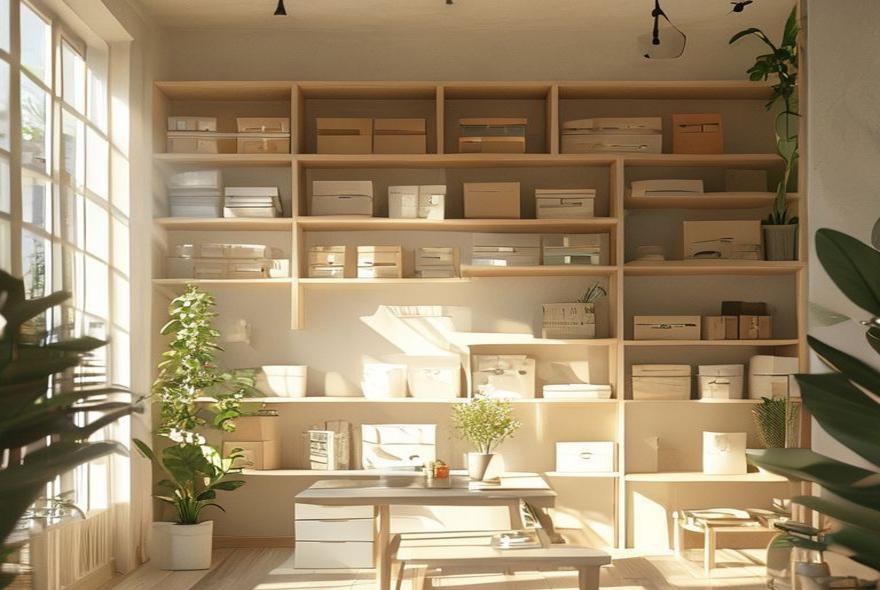
Ever decluttered your home and felt like you’ve just discovered time travel back to chaos-ville a week later? You’re not alone. Keeping an organized home can be trickier than mastering the art of the original purge. Our ‘Guide to Maintaining Your Organized Home’ explores sustainable habits to keep that pristine space at bay. Think of it as your roadmap to prevent the hobglob of overwhelming mess from creeping back in. Enjoy some quirky tips, relatable fails, and effective tricks that stick like glue. Ready for a journey of clutter-free success?
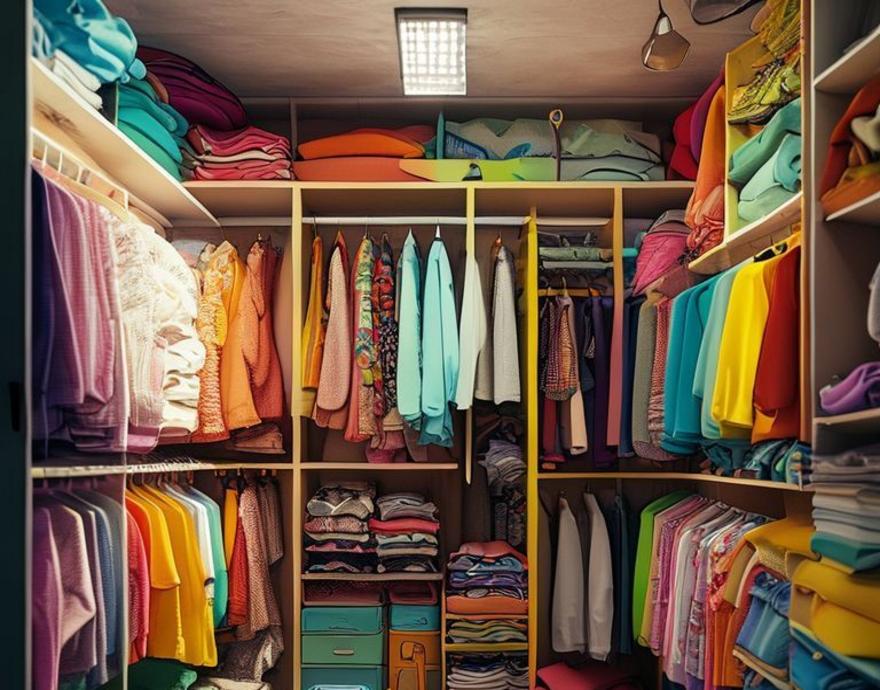
Key Takeaways
- Don’t let clutter creep back—schedule regular mini-declutters to keep that pristine space intact.
- Storage solutions: they’re the secret ingredient to a clutter-free home.
- Develop sustainable habits, because let’s face it, chaos relapses are not cool.
- Check out our tips to turn your space from ‘where’s that thing?’ to ‘it’s right there!’
- Create a habit-loop to maintain your organized home and say goodbye to mess forever!
- Your organized haven: it’s more than a dream and less than a few declutters away!
Understanding the Psychology Behind Home Organization Maintenance
You know that feeling when you’ve just finished organizing a space and it looks absolutely perfect? Then three days later, it’s like a tornado hit and you’re wondering how it all went sideways so fast. Maintaining your organized home isn’t just about having the right storage solutions—it’s about understanding why we humans are naturally inclined to create clutter and working with our psychology instead of against it.
- The “Good Enough” Mindset Trap: Our brains are wired to take shortcuts, so once a space looks “decent,” we stop maintaining the systems that kept it organized in the first place, leading to gradual deterioration of our hard work.
- Decision Fatigue Reality: After making hundreds of daily decisions, our willpower to put things back in their designated homes diminishes, which is why evening tidying sessions often feel impossible even when morning organization felt effortless.
- Emotional Attachment Cycles: We form attachments to items during different life phases, and what felt essential during decluttering might feel precious again later, creating internal conflict about maintaining our organized systems.
- Social Pressure Dynamics: Family members who weren’t part of the initial organizing process may unconsciously resist new systems, viewing them as criticism of their previous habits rather than improvements to shared living spaces.
- Perfectionism Paralysis: The fear of “messing up” a perfectly organized space can actually prevent us from using and enjoying our homes, creating artificial pressure that makes maintenance feel like walking on eggshells.
Building Sustainable Daily Habits That Stick
Let’s talk about the habits that actually work long-term, not the ones that look pretty on Instagram but fall apart after two weeks. The secret to maintaining your organized home lies in creating micro-habits so small they feel almost silly not to do. We’re talking about changes that take less than two minutes but compound into massive results over time.
- The “Reset Timer” Method: Set a phone timer for 10 minutes each evening and do a speed-round pickup focusing on one room; this prevents small messes from becoming overwhelming weekend projects and maintains momentum from your initial organizing efforts.
- Morning Launch Pad Routine: Spend 5 minutes each morning clearing and wiping your kitchen counters while coffee brews; starting the day with clean surfaces creates psychological momentum that encourages tidiness throughout the day.
- One-Touch Mail Rule: Handle mail immediately upon bringing it inside—sort, file, or toss within 60 seconds rather than creating those dreaded “deal with later” piles that multiply faster than rabbits in spring.
- Bedtime Clothing Reset: Before getting into bed, hang up or put away the clothes you wore that day; this 30-second habit prevents the infamous “chair wardrobe” from taking over your bedroom sanctuary.
- Weekly 15-Minute Focused Blitz: Choose one small area each week for a 15-minute deep organization session—a single drawer, one shelf, or a small closet section—to prevent gradual accumulation without overwhelming your schedule.
Creating Systems That Work with Your Real Life
Here’s the thing nobody talks about in those picture-perfect organizing magazines: your system needs to work for your actual life, not the life you think you should have. If you’re not naturally a “put things away immediately” person, fighting your nature will lead to frustration and system failure. Instead, let’s design organization systems that accommodate real human behavior and busy family dynamics.
- Strategic Basket Placement: Position attractive baskets in high-traffic areas where family members naturally drop items; instead of fighting the dropping habit, create designated spots that look intentional while containing the chaos.
- The “Good Enough” Storage Solutions: Use open storage for frequently accessed items rather than complex filing systems that require perfect maintenance; sometimes a pretty bowl for keys beats a elaborate key organizer that no one uses consistently.
- Rotation Systems for Seasonal Items: Create simple seasonal swaps for decorative items, clothing, and household goods rather than trying to store everything simultaneously; this reduces visual clutter while keeping favorite items accessible when relevant.
- Family Command Centers: Establish central information hubs with calendars, important papers, and daily essentials rather than scattering organization systems throughout the house where they’re easily forgotten or ignored.
- Flexible Zone Definitions: Allow spaces to serve multiple functions with quick transition systems—dining tables that clear easily for homework, entryways that adapt for different seasons, storage solutions that adjust as family needs change over time.
Preventing Clutter Creep Before It Starts
You’ve probably experienced this: your home looks amazing for a few weeks after organizing, then gradually items start appearing on surfaces, drawers get stuffed with random things, and before you know it, you’re back where you started. Clutter creep is sneaky, but it’s also predictable. By understanding how and why it happens, you can set up prevention systems that stop the mess before it starts.
- Implement Entry Point Controls: Create specific landing zones near doorways with designated spots for keys, mail, bags, and daily items; controlling where things enter your organized spaces prevents random dumping that leads to surface clutter.
- Monthly “Clutter Audit” Sessions: Schedule 20-minute monthly walk-throughs to identify emerging problem areas before they become overwhelming; early intervention prevents small issues from becoming major reorganization projects that derail your progress.
- Shopping Decision Filters: Before purchasing new items, ask three questions: “Where will this live?” “What will I get rid of to make room?” and “Will I still want this in six months?” This mental filter reduces impulse purchases that contribute to re-cluttering.
- Seasonal Transition Protocols: Create simple routines for seasonal changes that include decluttering previous season’s items while bringing out new ones; this prevents accumulation of items from multiple seasons competing for the same storage space.
- Gift and Acquisition Management: Develop gracious ways to handle unwanted gifts and inherited items that don’t fit your organized lifestyle; having a plan for managing incoming items prevents guilt-driven clutter accumulation that undermines your systems.
Involving Your Family Without Starting World War Three
Getting family members on board with maintaining organization can feel like herding cats—if cats had opinions about where their toys should go and strong feelings about throwing away broken crayons. The key is making organization feel like a team effort rather than a dictatorship, and finding ways to make tidiness appealing rather than punitive for different personality types and ages.
- Age-Appropriate Responsibility Systems: Assign organizing tasks that match developmental abilities—young children can match socks and sort toys by color, while teens can manage their own laundry systems and personal spaces without micromanagement from parents.
- Gamification Strategies That Actually Work: Create friendly competitions like “10-item pickup races” or “beat the timer” challenges rather than complicated point systems that become more work to maintain than the actual organizing tasks.
- Individual Style Accommodation: Recognize that some family members are visual organizers who need open storage, while others prefer hidden storage systems; designing organization methods that work with natural tendencies increases compliance and reduces resistance.
- Shared Benefit Communication: Focus on how organization makes everyone’s life easier—finding things quickly, having friends over without embarrassment, reduced morning stress—rather than emphasizing rules and expectations that feel restrictive.
- Gradual Implementation Approach: Introduce new organizational systems slowly, mastering one area or habit before adding another; overwhelming family members with too many changes simultaneously often leads to complete system abandonment rather than gradual improvement.
Seasonal Maintenance and Long-Term Success Strategies
Think of home organization like fitness—you wouldn’t expect to stay in shape after one great workout, and you can’t expect your home to stay organized without ongoing maintenance. But here’s the good news: just like fitness gets easier as you build strength, maintaining organization becomes more natural as you develop the right habits and systems. The key is creating sustainable long-term strategies that evolve with your changing needs.
- Quarterly Deep-Dive Sessions: Schedule seasonal organization reviews that coincide with natural life transitions—spring cleaning, back-to-school preparation, holiday decorating, and post-holiday reset—to address accumulation before it becomes overwhelming.
- Annual System Evaluation: Assess which organizational systems are working well and which need adjustment based on how your family’s needs, schedules, and preferences have changed over the past year; successful organization evolves rather than remaining rigid.
- Holiday and Special Event Protocols: Develop specific strategies for managing the influx of items during birthdays, holidays, and special occasions when gifts, decorations, and celebration supplies can disrupt established organizational systems.
- Life Transition Adaptability: Plan for how organizational systems will adapt during major life changes like new babies, job changes, moving, or children leaving home; flexibility prevents complete system breakdown during stressful transition periods.
- Success Metric Tracking: Identify specific indicators that show your organizational systems are working—reduced morning stress, easier entertaining, faster cleanup times—and celebrate these wins to maintain motivation for continued maintenance efforts.
Troubleshooting Common Maintenance Failures
Let’s address the elephant in the room—sometimes our best organizational intentions fall apart, and that’s completely normal. The difference between long-term success and giving up entirely lies in how you handle these setbacks. Instead of viewing maintenance failures as personal shortcomings, treat them as valuable information about what systems need adjustment to work better with your real life.
- Identifying System Breakdowns: When organization fails, analyze whether the problem is location-based (storage too far from use point), complexity-based (system requires too many steps), or capacity-based (not enough storage for items you actually need to keep).
- Motivation Recovery Techniques: After organizational setbacks, start with the smallest possible win—clear one countertop or organize one drawer—to rebuild momentum rather than attempting to fix everything at once, which often leads to overwhelm and abandonment.
- Perfectionism Reset Strategies: Accept that lived-in homes will never look like magazine photos, and that “good enough” organization that gets maintained beats perfect organization that’s too stressful to sustain; progress matters more than perfection.
- External Support Systems: Recognize when you need help, whether it’s hiring professional organizers for major overhauls, enlisting friends for accountability, or using online communities for motivation and troubleshooting advice during challenging periods.
- Flexible Recovery Plans: Develop specific strategies for getting back on track after vacations, illnesses, busy work periods, or other life disruptions that inevitably affect home organization; having a plan makes recovery faster and less overwhelming than starting from scratch.
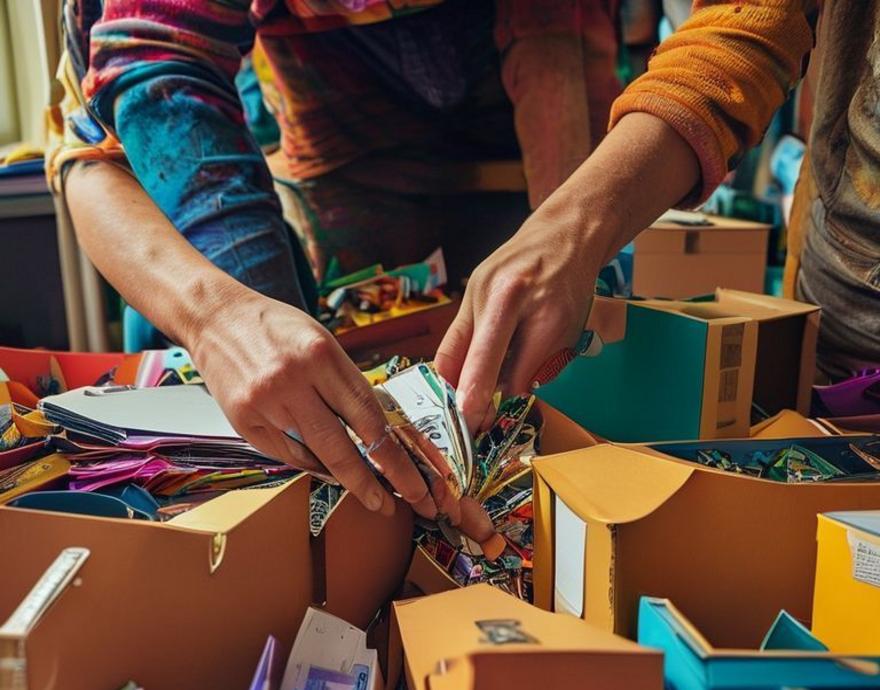
Maintaining an organized home may initially seem like climbing Everest after the first decluttering buzz fades away. But, fear not! With sustainable habits in place, you’ll keep that freshly tidy look going strong. Remember to regularly assess your belongings, keeping only what truly serves a purpose. Develop daily routines that fit your lifestyle, such as a quick 15-minute tidy-up session. And guess what? Hand yourself a break with designated messy zones (hey, we all need them!). This approach tackles clutter in manageable chunks. Embrace these habits, and you’ll be the sensei of serene spaces, keeping the chaos in check without breaking a sweat.
And hey, if this inspired a cleaning spree but life’s too busy, let us lend you a hand with the nitty-gritty. Wrapping this up, if you’re ready to tackle your home cleaning without the hassle, hit us up at Joy of Cleaning. Book a Cleaning or call (727) 687-2710—we’ve got your back! Follow us on Facebook and Instagram for more fun tips and a sneak peek into our world of sparkle.