Welcome to the world of sustainable cleaning methods, where we turn cluttered closets into mindful marvels. In our guide to the Japanese Zokin Method, we explore how a simple old T-shirt can morph into a zero waste cleaning hero. Curious about the art of Japanese cleaning cloths? Ready to embrace DIY eco-friendly cleaning that saves the planet—and a few bucks? From upcycled cleaning supplies to epic cleaning wins, we’ve got the insider scoop. Inspired by the latest insights, let’s unlock the joy of transforming trash into treasure!
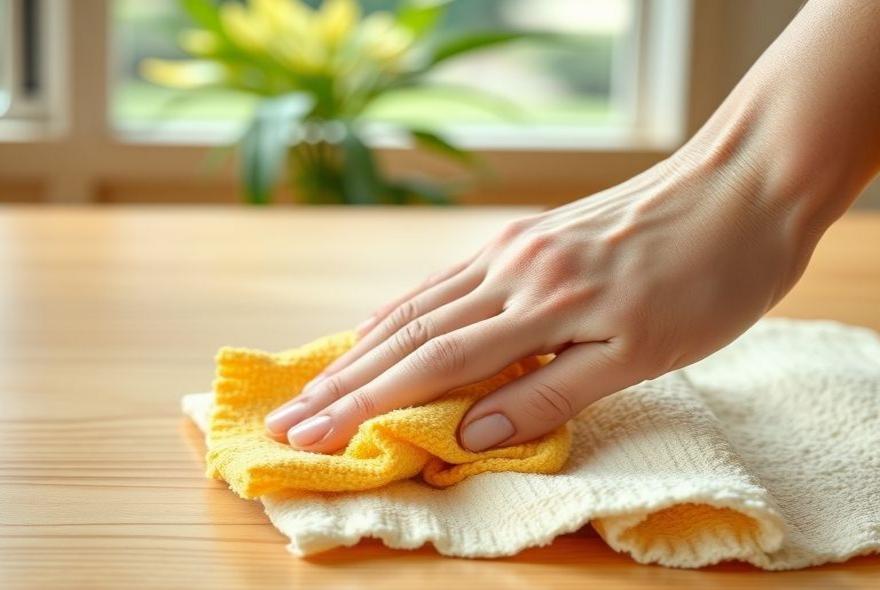
Key Takeaways
- Discover the art of sustainable cleaning methods by transforming old T-shirts into Japanese zokin cleaning cloths.
- Why buy when you can DIY? Turn your closet clutter into Japanese cleaning cloths for an eco-friendly clean.
- Embrace zero waste cleaning and say goodbye to disposable wipes—your wallet will thank you!
- Get creative with upcycled cleaning supplies and join the eco-conscious movement.
- The Japanese zokin method is a savvy way to reduce waste and keep your home sparkling.
- Learn from the pros in this [article](https://www.tomsguide.com/home/i-just-discovered-this-japanese-cleaning-method-thatll-save-you-money-and-im-totally-hooked) about cost-saving, green cleaning techniques.
What Is the Japanese Zokin Method and Why It’s Perfect for Sustainable Cleaning
You know that moment when you’re staring at a pile of old t-shirts, feeling guilty about tossing them but not sure what else to do? Well, the Japanese have figured this out beautifully with their zokin method. This traditional approach to creating Japanese cleaning cloth from worn-out textiles isn’t just about being thrifty—it’s a cornerstone of sustainable cleaning methods that transforms what would be waste into incredibly effective cleaning tools.
- Traditional Wisdom Meets Modern Needs: The zokin method has been used in Japanese households for generations, turning old cotton garments into highly absorbent cleaning cloths that outperform many store-bought alternatives.
- Zero-Waste Philosophy: This technique embodies the Japanese concept of “mottainai” (regret over waste), ensuring every fiber gets a second life before heading to landfills.
- Superior Cleaning Power: According to cleaning experts, well-made zokin cloths can absorb up to three times their weight in water, making them incredibly efficient for various cleaning tasks.
- Cost-Effective Solution: Instead of constantly buying disposable cleaning products, this DIY eco-friendly cleaning approach saves money while reducing environmental impact.
- Versatile Applications: From dusting delicate surfaces to heavy-duty floor cleaning, these upcycled cleaning supplies adapt to virtually any household cleaning challenge.
The Environmental Impact: Why Zero Waste Cleaning Matters More Than Ever
Let’s talk numbers for a second—and trust me, they’re pretty eye-opening. The average American throws away about 81 pounds of clothing annually, with t-shirts making up a significant chunk of that textile waste. When you consider that most cleaning cloths and paper towels end up in landfills after just one use, the environmental case for zero waste cleaning becomes crystal clear. This is where sustainable cleaning methods like the zokin technique really shine.
- Textile Waste Reduction: By converting old t-shirts into cleaning cloths, we’re diverting thousands of tons of fabric from landfills annually—imagine if every household adopted this simple practice.
- Microplastic Prevention: Unlike synthetic cleaning cloths that shed microplastics during washing, cotton-based zokin cloths are completely biodegradable and ocean-friendly.
- Chemical Reduction: These natural fiber cloths often clean effectively with just water, reducing our reliance on harsh chemical cleaners that can harm waterways and indoor air quality.
- Carbon Footprint Minimization: Manufacturing new cleaning products requires energy and resources—upcycled cleaning supplies eliminate this entirely while extending the lifecycle of existing materials.
- Long-Term Durability: Well-made zokin cloths can last for years with proper care, replacing hundreds of disposable cleaning products over their lifetime.
Choosing the Right T-Shirts: Not All Cotton Is Created Equal
Here’s something I learned the hard way—not every old t-shirt makes a great Japanese cleaning cloth. After experimenting with everything from vintage band tees to workout shirts, I’ve discovered there’s definitely a science to selecting the perfect candidates for your DIY eco-friendly cleaning project. The fabric composition, weave, and even the age of the shirt can dramatically affect your cleaning cloth’s performance.
- 100% Cotton Is King: Pure cotton t-shirts absorb moisture better than cotton blends and become more absorbent over time, making them ideal for sustainable cleaning methods.
- Avoid Synthetic Blends: Polyester-cotton mixes might feel softer, but they repel water and can leave streaks on surfaces—definitely not what you want in zero waste cleaning.
- Older Is Often Better: That soft, worn-in t-shirt that’s too faded to wear? Perfect! The fibers have broken down just enough to create maximum absorbency without falling apart.
- Skip the Graphics: While that concert tee holds memories, vinyl prints and thick graphics can create uneven surfaces that scratch delicate items during cleaning.
- Consider the Weave: Jersey knit t-shirts work beautifully because their loose weave creates natural texture that grabs dust and dirt effectively.
Step-by-Step Zokin Creation: Transforming T-Shirts into Cleaning Gold
Alright, let’s get our hands dirty—or should I say, let’s get ready to keep them clean! Creating your own Japanese cleaning cloth using the traditional zokin method is surprisingly straightforward, but there are some insider tricks that’ll make the difference between a decent cleaning rag and a professional-grade cloth. I’ve refined this process through countless iterations, and these steps will save you from the trial-and-error phase I went through.
- The Perfect Cut: Start by cutting your t-shirt into 12×12 inch squares—this size provides optimal surface area while remaining manageable to fold and store, essential for effective upcycled cleaning supplies.
- Strategic Layering: Stack 3-4 squares together, alternating the grain direction of each layer to create maximum absorbency and durability in your sustainable cleaning methods toolkit.
- The Zokin Fold: Fold the stacked squares in half, then in half again, creating a compact rectangle that fits perfectly in your palm while providing multiple clean surfaces during use.
- Finishing Touches: Some practitioners add a simple running stitch around the edges to prevent fraying, though this isn’t strictly necessary for effective zero waste cleaning.
- Pre-Use Preparation: Wash your newly created cloths in hot water without fabric softener—this removes any residual chemicals and maximizes their cleaning potential right from the start.
Advanced Techniques: Maximizing Your Zokin’s Cleaning Power
You’ve mastered the basics, but here’s where things get really interesting. Traditional Japanese cleaning methods include several advanced techniques that can turn your humble t-shirt transformation into cleaning cloths that rival anything you can buy. These aren’t just old wives’ tales—there’s real science behind why these methods work so effectively for sustainable cleaning.
- The Boiling Treatment: Briefly boiling your cotton squares before assembly breaks down the fibers just enough to increase absorbency by up to 40% while maintaining structural integrity.
- Salt Water Prep: Soaking new zokin cloths in salt water for 30 minutes helps set the fibers and creates a slightly abrasive texture perfect for stubborn stains and grime.
- Strategic Stitching Patterns: Adding a grid of loose stitches creates pockets that trap dirt and debris more effectively, making your DIY eco-friendly cleaning cloths even more efficient.
- Multi-Density Construction: Using different cotton weights in your layering creates zones of varying absorbency—perfect for tackling different cleaning challenges with the same cloth.
- Natural Enzyme Activation: A brief soak in diluted white vinegar activates natural enzymes in the cotton, enhancing the cloth’s ability to break down organic matter during cleaning.
Practical Applications: Where Your Zokin Cloths Shine Brightest
Now for the fun part—putting these upcycled cleaning supplies to work! I’ve been amazed at how versatile these Japanese cleaning cloths are once you understand their strengths. From delicate electronics to heavy-duty kitchen cleanup, there’s almost no cleaning task these sustainable cleaning methods can’t handle. Let me share some of my favorite applications that’ll make you wonder why you ever bought commercial cleaning cloths.
- Electronics and Screens: The fine cotton fibers clean monitors, phones, and tablets without scratching, while the natural material won’t generate static electricity that attracts more dust.
- Kitchen Mastery: These cloths excel at cleaning stainless steel appliances, wiping down counters, and even handling greasy stovetops—the natural cotton absorbs oils while leaving surfaces streak-free.
- Bathroom Brilliance: Perfect for cleaning mirrors, faucets, and tile surfaces, zokin cloths work beautifully with just water for most bathroom cleaning tasks, embodying true zero waste cleaning principles.
- Floor Care Excellence: Attach a zokin cloth to a mop handle for hardwood floor cleaning that picks up dust and pet hair while being gentle enough for delicate finishes.
- Car Detailing Champion: The absorbent nature makes these cloths ideal for washing and drying vehicles without leaving lint or scratches on paint or glass surfaces.
Care and Maintenance: Making Your Zokin Cloths Last for Years
Here’s something most people don’t realize about sustainable cleaning methods—the longevity depends entirely on how you care for your tools. I’ve got zokin cloths that are going on three years strong, still outperforming new commercial alternatives. The secret isn’t complicated, but it does require developing some good habits that’ll keep your DIY eco-friendly cleaning arsenal in top condition.
- The Right Wash Cycle: Hot water and a gentle detergent work best, but skip the fabric softener entirely—it coats the fibers and reduces absorbency, defeating the purpose of your Japanese cleaning cloth.
- Proper Drying Technique: Air drying preserves the fibers better than high heat, though a low tumble dry cycle can actually help maintain the fluffy texture that makes these cloths so effective.
- Storage Solutions: Keep clean cloths in a breathable container to prevent mildew, and always ensure they’re completely dry before storing to maintain their effectiveness in zero waste cleaning routines.
- Rotation System: Having multiple sets allows you to rotate usage, giving each cloth time to fully dry and maintain its shape between cleaning sessions.
- Refresh Treatments: Monthly soaks in white vinegar solution help remove buildup and restore the natural cleaning properties that make upcycled cleaning supplies so effective.
Troubleshooting Common Issues: When Your Zokin Isn’t Working as Expected
Let’s be honest—sometimes things don’t go according to plan, and that’s totally normal when you’re learning sustainable cleaning methods. I’ve encountered pretty much every zokin-related problem you can imagine, from cloths that won’t absorb water to ones that fall apart after the first wash. The good news? Most issues have simple solutions once you understand what’s going wrong.
- Poor Absorbency Problems: If your Japanese cleaning cloth repels water instead of absorbing it, you likely used a fabric softener during washing or chose a cotton blend—strip wash with hot water and vinegar to restore function.
- Rapid Deterioration: Cloths that fall apart quickly often come from t-shirts that were already too worn or from cutting against the grain—choose sturdier source material and pay attention to fabric direction.
- Lint and Residue Issues: Excessive lint usually indicates poor-quality cotton or improper preparation—pre-wash new cloths separately and avoid mixing different fabric types in your zero waste cleaning routine.
- Streak Formation: If your DIY eco-friendly cleaning cloths leave streaks, they may be too wet or contaminated with fabric softener residue—rinse thoroughly and wring out excess moisture before use.
- Odor Retention: Persistent smells in upcycled cleaning supplies typically result from insufficient drying or bacterial buildup—sanitize with hot water and white vinegar, then ensure complete drying.
As we’ve explored, the Japanese zokin method is a fantastic example of sustainable cleaning methods that breathe new life into your old t-shirts. By turning what’s often seen as trash into functional treasures, you join a movement towards zero waste cleaning and embrace the practicality of Japanese cleaning cloths, a simple yet profound practice rooted in tradition and mindfulness. This DIY eco-friendly cleaning approach is not only about reducing waste but also about upcycled cleaning supplies that add character to your home while being easy on the environment. It perfectly aligns with Joy of Cleaning’s mission to inspire eco-conscious families to see the potential in everyday materials, saving you money while keeping your house pristine. If your curiosity needs more convincing, check out this insightful discovery over at Tom’s Guide!
And hey, if this inspired a cleaning spree but life’s too busy, wrap it all up with a little help from Joy of Cleaning. Book a Cleaning link: Book a Cleaning or give us a ring at (727) 687-2710—we’re ready to swoop in like your favorite neighborhood cleaning superheroes. And don’t forget to get social! Follow us for more tips and insider tricks on Facebook and Instagram. We’re here to make cleaning delightful!