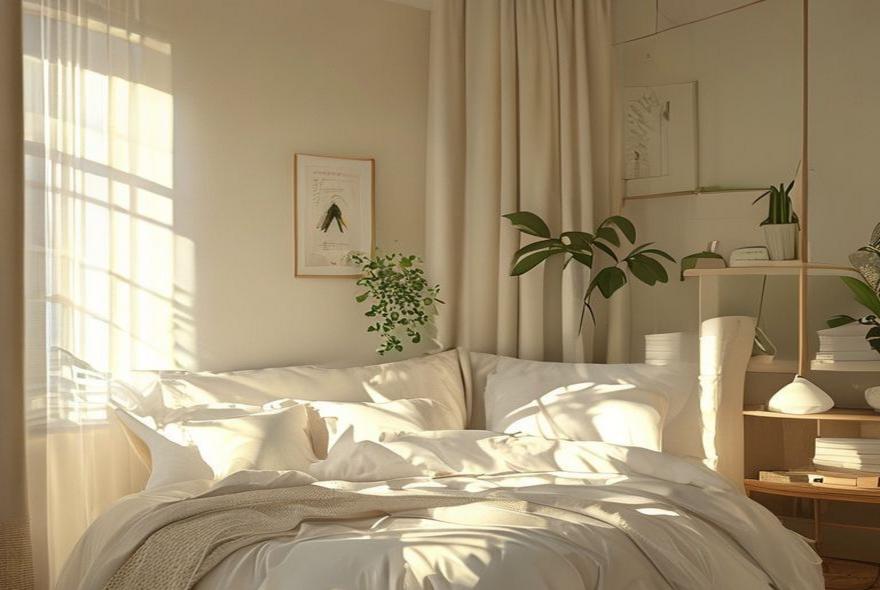
Welcome to the Guide to Creating Your Personal Bedroom Sanctuary! Ready to transform your space into a serene oasis where you can finally ditch the chaos? We’re diving deep into decluttering and organizing tricks that make your bedroom truly your own. Ever missed a zen moment because of clutter? Let’s fix that. This post is your roadmap to a tranquil refuge, backed by insights and maybe a giggle or two. {source}. So, grab a cup of tea—or your organizing cap—and let’s get started!
Key Takeaways
- Turn your bedroom into a personal sanctuary—because who wouldn’t want a peaceful escape?
- Master the art of decluttering and embrace the less-is-more philosophy to truly relax.
- Unleash your inner organizer and make your space genuinely yours—because cookie-cutter is so last year!
- Handy hacks to harmonize your space, making your bedroom both functional and fabulous.
- Want tranquility? Transform chaos into calm by finding a home for everything and saying goodbye to clutter.
- Think a zen space is costly? Not with these budget-friendly tips that prioritize peace over price!
Understanding the Psychology of Bedroom Sanctuaries
You know that feeling when you walk into a hotel room and instantly feel more relaxed? That’s not just because someone else cleaned it—though let’s be honest, that helps. Creating your personal bedroom sanctuary taps into some deep psychological stuff about how our environment affects our mental state. Your bedroom isn’t just where you sleep; it’s where you start and end each day, where you’re most vulnerable, and honestly, where you probably spend way more time than you’d like to admit scrolling through your phone. The thing is, most of us treat our bedrooms like storage units with beds, cramming them full of stuff that has nothing to do with rest and recharge.
- Environmental Psychology Impact: Your bedroom environment directly influences sleep quality, stress levels, and overall mental health—cluttered spaces literally increase cortisol production, making relaxation nearly impossible.
- Sanctuary vs. Storage Mentality: The most peaceful bedrooms serve one primary purpose: rest and rejuvenation, not housing your exercise bike, work papers, or that pile of clothes you’ll “deal with tomorrow.”
- Color and Mood Connection: Soft, muted colors promote better sleep and relaxation, while bright, stimulating colors can keep your brain in “awake mode” even when you’re trying to wind down.
- Personal Space Ownership: Creating a bedroom that truly reflects your personality and needs gives you a sense of control and comfort that extends beyond just the physical space.
- Routine and Ritual Support: A well-organized bedroom sanctuary supports healthy bedtime routines and morning rituals, making it easier to maintain consistent sleep schedules and self-care practices.
Decluttering Your Way to Bedroom Bliss
Let’s talk about the elephant in the room—or should I say, the mountain of stuff in your bedroom. I’ve seen bedrooms that look like a tornado hit a department store, and I get it. Life happens, laundry piles up, and before you know it, you’re playing hide-and-seek with your dresser. But here’s the thing about decluttering and organizing your bedroom: it’s not about achieving some impossible standard of perfection. It’s about creating space for your mind to actually rest. Think of decluttering as editing your space—keeping only what serves your goal of rest and recharge, and saying goodbye to everything else that’s just taking up valuable real estate in your sanctuary.
- The Three-Box Method: Use three containers labeled “keep,” “donate,” and “trash” to sort through everything systematically—this prevents that overwhelmed paralysis that hits when you’re staring at a massive pile of stuff.
- Surface Liberation Strategy: Start by clearing all surfaces completely, then only return items that have a legitimate reason to live in your bedroom—nightstands aren’t meant to be office supply storage units.
- Clothing Reality Check: If you haven’t worn it in a year, it’s taking up space that could be used for things you actually love—be ruthless about letting go of “someday” clothes.
- Under-Bed Archaeology: Clear out everything from under your bed except for intentional storage solutions—dust bunnies and random junk don’t contribute to peaceful sleep vibes.
- Sentimental Item Curation: Choose a few meaningful items to display rather than keeping every sentimental object—a curated collection feels intentional, while everything everywhere feels chaotic.
Creating Zones for Rest and Function
Here’s something most people don’t think about when designing their bedroom sanctuary: zones. You wouldn’t put a treadmill in your kitchen or a stove in your living room, right? Yet somehow we think bedrooms can handle being sleep space, office, gym, and storage all at once. Spoiler alert: they can’t, at least not if you want them to actually feel peaceful. Creating distinct zones in your bedroom—even if it’s small—helps your brain understand what each area is for. It’s like giving your space a job description instead of expecting it to be a jack-of-all-trades that masters none.
- Sleep Zone Sanctity: Keep the area around your bed dedicated solely to sleep and intimacy—no work papers, exercise equipment, or piles of random stuff that stress you out when you’re trying to relax.
- Dressing Area Efficiency: Create a designated getting-ready zone with good lighting and mirror access, keeping clothes and accessories organized and easily accessible for smoother mornings.
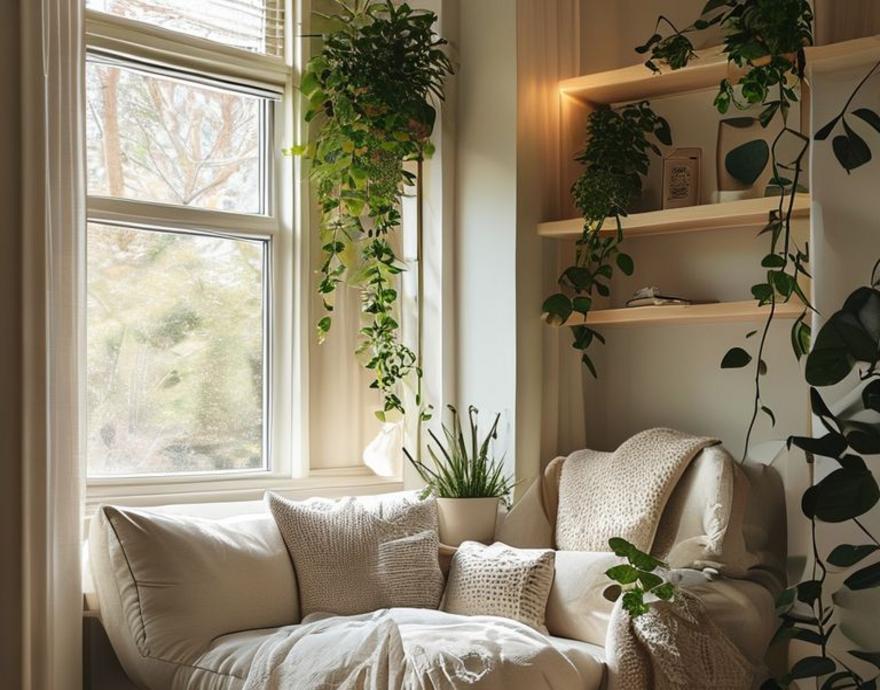
- Reading or Relaxation Nook: If space allows, carve out a small area with a comfortable chair or floor cushions for reading, meditation, or just sitting quietly—having options beyond the bed makes the room feel more versatile.
- Storage Solutions That Work: Use furniture that serves double duty, like ottomans with storage inside or bed frames with built-in drawers, to maximize organization without cluttering your visual space.
- Technology Boundaries: Establish clear rules about where devices live and charge—ideally not on your nightstand where they’ll tempt you into late-night scrolling sessions that mess with your sleep.
Lighting Your Way to Better Sleep
Okay, let’s shed some light on lighting—see what I did there? But seriously, lighting in your bedroom is like the soundtrack to a movie; when it’s done right, you don’t really notice it, but it completely changes the mood. Most bedrooms have terrible lighting situations: harsh overhead fixtures that make you feel like you’re in an interrogation room, or inadequate bedside lamps that require you to perform yoga poses just to read a book. Creating your personal bedroom sanctuary means thinking about lighting as a tool for transitioning your brain from day mode to night mode. It’s not just about being able to see; it’s about cueing your body that it’s time to rest and recharge.
- Layered Lighting Approach: Combine ambient lighting for general illumination, task lighting for reading or getting dressed, and accent lighting for creating mood—think of it as having lighting options for every activity and time of day.
- Warm vs. Cool Temperature: Use warm-toned bulbs in the evening to support your natural circadian rhythm, and save cooler, brighter light for morning routines when you need to wake up your brain.
- Dimmer Switch Magic: Install dimmers wherever possible so you can adjust brightness throughout the day—bright for cleaning and organizing, soft for winding down before sleep.
- Natural Light Optimization: During the day, let in as much natural light as possible to keep your internal clock regulated, but invest in quality blackout curtains for when you need darkness for sleep.
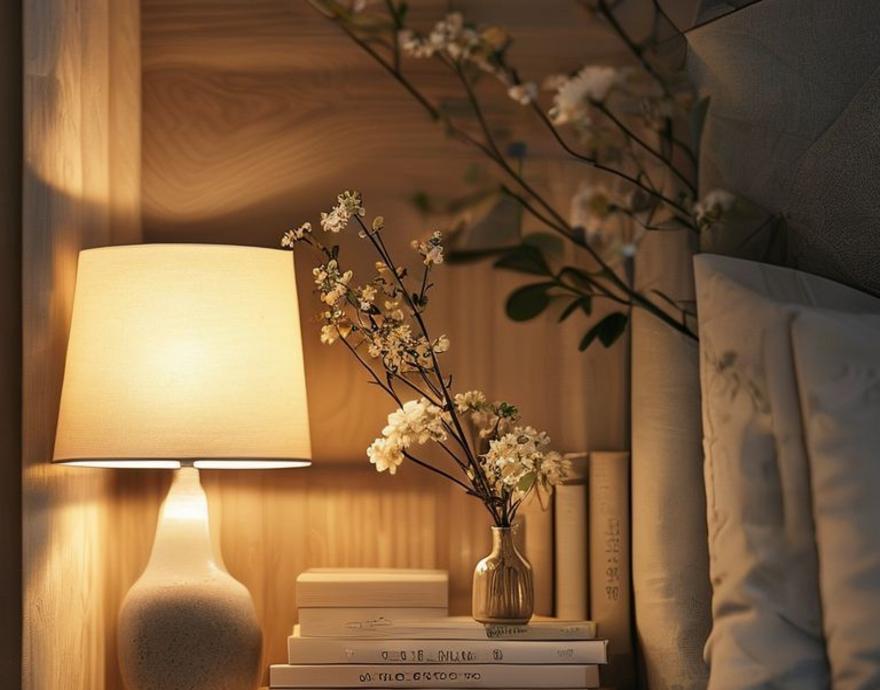
- Bedside Lighting Solutions: Choose bedside lamps that provide adequate reading light without disturbing a partner, and consider wall-mounted options to free up nightstand space for other essentials.
Color Psychology and Bedroom Vibes
We need to talk about color, because your bedroom walls might be sabotaging your sleep without you even realizing it. I once had a friend who painted her bedroom bright orange because she loved the color, then couldn’t figure out why she always felt wired when she tried to go to bed. Turns out, orange is basically the caffeine of colors—great for a kitchen where you want energy, terrible for a space where you’re trying to rest and recharge. Color psychology isn’t just some woo-woo concept; it’s backed by actual science about how different wavelengths of light affect our brains and emotions. When you’re creating your personal bedroom sanctuary, choosing the right colors is like picking the right playlist for your mood.
- Cool Blues and Greens: These colors naturally lower heart rate and blood pressure, making them perfect for creating a calming atmosphere that supports better sleep quality and stress reduction.
- Soft Neutrals for Flexibility: Whites, beiges, and soft grays provide a peaceful backdrop that won’t compete with your decor or overwhelm your senses—plus they make small spaces feel larger and more open.
- Warm Earth Tones: Muted browns, soft taupes, and gentle terracottas can create a cozy, grounding feeling without being too stimulating—think coffee with cream rather than espresso shot energy.
- Accent Color Strategy: If you love bold colors, use them sparingly in pillows, artwork, or throws that you can easily change out when your mood or preferences shift over time.
- Personal Color Connection: Choose colors that make you feel genuinely peaceful and happy—if sage green makes you feel like you’re in a spa, go for it, even if design magazines are pushing something else this year.
Textiles and Comfort Layers
Let’s get cozy and talk about the stuff that actually touches your skin in your bedroom sanctuary. I’m talking about sheets, pillows, blankets, rugs—all those soft things that can make or break your comfort level. You know how hotels always feel so luxurious? It’s not just because someone else made the bed; it’s because they understand that quality textiles are an investment in your comfort and sleep quality. But here’s where most people go wrong: they either go super cheap and wonder why everything feels scratchy, or they get overwhelmed by thread counts and fabric types and end up paralyzed by choices. Creating a bedroom that helps you rest and recharge means finding that sweet spot between comfort and practicality.
- Sheet Quality Investment: Look for natural fibers like cotton or linen in the 200-400 thread count range—anything higher is often marketing fluff, and lower can feel rough against your skin after a few washes.
- Pillow Personality Matching: Choose pillows based on your sleeping position and preferences, not just what looks good—side sleepers need firmer support, back sleepers need medium, and stomach sleepers need softer options.
- Layer for Temperature Control: Use multiple lighter blankets instead of one heavy comforter so you can adjust warmth throughout the night and across seasons without completely redoing your bed setup.
- Texture Variety for Interest: Mix smooth and textured fabrics in your throw pillows, blankets, and rugs to create visual and tactile interest without overwhelming the peaceful vibe you’re going for.
- Easy-Care Considerations: Choose textiles that fit your lifestyle—if you’re not going to hand-wash delicate items or iron linen sheets, don’t buy them just because they look beautiful in photos.
Organizing Systems That Actually Work
Alright, let’s get real about bedroom organization systems. You’ve probably seen those Instagram-worthy closets with matching hangers and labeled bins, and while they’re nice to look at, they’re not necessarily practical for real life. The best organizing system is the one you’ll actually use consistently, not the one that looks like it belongs in a magazine. When I’m helping people organize their bedrooms, I always ask: “What’s your natural tendency when you’re tired?” Because let’s face it, most bedroom messes happen when we’re exhausted and just want to collapse into bed. Your personal bedroom sanctuary needs systems that work even when you’re running on fumes and good intentions.
- The One-Minute Rule: If something takes less than a minute to put away properly, do it immediately—hanging up tomorrow’s outfit, putting dirty clothes in the hamper, making the bed takes way less energy than dealing with accumulating piles later.
- Strategic Storage Placement: Put frequently used items in the easiest-to-reach spots, and seasonal or rarely used things in higher or less accessible areas—fighting your storage system every day leads to giving up on organization entirely.
- Visual Calm Techniques: Use closed storage solutions for items that create visual clutter, like charging cables, medications, or personal care products—open shelving works for some people, but hidden storage often feels more peaceful.
- Clothing Rotation Strategy: Keep current season clothes easily accessible and store off-season items elsewhere—trying to cram everything into your daily space makes getting dressed feel like an archaeological dig.
- Maintenance Rhythm Creation: Build small organizing tasks into your existing routines—like putting things away while brushing your teeth or doing a quick tidy-up before getting into bed each night.
Personalizing Your Sanctuary Space
Here’s where we get to the fun part—making your bedroom actually feel like yours and not like a generic hotel room or catalog showroom. Your personal bedroom sanctuary should reflect who you are and what makes you feel peaceful and happy. But there’s a fine line between personalizing and cluttering, and I’ve seen people cross it more times than I can count. The goal is to create a space that feels uniquely yours while still supporting rest and relaxation. Think of it like curating a small art exhibition about yourself, where every piece has been chosen intentionally rather than just accumulated over time.
- Meaningful Art and Photos: Choose a few pieces that genuinely make you happy to look at, rather than filling every wall surface—sometimes one beautiful piece has more impact than a gallery wall of random prints.
- Scent as Personalization: Use candles, diffusers, or sachets with scents that you associate with relaxation and comfort—lavender is classic, but maybe vanilla or eucalyptus speaks to you more personally.
- Texture Through Personality: Add personal touches through textiles that reflect your style—maybe you love the bohemian look with lots of pillows, or prefer clean lines with minimal accessories.
- Plants for Life and Air: If you can keep them alive, plants add natural beauty and actually improve air quality—snake plants and pothos are nearly indestructible and thrive in bedroom conditions.
- Memory Curation: Display a few treasured items that tell your story, but resist the urge to turn surfaces into museums of every meaningful moment—sometimes less really is more impactful.
Maintaining Your Bedroom Sanctuary Long-term
Okay, here’s the part nobody talks about in those before-and-after room makeover posts: maintenance. You can create the most beautiful, organized, peaceful bedroom in the world, but if you don’t have a plan for keeping it that way, you’ll be back to clothes-pile chaos within a month. I learned this the hard way when I spent an entire weekend creating my perfect bedroom sanctuary, then watched it slowly dissolve back into its previous state because I didn’t change any of my daily habits. The secret to a bedroom that continues to help you rest and recharge isn’t willpower—it’s building maintenance into your routine so it becomes automatic rather than something you have to remember to do.
- Daily Five-Minute Reset: Spend just five minutes each evening returning items to their designated homes—this prevents small messes from becoming overwhelming cleaning projects that make you want to give up entirely.
- Weekly Deeper Clean: Schedule one day per week for changing sheets, dusting surfaces, and doing a more thorough tidy-up—consistency prevents dirt and clutter from building up to overwhelming levels.
- Monthly Declutter Check: Do a quick scan once a month for items that have crept in and don’t belong, clothes that are no longer working, or storage solutions that need adjustment.
- Seasonal Sanctuary Refresh: Every few months, reassess your space with fresh eyes—maybe swap out heavy blankets for lighter ones, rotate artwork, or adjust organization systems that aren’t working as well as you hoped.
- Habit Stacking for Success: Attach bedroom maintenance tasks to habits you already do consistently, like making your bed right after you brush your teeth, or doing a quick tidy while you’re waiting for your coffee to brew.
Creating your personal bedroom sanctuary is more than a design challenge—it’s your ticket to a blissful, restful retreat. First on the list is the art of decluttering. By eliminating unnecessary items, not only do you create physical space, you also make way for mental peace. Our blog served a robust guide, offering creative organization strategies so your bedroom doesn’t just look tidy—it feels like home. We’ve also explored how to personalize your space. By integrating elements that resonate with your personality, your bedroom morphs into a unique oasis where you can recharge effectively. Remember, your bedroom should be the embodiment of serenity and a reflection of your individuality. So, embrace these strategies and watch as your bedroom transforms into your very own haven.
And hey, if this inspired a cleaning spree but life’s too hectic, why not let us help? Wrapping this up, if you’re ready to tackle your home cleaning without the hassle, hit us up at Joy of Cleaning. Book a Cleaning online or call (727) 687-2710—we’ve got your back! Enjoy witty cleaning tips and delightful surprises by following us on Facebook and Instagram. Clean spaces, happy faces!