Ah, Tampa! Sun, sand, and… relentless humidity mucking up your cleaning game? Yep, it’s a thing. Welcome to our Guide to Beating Tampa’s Unique Cleaning Challenges! If you’ve ever felt like battling a sticky, sandy mess is your new norm, you’re not alone. Ever tried removing beach sand from your car floor and failed hilariously? Let’s fix that. This guide will plunge into strategies to keep your home pristine despite Tampa’s quirks. Curious to know how? Dive in for some cleanup magic!

Key Takeaways
- Struggling with Tampa humidity? Here’s how to banish mold and keep things fresh.
- Sand everywhere? Discover the ultimate tricks to prevent it from taking over your home.
- Humidity and your hardwood floors—is it a match made in heaven or just a nightmare?
- Find out how to make your home smell like anything but wet socks (thanks, Tampa weather!).
- If you’ve ever wondered how to keep your AC from becoming a dust magnet, we’ve got answers.
- Noticed rust on metal surfaces? Here’s how to combat Tampa’s air with a trusty toolkit.
- Why wait till spring cleaning? Steal these year-round tips to tackle Tampa’s tough climate.
Understanding Tampa’s Unique Cleaning Battlefield
You know that moment when you realize your home cleaning routine that worked perfectly in Ohio is absolutely useless here in Tampa? Welcome to Florida living, where the rules of cleanliness get rewritten by Mother Nature herself. Tampa’s cleaning challenges aren’t just about regular dust and dirt—we’re dealing with a whole different beast that includes relentless humidity, sneaky sand particles, and mold that seems to appear overnight like some kind of unwelcome magic trick. The good news? Once you understand what you’re up against, you can totally win this battle.
- Humidity’s Hidden Impact: Tampa’s average humidity levels hover around 74%, creating the perfect storm for sticky surfaces, slower drying times, and that perpetual feeling that everything needs to be cleaned twice.
- Sand Migration Patterns: Our beautiful beaches mean sand finds its way into every corner of your home, regardless of how far you live from the coast—it’s like glitter, but grittier and more persistent.
- Year-Round Allergen Assault: Unlike seasonal cleaning challenges elsewhere, Tampa’s climate means pollen, dust mites, and outdoor allergens are constant companions that require ongoing attention.
- Mold’s Favorite Vacation Spot: High moisture levels create ideal conditions for mold growth in unexpected places—behind furniture, in closets, and anywhere air circulation is limited.
- UV Damage Acceleration: Intense Florida sun doesn’t just fade your outdoor furniture; it affects indoor surfaces near windows and requires different cleaning and protection strategies.
Conquering the Humidity Monster: Your Moisture Management Strategy
Let’s talk about humidity—Tampa’s most persistent cleaning nemesis. I used to think humidity just made my hair look terrible, but then I realized it was also making my cleaning efforts feel completely futile. You know that frustrating moment when you’ve just mopped your floors, but they still feel slightly sticky? That’s humidity laughing at your cleaning supplies. The trick isn’t fighting the moisture; it’s working with Tampa’s climate to create cleaning routines that actually stick (pun intended). Strategic humidity management transforms your cleaning game from exhausting to effective.
- Strategic Dehumidifier Placement: Position dehumidifiers in problem areas like bathrooms, laundry rooms, and basements to maintain 30-50% humidity levels—this prevents that perpetually damp feeling that makes everything harder to clean.
- Air Circulation Tactics: Use ceiling fans and open windows during low-humidity periods (typically early morning) to create airflow that helps surfaces dry properly after cleaning.
- Timing Your Cleaning Sessions: Clean during cooler, less humid parts of the day when possible—early morning or evening sessions are more effective than midday battles against sticky surfaces.
- Moisture-Fighting Cleaning Products: Choose cleaners specifically formulated for high-humidity environments, and consider adding white vinegar to your routine for its natural moisture-fighting properties.
- Quick-Dry Techniques: After mopping or surface cleaning, use fans or open windows to accelerate drying time and prevent that humid climate from undoing your hard work.
Sand: The Uninvited Guest That Never Leaves
Here’s something nobody warns you about when you move to Tampa—sand becomes part of your daily vocabulary in ways you never expected. It’s not just beach sand (though that definitely contributes); it’s the fine particles from our sandy soil that somehow teleport directly onto your freshly vacuumed carpets. I swear, sometimes I think sand reproduces when I’m not looking. The key to managing Tampa’s sand situation isn’t elimination—that’s impossible—it’s smart containment and regular maintenance that prevents buildup from driving you absolutely crazy.
- Entry Point Defense Systems: Install quality doormats both inside and outside every entrance, and consider washable rugs in high-traffic areas to catch sand before it spreads throughout your home.
- Shoe Strategy Implementation: Create a family policy about removing shoes at the door—provide a designated shoe storage area and maybe some comfortable slippers to make the transition easier for everyone.
- Vacuum Frequency Adjustments: Increase your vacuuming schedule to account for constant sand infiltration; high-traffic areas may need daily attention, while other spaces can be maintained with strategic twice-weekly sessions.
- Microfiber Magic: Use microfiber cloths for dusting because they trap fine sand particles better than traditional dusting methods, preventing you from just moving sand around your surfaces.
- Car-to-House Transition Zones: Keep a small handheld vacuum or brush in your garage or entryway for quick sand removal before entering your clean spaces—prevention beats cleanup every time.
Mold Prevention: Staying Ahead of Tampa’s Sneaky Invader
Mold in Tampa isn’t just a possibility—it’s practically guaranteed if you don’t stay on top of it. The combination of humidity, warmth, and occasional flooding creates mold’s dream vacation spot, and trust me, once it moves in, evicting it becomes a major project. I learned this the hard way when I discovered a mold colony behind my bathroom cabinet that looked like it had been planning world domination. The good news is that preventing mold is way easier than removing it, and with the right strategies, you can keep this unwelcome guest from ever setting up shop in your home.
- Bathroom Ventilation Vigilance: Run exhaust fans during and for 30 minutes after every shower, and regularly clean fan blades to maintain maximum efficiency—proper air circulation is your first line of defense.
- Regular Inspection Routines: Check behind furniture, under sinks, around windows, and in closets monthly for early signs of moisture buildup or discoloration that could indicate mold development.
- Immediate Spill Response: Address any water spills, leaks, or flooding within 24-48 hours—mold can begin growing in as little as 24 hours under ideal conditions, so speed is crucial.
- Strategic Cleaning Product Choices: Use mold-preventing cleaners in susceptible areas, and consider adding tea tree oil or white vinegar to your regular cleaning routine for their natural anti-fungal properties.
- Humidity Level Monitoring: Invest in a simple humidity gauge and maintain indoor levels between 30-50%—this range prevents mold growth while keeping your home comfortable for daily living.
Tackling Tampa’s Unique Stains and Spills
Tampa living comes with its own special collection of stains that would puzzle cleaning experts from other climates. We’ve got red clay that somehow appears on white clothing, mysterious green stains from our lush vegetation, and don’t even get me started on what happens when you combine sunscreen with Tampa’s fine sand particles. Then there’s the joy of discovering that regular cleaning methods don’t always work on stains that have been “seasoned” by our unique climate conditions. The secret is understanding that Tampa stains often require Tampa solutions—adapted techniques that work with our environment rather than against it.
- Red Clay Reality Check: Pre-treat red clay stains with white vinegar before washing, and avoid hot water which can set the iron-rich particles permanently into fabric fibers—cold water and patience work better.
- Sunscreen and Sand Combo: Address sunscreen stains immediately with dish soap and cool water, because once Tampa’s heat sets these oily stains, they become nearly impossible to remove completely.
- Vegetation Stain Strategy: Florida’s plant life creates unique green stains; use rubbing alcohol as a pre-treatment before regular washing, and test on hidden areas first since some tropical plants can cause permanent discoloration.
- Sweat and Heat Combination: Tampa’s year-round heat means sweat stains are constant; treat with a paste of baking soda and water before washing, and consider switching to aluminum-free deodorants to reduce yellow staining.
- Water Spot Solutions: Our mineral-rich water creates stubborn spots on glass and fixtures; use a mixture of white vinegar and water for regular maintenance, and consider a water softener for severe mineral buildup issues.
Air Quality and Allergen Management
Tampa’s air quality presents unique challenges that go way beyond what you’d expect from typical cleaning routines. Our year-round growing season means pollen isn’t just a spring thing—it’s a constant presence that laughs in the face of traditional seasonal cleaning advice. Add in the salt air from our proximity to water, industrial activity from our busy port, and the fact that we keep windows closed most of the year due to heat and humidity, and you’ve got an indoor air quality situation that requires special attention. Managing Tampa’s air quality isn’t just about comfort; it’s about creating a healthy environment for your family.
- HVAC Filter Frequency: Change air filters every 30-60 days instead of the standard 90-day recommendation—Tampa’s constant AC usage and outdoor allergens clog filters faster than in other climates.
- Strategic Plant Placement: Use air-purifying houseplants like snake plants and pothos in key areas, but be mindful of humidity-loving plants that might contribute to moisture problems in certain spaces.
- Dusting Technique Upgrades: Use slightly damp microfiber cloths instead of dry dusting to trap particles rather than redistributing them—Tampa’s humidity actually helps this technique work more effectively.
- Allergen Tracking Prevention: Keep windows closed during high pollen days, and shower before bed to remove allergens from hair and skin that could transfer to bedding and pillows.
- Air Purifier Investment: Consider HEPA air purifiers for bedrooms and main living areas, especially during high pollen seasons or if family members have respiratory sensitivities that Tampa’s unique air quality can aggravate.
Seasonal Adaptation: Working with Tampa’s Weather Patterns
While Tampa doesn’t have traditional seasons like the rest of the country, we definitely have weather patterns that affect our cleaning routines. There’s dry season, wet season, and hurricane season—each bringing its own set of cleaning challenges and opportunities. I used to try to maintain the same cleaning routine year-round until I realized I was fighting nature instead of working with it. Smart Tampa cleaning means adapting your approach to work with our weather patterns, taking advantage of natural opportunities while preparing for seasonal challenges that can derail your cleaning efforts.
- Dry Season Advantages: Take advantage of lower humidity (November through April) for deep cleaning projects like carpet cleaning, mattress airing, and major decluttering that benefits from faster drying times.
- Wet Season Preparation: Increase mold prevention efforts during summer months, and focus on moisture control strategies that prevent humidity-related cleaning problems from developing during peak season.
- Hurricane Season Readiness: Use pre-storm periods for organizing emergency supplies and securing outdoor items, then post-storm for addressing water damage quickly before mold and mildew can establish themselves.
- Pollen Peak Management: Adjust outdoor cleaning schedules around high pollen days (typically spring and fall), and increase indoor air filtration during peak allergen periods that can overwhelm standard cleaning routines.
- Temperature-Based Timing: Schedule intensive cleaning projects during cooler months when working conditions are more comfortable and cleaning products perform more predictably in moderate temperatures rather than extreme heat.
Creating Tampa-Specific Cleaning Systems That Actually Work
After years of trial and error (and more error than I’d like to admit), I’ve learned that successful Tampa cleaning isn’t about following generic advice—it’s about creating systems that acknowledge our unique environment while working with your real life. You know what doesn’t work? Pretending you live in Colorado and following cleaning schedules designed for dry climates. What does work? Realistic routines that account for humidity, sand, constant AC usage, and the fact that outdoor maintenance is a year-round reality here. These systems aren’t about perfection; they’re about sustainable cleanliness that fits Tampa living.
- Daily Humidity Response Routine: Incorporate moisture management into daily habits—run bathroom fans, use kitchen ventilation, and open windows during optimal humidity periods as part of your regular routine rather than special occasions.
- Weekly Deep-Focus Rotations: Instead of trying to deep clean everything weekly, rotate focus areas based on Tampa-specific needs—bathrooms get extra attention during humid periods, entryways during sandy weather.
- Monthly Environmental Checks: Schedule regular inspections for mold-prone areas, HVAC system maintenance, and humidity level assessments to catch problems before they require major interventions that disrupt your routine.
- Seasonal Supply Adjustments: Modify your cleaning supply inventory based on Tampa’s weather patterns—stock up on mold preventers before wet season, increase air fresheners during closed-window periods.
- Family Adaptation Strategies: Train household members on Tampa-specific habits like immediate spill cleanup, shoe removal protocols, and humidity awareness that makes everyone part of the solution rather than contributors to climate-related cleaning challenges.
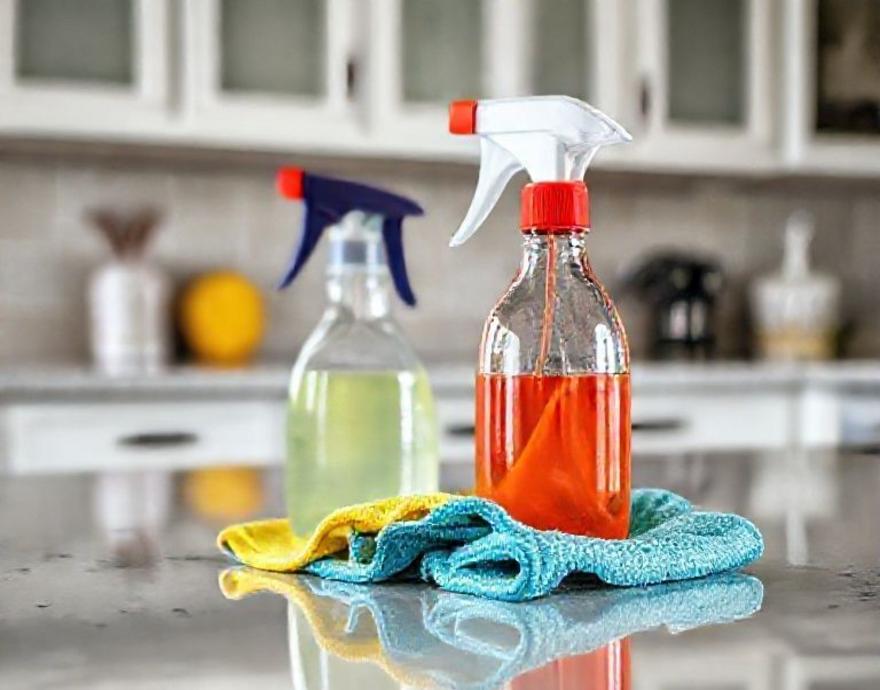
Battling Tampa’s cleaning hurdles can sometimes feel like a never-ending game of whack-a-mole, but with a little insight and preparation, you can keep your home fresh and inviting. We’ve explored how Tampa’s notorious humidity is more than just a bad hair day culprit; it intensifies dust and grime, necessitating thorough dusting strategies and vigilant mold control. Let’s not forget the pesky sand that always seems to travel indoors uninvited—keeping welcome mats and strategic vacuuming on hand can be lifesavers. Finally, by leveraging these savvy techniques, you embrace the wisdom of working with nature rather than against it, ensuring your home remains a comforting oasis amidst Tampa’s environmental quirks.
And hey, if this inspired a cleaning spree but life’s too busy, why not take the easy route? Wrapping this up, if you’re ready to tackle your home cleaning without the hassle, hit us up at Joy of Cleaning. Book a Cleaning online or call (727) 687-2710—we’ve got your back! Follow us on Facebook and Instagram for more fun tips.