Do traditional decluttering methods leave you feeling exhausted and defeated? You’re definitely not flying solo. Many people struggle with applying these approaches only to find their homes still overstuffed. Why do they often fail? Enter the Rule of 5, an alternative that might just tickle your neat-freak fantasies! Ever had those slapstick decluttering fails that are funny only in hindsight? Let’s straighten out your space with practical steps that don’t demand Herculean efforts. Ready to declutter without breaking a sweat? Dive in to explore a refreshing new take on tidying up!

Key Takeaways
- Traditional decluttering methods can feel like you’re wrestling with a greased-up octopus.
- If those old tricks leave you tired, you’re definitely not flying solo!
- Discover why KonMari isn’t cutting it and what to do instead.
- Enter the Rule of 5: a simple tweak promising to make decluttering a breeze.
- Find out why simplifying might just be the smarter strategy for peace of mind.
- Stubborn clutter? The Rule of 5 could be the magic you’ve been missing.
- Consider ditching the clutter guru guides in favor of something refreshing and practical.
The Harsh Reality of Traditional Decluttering Overwhelm
You know that sinking feeling when you decide “today’s the day” to tackle your entire bedroom, only to find yourself three hours later sitting in the middle of an even bigger mess, questioning your life choices? Yeah, we’ve all been there. Traditional decluttering methods often promise dramatic transformations but deliver exhaustion and defeat instead. The rule of 5 decluttering method exists precisely because those marathon organizing sessions rarely work for real people with real lives. Most folks start with grand ambitions—they’ll sort through everything, create perfect systems, and emerge with magazine-worthy spaces. But here’s the thing: our brains aren’t wired for that kind of sustained decision-making, and our schedules definitely aren’t built for six-hour organizing marathons.
- The Decision Fatigue Monster: Traditional methods force you to make hundreds of keep-or-toss decisions in rapid succession, literally exhausting your brain’s capacity to choose wisely—micro-decluttering prevents this mental overload entirely.
- Time Poverty Reality: Most people can’t dedicate entire weekends to organizing, making traditional approaches feel impossible before you even start, while daily organization habits work with any schedule.
- The Perfection Trap: When the goal is a completely transformed space, anything less feels like failure, whereas small wins organizing celebrates every bit of progress.
- Physical Burnout: Moving furniture, hauling boxes, and sorting through years of accumulation is genuinely exhausting work that leaves you too tired to maintain results.
- Missing Maintenance Systems: Traditional decluttering focuses on the big clean-up but ignores the daily habits needed to keep spaces organized long-term.
Why Your Brain Loves the Micro-Decluttering Approach
Here’s something fascinating about how our minds work—they’re basically reward-seeking machines that thrive on achievable goals and quick wins. The rule of 5 decluttering method taps into this psychological goldmine by giving you frequent, manageable victories. When you successfully handle five items, your brain releases a little hit of dopamine, the same feel-good chemical you get from checking items off your to-do list or getting likes on social media. This isn’t just feel-good fluff—it’s serious neuroscience working in your favor. Research shows that small, consistent actions create stronger neural pathways than sporadic intense efforts, which explains why people who embrace micro-decluttering tend to stick with it long-term. Your brain literally gets addicted to the success pattern.
- Dopamine-Driven Success: Each five-item completion triggers your brain’s reward system, creating natural motivation to repeat the behavior without relying on willpower alone.
- Reduced Overwhelm Response: Small tasks don’t activate your stress response the way massive projects do, keeping cortisol levels stable and decision-making clear.
- Confidence Compound Effect: Every successful micro-decluttering session builds evidence that you’re capable of maintaining organized spaces, shifting your self-identity from “messy person” to “organized person.”
- Habit Loop Formation: The simplicity of focusing on just five items makes it easy to link this behavior to existing routines, creating automatic daily organization habits.
- Progress Visibility: Unlike massive overhauls where progress feels slow, you can literally see improvement after just one or two five-item rounds, maintaining motivation naturally.
Mastering Room-by-Room Decluttering Without the Drama
Different spaces in your home accumulate clutter in unique ways, and your rule of 5 decluttering strategy should reflect these patterns. Think about it—your kitchen probably collects mail, random gadgets, and dishes, while your bedroom gathers clothes, books, and personal items. The beauty of room-by-room decluttering lies in understanding each space’s personality and adjusting your approach accordingly. Some areas need daily attention (I’m looking at you, kitchen counter), while others might only require a few visits per week. The key is working with your space’s natural rhythms instead of fighting against them. We’re not trying to create museum displays here—we’re building functional, peaceful environments that support your actual lifestyle.
- Kitchen Counter Rescue: Focus on clearing surfaces first—remove single-use gadgets you haven’t touched in weeks, relocate mail to its proper home, return dishes to cabinets, and tackle that mysterious pile of “stuff” by the coffee maker.
- Bedroom Sanctuary Strategy: Target the obvious culprits—clothes draped over chairs, items on nightstands that migrated from other rooms, shoes that didn’t make it to the closet, books you’ve finished reading, and anything hiding under the bed.
- Living Room Liberation: Concentrate on high-traffic clutter zones like coffee tables, side tables, and entertainment centers—remove old magazines, return remote controls to designated spots, and relocate items that belong in other rooms.
- Bathroom Basics: Attack the counter chaos—remove expired products, return toiletries to proper storage, toss empty containers, clear shower surfaces, and organize that drawer everyone stuffs with random items.
- Home Office Order: Address paper pile-ups, return borrowed supplies, clear desk surfaces of non-essential items, file important documents, and remove broken or outdated equipment that’s taking up valuable space.
Building Daily Organization Habits That Actually Stick
You want to know the real secret behind people with consistently organized homes? It’s not some magical gene or unlimited free time—it’s their daily organization habits. These folks have figured out how to make small organizing actions as automatic as brushing their teeth. The rule of 5 decluttering method works best when it becomes woven into your existing routines, requiring zero extra motivation or schedule juggling. Think about habits you already do without thinking—making coffee, checking your phone, or turning off lights when leaving a room. We’re going to piggyback on those established behaviors to create a micro-decluttering routine that feels natural and sustainable. The goal isn’t to add more tasks to your day; it’s to embed organization into what you’re already doing.
- Morning Momentum Builder: Start each day by tackling five items in whatever room you enter first—often the kitchen while making coffee—creating positive energy that carries through your entire day and sets an organized tone.
- Transition Time Magic: Use natural breaks in your routine as decluttering triggers—coming home from work, finishing dinner, or getting ready for bed—times when you’re already moving between activities.
- Evening Wind-Down Ritual: Make your final five-item sweep part of your bedtime routine, ensuring you wake up to tidier spaces and reduced visual stress to start tomorrow right.
- Weekend Maintenance Mode: Dedicate slightly more attention on weekends to rooms you might have missed during busy weekdays, but maintain the five-item limit to prevent weekend organizing from becoming overwhelming.
- Family Integration Strategy: Get household members involved by assigning different rooms or having family five-item challenges during dinner prep or commercial breaks—making organization a team effort rather than a solo struggle.
Creating Maintenance Cleaning Systems That Prevent Clutter Comeback
Here’s where most organizing advice completely drops the ball—it teaches you how to declutter but leaves you hanging when it comes to staying decluttered. Maintenance cleaning systems are your insurance policy against clutter creep. Think of it this way: you wouldn’t expect to brush your teeth once and have them stay clean forever, right? Your home needs that same consistent, gentle attention. The rule of 5 decluttering method naturally evolves into a maintenance system because you’re constantly preventing buildup rather than dealing with overwhelming accumulation. This mindset shift—from crisis management to prevention—changes your entire relationship with your living space. Instead of feeling like you’re constantly playing catch-up, you’ll feel in control and proactive about your environment.
- Prevention Over Perfection Philosophy: Focus on stopping clutter at its source by implementing simple rules like “one item in, one item out” and creating designated homes for frequently used items that tend to wander.
- Weekly Reset Rhythm: Establish specific days for different maintenance tasks—maybe Wednesdays for paper sorting and mail handling, Sundays for a general five-item sweep through less-used rooms, keeping your system predictable and manageable.
- Seasonal System Tune-Ups: Schedule quarterly reviews to assess what’s working and what isn’t in your maintenance cleaning systems, adjusting your approach based on changing seasons, schedules, or family needs.
- Emergency Protocol Planning: Develop quick strategies for when life gets chaotic—sick family members, work deadlines, or unexpected guests—that maintain basic order without adding stress to already difficult situations.
- Success Tracking Methods: Keep simple records of which rooms need more attention or which times of day work best for your five-item routine, helping you refine your daily organization habits based on real data rather than guesswork.
Overcoming Mental Blocks and Common Excuses
Let’s have an honest conversation about the obstacles that pop up, even with the simplest organizing method. Maybe you forget to do your five items for several days running, or your family thinks your new system is silly, or you start wondering if micro-decluttering actually makes a difference. These doubts and challenges are completely normal—expecting them actually helps you prepare better solutions. The rule of 5 decluttering method is designed to be forgiving and flexible, but you still need strategies for those moments when motivation disappears or life throws curveballs. Research on behavior change shows that people who anticipate obstacles and create specific plans to overcome them are significantly more likely to maintain new habits long-term. So let’s troubleshoot the most common roadblocks before they derail your progress.
- The Classic “No Time” Excuse: Five items literally takes two to three minutes—less time than scrolling social media while your coffee brews or waiting for your computer to boot up, making this excuse pretty difficult to maintain once you actually try it.
- Perfectionism Paralysis Problem: Remember that any five items are better than perfect five items that never get handled—your goal is progress, not optimization, and “good enough” consistently beats “perfect but never started.”
- Family Resistance Reality: Start with spaces that are primarily yours and let results speak for themselves; people often become curious and want to participate when they see how manageable and effective the system looks.
- Consistency Challenge Solutions: Use external reminders like phone alarms, sticky notes, or habit-tracking apps until the behavior becomes automatic—research suggests this takes anywhere from 21 to 66 days depending on the complexity.
- Motivation Dip Management: Take before-and-after photos of your progress, even small improvements, and review them during low-motivation moments to remind yourself that small wins organizing really does create visible change over time.
Measuring Success and Celebrating Long-Term Transformation
Success with the rule of 5 decluttering method looks different from those dramatic before-and-after photos you see on social media. Instead of sudden transformations, you’ll notice gradual improvements that compound over time, creating lasting change that feels sustainable rather than shocking. Maybe your kitchen counter stays clear more days than not, or you can actually find your keys without a frantic search, or friends can visit without you spending an hour hiding clutter. These small wins organizing victories might seem modest individually, but collectively they represent a fundamental shift in how you experience your home. Research consistently shows that people who use micro-decluttering approaches maintain their results longer than those who rely on intensive weekend overhauls, making this method not just easier but more effective for long-term success.
- Daily Quality of Life Improvements: Notice how much smoother your morning routines become when you’re not hunting for items, how much more relaxing it feels to come home to tidier spaces, and how much easier it is to find things quickly.
- Time Savings Accumulation: Track the minutes you’re no longer spending on clutter-related searches or stress—many people report saving 15-30 minutes daily once their maintenance cleaning systems are fully established and running smoothly.
- Stress Reduction Benefits: Pay attention to your mental state in different rooms; organized spaces typically reduce cortisol levels and improve overall mood, productivity, and sense of control over your environment.
- Maintenance Ease Evolution: Celebrate how much simpler deep cleaning becomes when you’re not battling clutter first—your regular cleaning tasks will feel almost effortless compared to pre-system days.
- Habit Strength Indicators: Measure how automatic your five-item routine becomes; when you start doing it without conscious thought or effort, you’ve successfully rewired your relationship with your living space and created lasting daily organization habits.
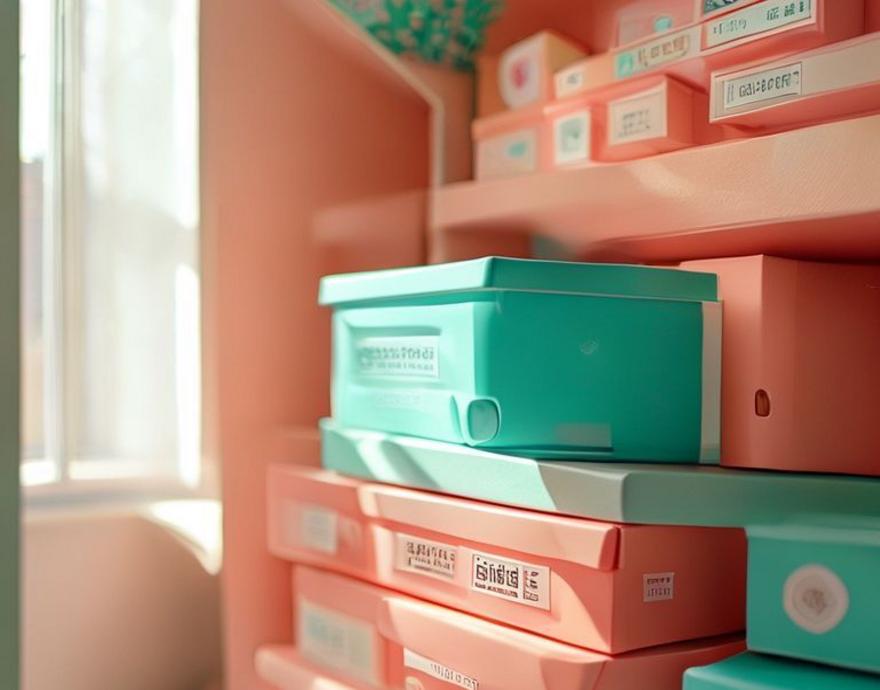
Who knew decluttering could feel like climbing Mount Everest? If traditional methods make you want to retreat into a nest of clutter, you’re not alone. We’ve unpacked why typical approaches often leave people defeated: they demand too much time and discipline, which can be hard to muster in our already busy lives. Enter the Rule of 5—your practical new BFF in organizing chaos. This simple method helps you chisel away at clutter without burnout, focusing on taking small, manageable steps. So why does it work better than the old-fashioned ways? It’s all about reducing overwhelm and making progress feel achievable, finally bringing order to your life without breaking a sweat.
And hey, if this inspired a cleaning spree but life’s too busy… well, wrapping this up, if you’re ready to tackle your home cleaning without the hassle, hit us up at Joy of Cleaning. Book a quote online or call (727) 687-2710—we’ve got your back! Follow us on Instagram and Facebook for more fun tips, or click here to Book a Cleaning. Let’s keep things tidy together!