Do weekends feel like a never-ending episode of Clutter Wars? You’re not alone, and don’t worry; we’ve got the ultimate guide for you! Dive deep into strategies that transform your weekend from chaos to serenity. Spoiler: it’s all about turning tidying up into a zen session. We’ve got insider tips, a touch of humor, and maybe even a funny tidbit or two – ever tried a hack and it hilariously flopped? Say goodbye to clutter and hello to peace of mind. Ready to reclaim those weekends? Let’s get started!

Key Takeaways
- Transform cluttered weekends – say goodbye to chaos with these clever tidying tricks.
- Discover weekend decluttering tips that actually make tidying fun.
- Uncover the secrets to a spotless home and a clear mind; it’s easier than you think!
- Tired of the endless battle against clutter? Reclaim your weekends with these proven strategies.
- Turn your home into a serene haven by mastering clutter control techniques.
- Wanna enjoy your Saturday mornings again? Get your space (and sanity) back in no time!
Why Weekend Clutter Feels So Overwhelming
You know that sinking feeling when Friday rolls around and you realize your weekend is going to be consumed by the clutter monster again? We think there’s something particularly cruel about how mess seems to multiply when we’re supposed to be relaxing. Weekend clutter isn’t just about stuff being out of place—it’s about the mental load of seeing chaos when you’re trying to recharge. This overwhelming feeling hits neurodivergent minds especially hard, making traditional cleaning approaches feel impossible.
- Decision Fatigue Amplification: After a full week of choices, your brain rebels against making more decisions about where things belong, turning simple tidying into an exhausting mental marathon
- Visual Overwhelm: Clutter creates visual noise that’s particularly challenging for ADHD brains, making it hard to know where to start or how to prioritize tasks
- Time Pressure Anxiety: Weekends feel precious and limited, so spending them on cleaning feels like a punishment rather than productive self-care
- All-or-Nothing Thinking: The pressure to have a “perfect” clean house by Monday morning creates paralysis—if you can’t do it all, why start at all?
- Energy Mismatch: Traditional cleaning advice assumes consistent energy levels, but neurodivergent organizing needs to account for fluctuating motivation and focus
Breaking Free from Traditional Cleaning Prison
Here’s the thing about most decluttering tips—they’re designed by and for neurotypical brains that can handle linear, room-by-room approaches. But what if your brain works more like a butterfly than a bulldozer? Making decluttering fun starts with ditching the rigid rules that make cleaning feel like punishment. We’ve been conditioned to think that effective organizing has to be systematic and boring, but that’s just not true for everyone.
- Ditch the Room-by-Room Tyranny: Traditional methods lock you into completing entire spaces, but fun cleaning hacks let you follow your natural energy and attention patterns instead
- Embrace Imperfect Progress: The best neurodivergent organizing approaches celebrate partial completions and small wins rather than demanding perfection before moving on
- Work WITH Your Brain: ADHD cleaning strategies succeed when they match how your mind actually processes information and tasks, not how cleaning “should” work
- Flexibility Over Structure: Rigid cleaning schedules often fail because they don’t account for real life—mood changes, energy dips, unexpected events
- Joy as a Tool: When you make decluttering fun, you’re not being frivolous—you’re using positive emotions as fuel to maintain momentum and create lasting habits
The Science Behind Butterfly Movement and Focus
You might wonder why flitting from task to task could possibly be more effective than focused, linear cleaning. Turns out, there’s actual neuroscience backing up this approach! The butterfly method works because it mimics how neurodivergent brains naturally process information and maintain engagement. Instead of fighting against your natural tendencies, you’re harnessing them as a superpower for getting stuff done.
- Dopamine Hit Distribution: Moving between different tasks provides multiple completion rewards, keeping your brain engaged and motivated throughout the session
- Attention Restoration Theory: Brief changes in focus actually refresh your mental resources, preventing the burnout that comes from sustained attention on boring tasks
- Cognitive Load Management: Breaking large projects into smaller, varied chunks prevents mental overload while still making significant progress
- Executive Function Support: The butterfly approach reduces the planning and sequencing demands that often overwhelm ADHD brains during cleaning tasks
- Novelty Seeking Satisfaction: Moving between different areas and types of items provides the variety and stimulation that keeps neurodivergent minds engaged
Creating Your Personal Butterfly Navigation System
The magic of making decluttering fun lies in designing a system that feels as natural as breathing. Your butterfly navigation system should reflect your unique living space, energy patterns, and personal preferences. I learned this after years of trying to force myself into other people’s organizing systems—what works is what works for YOU, not what looks good in a magazine or works for your super-organized friend.
- Map Your Natural Pathways: Notice how you already move through your space during daily routines, then build your butterfly route along these existing patterns for effortless flow
- Identify Energy Zones: Some areas of your home naturally feel more energizing while others drain you—plan your butterfly sequence to use high-energy spots when you need momentum
- Create Visual Landing Cues: Use colorful sticky notes or small objects to mark your designated landing zones, making the system visible and concrete rather than abstract
- Build in Flexibility Points: Designate a few “wild card” zones where you can land if your planned route isn’t working on a particular day
- Scale to Your Reality: A studio apartment might have 5 micro-zones while a large house could support 15-20 landing areas—match the system to your actual space and time constraints
Mastering the Art of Gentle Momentum
Traditional cleaning advice often feels like boot camp—push through, power up, get it done! But sustainable neurodivergent organizing is more like learning to dance with your own rhythms. The butterfly method teaches you to build and maintain gentle momentum without burning out or overwhelming your system. This isn’t about being lazy or unfocused—it’s about being strategically kind to your brain.
- Start Smaller Than You Think: Begin with 5-10 minute landing sessions rather than ambitious hour-long chunks—you can always extend if energy is flowing
- Honor Your Transition Time: Build in 2-3 minutes between landing zones to physically and mentally shift gears without rushing or pressure
- Use Movement as Reset: The physical act of walking to your next zone naturally clears mental residue from the previous task and refreshes your focus
- Celebrate Micro-Victories: Acknowledge every small completion—clearing one shelf, sorting one drawer, or even just touching every item in a space counts as real progress
- Listen to Energy Signals: When momentum starts to fade, that’s information, not failure—respect it and either take a break or switch to a different type of zone
Transforming Decision Fatigue into Decision Flow
One of the biggest barriers to weekend cleaning is the sheer volume of decisions required—keep, donate, trash, relocate, fix, store. Your brain gets tired just thinking about it! Fun cleaning hacks address this by creating decision shortcuts and frameworks that turn overwhelming choices into almost automatic responses. The goal isn’t to eliminate decisions but to make them feel effortless and natural.
- The Three-Pile System: Simplify every decision to just three options—keep and put away immediately, donate/give away, or trash—no complex category sorting required
- Time-Based Decision Rules: Create simple guidelines like “if I haven’t used it in a year, it goes” or “if it’s broken and I haven’t fixed it in 6 months, it’s trash”
- Energy-Based Choices: Match decision complexity to your current mental state—save tough emotional decisions for high-energy moments and stick to obvious choices when you’re tired
- Default Actions: Establish automatic responses for common situations—expired items always go in trash, duplicate items always get donated, broken items get one chance for repair
- Decision Parking: Create a temporary “maybe” category for items you can’t decide about quickly, then revisit them at the end when you have more context
Building Your Support Ecosystem
Here’s something most decluttering tips miss—you don’t have to do this alone! Creating a support ecosystem around your butterfly cleaning practice makes the difference between a weekend experiment and a life-changing habit. Whether it’s accountability buddies, family cooperation, or just the right playlist, surrounding yourself with support turns solitary cleaning into a community effort.
- Virtual Body Doubling: Use video calls or online co-working sessions where you clean alongside others who are also organizing—the parallel presence provides motivation and accountability
- Family Flight Patterns: Teach household members the butterfly method so everyone can participate without getting in each other’s way or competing for the same spaces
- Progress Documentation: Share before/after photos with friends or social media communities that celebrate small wins and understand the challenges of neurodivergent organizing
- Professional Backup: Know when to call in reinforcements—sometimes bringing in outside help for big projects creates the foundation for successful butterfly maintenance
- Celebration Rituals: Establish ways to mark your butterfly sessions as special and worthwhile—special music, favorite snacks, or post-cleaning treats that honor your effort
Maintaining Your Butterfly Garden Long-Term
The real test of any organizing system isn’t how well it works for one weekend—it’s whether you can maintain it over months and years without it becoming another source of stress. The beauty of the butterfly method lies in its adaptability and gentleness, but even flexible systems need some structure to remain sustainable. Think of this as tending a garden rather than building a monument.
- Seasonal Adaptations: Adjust your landing zones and routes based on changing needs—summer might emphasize outdoor gear areas while winter focuses on cozy indoor spaces
- Life Phase Flexibility: The method scales up and down with major life changes—new babies, job changes, health challenges—without requiring you to start over from scratch
- Habit Layering: Gradually add butterfly moments to existing routines rather than trying to establish entirely new habits—a 5-minute morning flutter or evening landing
- Regular System Reviews: Check in with yourself monthly about what’s working and what needs adjustment—your needs and preferences will evolve over time
- Grace and Reset Protocols: Plan for inevitable disruptions and have simple ways to restart your practice after breaks, illness, or busy periods without shame or self-criticism
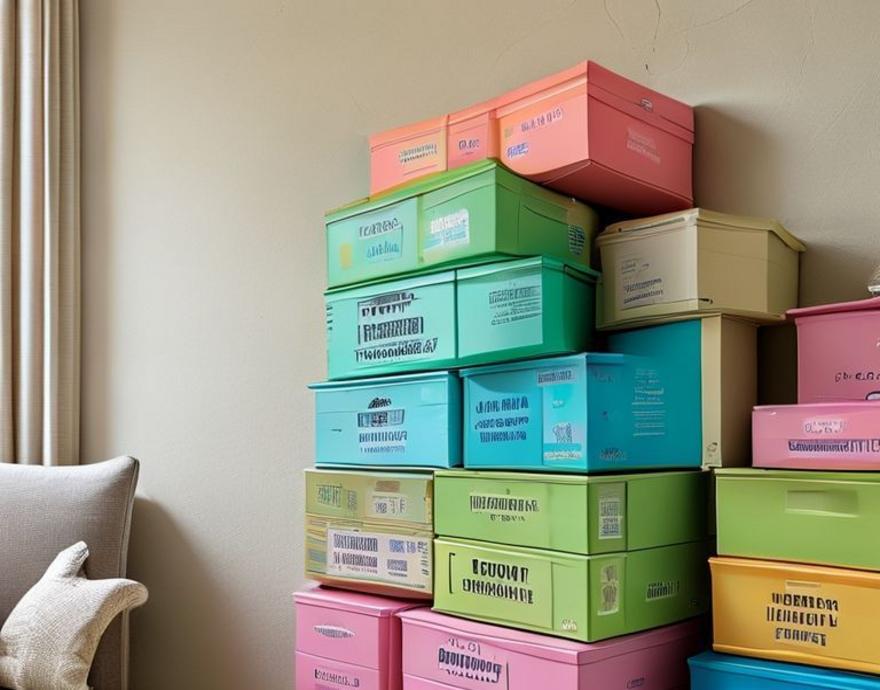
Remember those carefree weekends you used to have before clutter took over? By embracing simple yet effective decluttering techniques, you’ve learned that tidying up can actually be a stress-reducing activity, rather than the marathon chore we tend to dread. The key takeaways here are that a consistent, small effort beats the once-a-month cleanout—ditching that old habit of letting mess pile up. Plus, by setting clear goals and breaking tasks into manageable bits, you’re not just reclaiming physical space but mental clarity too. It’s all about developing a routine that makes your home feel like the retreat it should be and ensuring that your weekends are filled with joy, not chaos.
And hey, if this inspired a cleaning spree but life’s too busy, we get it. Wrapping this up, if you’re ready to tackle your home cleaning without the hassle, hit us up at Joy of Cleaning. Book a Cleaning online or call us at (727) 687-2710—we’ve got your back! Follow us on Instagram and Facebook for more fun tips. Let us help make your home that clutter-free zone you’ve always dreamed of.