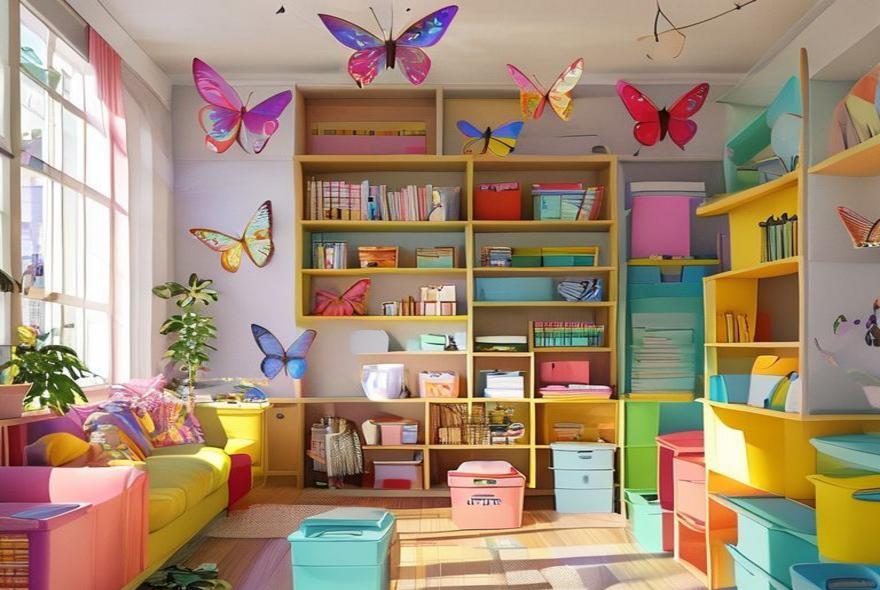
Ready to kickstart your own ‘Checklist for a Fun-Filled Decluttering Session’? Let’s make tidying up both thrilling and effective! We’ve all been there—staring at an overflowing closet, feeling more chaos than calm. Imagine transforming your space while having a blast. With our comprehensive tips, you’ll be on a roll, tossing out the unnecessary and revitalizing your home. Ever stack boxes just to watch them tumble? Yeah, let’s avoid that. This guide promises a journey where efficiency meets enjoyment. So, are you set for some decluttering magic?
Key Takeaways
- Start your decluttering session with some upbeat tunes—dancing while dusting is highly recommended!
- Break it down: Tackle one room at a time to avoid overwhelm and keep your spirits high.
- Set a timer for each task to add a sense of urgency—and avoid getting lost in a sea of knick-knacks.
- Sort items into ‘Keep,’ ‘Donate,’ and ‘Trash’ piles—because does anyone really need that third cheese grater?
- Get the family involved! Turn decluttering into a fun game with rewards at the end.
- Stay hydrated—because even professional declutterers take a sip or two while reorganizing nostalgia.
- Celebrate your clean space with a small treat—chocolate or a favorite show marathon, perhaps?
Pre-Flight Checklist: Setting Your Sunday Butterfly Intentions
You know that Sunday morning feeling when you’re staring at your cluttered space, coffee in hand, wondering where to even begin? The Sunday Butterfly Method starts with setting clear, gentle intentions rather than overwhelming yourself with massive to-do lists. Making decluttering fun begins before you even touch your first item—it’s all about creating the right mindset and environment for success. Think of this as your pre-flight safety check, but way more enjoyable and specifically designed with neurodivergent organizing principles in mind.
- Energy Assessment First: Check in with yourself honestly—are you feeling high-energy and ready to tackle multiple zones, or is today more of a gentle surface-clearing kind of day?
- Set Realistic Expectations: The Sunday butterfly method works because it adapts to your capacity, not the other way around. Three landing zones might be perfect today, seven might be too ambitious.
- Gather Your Simple Tools: One donation box, one trash bag, one small basket for relocating items—that’s it. Resist the urge to buy fancy organizing products before you start.
- Choose Your Soundtrack Wisely: Pick music or podcasts that energize without overwhelming. For ADHD cleaning sessions, sometimes upbeat instrumentals work better than lyrics that might distract.
- Plan Your Victory Celebration: Decide ahead of time how you’ll reward yourself after your butterfly session—maybe a favorite snack, a cozy movie, or sharing your progress with a friend.
Creating Your Butterfly Landing Map for Maximum Impact
Here’s where the magic really starts to happen with fun cleaning hacks—you’re going to map out your butterfly flight path like you’re planning the world’s most satisfying treasure hunt. We’re not talking about those overwhelming whole-house cleaning marathons that leave you exhausted and defeated. Instead, think strategic, bite-sized landing zones that give you quick wins and keep that momentum flowing. I’ve found that the sweet spot is usually 5-7 landing zones, but honestly, even three can create dramatic results if you choose them wisely.
- Start with High-Impact Surfaces: Kitchen counters, coffee tables, and nightstands give you the biggest visual bang for your decluttering buck—clear these first for instant satisfaction
- Include One “Problem Area”: That junk drawer, overflowing bookshelf, or chair that’s become a clothes mountain—tackle one challenging spot per session for real progress
- Map Natural Pathways: Plan your route so you’re moving logically through your space rather than zigzagging randomly, which can feel chaotic and draining
- Balance Easy and Hard: Alternate between simple surface clears and more complex organizing tasks to maintain energy and motivation throughout your session
- Consider Daily Function: Focus on areas you use most frequently—clearing these will have the biggest impact on your daily life and stress levels
The Art of Lightning-Fast Decision Making
This is where traditional decluttering tips often fall flat for neurodivergent minds—they expect us to make perfect decisions about every single item, which is exhausting and unrealistic. The Sunday butterfly method embraces what I call “good enough” decision making. You’re not curating a museum here, you’re creating a space that supports your actual life. The goal is progress, not perfection, and that mindset shift alone can make decluttering fun instead of agonizing.
- Implement the 5-Second Rule: If you can’t immediately decide whether to keep, donate, or toss an item, it goes in a “maybe” pile to revisit at the end—don’t get stuck deliberating
- Use Simple Decision Filters: “Have I used this in the past year?” and “Would I buy this again today?” are two quick questions that cut through emotional attachment and decision paralysis
- Embrace Batch Processing: Group similar items together as you encounter them—all the pens, all the hair ties, all the random cables—and deal with categories rather than individual pieces
- Trust Your Gut Instincts: Often your first impulse about an item is correct. Overthinking leads to decision fatigue, which is the enemy of sustainable ADHD cleaning practices
- Create “Home Base” Rules: Every item should have a designated home. If something doesn’t have a clear place where it belongs, that’s usually a sign it might not need to stay
Maintaining Momentum When Your Brain Wants to Wander
Let’s be real about something—neurodivergent organizing comes with unique challenges that traditional cleaning advice completely ignores. Your brain might want to hyperfocus on organizing one tiny drawer for three hours, or it might get completely distracted by an interesting book you found under a pile of papers. The Sunday butterfly method actually works with these tendencies instead of fighting against them, which is why it’s become such a viral sensation among people who’ve struggled with conventional decluttering approaches.
- Set Gentle Timers for Each Zone: Use soft chimes rather than jarring alarms, and treat them as friendly reminders rather than strict deadlines—the goal is flow, not stress
- Use the “Parking Lot” Method: Keep a small notebook handy to jot down interesting discoveries or tasks that pop up so you don’t lose your main focus but don’t forget important things either
- Build in Movement Breaks: The beauty of butterfly cleaning is that you’re naturally moving between spaces, but don’t forget to stretch, hydrate, and take actual breaks when needed
- Celebrate Micro-Wins: Take photos of each completed landing zone, do a little victory dance, or simply pause to appreciate what you’ve accomplished before moving to the next area
- Practice Self-Compassion: Some days you’ll fly through all your planned zones, other days you might only complete two—both outcomes are perfectly valid and worthy of celebration
Gamification Strategies That Actually Work
Here’s where we take making decluttering fun to the next level with some seriously effective gamification techniques. I’m talking about turning your Sunday butterfly session into something you actually look forward to, maybe even crave. The secret is tapping into the same psychological rewards that make video games so addictive—clear goals, immediate feedback, and satisfying progression. These fun cleaning hacks have transformed weekend cleaning from a dreaded chore into genuine entertainment for countless people.
- Create a Point System: Award yourself points for different actions—5 points for items donated, 10 for trash thrown away, 15 for items returned to their proper homes, bonus points for completing zones ahead of schedule
- Set Up Challenges: “Can I clear this entire surface in under 10 minutes?” or “How many books can I return to the bookshelf during this commercial break?” Keep it playful, not stressful
- Use Progress Bars: Create a simple chart or use an app to track your completed landing zones—there’s something deeply satisfying about filling in those progress indicators
- Implement Reward Milestones: Plan small treats for reaching certain goals—maybe a fancy coffee after three zones, or your favorite TV show after completing the whole session
- Share Your Wins: Post before/after photos on social media, text updates to supportive friends, or join online communities focused on ADHD cleaning and neurodivergent organizing for encouragement and accountability
Adapting Your Butterfly Style to Different Spaces
The beauty of the Sunday butterfly method is its incredible flexibility—it works whether you’re in a tiny studio apartment or a sprawling house, whether you’re dealing with a single cluttered room or multiple chaotic spaces. The key is scaling your approach to match your physical space and current life circumstances. I’ve seen people successfully adapt these decluttering tips for everything from dorm rooms to family homes with kids and pets running around.
- Studio Apartment Strategies: Create micro-zones within single rooms—your desk might have three separate landing zones (left side, right side, drawers), maximizing the butterfly effect in compact spaces
- Multi-Room House Approaches: Plan a route that takes you through different areas systematically, spending 15-20 minutes in each room before moving on to maintain that light, energetic momentum
- Shared Space Considerations: Focus on areas that are primarily your responsibility, and create landing zones that don’t disrupt other people’s belongings or routines
- High-Traffic Area Priorities: Start with spaces that everyone uses daily—entryways, kitchens, main living areas—where your efforts will have the biggest positive impact on household harmony
- Storage-Heavy Zones: Break large storage areas like closets or basements into smaller sections, treating each shelf or category as its own landing zone to prevent overwhelm
Building Long-Term Success with Sustainable Habits
You know what’s frustrating about most decluttering tips? They create these amazing transformations that last about a week before everything slides back into chaos. The Sunday butterfly method addresses this head-on by building gentle, sustainable practices that work with neurodivergent brains long-term. We’re not aiming for magazine-perfect spaces that require constant maintenance—we’re creating flexible systems that support how you actually live, think, and function in your daily life.
- Develop Your Weekly Rhythm: Use Sundays as your main butterfly session, but sprinkle mini-flights throughout the week—even five minutes of surface clearing while your coffee brews counts as progress
- Practice Habit Stacking: Attach small butterfly moments to existing routines, like doing a quick counter clear while dinner cooks or tackling one drawer while laundry runs
- Embrace Flexible Consistency: Missed your Sunday session? No problem. The method works just as well on Tuesday evenings or Saturday mornings when that fits your schedule and energy levels better
- Document What Works: Keep simple notes or photos about which landing zones give you the biggest satisfaction, which times of day work best, and which strategies keep you most motivated
- Build Your Support Network: Connect with others using similar ADHD cleaning approaches through online communities, local groups, or friends who share similar organizing challenges and victories
Troubleshooting Common Butterfly Method Challenges
Even the most brilliant fun cleaning hacks come with their hiccups, and the Sunday butterfly method is no exception. The difference is, this approach expects and accommodates the challenges that typically trip up neurodivergent organizers. Let’s talk about the real stuff—those moments when you get hyperfocused on organizing one tiny corner for two hours, or when decision paralysis kicks in hard, or when you realize you’ve been creating new piles instead of actually decluttering anything.
- Hyperfocus Trap Solutions: Set multiple gentle alarms and give yourself permission to leave zones “good enough” rather than perfect—remember, progress beats perfection every single time
- Decision Paralysis Breakers: Create simple default rules like “when in doubt, donate” or “if I haven’t used it in a year, it goes”—having predetermined guidelines removes the mental load of constant decision-making
- Pile Creation Prevention: Designate specific containers for keep, donate, and trash before you start, and resist the urge to create subcategories or “maybe” piles beyond one small basket
- Energy Crash Management: Build rest stops into your routine, eat protein-rich snacks, stay hydrated, and remember that ending early is infinitely better than burning out completely
- Perfectionism Battle Tactics: Embrace the “butterfly effect” mindset—small, imperfect changes in organization can create surprisingly big improvements in how your space feels and functions day-to-day

Well, there you have it—a sure-fire plan to transform your decluttering session from a chore into a fun-filled activity. Remember, the secret sauce is in the planning. Armed with our checklist, you’ve got all the hints and tips you need to keep the momentum going while ensuring your house turns into a sanctuary of calm. Key takeaways? Set the mood with some groovy tunes, sort out those items that no longer spark joy, and reward yourself at the end of a productive day. By keeping this process efficient, yet enjoyable, you’re not just tidying an area—you’re embracing a new mindset that can spark creativity and productivity in all aspects of your life.
And hey, if this inspired a cleaning spree but life’s too busy, fear not! Wrapping this up, if you’re ready to tackle your home cleaning without the hassle, hit us up at Joy of Cleaning. Book a Cleaning online or call (727) 687-2710—we’ve got your back! Follow us on Facebook and Instagram for more fun tips and a sprinkle of cleaning inspiration.