Ever felt your home was just a smidge too clean but not quite cozy? Our ‘Checklist for a Cozy, Guest-Friendly Home’ is your secret weapon for transforming those perfectly tidy rooms into warm, welcoming spaces. Whether it’s adding a quirky lamp or the perfect throw pillow, these thoughtful touches make all the difference. Why impress just with cleanliness when you can charm guests with ambiance? Curious about achieving that balance? Let’s dive into the small yet impactful adjustments that truly say, ‘Come, stay awhile.’ Prepare for a home so inviting, even you might want to move in!
Key Takeaways
- Make your home a guest magnet with cozy blankets and pillows.
- Swap harsh overheads for soft, inviting lighting.
- Clear the clutter—nothing says ‘stay awhile’ like neat countertops.
- Fresh flowers or a scented candle can work wonders for ambiance.
- Stock up on snacks—because who isn’t a little snacky?
- No guest room? No problem! A tidy corner works magic.
- Have essential toiletries handy to impress your guests easily.
Understanding What Makes a Home Truly Guest-Ready
You know that feeling when unexpected guests ring your doorbell and you mentally calculate how many seconds it would take to shove everything into the nearest closet? We’ve all been there! Creating a cozy, guest-friendly home isn’t just about having a clean space – it’s about crafting an environment where people feel genuinely welcomed and comfortable. The difference between a house that’s simply tidy and one that’s truly guest-ready lies in those thoughtful touches that show you’ve considered your visitors’ needs and comfort.
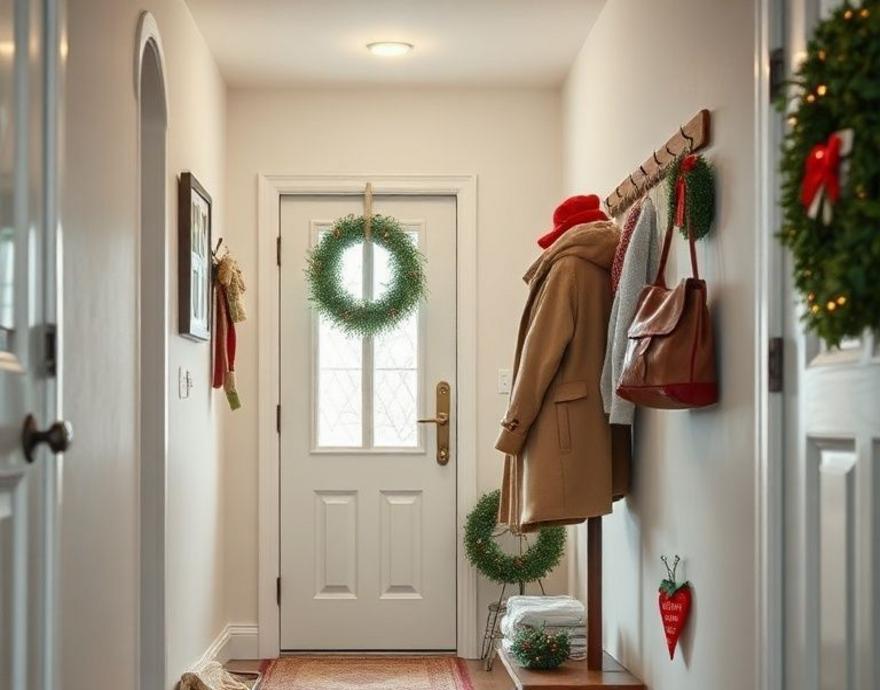
- First impressions start at the front door: Your entryway sets the tone for the entire visit, so focus on creating a welcoming transition space that feels organized and inviting rather than chaotic
- Comfort goes beyond cleanliness: Guests notice things like adequate lighting, comfortable seating, and easy access to necessities – these details matter more than perfect organization
- Anticipate basic needs: Think about what guests might need during their visit – from a place to hang their coat to knowing where the bathroom is without having to ask
- Create spaces that encourage relaxation: The goal is helping guests feel at ease, which means removing obstacles and awkwardness from their experience in your home
- Balance personal style with universal comfort: Your home should still feel like you while being accessible and comfortable for people who don’t live there daily
The Essential Entryway: Creating a Welcoming First Impression
Let’s talk about that crucial first moment when someone steps into your home. The entryway is like the opening line of a good book – it either draws people in or leaves them feeling unsettled. I learned this lesson when my mother-in-law visited and spent five minutes looking for somewhere to put her purse while juggling her coat and shoes. Your entryway should solve problems, not create them, and it doesn’t need to be Pinterest-perfect to be functional and welcoming.
- Designate clear spots for guest belongings: Install hooks at different heights, provide a small bench or chair, and have a designated area for shoes – guests shouldn’t have to guess where their stuff goes
- Ensure adequate lighting for safety and warmth: Nothing says unwelcoming like fumbling around in a dark entryway – add table lamps or overhead lighting that creates a warm atmosphere
- Keep pathways completely clear: Remove shoes, bags, sports equipment, and anything else that makes guests feel like they’re navigating an obstacle course to get into your home
- Add one welcoming element that reflects your personality: This could be fresh flowers, a cheerful doormat, or seasonal decorations – something that says “we’re glad you’re here” without being overwhelming
- Consider practical weather needs: Have an umbrella stand or small area for wet items, especially important for unexpected weather changes that can leave guests feeling awkward about dripping on your floors
Living Spaces That Invite Connection and Comfort
Here’s something I’ve noticed over years of hosting – guests can sense whether a living space is actually meant for living or just for looking pretty. The most welcoming homes have that sweet spot where everything looks nice but people aren’t afraid to actually sit down and relax. Your living areas should encourage conversation and connection, not make people worry about messing something up just by being human.
- Arrange seating to encourage conversation: Position chairs and sofas so people can easily see and talk to each other without craning their necks or shouting across the room
- Provide surfaces within reach of seating: Side tables, coffee tables, or even TV trays give guests places to set drinks, snacks, or personal items without awkward balancing acts
- Control lighting for different times and moods: Layer your lighting with lamps, overhead fixtures, and natural light so you can create the right atmosphere regardless of when guests visit
- Keep comfort items accessible: Extra throw pillows, blankets, or cushions help guests customize their comfort level without having to ask for anything
- Minimize breakable or precious items in high-traffic areas: Put away anything you’d be devastated to see broken – guests should feel relaxed, not like they’re walking through a museum
Guest Bathroom Essentials: The Details That Matter Most
Can we be real for a minute? The guest bathroom is where your hosting skills get truly tested, because this is the one place where guests are completely on their own with your space. I once visited a friend’s house where the guest bathroom had no hand towels, empty soap dispensers, and toilet paper hidden in a cabinet I was afraid to open. Don’t let your guests have that experience – a well-stocked, comfortable guest bathroom shows thoughtfulness that people genuinely appreciate.
- Stock essential supplies visibly and accessibly: Fresh toilet paper should be obvious, hand soap should actually work, and clean hand towels should be within easy reach – no hunting required
- Provide basic comfort items: A small trash can with a liner, extra toilet paper in clear view, and perhaps some basic toiletries for forgotten items show genuine hospitality
- Ensure proper lighting and ventilation: Guests need to be able to see clearly and not feel like they’re trapped in a stuffy space – check that exhaust fans work and lighting is adequate
- Keep surfaces clear and clean: Remove personal items, wipe down counters and fixtures, and make sure the mirror is actually clean – these basics matter more than fancy decorations
- Test everything from a guest perspective: Does the door lock properly? Is the toilet paper easy to reach? Can you find the light switch in the dark? Walk through the experience yourself
Kitchen and Dining Hospitality: Preparing Spaces for Sharing
The kitchen is often called the heart of the home, and there’s good reason for that – it’s where people naturally gather, especially during visits involving meals or entertaining. But here’s what many hosting guides miss: your kitchen doesn’t need to be a showplace to be welcoming. It needs to be functional, clean, and organized enough that you can actually focus on your guests instead of frantically searching for serving spoons while people are waiting to eat.
- Clear and clean main surfaces before guests arrive: Countertops, stovetops, and the sink area should be functional and clutter-free so you can prep and serve food without chaos
- Organize serving and dining essentials in advance: Know where your serving dishes, utensils, and napkins are located – nothing kills hospitality momentum like digging through cabinets while guests wait
- Create designated spaces for guest items: Have a spot for guests to put purses, keys, or drinks while they chat with you during food prep – kitchen islands and counter areas work great for this
- Plan for easy cleanup and maintenance: Keep dish towels, surface cleaners, and paper towels handy so you can manage spills and messes without major disruptions to socializing
- Consider traffic flow and safety: Make sure guests can move through the space safely and that hot surfaces or sharp objects aren’t creating hazards in social areas
Bedroom and Privacy Considerations for Overnight Guests
If you’re hosting overnight guests, the bedroom becomes their temporary sanctuary, and getting this right can make or break their entire visit experience. I remember staying at a relative’s house where the guest room had no curtains, a lumpy mattress, and nowhere to put clothes except the floor. Let’s just say it wasn’t the most restful visit! Creating a comfortable guest bedroom isn’t about luxury – it’s about basic human needs like privacy, comfort, and having a place for their belongings.
- Ensure true privacy and darkness for sleep: Proper window coverings, doors that close securely, and minimal light pollution from electronics help guests actually rest in an unfamiliar environment
- Provide storage and surface space for belongings: Empty drawer space, hangers in the closet, and a clear surface like a dresser or chair give guests places for clothes and personal items
- Stock basic comfort and convenience items: Extra blankets, pillows with different firmness levels, a bedside lamp, and perhaps a water glass show thoughtful preparation
- Check bed comfort and cleanliness thoroughly: Fresh sheets obviously, but also consider mattress comfort, pillow quality, and whether bedding is appropriate for the season and temperature
- Add small touches that show consideration: A small clock, phone charger, extra towels clearly designated for their use, or even just a note explaining wifi passwords and house basics
Creating Atmosphere: Lighting, Scents, and Ambiance
You know how you can walk into some homes and immediately feel relaxed, while others just feel “off” even when they’re perfectly clean? That difference usually comes down to atmosphere – the combination of lighting, scents, temperature, and overall ambiance that either welcomes people or makes them feel like they’re in a waiting room. The good news is that creating welcoming atmosphere doesn’t require expensive renovations or professional design skills, just attention to how these elements work together.
- Layer lighting for warmth and functionality: Harsh overhead lighting makes everyone look tired and creates an institutional feel – use table lamps, floor lamps, and natural light to create depth and warmth
- Manage scents thoughtfully and subtly: Your home should smell clean and fresh, not like you’re trying to cover something up – light candles, use reed diffusers, or simply ensure good ventilation
- Control temperature for guest comfort: Nothing ruins a visit like being too hot or too cold – check that heating and cooling systems work properly and consider providing fans or extra blankets
- Minimize jarring or distracting elements: Loud background noise, flickering lights, or overwhelming decorations can make guests feel unsettled even if they can’t pinpoint why
- Add elements that engage the senses positively: Soft textures, pleasant background music at low volumes, or the sight of fresh flowers create subtle positive impressions that enhance comfort
Maintenance Strategies: Keeping Your Home Guest-Ready Daily
Here’s the truth nobody wants to admit – maintaining a guest-ready home isn’t about one big cleaning session that magically stays perfect. It’s about developing daily habits that keep your space consistently welcoming without requiring panic-cleaning sessions every time someone wants to visit. I learned this the hard way after years of weekend warrior cleaning followed by weeklong stress about maintaining it. The secret is building systems that work with your actual lifestyle, not against it.
- Develop a realistic daily reset routine: Spend 15-20 minutes each evening doing a quick pickup, wiping main surfaces, and putting things back where they belong – consistency beats perfection every time
- Focus on high-impact areas that guests notice first: Entryway, guest bathroom, and main living spaces get priority attention since these create the strongest impressions on visitors
- Create family systems that support cleanliness: Assign age-appropriate tasks to family members and establish routines that prevent major messes from accumulating in the first place
- Keep cleaning supplies strategically located: Having the right tools easily accessible in each area means you can address issues immediately instead of letting them build up into bigger problems
- Plan for seasonal and occasional deep cleaning: Schedule periodic deeper cleaning sessions for tasks that can’t be maintained daily, but don’t let these replace your daily maintenance habits

So, there you have it! Turning your home into a cozy, guest-friendly oasis doesn’t require a complete makeover or a never-ending cleaning routine. It’s all about the thoughtful touches that bring warmth and comfort, making your guests feel right at home. From decluttering your space to incorporating inviting scents and installing soft lighting, these simple adjustments can elevate a plain house into a welcoming retreat. By embracing this checklist, you’re not just transforming a space; you’re creating an experience that your guests will truly appreciate.
And hey, if this inspired a cleaning spree but life’s too busy…there’s us. Wrapping this up, if you’re ready to tackle your home cleaning without the hassle, hit us up at Joy of Cleaning. Book a Cleaning or give us a call at (727) 687-2710—we’ve got your back! Follow us on Instagram and Facebook for more fun tips.