Ever wondered why some people have effortlessly tidy homes while the rest of us are drowning in laundry? Well, sit tight as we unlock the secret—How To Master The 80/20 Rule In Housekeeping Today. Imagine focusing on just the crucial 20% of tasks that bring 80% of the results. We’re diving deep into the Pareto principle, showing you how to dodge tedious chores and spotlight what truly makes your home shine. No burnout included! Curious? It’s time to scrub smarter, not harder. Let’s uncover this gem with data-backed insights!
Key Takeaways
- Discover how 20% of your tasks can bring 80% of the cleaning magic.
- Uncover which tedious tasks you can toss to the sidelines.
- Focus on tidying techniques that truly make your home sparkle.
- Learn the art of doing more by doing less with the 80/20 rule.
- Balance your cleaning schedule without burning out.
- Wave goodbye to cleaning burnout with smarter strategies.
- Master time-saving tips to keep your home spotless effortlessly.
Understanding the 80/20 Rule and Why It Changes Everything About Cleaning
You know that moment when you’re scrubbing your bathroom for the hundredth time this month, and you think, “There’s gotta be a better way”? Well, turns out there is—and it’s called the 80/20 rule in housekeeping. This principle, also known as the Pareto principle, basically says that 80% of your results come from just 20% of your efforts. Sounds too good to be true, right? But when you apply this to cleaning, it’s genuinely transformative. Instead of exhausting yourself with every single task on your mental checklist, you’re going to focus on the tasks that actually move the needle—the ones that make your home feel clean and organized without burning you out. Let’s dive into how this works and why it’s about to become your new favorite housekeeping strategy.
- The Core Concept: The 80/20 rule means that roughly 80% of your home’s “cleanliness factor” comes from just 20% of your cleaning tasks—focus on these high-impact activities first.
- Mental Load Reduction: By identifying which cleaning tasks matter most, you’ll stop wasting mental energy on activities that don’t significantly improve your space.
- Realistic Sustainability: This approach makes housekeeping sustainable long-term because you’re not trying to do everything perfectly—you’re being strategic about where your effort goes.
- Time Savings: Studies show that applying the Pareto principle to household management can free up 5-10 hours per week, depending on your home size and current habits.
- Why Traditional Cleaning Fails: Most people follow exhaustive cleaning routines that tackle every surface, corner, and crevice equally—when in reality, some tasks have way more visual and functional impact than others.
Identifying Your High-Impact Cleaning Tasks (The Vital 20%)
Here’s where it gets real: not all cleaning tasks are created equal. Some things you do have an outsized impact on how your home actually feels and functions. The trick is figuring out which ones those are for your specific situation. Think about walking into your living room—what catches your eye first? Is it dust on the shelves, or is it clutter on the floor? Is it fingerprints on the glass, or is it a pile of laundry on the couch? Your answers matter because they’re clues to your 20%. Once you nail down these high-impact tasks, the 80/20 rule in housekeeping becomes your secret weapon.
- Visible Surfaces Trump Hidden Spots: Cleaning your kitchen counters and dining table creates an immediate sense of order, while organizing the back of your cupboards—though nice—won’t change how your home feels day-to-day.
- High-Traffic Areas First: Entryways, kitchen counters, bathrooms, and living room seating areas get seen and used constantly—prioritize these zones and you’ll notice a 70% improvement in perceived cleanliness.
- Ask Yourself Three Questions: Does this task get noticed immediately? Does it affect health or functionality? Would skipping it stress me out? If you answer yes to any of these, it’s part of your vital 20%.
- The Clutter-First Principle: Removing visible clutter actually matters more than deep cleaning—a tidy but dusty room feels cleaner than a spotless but cluttered one.
- Smell and Freshness Count: Opening windows, taking out trash, and wiping down surfaces where odors linger have disproportionate impact on how “clean” your home feels.
The Daily Essentials—Your 20% Routine That Matters Most
So what does a daily routine look like when you’re living by the 80/20 rule in housekeeping? It’s refreshingly simple, actually. Instead of trying to do a bit of everything, you’re focusing on a short list of tasks that keep your home functioning and feeling fresh. We’re talking maybe 20-30 minutes a day, not hours. These are the non-negotiables—the tasks that, if you skip them, you’ll feel it immediately. This is your foundation, and everything else builds from here.
- The Morning 10-Minute Reset: Make beds, load the dishwasher or do dishes, wipe down the kitchen counter, and do a quick tidy of common areas—this sets the tone for your entire day and prevents clutter from spiraling.
- The Evening Sweep: Spend 10-15 minutes clearing visible clutter, taking out trash, and tidying up before bed—you’ll wake up to a calm environment, and your morning starts better.
- Targeted Deep-Clean Sessions: Rather than spreading yourself thin, dedicate 15-20 minutes to one specific area each day (Monday is bathrooms, Tuesday is floors, etc.) instead of trying to deep-clean everything weekly.
- The “One-Touch Rule”: Handle items once—mail goes straight to a designated spot, clothes go to the hamper immediately, dishes get washed or loaded right away—this prevents accumulation and saves cleaning time later.
- Weekly Frequency Beats Daily Perfection: A bathroom that gets a real scrub once a week beats one that gets half-hearted attention every day—focus your deep work strategically rather than spreading effort thin.
The 80% You Can Safely Ignore (Or Delegate, Let Go, Or Schedule Differently)
This is the liberating part. Once you’ve identified your vital 20%, you get permission to stop obsessing over the other 80%. And honestly? This is where most people mess up—they know about the Pareto principle but can’t seem to let go of the guilt about tasks they’re not doing. But here’s the thing: that guilt is costing you more than the actual dirt would. The 80/20 rule in housekeeping is as much about mental peace as it is about clean floors. Let’s talk about what you can actually skip, postpone, or handle differently without your home falling apart.
- Baseboards and Crown Molding: Yes, they collect dust—but cleaning them every month? Skip it. Once or twice a year is genuinely fine, and your home won’t suffer.
- Behind and Under Appliances: Unless you have a pest problem, these areas don’t need monthly attention—quarterly or annually is totally reasonable and nobody notices anyway.
- Windows and Blinds: Here’s the secret: most people don’t actually notice window cleanliness as much as they think. Seasonal cleaning beats monthly obsession, and your life improves dramatically.
- Perfecting Every Corner: That 80% often includes tasks like organizing the back of your closet, color-coordinating your pantry, or arranging decorative items “just right”—these are nice-to-haves, not must-dos.
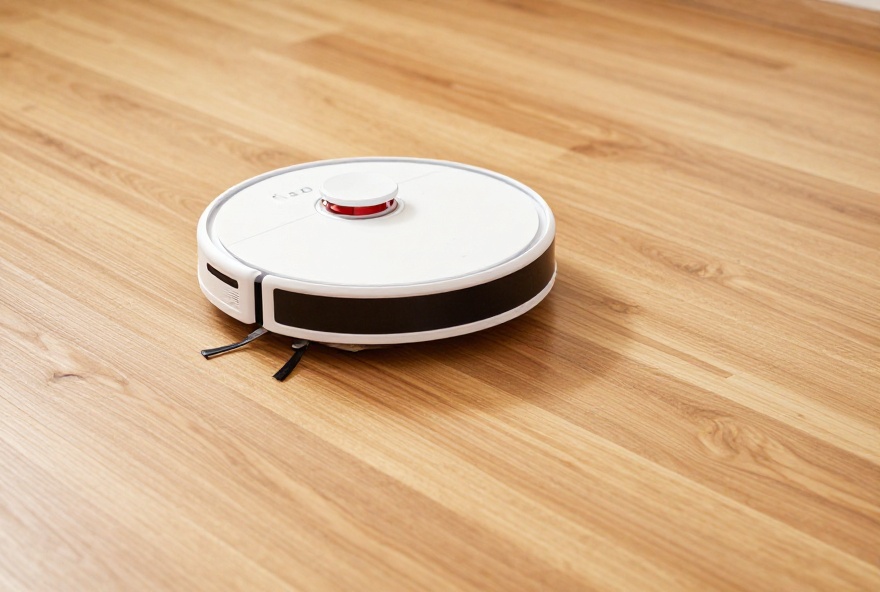
- Delegate or Automate the Rest: Some of that 80% is worth outsourcing (carpet cleaning, window washing) or automating (robot vacuums for floors, automatic toilet bowl cleaners)—it’s not about doing it yourself, it’s about the outcome.
Room-by-Room Application: Where the 80/20 Rule Really Shines
Let’s get practical and talk about specific spaces. Because the truth is, your kitchen has different priorities than your bedroom, which has totally different needs than your basement. The Pareto principle applied to cleaning means you adjust your focus based on what actually matters in each room. Your guests don’t see your bedroom closet, but they definitely see your kitchen. Your family sleeps in your bedroom, so functionality matters more than decoration. Once you map this out for each room, you’ll stop wasting effort on things that don’t actually impact that space’s function or appearance.
- Kitchen Priority: Counter space, appliance fronts, and sink cleanliness create 80% of the “clean kitchen” feeling—forget about detailed grout cleaning for now and focus on these visible zones first.
- Bathroom Essentials: The toilet, sink, mirror, and floor account for most of the perceived cleanliness—the shower walls and tile grout? They’re secondary and can be addressed less frequently.
- Living Room Logic: Clutter removal, furniture arrangement, and visible surface dusting matter infinitely more than detailed vacuuming of corners—your guests notice the overall impression, not the dust bunnies.
- Bedroom Simplicity: Clean sheets, an organized bed, and a clear floor are your 20%—matching nightstand organization or dusting picture frames? That’s the 80% you can deprioritize.
- Entryway Impact: This is high-traffic and guest-visible, so focus on clear flooring, a clutter-free entry table, and wiped-down door handles—this one room sets the impression for your entire home.
Overcoming the Guilt and Perfectionism Trap
Let’s be honest—most of us were raised with the belief that a truly clean home requires constant, comprehensive effort. Your grandmother probably had a different task for every single day of the week. Maybe she dusted on Mondays, did floors on Tuesdays, cleaned bathrooms on Wednesdays… and honestly? She probably burned out or spent her entire week cleaning. The 80/20 rule in housekeeping is actually a permission slip to be human. It’s saying that good enough, strategically applied, is actually better than perfect and scattered. But letting go of perfectionism? That’s genuinely the hardest part for a lot of people. So let’s talk about making peace with this approach.
- Redefine “Clean”: Clean doesn’t mean spotless—it means functional, sanitary, and visually acceptable to you and your family, which is way less demanding than Instagram-perfect.
- The “Good Enough” Standard: Ask yourself: would a reasonable person notice this? Would it affect health or safety? If the answer is no, it’s probably part of that 80% you can let go.
- Seasonal Deep Cleans Are Enough: Instead of constant, exhausting maintenance, embrace the idea of seasonal deep-dives (spring cleaning, pre-holiday refresh) for those non-essential tasks.
- Your Time Is Worth More: The hours you save by ignoring less important tasks could go toward family, hobbies, work, or just—you know—rest. That’s actually worth something.
- Track Your Actual Stress Levels: Notice how you feel after a week of focusing only on your vital 20% versus your previous exhausting routine—the mental and physical relief is the real win here.
Creating Your Personalized 80/20 Housekeeping System
Now comes the fun part—building your actual system. Because the 80/20 rule in housekeeping isn’t one-size-fits-all. Your situation, your home, your family, and your standards are unique. So we’re going to walk through creating a personalized approach that actually fits your life instead of fighting against it. This is where the rubber meets the road, and where you go from understanding the principle to actually living it.
- Audit Your Current Routine: Spend a week tracking what you actually do, how long it takes, and what you notice when it’s done versus when you skip it—this data shows you what your real 20% actually is.
- Identify Your “Non-Negotiables”: These are the tasks that, when skipped, genuinely bother you or affect your quality of life—these form your core 20% and get scheduled consistently.
- Create a Simple Daily Checklist: Write down only your vital 20% tasks in a format you’ll actually use (phone, paper, app—whatever works for you)—don’t overcomplicate this.
- Schedule Your 80% Tasks Strategically: Instead of ignoring them forever, assign these less critical tasks to specific times (monthly deep-clean day, seasonal refresh, quarterly maintenance) so they eventually happen without constant mental overhead.
- Test and Adjust for Two Weeks: Try your personalized system for just two weeks before deciding if it works—you might discover that some tasks you thought were essential actually aren’t, or vice versa.
Tools and Systems That Support the 80/20 Approach
Here’s where smart systems and tools come in. Because living by the 80/20 rule doesn’t mean doing everything manually—it means being strategic about what actually requires your hands-on effort and what can be supported by systems or tools. Think of these as force multipliers. They’re ways to get better results from less effort, which is basically what the Pareto principle is all about. When you combine the right tools with your focused effort, that’s when the magic happens.
- Automation Tools: Robot vacuums, automatic toilet cleaners, and programmable coffee makers aren’t luxuries—they’re part of your 20% strategy because they handle repetitive tasks without your constant input.
- Batch Your Cleaning: Use a checklist system or app where you group similar tasks together (all bathrooms on one day, all floors on another) rather than spreading them throughout the week—this saves mental switching and time.
- Strategic Storage Reduces Cleaning: Investing in good containers, shelving, and organization systems means less clutter to clean around—sometimes the best cleaning is prevention through organization.
- Microfiber and Quality Tools Matter: A good microfiber cloth and basic tools actually reduce the effort needed—cheap tools often require more scrubbing, so investing slightly more upfront saves time and energy.
- Timer-Based Cleaning: Set a timer for your vital 20% tasks and work until the timer stops—this creates urgency, prevents perfectionism, and keeps you from spending hours on something that should take 20 minutes.
Maintaining Your System and Avoiding Burnout
The final piece is maintenance—and not just of your home, but of your system itself. Because here’s what happens: people get excited about the 80/20 rule in housekeeping, implement it, see amazing results, and then gradually creep back into old patterns. Before they know it, they’re back to exhaustion. We’re going to talk about how to keep this working long-term without letting perfectionism or guilt sneak back in. This is about creating sustainable change, not just a temporary fix.
- Monthly Check-Ins: Once a month, spend 10 minutes reviewing what’s working and what’s not—did you maintain your 20%? Did anything shift in your priorities? Adjust as needed without guilt.
- Protect Your 20% Fiercely: These tasks are non-negotiable because they’re what keeps your home and life functioning—don’t let other stuff crowd them out, even when life gets busy.
- Give Yourself Grace During Chaos: When life happens (illness, travel, work stress), you might skip some tasks—that’s fine and normal, just return to your system without shame or over-correction.
- Celebrate the Mental Shift: The real win isn’t a spotless home, it’s the peace that comes from having a sustainable approach—remind yourself of that when perfectionism whispers in your ear.
- Share the Load: If you live with others, involve them in the 80/20 system—assign each person a few vital 20% tasks so it’s not all on you, and the system actually sustains long-term.
By now, you’ve hopefully embraced the notion that the 80/20 rule can revolutionize your housekeeping game. The concept is simple yet powerful: focus on the 20% of tasks that deliver 80% of the results. No need to sweat the small stuff when you can target what truly makes your home sparkle. From discovering which tasks actually make a noticeable difference to your space, to understanding how breaking free from non-essential chores can free up your schedule, applying the Pareto principle in housekeeping could be the cheat code you’ve been searching for. As you’ve read, the key is focusing your energy where it counts. Less time mopping every floorboard and more time enjoying the cleanliness! A sparkling home and a relaxed mind—what’s not to love?
Now that you’re a pro at mastering the 80/20 rule in housekeeping, why not take the next step? Transforming your home doesn’t have to burn out your schedule, and you’ve learned just how to do it! If you’re ready to further enhance your cleaning strategy, join us on Facebook for community tips, Instagram for quick inspiration, and stay tuned for more insightful content. Let’s make our homes sparkle without the extra fuss.