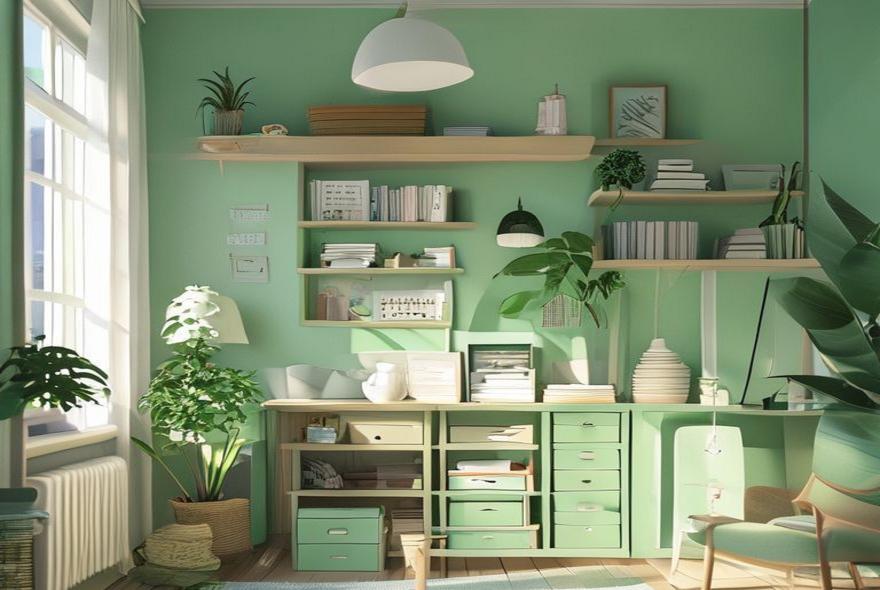
Feeling buried under a pile of “stuff” in your home? You’re not alone! Decluttering can feel like a never-ending saga, leaving you burnt out and demotivated. But fear not! This blog post dives into hacks for avoiding decluttering burnout. Discover how small, consistent efforts (yes, like tackling that junk drawer) can keep your home tidy without overwhelming yourself. Ever tried a hack that backfired hilariously? Let’s put an end to that! Get ready to explore tips that transform chaos into calm, one step at a time. Let’s dive in!

Key Takeaways
- Don’t let decluttering burnout stop you—start small! A drawer today, a closet tomorrow, and voila, an organized you!
- Burnout be gone! Make decluttering a fun, mini-ritual with your favorite tunes and tiny goals.
- Remember, a tidy home doesn’t need to happen overnight. Baby steps make the magic happen!
- Keep motivation high—celebrate your wins, even if it’s just one less pair of socks in the laundry fascist regime.
- Feeling blah about decluttering? Mix it up! Swap spaces or tasks to keep it fresh and exciting.
- Avoid overwhelm with a simple rule: if it doesn’t bring joy or function, let it go! Marie Kondo-style, anyone?
- Be patient and consistent—like Rome, a clutter-free home wasn’t decluttered in a day.
Understanding Decluttering Burnout: The Real Struggle
You know that moment when you start organizing with all the enthusiasm in the world, only to find yourself three hours later, surrounded by even more chaos than when you began? Yeah, that’s decluttering burnout hitting you like a freight train. It’s that overwhelming feeling that makes you want to shove everything back into closets and pretend the mess doesn’t exist. The thing is, most of us approach decluttering like we’re training for some kind of organizational Olympics – going full throttle until we crash and burn. But here’s what I’ve learned: sustainable decluttering isn’t about superhuman effort; it’s about working smarter, not harder.
- The Perfectionism Trap: We set impossibly high standards, thinking our homes need to look like magazine spreads, which sets us up for inevitable disappointment and exhaustion.
- All-or-Nothing Mentality: Waiting for that magical “perfect weekend” to tackle everything at once usually means nothing gets done, and the clutter keeps growing.
- Decision Fatigue Overload: Making hundreds of keep-or-toss decisions in one session literally drains your brain’s capacity to make good choices.
- Physical and Mental Exhaustion: Traditional decluttering methods demand marathon-level endurance that most of us simply don’t have on a regular basis.
- Lack of Sustainable Systems: Focusing only on the big clean-up without establishing daily maintenance habits means you’re constantly starting from square one.
The Power of Micro-Decluttering: Small Steps, Big Impact
Here’s where things get interesting – what if I told you that spending just five minutes here and there could transform your entire living space? Micro-decluttering is like the tortoise in that old fable, slow and steady but incredibly effective. Instead of dedicating entire weekends to organizing, you’re working in tiny, manageable chunks that fit seamlessly into your existing routine. Think about it: we brush our teeth for two minutes twice a day without thinking twice about it, so why can’t we apply the same principle to keeping our spaces tidy? The beauty of micro-decluttering lies in its sustainability – it’s virtually impossible to burn out when you’re only tackling small tasks.
- Fits Any Schedule: Whether you have two minutes or twenty, micro-decluttering adapts to your available time without requiring major schedule overhauls.
- Builds Momentum Naturally: Small successes create positive feedback loops that motivate you to tackle the next small task, building unstoppable momentum over time.
- Reduces Decision Fatigue: Limiting yourself to just a few items per session keeps your decision-making sharp and prevents that overwhelming “where do I even start” feeling.
- Creates Visible Progress: Unlike marathon sessions where progress feels slow, micro-decluttering shows immediate results that keep you motivated.
- Prevents Clutter Accumulation: Regular small actions stop mess from building up in the first place, making maintenance infinitely easier than periodic overhauls.
Building Sustainable Daily Organization Habits
Let’s talk about the difference between people who seem naturally organized and the rest of us mere mortals. Spoiler alert: it’s not some magical organizing gene they inherited. It’s all about having rock-solid daily habits that run on autopilot. The trick is linking new organizational behaviors to things you already do consistently. We think the key to lasting change isn’t willpower – it’s creating systems that make good choices automatic. When you attach a small organizing task to an existing habit, like making your morning coffee or checking your evening emails, you’re essentially hijacking your brain’s existing neural pathways to build new ones.
- Habit Stacking Strategy: Connect organizing tasks to established routines like “after I pour my coffee, I’ll clear five items from the counter” to leverage existing habits.
- Start Ridiculously Small: Begin with tasks so easy you can’t fail – like putting one item back where it belongs – then gradually expand as the habit strengthens.
- Use Environmental Cues: Place visual reminders in strategic locations to trigger your organizing habits until they become second nature.
- Track Your Wins: Keep a simple checklist or use your phone to note daily organizing accomplishments, reinforcing positive behavior patterns.
- Focus on Consistency Over Perfection: Doing a little bit every day beats doing a lot sporadically – your brain responds better to regular, predictable patterns.
Strategic Room-by-Room Approaches That Prevent Overwhelm
Different rooms have different personalities, don’t they? Your kitchen might be the family dumping ground for mail, keys, and random stuff, while your bedroom collects clothes faster than a fashion boutique. The secret to successful room-by-room decluttering is understanding each space’s unique challenges and tailoring your approach accordingly. You know what I’ve discovered? Trying to apply the same strategy to every room is like wearing the same outfit to a beach party and a business meeting – it just doesn’t work. Instead, we need targeted strategies that address each room’s specific clutter patterns and usage requirements.
- Kitchen Command Strategy: Focus on high-impact surfaces like counters and tables first, since clear surfaces instantly make the whole space feel more organized and functional.
- Bedroom Sanctuary Approach: Prioritize areas that affect your sleep quality – nightstands, dresser tops, and the mysterious chair that collects clothes instead of holding people.
- Living Room Social Spaces: Target coffee tables, entertainment centers, and entryways where family members tend to abandon items during daily transitions.
- Bathroom Efficiency Zones: Concentrate on counter space and expired products, since bathrooms need to function smoothly during rushed morning routines.
- Home Office Productivity Areas: Address paper clutter, digital device chaos, and desk surfaces that impact your ability to work effectively and find important documents.
Creating Maintenance Systems That Actually Work Long-Term
Here’s the million-dollar question: how do you stay organized once you’ve gotten organized? Most organizing advice completely ignores this crucial piece, leaving you to figure out maintenance on your own. It’s like teaching someone to cook a perfect meal but never explaining how to keep the kitchen clean afterward. Effective maintenance systems are the difference between temporary tidiness and lasting transformation. Think of maintenance as preventive medicine for your home – a little bit of regular attention prevents major problems from developing. The goal isn’t perfection; it’s creating sustainable routines that keep chaos from taking over your newly organized spaces.
- Prevention Over Crisis Management: Implement “one in, one out” policies and designated homes for everything to stop clutter at its source rather than constantly playing catch-up.
- Weekly Reset Rhythms: Establish specific days for different maintenance tasks, like “Mail Monday” or “Surface Sunday,” making upkeep predictable and manageable.
- 15-Minute Daily Sweeps: Schedule short daily sessions to address the day’s accumulation before it becomes tomorrow’s problem, keeping your spaces consistently functional.
- Seasonal System Evaluations: Quarterly reviews help you adjust maintenance routines based on changing life circumstances, family needs, and what’s actually working versus what sounds good in theory.
- Emergency Backup Plans: Develop simplified routines for busy periods when life gets chaotic, ensuring basic order without adding stress to already overwhelming times.
Motivation Strategies for Long-Term Success
Let’s be honest – motivation is fickle. One day you’re Marie Kondo incarnate, ready to organize the world, and the next day you can barely motivate yourself to put a dirty dish in the dishwasher. The trick isn’t relying on motivation alone; it’s building systems that work even when motivation takes a vacation. You know what really keeps people going? Small wins that compound over time. Every time you successfully complete a micro-organizing task, your brain gets a little hit of satisfaction that makes you want to do it again. It’s like training a puppy with treats, except you’re training yourself to maintain organized spaces.
- Progress Documentation: Take before-and-after photos of small improvements to create visual proof that your efforts are working, especially helpful during motivation dips.
- Celebration Rituals: Acknowledge completing daily organizing tasks with small rewards like a favorite tea, a few minutes of music, or whatever brings you joy.
- Focus on Benefits: Keep a running list of how organization improves your daily life – less time searching for things, reduced stress, easier entertaining, better sleep quality.
- Accountability Partners: Share your organizing goals with friends or family members who can provide encouragement and gentle accountability without judgment.
- Flexible Expectations: Accept that some days you’ll do more and some days you’ll do less, focusing on overall consistency rather than perfect daily performance.
Troubleshooting Common Decluttering Challenges
Even with the best strategies and intentions, obstacles pop up like weeds in a garden. Maybe your family members aren’t on board with your organizing efforts, or you keep forgetting to maintain your new routines, or you’re struggling with sentimental items that seem impossible to sort through. These challenges are completely normal and expected – anticipating them actually increases your chances of success. The key is having specific strategies ready for when motivation wavers or life throws curveballs your way. We think it’s better to expect setbacks and plan for them than to be blindsided when they inevitably occur.
- Family Resistance Solutions: Start with your own spaces and let results speak for themselves; people often become curious and want to participate when they see how manageable and effective the approach looks.
- Sentimental Item Strategies: Create a “maybe” box for items you’re not ready to decide about, then revisit in six months when emotional attachment may have lessened naturally.
- Time Constraint Workarounds: Identify micro-moments throughout your day – waiting for coffee to brew, during TV commercials, while dinner cooks – for quick organizing tasks.
- Perfectionism Antidotes: Embrace “good enough” as better than “perfect but never done,” focusing on progress over perfection in all organizing efforts.
- Consistency Recovery Plans: When you fall off the organizing wagon, restart with even smaller tasks to rebuild momentum without overwhelming yourself with catch-up pressure.
Measuring Success and Celebrating Progress
Success in avoiding decluttering burnout looks different from those dramatic before-and-after transformations you see on social media. Instead of Instagram-worthy reveals, you’re looking for subtle improvements in daily life quality. Maybe your morning routine flows more smoothly because you can find everything you need. Perhaps you feel more relaxed when you come home because your spaces feel peaceful rather than chaotic. These incremental improvements might seem small individually, but collectively they create significant lifestyle upgrades. The goal isn’t a perfect home; it’s a functional, peaceful environment that supports your life rather than adding stress to it.
- Quality of Life Indicators: Notice improvements in daily routines, stress levels, and how you feel in different rooms as key success metrics rather than focusing only on visual perfection.
- Time Savings Tracking: Monitor how much less time you spend searching for items or dealing with clutter-related frustrations as your systems become established.
- Maintenance Ease: Celebrate how much simpler regular cleaning becomes when you’re not battling clutter first – this indicates your prevention systems are working effectively.
- Habit Automaticity: Measure success by how natural organizing tasks become; when you stop thinking about them consciously, you’ve successfully rewired your relationship with your space.
- Stress Reduction Benefits: Pay attention to improved sleep, better focus, and increased relaxation in organized spaces as important indicators of your organizing success.

Remember, when it comes to decluttering, slow and steady truly wins the race. By focusing on small, manageable tasks, you can keep your motivation high and minimize burnout. Start by tackling one drawer or a single closet—a bite-sized project keeps things less daunting and more achievable. As you’ve learned from our decluttering escapade, consistency is your secret weapon. Regular, tiny efforts will maintain those tidy vibes and keep chaos at bay. Also, don’t forget to celebrate small victories along the way—each organized drawer or sorted shelf is a step toward a more serene living space. And yes, let’s not overlook the joy of letting go, which ultimately welcomes a lighter, more harmonious environment at home. In sum, avoiding decluttering burnout boils down to being kind to yourself, keeping things fun, and taking it one day at a time.
And hey, if this inspired a cleaning spree but life’s too busy to dive in headfirst, fear not! Wrapping this up, if you’re ready to tackle your home cleaning without the hassle, hit us up at Joy of Cleaning. Book a Cleaning or call (727) 687-2710—we’ve got your back! Follow us on Facebook and Instagram for more fun tips.