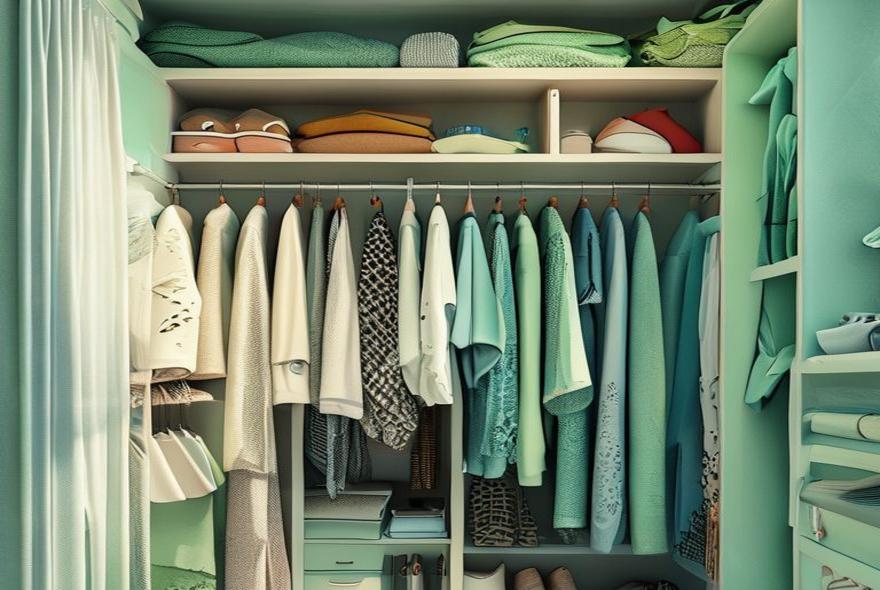
Hey, Tampa Moms! Ready to declutter your closet (and maybe your life)? You’re in the right place. We’ve all bought those “must-have” shoes that turned out to be “never-wears.” Say goodbye to shopper’s remorse with our snazzy shopping hacks. We’re talking the 24-hour rule, cost-per-wear calculations, and more tidbits to ensure only prized possessions find their way into your wardrobe. Ever been seduced by a sale, only to end up hoarding? Let’s flip the script. Dive in for a plethora of insights and tidy up that closet with confidence.
Key Takeaways
- Tame the closet chaos with shopping hacks that prevent clutter before it starts.
- Put that impulse buy on pause with the 24-hour rule – your closet will thank you!
- Calculate cost-per-wear to only welcome clothes that earn their keep.
- Embrace mindful shopping by listing out what you really need – impulse buys be gone!
- Only add items to your cart if they spark joy – yes, Marie Kondo approves!
- Shop with Tampa moms’ secrets: they’re experts in choosing cherished over cluttered!
Master the Art of Smart Shopping Before You Even Leave Home
You know that sinking feeling when you open your closet and think “I have nothing to wear” despite staring at a packed wardrobe? Here’s the thing—the real magic of avoiding closet clutter happens way before you even step into your bedroom to get dressed. It starts with mastering shopping decision hacks that prevent the wrong items from entering your home in the first place. Tampa moms are discovering that the most effective closet organization tips aren’t about fancy hangers or color-coding systems—they’re about becoming a smarter shopper who thinks strategically about every potential purchase.
- The Pre-Shopping Mindset Shift: Before heading out or browsing online, take five minutes to mentally review what you already own—this simple step prevents 80% of duplicate purchases that lead to closet overflow.
- Create a “Shopping Reality Check” Photo: Take a quick snapshot of your current closet before any shopping trip. Seeing the visual reality of what you already have makes it much harder to justify unnecessary purchases.
- The Tampa Mom’s Budget Hack: Set a monthly clothing budget and track it like you would groceries—when you hit your limit, you’re done shopping until next month, which forces more thoughtful decision-making.
- Master the “Wardrobe Gap Analysis”: Instead of shopping for fun, shop to fill specific gaps in your wardrobe that you’ve identified through actual daily wear patterns, not imaginary lifestyle scenarios.
- Implement the “Three-Store Rule”: If you’re considering a significant purchase, check at least three different stores or websites to ensure you’re not just buying the first thing you see—comparison shopping naturally slows down impulse decisions.
The 24-Hour Rule: Your Secret Weapon Against Impulse Purchases
We think the 24-hour rule might be the most underrated strategy in preventative decluttering, and here’s why—it works with your brain’s natural decision-making process instead of fighting against it. When you see something you want, your brain gets flooded with excitement chemicals that make everything seem like a great idea. But give it 24 hours, and suddenly you start seeing things more clearly. Tampa families report that this single strategy reduces their clothing regret purchases by up to 70%, which means less clutter, more money in the bank, and way less buyer’s remorse.
- The Science Behind Waiting: Neuroscience research shows that waiting 24 hours allows your prefrontal cortex to override emotional impulses, leading to more rational purchasing decisions that align with actual needs rather than momentary wants.
- Photo Documentation Strategy: Take a picture of the item, note the price and store, then go home—if you still want it tomorrow and can afford it without stress, go back and buy it with confidence.
- The “Sleep On It” Test: Items that seem essential in the store often lose their appeal after a good night’s sleep—if you wake up thinking about something else entirely, that’s your answer about whether you really need it.
- Emergency Exception Rule: The only exceptions to the 24-hour rule should be true necessities—like replacing a broken work shoe or buying something for an event happening within 48 hours where you genuinely have nothing appropriate.
- Track Your Success Rate: Keep a simple note in your phone of items you almost bought but didn’t after waiting—seeing how much money and closet space you’ve saved reinforces this powerful wardrobe management habit.
Cost-Per-Wear Calculations That Change Your Shopping Game
Here’s where we get a little nerdy with numbers, but trust me, this shopping decision hack will revolutionize how you think about clothing purchases. Cost-per-wear calculation isn’t just for fashion bloggers—it’s a practical tool that helps busy Tampa moms make smarter decisions about where to invest their clothing budget. You know how sometimes you spend $20 on a shirt that falls apart after three washes, while other times you splurge on a $100 dress you wear constantly? The math behind these decisions reveals patterns that can save you hundreds of dollars annually.
- The Basic Formula: Divide the purchase price by the realistic number of times you’ll wear the item per year—a $60 pair of jeans worn weekly costs about $1.15 per wear, making them a better investment than a $30 dress worn twice annually at $15 per wear.
- Factor in Laundering and Care Costs: That dry-clean-only blazer has hidden costs beyond the purchase price—add $8-12 per cleaning to get the true cost-per-wear, which often makes casual alternatives more economical.
- Consider Tampa’s Climate Impact: Delicate fabrics that can’t handle humidity and frequent washing have shorter lifespans here, increasing their true cost-per-wear compared to durable, breathable materials that thrive in our environment.
- Quality vs. Quantity Reality Check: Sometimes buying one $80 quality piece that lasts two years is cheaper than buying four $25 pieces that last six months each—the math often favors quality, especially for basics you wear frequently.
- Seasonal Adjustment for Florida: Unlike other climates, Tampa’s year-round warmth means summer pieces get more wear opportunities—factor this into your calculations when deciding between seasonal and year-round items.
Building a Capsule Mindset Without the Capsule Wardrobe Pressure
Let’s talk about capsule wardrobes without all the perfectionist pressure that usually comes with them. You don’t need exactly 30 pieces in specific color schemes to benefit from capsule thinking—you just need to understand the core principle of choosing pieces that work well together and with your actual lifestyle. Wardrobe management becomes infinitely easier when most of your clothes can mix and match effortlessly. Tampa’s casual climate actually makes this approach more practical than in places where you need completely different wardrobes for different seasons.
- The “Goes With Everything” Foundation: Instead of building a strict capsule, focus on acquiring versatile basics that pair well with multiple pieces—think quality jeans, neutral tanks, and comfortable cardigans that work for various Tampa weather patterns.
- Color Coordination Without Obsession: Choose a loose color palette that you naturally gravitate toward rather than forcing yourself into colors that don’t feel like “you”—this makes getting dressed easier without sacrificing personal style.
- Activity-Based Thinking: Instead of seasonal categories, think about your weekly activities—work, weekend errands, exercise, social events—and ensure you have appropriate, comfortable options for each without excessive redundancy.
- The “New Piece Integration” Test: Before purchasing anything, mentally style it with at least three items you already own—if you can’t easily create multiple outfits, it might become an orphan piece in your closet.
- Tampa Lifestyle Capsule Considerations: Your “capsule mindset” should account for our humid climate, casual culture, and beach lifestyle—prioritize breathable fabrics, easy-care pieces, and versatile layers over rigid fashion rules.
Seasonal Shopping Strategies for Tampa’s Unique Climate
Shopping for clothes in Tampa requires a completely different strategy than traditional seasonal approaches because, let’s be honest, we basically have two seasons: hot and slightly less hot with occasional cool snaps. This reality actually makes preventative decluttering easier in some ways because you’re not dealing with massive seasonal wardrobe swaps. However, it also means you can easily accumulate too many similar pieces without realizing it. Understanding how to shop strategically for Tampa’s climate prevents the “closet full of the same thing” syndrome that many local families experience.
- Year-Round Basics Strategy: Invest in quality pieces that work 10+ months of the year rather than true seasonal items—lightweight sweaters, breathable pants, and versatile dresses provide better value than heavy winter coats you’ll wear twice.
- The “Tourist Season” Wardrobe Factor: During peak tourist months, you might dress slightly more polished when out and about—plan for this without overbuying by choosing elevated basics that still work for regular daily activities.
- Hurricane Season Practical Planning: Keep some practical, comfortable clothes that you won’t mind getting dirty during storm prep or cleanup—but resist the urge to buy special “hurricane clothes” when regular casual wear works fine.
- Back-to-School Reality Check: Kids’ clothing needs change more with growth than weather—focus on comfortable, durable pieces that can handle Florida’s heat and active outdoor lifestyle rather than trendy seasonal items.
- Holiday and Special Event Planning: Tampa’s year-round social calendar means you might need dressier options more frequently than in other climates—choose versatile pieces that work for multiple types of events rather than super-specific occasion wear.
Digital Tools and Apps That Support Smart Shopping Decisions
Technology can be your best friend when it comes to implementing effective shopping decision hacks, and Tampa moms are discovering some genius ways to use their phones to prevent closet clutter before it starts. You know how you always have your phone with you anyway? Why not make it work harder to support your closet organization tips and decision-making process? These digital strategies don’t require learning complicated new systems—they work with apps and features you probably already have.
- Closet Photo Inventory: Use your phone’s camera to create a simple visual inventory of what you own—take photos of outfits you love and refer to them when shopping to avoid buying similar combinations accidentally.
- Shopping List Apps with Categories: Create specific shopping lists for different needs (work clothes, casual wear, special occasions) and only shop from the list—impulse purchases happen when you shop without a clear purpose.
- Price Tracking and Comparison: Use apps like Honey or browser extensions that automatically compare prices and track sales—this prevents overpaying and reduces the “but it’s on sale” trap that leads to purchasing items you don’t really love.
- Calendar Integration for Events: Before buying special occasion wear, check your actual calendar for upcoming events—you might realize you don’t need that dress until next year, or that you already have something appropriate.
- Budget Tracking Made Simple: Use your phone’s built-in spending tracker or a simple app to monitor your clothing budget in real-time—seeing the numbers keeps you accountable to your financial and decluttering goals.
Creating Shopping Rules That Stick for Your Family
The best wardrobe management systems are the ones that work for your specific family situation, not some idealized version of your life. Tampa families come in all shapes and sizes—single moms juggling work and kids, families with teenagers who change styles monthly, couples with different approaches to spending, and everyone in between. The key is creating shopping rules that feel sustainable rather than restrictive, and that can flex with your family’s changing needs without completely falling apart when life gets chaotic.
- Family Meeting Shopping Agreements: Involve family members in creating shopping guidelines that everyone can live with—kids are more likely to follow rules they helped create, and partners appreciate being consulted rather than having rules imposed on them.
- Age-Appropriate Implementation: Younger children can learn simple concepts like “one new toy means one old toy gets donated,” while teenagers can understand cost-per-wear calculations and budgeting principles that serve them well into adulthood.
- Seasonal Rule Reviews: Every few months, assess which rules are working and which need adjustment—maybe the “no shopping for two weeks” rule is too restrictive, or perhaps you need to add guidelines about online shopping that weren’t necessary before.
- Emergency and Exception Planning: Build flexibility into your rules for legitimate emergencies (like a child outgrowing all their shoes) versus manufactured emergencies (like wanting a new outfit for a party when you have perfectly good options).
- Celebration and Accountability Systems: Acknowledge when family members successfully follow the shopping rules, and create gentle accountability when someone (including parents) gets off track—this is about progress, not perfection.
Troubleshooting Common Shopping Pitfalls Tampa Families Face
Even with the best intentions and solid shopping decision hacks, Tampa families run into predictable challenges that can derail their preventative decluttering efforts. The good news? These problems are totally normal and completely solvable once you recognize them. We think it’s better to anticipate these situations and have strategies ready rather than feel guilty when they happen. After all, nobody’s perfect, and the goal is progress, not perfection, in creating a more organized and peaceful home environment.
- The “Back-to-School Shopping Frenzy” Trap: August sales can trigger massive overbuying—combat this by making specific lists based on what kids actually need, not what stores suggest they need, and remember that Florida kids don’t need heavy sweaters or boots.
- Vacation Shopping Souvenir Syndrome: Tourist destinations tempt families to buy clothes they’ll never wear at home—set a small souvenir budget and stick to non-clothing items, or choose one meaningful piece rather than multiple impulse purchases.
- The “Growing Kids” Panic Purchase: Children’s rapid growth spurts can trigger anxiety-driven shopping where you buy too many sizes ahead—focus on immediate needs and remember that kids’ preferences change as quickly as their sizes.
- Social Media and Influencer Pressure: Instagram and Pinterest can create unrealistic wardrobe expectations—remember that influencers are paid to make you want things, and their lives likely don’t match your Tampa family reality.
- Guilt Shopping After Decluttering: Some families feel guilty after donating clothes and immediately shop to “replace” what they donated—resist this urge and trust that you donated those items for good reasons.
So, there you have it, fellow Tampa moms! We’ve journeyed through the land of shopping sanity with steps like the trusty 24-hour rule and the genius behind cost-per-wear calculations. These strategies aren’t just about avoiding a clutter crisis in your closet; they’re about elevating every piece to beloved status—every item should earn its spot, not just squat. Remember, successful shopping isn’t about how many items you score but how many truly ‘spark joy.’ Embrace the conscious shopping hacks that make your closet leaner, more meaningful, and oh so satisfying.
And hey, if this inspired a cleaning spree but life’s too busy or, frankly, cluttered, fear not! Joy of Cleaning is just a click or call away. Book a Cleaning to reclaim your space, or simply dial us at (727) 687-2710 for the friendliest voices this side of Tampa Bay. Plus, let’s not stop at live chats; follow us on Facebook and Instagram for more sassy tips and sparkly inspiration. Let’s make cleaning as joyful as your newly organized closet!