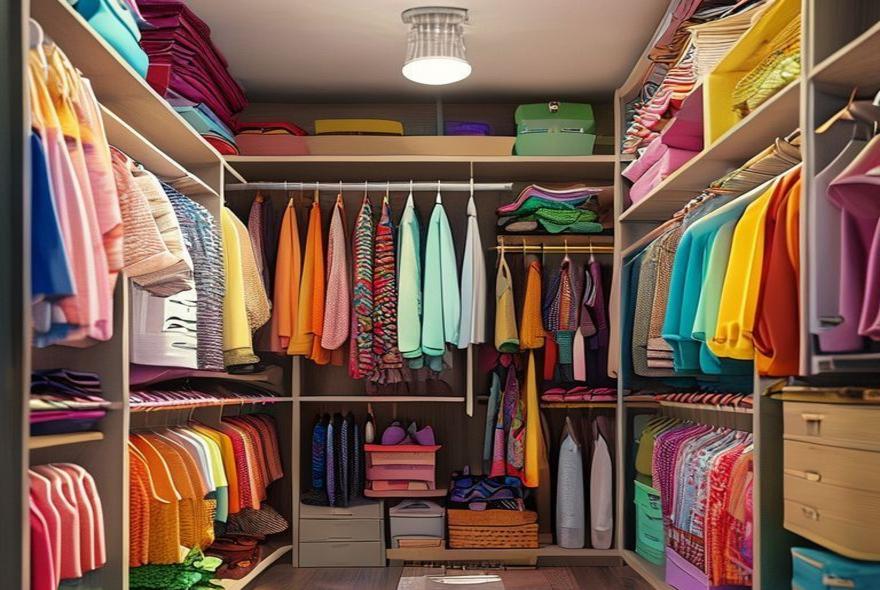
Ever left a store with bags full of ‘must-haves’ only to wonder where they all belong in your already stuffed closet? You’re not alone! Welcome to the ultimate Checklist for Smart Shopping Decisions that Prevent Clutter. It’s not just a title, it’s a lifeline for those drowning in their own consumer habits. This guide uncovers how strategic purchases can reflect both functionality and style. With insights and a dash of humor, this post dares to ask: Are you ready to conquer clutter for good? Let’s dive in!
Key Takeaways
- Make smarter shopping decisions that keep clutter at bay—because who needs more chaos?
- Evaluate those impulse buys! Your wardrobe should be functional and fabulous—not a stuffed closet from a sitcom.
- Stick to your shopping checklist to avoid ‘I’ve got nothing to wear’ moments.
- Smart shopping means more than sales—it’s about style choices that fit your life. Really.
- Decluttered spaces lead to decluttered minds. So, ask yourself before buying: Do I really need this?
- Find the balance between functionality and style, and watch your wardrobe transform.
- Shopping deliberately helps reduce clutter, saving space, sanity, and money in the long run.
- Remember the mantra: Buy less, choose well, make an impact.
Understanding Smart Shopping Psychology: Why We Buy What We Don’t Need
You know that feeling when you’re standing in Target with a cart full of stuff you didn’t plan to buy? We’ve all been there, and honestly, it’s not entirely your fault. Our brains are wired to respond to certain shopping triggers—bright colors, “limited time” offers, and that little rush we get from acquiring something new. Understanding the psychology behind our smart shopping decisions is the first step toward preventing clutter before it even enters your home. When we recognize these patterns, we can interrupt them and make more intentional choices that align with our actual needs rather than our impulses.
- The Dopamine Shopping Hit: Our brains release feel-good chemicals when we purchase something new, which can create addictive shopping patterns that lead to accumulated clutter over time.
- Decision Fatigue Reality: After making numerous choices throughout the day, our decision-making quality deteriorates, making us more susceptible to impulse purchases and poor shopping choices.
- Marketing Manipulation Awareness: Retailers strategically place items and use psychological pricing ($9.99 vs $10) to bypass our rational thinking and encourage spontaneous buying behavior.
- Social Influence Impact: Social media and peer pressure significantly affect our purchasing decisions, often leading us to buy items that don’t match our lifestyle or needs but look good online.
- Emotional Shopping Triggers: Stress, boredom, celebration, or sadness can all trigger shopping behaviors that result in purchases we later regret and items that contribute to home clutter.
The Pre-Shopping Preparation Checklist That Changes Everything
Before you even grab your keys or open that shopping app, there’s some groundwork that can completely transform your shopping experience. Think of this as your pre-game strategy—professional athletes don’t just show up and wing it, and neither should smart shoppers. This preparation phase is where the magic happens, where you set yourself up for success and create a barrier against those sneaky impulse purchases. We think the most successful shopping trips are the ones where you’ve done your homework first, and trust me, this homework is way more fun than anything you did in high school.
- Inventory Your Current Items: Before buying anything, take photos of similar items you already own—this visual reminder helps prevent duplicate purchases and unnecessary accumulation of similar products.
- Set Specific Budget Limits: Assign dollar amounts to different categories (needs vs wants) and stick to them—this financial boundary creates natural resistance to impulse buying and keeps spending intentional.
- Define Your Shopping Mission: Write down exactly what you’re shopping for and why you need it—this clarity helps you stay focused and avoid getting distracted by appealing but unnecessary items.
- Research Quality and Reviews: Spend time reading reviews and comparing options online before shopping—informed decisions lead to better purchases that you’ll actually use and love long-term.
- Plan Your Shopping Route: Map out which stores you’ll visit and in what order—having a plan reduces time spent browsing and minimizes exposure to tempting but unplanned purchases.
The Essential Questions Framework for Every Purchase Decision
Here’s where we get into the nitty-gritty of making smart shopping decisions in real-time. You’re standing there, item in hand, and you need a reliable system to determine whether this thing deserves space in your life or if it’s destined to become tomorrow’s clutter. These aren’t just random questions—they’re specifically designed to interrupt the emotional purchasing process and engage your logical brain. You know how sometimes you get home from shopping and wonder what you were thinking? This framework prevents exactly those moments.
- “Do I have a specific place for this item?” If you can’t immediately visualize where it will live in your home, it’s probably going to contribute to clutter rather than serve a useful purpose.
- “Have I wanted this for more than just today?” True needs and genuine wants persist over time, while impulse desires are fleeting—waiting reveals the difference between lasting satisfaction and temporary excitement.
- “Will this item serve multiple purposes or functions?” Versatile items that serve multiple needs are almost always better investments than single-purpose gadgets that might rarely get used.
- “Am I buying this to solve a real problem or fill an emotional need?” Shopping for emotional reasons often leads to purchases that don’t actually address the underlying issue and end up as unused clutter.
- “What will I have to give up or get rid of to accommodate this purchase?” Every new item requires space, maintenance, and attention—considering these hidden costs helps reveal the true impact of your purchase decision.
Quality Over Quantity: Building a Curated Lifestyle
Let’s talk about shifting from the “more is better” mindset to embracing the beauty of intentional ownership. This isn’t about deprivation or living with bare minimum—it’s about choosing items that truly enhance your life and align with your values. Smart shopping decisions often mean buying fewer items but investing in higher quality pieces that serve you better and last longer. We think there’s something incredibly freeing about owning things you absolutely love rather than tolerating a bunch of mediocre stuff that just takes up space.
- Cost-Per-Use Analysis: Calculate how much each use will cost by dividing the purchase price by realistic usage frequency—this reveals whether expensive quality items are actually more economical than cheap alternatives.
- Material and Construction Assessment: Learn to identify quality materials and construction techniques—well-made items last longer, perform better, and ultimately create less waste than their cheaper counterparts.
- Brand Reputation Research: Investigate companies’ track records for quality, customer service, and ethical practices—supporting businesses that align with your values creates more satisfaction with purchases.
- Timeless vs Trendy Evaluation: Distinguish between classic styles that remain relevant and trendy items with short lifespans—timeless pieces provide better long-term value and reduce the need for frequent replacements.
- Warranty and Return Policy Review: Quality companies stand behind their products with solid warranties and fair return policies—these protections indicate confidence in the product and provide security for your investment.
Digital Tools and Apps That Support Mindful Shopping
Technology can either be our shopping downfall or our secret weapon for making better purchase decisions. While apps and websites certainly make it easier to buy impulsively, there are also incredible digital tools designed to help you shop more thoughtfully and avoid accumulating unnecessary items. You know how your phone can track your steps and remind you to drink water? Well, it can also help you become a more intentional consumer and prevent clutter from taking over your space.
- Price Tracking Applications: Apps like Honey and CamelCamelCamel track price histories and alert you to genuine sales—this prevents you from falling for fake urgency tactics and helps you buy at optimal times.
- Wishlist and Wait Features: Use built-in wishlist functions or apps like Want to save items for later consideration—this cooling-off period helps distinguish between impulse wants and genuine needs.
- Budget Tracking Integration: Connect shopping apps to budgeting tools like Mint or YNAB to see real-time spending impact—this immediate feedback helps you stay within limits and make more conscious choices.
- Review Aggregation Services: Platforms that compile reviews from multiple sources provide more balanced perspectives on products—comprehensive research leads to better purchase decisions and fewer regrettable buys.
- Inventory Management Apps: Use apps to catalog what you already own, especially for items stored in closets or pantries—visual reminders prevent duplicate purchases and help you shop from your existing inventory first.
Seasonal Shopping Strategies That Prevent Accumulation
Every season brings its own shopping temptations and organizational challenges, from back-to-school supplies to holiday decorations to spring cleaning gear. The key is developing strategies that help you navigate these seasonal shopping periods without accumulating more stuff than you can reasonably use or store. We think seasonal shopping can actually be really strategic if you approach it with the right mindset—it’s about enhancing your life for that particular time period, not just buying because everyone else is.
- Seasonal Inventory Assessment: Before seasonal shopping begins, review what you already have from previous years—you might discover forgotten items that eliminate the need for new purchases.
- One-Season Rule Application: For trendy seasonal items, commit to using them actively during their intended season—if something sits unused for an entire season, consider whether you really need it.
- Storage Space Reality Check: Factor storage requirements into seasonal purchases—holiday decorations and summer equipment need somewhere to live during their off-seasons.
- Multi-Season Item Priority: When possible, choose items that work across multiple seasons or can serve different purposes—this maximizes utility while minimizing storage needs.
- End-of-Season Evaluation: After each season, honestly assess which seasonal purchases enhanced your experience and which felt unnecessary—this information guides better choices next year.
Teaching Family Members Smart Shopping Habits
Getting your whole family on board with mindful purchasing decisions can feel like herding cats, but it’s absolutely possible with the right approach. Kids especially can learn these concepts early, and honestly, they’re often more adaptable to new systems than adults are. The goal isn’t to make shopping stressful or eliminate all fun purchases—it’s to help everyone in your family develop the skills to make intentional choices that support your shared goals of having a peaceful, organized home.
- Age-Appropriate Money Lessons: Teach children about earning, saving, and spending through allowances or chore systems—hands-on money management experience builds natural resistance to impulse purchasing.
- Shopping Trip Education: Involve kids in pre-shopping planning and let them practice decision-making with small purchases—guided experience builds their ability to evaluate wants versus needs.
- Family Budget Discussions: Share age-appropriate information about family financial goals and trade-offs—understanding that money is finite helps children make more thoughtful requests.
- Gratitude and Appreciation Practice: Regularly discuss and appreciate items your family already owns—this contentment reduces the constant desire for new things and increases satisfaction with current possessions.
- Leading by Example: Model the shopping behaviors you want to see, including saying no to your own impulse purchases—children learn more from observation than from lectures about spending habits.
Creating Your Personal Shopping Rules and Boundaries
Every successful approach to preventing clutter requires some personal guidelines that work specifically for your lifestyle, budget, and goals. These aren’t rigid rules designed to suck the joy out of shopping—think of them more like guardrails that keep you on track toward your bigger objectives. You know how professional athletes have training regimens that help them perform better? Personal shopping rules serve the same function for maintaining an organized, intentional home.
- The 24-Hour Rule Implementation: For non-essential purchases over a certain dollar amount, wait 24 hours before buying—this cooling-off period eliminates many impulse purchases that would later become clutter.
- One-In-One-Out Policy: Establish that bringing something new into your home means removing something else—this maintains equilibrium and forces evaluation of what truly deserves space in your life.
- Category Spending Limits: Set monthly or seasonal limits for discretionary categories like clothing, home decor, or hobby supplies—these boundaries create natural stopping points for accumulation.
- Quality Threshold Standards: Define minimum quality standards for different types of purchases—this prevents bringing poorly made items into your home that won’t last or perform well.
- Regular Rule Review and Adjustment: Periodically evaluate whether your shopping rules are working and adjust them as your life circumstances change—flexible systems are more sustainable than rigid ones.

As we wrap up our deep dive into making smart shopping decisions to prevent clutter, it’s vital to remember these pearls of wisdom: First, always pause and assess before purchasing garments. By questioning the necessity, utility, and space each item might take, you’re already miles ahead in cultivating a wardrobe that’s both functional and stylish. Second, keep a checklist handy as you shop to ensure each buy adds value rather than veering into clutter territory. Finally, embrace a minimalist mindset where practicality reigns over impulsivity. These strategies tie back into the core message of the blog: being thoughtful about purchases not only prevents clutter but also elevates one’s personal style effortlessly.
And hey, if this inspired a cleaning spree but life’s too busy, get some backup! Wrapping this up, if you’re ready to tackle your home cleaning without the hassle, hit us up at Joy of Cleaning. Book a Cleaning today or give us a call at (727) 687-2710—we’ve got your back! Follow our Instagram for daily cleaning inspirations at Instagram and stay connected with us on Facebook for more fun tips. Now go forth and declutter, dear reader!