Ever tried decluttering only to end up with a messy room just days later? Fear not! In ‘Here’s How to Maintain a Clutter-Free Home Year-Round,’ we unravel easily overlooked habits and ingenious strategies to keep your space serene. From innovative storage solutions to daily tidying rituals, this guide keeps the chaos at bay long after that initial purge. Think of it as your home’s secret recipe—no magic wand needed! Get ready to explore realistic routines that make tidiness a delightful norm. Ready to dive in and transform your living space permanently? Let’s go!
Key Takeaways
- Maintain a clutter-free home by establishing daily tidying habits—yes, it’s actually possible!
- Schedule regular decluttering sessions; think of it as a spa day for your space.
- Use one-in-one-out rules, because do you really need 12 coffee mugs?
- Adopt practical storage solutions that match your home’s vibe and needs.
- Keep your organization game strong with a dedicated household chore list.
- Explore fun and effective routines for sustainable organization magic.
Building Daily Habits That Actually Stick (Without Becoming a Drill Sergeant)
You know that feeling when you’ve successfully decluttered your space, only to watch it slowly creep back into chaos? Maintaining a clutter-free home isn’t about one heroic weekend of organizing—it’s about building sustainable daily habits that become as automatic as brushing your teeth. The secret sauce isn’t perfection; it’s consistency with small, manageable routines that prevent clutter from taking root in the first place. We think the magic happens when these habits become so natural that you barely notice you’re doing them.
- The Two-Minute Rule: If something takes less than two minutes to put away, do it immediately rather than setting it down “temporarily”—this single habit prevents 80% of clutter accumulation
- Evening Reset Ritual: Spend 10-15 minutes each evening doing a quick walkthrough, returning items to their designated homes before tomorrow’s chaos begins
- One-In-One-Out System: For every new item that enters your home, something else needs to leave—this prevents the gradual accumulation that leads to overwhelming piles
- Morning Launch Pad Check: Start each day with a quick scan of high-traffic areas like kitchen counters and entryways, addressing any overnight clutter before it multiplies
- Weekly 15-Minute Zone Defense: Assign each day of the week to a different area for a quick 15-minute maintenance session—Monday for kitchen, Tuesday for living room, and so on
The Strategic Art of Designated Homes (Every Item Needs an Address)
Here’s the thing about clutter—it’s usually just stuff that doesn’t have a proper home. When every item in your house has a designated spot, maintaining order becomes infinitely easier because you’re not constantly making decisions about where things go. Think of it like giving each item its own mailing address; when mail arrives, you know exactly where it belongs. This organizing principle is what separates homes that stay tidy from those that cycle between clean and chaotic.
- Visual Storage Solutions: Use clear containers and labels so family members can easily see where items belong and return them without guessing games
- Proximity Principle: Store items as close as possible to where they’re actually used—cleaning supplies near the areas you clean, keys near the door you use most
- Vertical Space Maximization: Think up, not out—use wall hooks, over-door organizers, and stackable containers to create homes without sacrificing floor space
- Family-Friendly Systems: Create storage solutions that work for the shortest person in your household—kids can’t maintain systems they can’t physically access
- Regular Home Audits: Every few months, evaluate whether your designated homes are working—if items consistently end up in the wrong place, maybe their “address” needs to change
Mastering the Flow of Stuff (Understanding Your Home’s Traffic Patterns)
Every home has natural traffic patterns and clutter hotspots where items tend to accumulate. Maybe it’s that kitchen counter near the garage door, or the dining table that becomes a landing pad for everything. Understanding these patterns is crucial for maintaining long-term organization because fighting against your family’s natural habits is like swimming upstream. Instead of constantly battling these tendencies, we can work with them by creating strategic systems that accommodate real-life behavior.
- Identify Clutter Magnets: Spend a week observing where items naturally accumulate, then create intentional systems for these high-traffic zones instead of fighting the flow
- Strategic Basket Placement: Position attractive baskets or containers in areas where clutter naturally gathers—family members can toss items in for quick cleanup, then sort properly later
- Transition Zone Management: Focus extra attention on spaces between rooms where items get dropped—hallways, stairs, and doorways need designated spots for temporary storage
- Daily Item Migration Routes: Track how items move through your home throughout the day and create systems that support these natural pathways rather than forcing unnatural organization
- Seasonal Flow Adjustments: Recognize that traffic patterns change with seasons—winter boots by the door, summer sports equipment in the garage—and adjust your systems accordingly
The Psychology of Clutter Prevention (Working With Human Nature, Not Against It)
Let’s get real about why clutter happens in the first place—it’s rarely about laziness or lack of caring. Most clutter accumulates because our systems don’t align with how our brains actually work under stress, fatigue, or time pressure. When you understand the psychology behind clutter formation, you can design systems that work even when you’re tired, rushed, or dealing with family chaos. The goal isn’t to become a different person; it’s to create systems that work with your actual personality and lifestyle.
- Decision Fatigue Defense: Create simple, obvious homes for items so tired brains don’t have to make complex organizational decisions at the end of long days
- Visual Overload Prevention: Keep surfaces mostly clear because cluttered visual fields increase stress and make it harder to focus on maintaining organization
- Perfectionism Paralysis Solution: Embrace “good enough” organization—systems that work 80% of the time are infinitely better than perfect systems that nobody maintains
- Emotional Attachment Management: Recognize that some clutter comes from emotional attachments to objects, and address the feelings behind the accumulation rather than just the stuff itself
- Instant Gratification Integration: Design organizational systems that provide immediate satisfaction and visual reward when used correctly, encouraging continued compliance
Family Systems That Actually Work (Getting Everyone On Board)
Maintaining a clutter-free home becomes exponentially harder when you’re the only one trying to keep things organized. The secret to successful family organization isn’t nagging or becoming the household organization police—it’s creating systems so simple and logical that everyone naturally wants to participate. You know those families where kids automatically put their backpacks in designated spots and partners don’t leave dishes on counters? They’ve cracked the code of making organization feel effortless rather than burdensome.
- Age-Appropriate Responsibility Distribution: Assign organizational tasks based on developmental abilities—preschoolers can sort toys by color, teenagers can manage their own spaces with clear expectations
- Natural Consequence Systems: Let logical consequences teach organization lessons—items left out get temporarily “lost” in a collection bin rather than creating conflict through nagging
- Positive Reinforcement Loops: Celebrate organizational wins as a family and make maintaining systems feel like teamwork rather than individual burden
- Customized Individual Systems: Recognize that different family members may need different organizational approaches—visual learners need labels, kinesthetic learners need hands-on sorting systems
- Regular Family Organization Meetings: Hold monthly check-ins to evaluate what’s working, what isn’t, and how systems might need adjustment as family needs evolve
Seasonal Maintenance Strategies (Staying Ahead of the Clutter Curve)
Here’s something most organizing advice doesn’t tell you—maintaining a clutter-free home requires different strategies throughout the year. What works in January might not work in July, and back-to-school season brings entirely different organizational challenges than summer vacation. Smart homeowners anticipate these seasonal shifts and adjust their systems proactively rather than reactively dealing with clutter crises as they emerge.
- Quarterly Clothing Rotations: Schedule seasonal wardrobe swaps to prevent closets from becoming overstuffed with off-season items that create daily decision overwhelm
- Holiday Preparation Systems: Create specific protocols for managing holiday decorations, gifts, and seasonal items before they overtake your regular organizational systems
- School Year vs. Summer Adjustments: Recognize that family routines change dramatically with school schedules and adjust organizational expectations and systems accordingly
- Weather-Related Storage Solutions: Anticipate seasonal equipment needs—winter gear, summer sports equipment, gardening tools—and create accessible storage that rotates with actual usage patterns
- Annual Deep-Clean Integration: Schedule intensive organizational sessions during natural transition times like spring cleaning or back-to-school preparation when motivation is naturally higher
Technology and Tools That Actually Help (Not Just Create More Stuff)
The organizing industry loves to sell us more stuff to organize our stuff, but the best clutter-free homes often use surprisingly few specialized products. The key is choosing tools and systems that genuinely simplify maintenance rather than just looking pretty in photos. We think the most effective organizational tools are often the simplest ones—items you’ll actually use consistently rather than admire briefly before abandoning.
- Digital Decluttering Integration: Use smartphone apps for things like grocery lists, important documents, and family calendars to reduce physical paper clutter throughout your home
- Multi-Purpose Storage Solutions: Invest in storage items that serve multiple functions—ottomans with storage, benches with built-in organization, tables with drawers—to maximize utility without adding visual clutter
- Label System Consistency: Choose one labeling system and stick with it throughout your home for visual coherence and family usability—handwritten, printed, or picture labels depending on your household needs
- Timer-Based Organization Tools: Use simple timers for quick cleaning sessions, preventing organizational tasks from feeling endless and overwhelming
- Maintenance Reminder Systems: Set up simple recurring reminders for organizational maintenance tasks—weekly closet checks, monthly storage area reviews, seasonal system adjustments
Troubleshooting Common Maintenance Failures (When Life Gets in the Way)
Let’s be honest—even the best organizational systems sometimes fall apart. Maybe you’ve been sick, dealing with work stress, or just hit one of those chaotic life phases where maintaining perfect organization feels impossible. The difference between homes that bounce back and those that spiral into permanent chaos isn’t avoiding these rough patches—it’s knowing how to recover quickly without starting completely over. Here’s how to get back on track when your clutter-free systems have temporarily derailed.
- The 15-Minute Reset Strategy: When systems have broken down, start with just 15 minutes in your most-used space rather than attempting to fix everything at once—success builds motivation for tackling other areas
- Triage Approach to Recovery: Focus first on health and safety issues, then daily function areas, and finally aesthetic concerns—this prevents overwhelm and addresses the most critical needs first
- System Simplification Signals: If organizational systems consistently fail during busy periods, they may be too complicated for your real lifestyle—simplify rather than just trying harder
- Professional Help Recognition: Know when to call in reinforcements—whether it’s professional organizers, cleaning services, or family support—rather than struggling alone indefinitely
- Graceful Restart Protocols: Develop specific plans for getting back on track after disruptions rather than feeling like you need to start from scratch every time systems temporarily fail
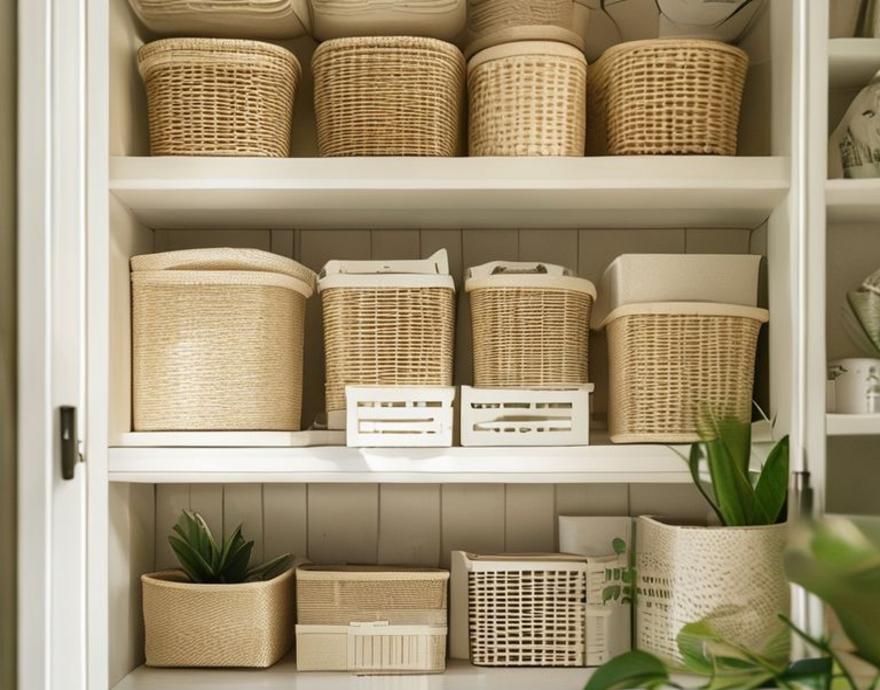
Keeping your home clutter-free isn’t about embarking on a massive cleaning spree once or twice a year. It’s about building sustainable habits and establishing routines that make tidiness an innate part of your lifestyle. From designating specific places for common items to dedicating a few minutes daily to organizing, these strategies ensure that clutter doesn’t creep back into your life. The core message here? Decluttering initially is only the first step. By embracing ongoing, mindful maintenance and perhaps an occasional purge, you’ll enjoy a perpetually neat and welcoming space. It’s about creating a home that mirrors serenity and order, not chaos. Keep the vibes calm and the clutter at bay, and you’ll thank yourself year-round!
And hey, if this inspired a cleaning spree but life’s too busy and cluttered already, wrapping this up, if you’re ready to tackle your home cleaning without the hassle, hit us up at Joy of Cleaning. Book a Cleaning or give us a call at (727) 687-2710. We’ve got your back! Be sure to follow us on Instagram and Facebook for more fun tips and tricks!