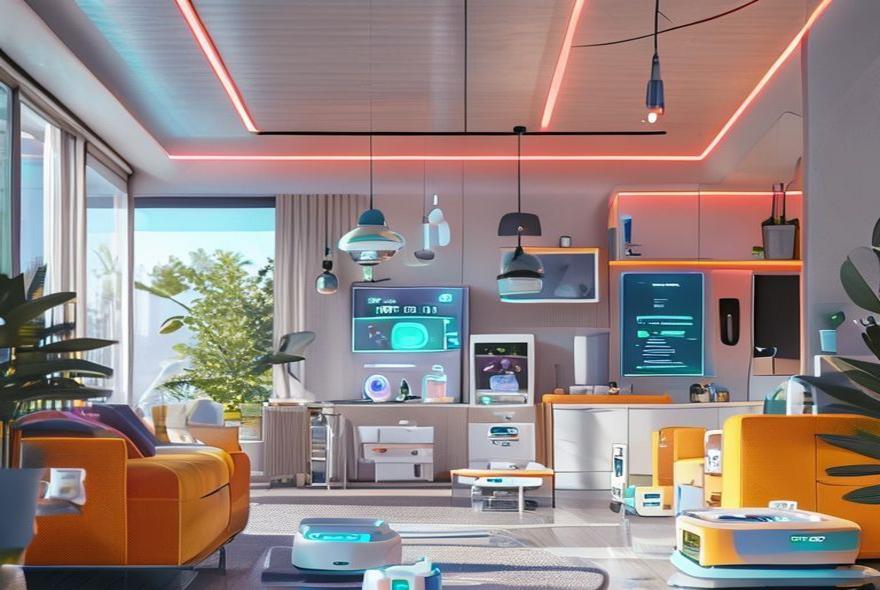
Ever wondered how cleaning might look in a few years? Think nanotech scrubbing your counters and biometric sensors assessing your air quality! Our Guide to Future Cleaning Trends in 2026 dives into these innovations. Imagine a home smart enough to minimize your chores, all while being eco-friendly! This isn’t sci-fi; it’s the future of home maintenance, with sustainability algorithms leading the charge. Ready to geek out on some sleek, futuristic house-cleaning tech? This guide will make you wish for a cleaner tomorrow—today!
Key Takeaways
- Ready for a cleaning revolution? Explore 2026’s hottest trends with nano-technology putting dirt in the corner.
- Say goodbye to grime with biometric monitoring that knows your home’s dirty secrets better than you do.
- Meet sustainability algorithms that turn cleaning into an eco-friendlier than your greenest neighbor!
- It’s not sci-fi—it’s a 2026 home cleaning utopia where smart tech does the elbow grease.
- Curious how your home might self-clean? Dive into future tech where machines get dirty so you don’t have to!
The Revolution of AI Cleaning Schedules in Modern Homes
You know that feeling when you’re staring at your messy house, wondering where to even start? Well, AI cleaning schedules are here to save the day—and your sanity. These smart systems are transforming how we approach household maintenance, making cleaning automation less of a pipe dream and more of an everyday reality. We’re talking about technology that actually learns your habits, adapts to your lifestyle, and creates cleaning routines that stick.
- Personalized Planning: AI cleaning schedules analyze your daily patterns, peak activity times, and even seasonal changes to create custom cleaning automation that works with your life, not against it
- Smart Integration: These systems connect seamlessly with your existing smart home cleaning devices, from robot vacuums to automated air purifiers, creating a synchronized cleaning ecosystem
- Adaptive Learning: The more you use AI-powered cleaning systems, the smarter they get—adjusting schedules based on weather patterns, family routines, and even your stress levels
- Data-Driven Efficiency: According to recent organizing trends research, homes using AI cleaning schedules report 40% less time spent on daily maintenance tasks while achieving better overall cleanliness
- Future-Proof Organization: As smart home cleaning technology evolves, these systems update automatically, ensuring your cleaning routine stays current with the latest innovations
Understanding Smart Home Cleaning Technology Integration
Here’s where things get really exciting—smart home cleaning isn’t just about having a robot vacuum anymore. We’re looking at complete ecosystem integration where your cleaning automation talks to your thermostat, your lighting system, and even your meal prep schedule. Think of it as having a digital cleaning planner that knows when you’re cooking dinner and automatically adjusts air purification, or recognizes when you’re hosting guests and ramps up the cleaning routine accordingly.
- Device Synchronization: Modern AI cleaning schedules coordinate multiple devices—your robot mop starts after the vacuum finishes, air purifiers kick in during high-activity periods, and UV sanitizers run overnight
- Environmental Sensors: Smart sensors detect dust levels, humidity changes, and air quality, triggering specific cleaning automation protocols before problems become visible
- Voice and App Control: Seamless integration with popular voice assistants and smartphone apps means you can adjust your cleaning schedule on the fly or set temporary modifications for special occasions
- Energy Optimization: These systems learn your home’s energy patterns, scheduling intensive cleaning during off-peak hours to reduce utility costs while maintaining peak performance
- Cross-Platform Communication: Your digital cleaning planner can communicate with meal prep apps, calendar systems, and even weather forecasts to anticipate cleaning needs before they arise
Setting Up Your Personalized Digital Cleaning Planner
Okay, let’s get down to the nitty-gritty of actually setting this up. Creating an effective digital cleaning planner isn’t just about downloading an app and hoping for the best—though that’s how I started, and let me tell you, it was a disaster. You need to think strategically about your home’s unique needs, your family’s habits, and your cleaning goals. The beauty of AI cleaning schedules is that they can handle the complex juggling act of multiple priorities while you focus on living your life.
- Home Mapping and Zoning: Start by creating detailed digital maps of your living spaces, identifying high-traffic areas, pet zones, and spaces that need special attention—your AI system uses this data to prioritize cleaning automation
- Habit Analysis: Track your family’s daily patterns for at least two weeks—when do you cook, sleep, work from home, or have guests? This information helps your smart home cleaning system anticipate needs
- Priority Setting: Define what matters most in your home—is it pet hair management, kitchen cleanliness, or bathroom hygiene? Your digital cleaning planner adjusts frequency and intensity based on these preferences
- Integration Timeline: Gradually introduce new cleaning automation features rather than overwhelming your system (and yourself) with everything at once—start with basic scheduling and add complexity as you get comfortable
- Seasonal Adjustments: Configure your AI cleaning schedules to automatically adjust for seasonal changes—more frequent floor cleaning during muddy spring months or increased dust management during dry summer periods
Advanced Cleaning Automation Features That Actually Matter
Now we’re getting into the really cool stuff—the features that separate basic scheduling from true cleaning automation intelligence. I remember when I first discovered that my digital cleaning planner could predict when my allergies would flare up based on pollen forecasts and preemptively increase air filtration. It was like having a crystal ball for cleanliness. These advanced features are what make AI cleaning schedules genuinely life-changing rather than just fancy timers.
- Predictive Maintenance: AI systems analyze usage patterns and automatically schedule deep cleaning tasks before problems develop—like increasing bathroom sanitization before humidity levels promote mold growth
- Health-Based Adjustments: Smart home cleaning systems can integrate with health apps and wearables to increase cleaning frequency when someone in the household is ill or has compromised immunity
- Event-Driven Protocols: Your cleaning automation can recognize special circumstances—automatically deep-cleaning before dinner parties, ramping up pet hair removal during shedding seasons, or increasing kitchen sanitization during meal prep marathons
- Learning Algorithms: Advanced digital cleaning planners learn from your manual overrides and preferences, gradually becoming more accurate at predicting what you actually want cleaned and when
- Multi-Home Management: For families with multiple properties or frequent travelers, AI cleaning schedules can manage different locations with customized protocols for vacation homes, rental properties, or seasonal residences
Nano-Technology and Biometric Monitoring Innovations
You know how science fiction movies always show these incredible cleaning technologies that seem impossible? Well, guess what—we’re actually getting pretty close to that reality. Nano-technology in cleaning is about to revolutionize how we think about home maintenance, and biometric monitoring is making cleaning automation smarter than ever. We think these innovations will fundamentally change what it means to have a clean home, moving from reactive cleaning to proactive health management.
- Microscopic Cleaning Agents: Nano-technology enables cleaning particles so small they can eliminate bacteria and viruses at the molecular level, deployed through your HVAC system for continuous sanitization
- Real-Time Health Monitoring: Biometric sensors integrated into smart home cleaning systems can detect when family members are getting sick and automatically increase sanitization protocols before symptoms appear
- Surface-Level Purification: Nano-coatings on frequently touched surfaces can provide self-cleaning properties, reducing the need for manual disinfection while maintaining optimal hygiene levels
- Air Quality Optimization: Advanced biometric monitoring systems track respiratory patterns and automatically adjust air purification and cleaning automation to support optimal breathing conditions
- Personalized Cleaning Chemistry: AI cleaning schedules will soon use biometric data to customize cleaning solutions based on individual family members’ sensitivities, allergies, and health conditions
Integrating Meal Prep Organization with Cleaning Schedules
Here’s something most people don’t think about—your meal prep organization and cleaning routine should work together like a perfectly choreographed dance. When I started coordinating my meal prep schedule with my cleaning automation, it was like discovering a secret productivity hack. Your kitchen becomes this seamless workspace where cleaning happens in the background while you’re focused on creating delicious, healthy meals for your family.
- Pre-Prep Sanitization: AI cleaning schedules can automatically deep-clean kitchen surfaces, sanitize cutting boards, and run dishwasher cycles before your designated meal prep organization sessions
- Real-Time Cleaning: Smart sensors detect spills, flour clouds, and cooking residue during meal prep, triggering immediate spot-cleaning protocols that keep your workspace pristine throughout the process
- Post-Cooking Protocols: Your digital cleaning planner learns your cooking patterns and automatically schedules intensive kitchen cleaning after heavy cooking sessions, including exhaust fan cleaning and appliance maintenance
- Storage Area Management: Cleaning automation extends to pantry organization, refrigerator maintenance, and food storage areas, ensuring your meal prep ingredients stay fresh and your storage spaces remain hygienic
- Cross-Contamination Prevention: Advanced systems can track which surfaces have been used for different types of food preparation and schedule appropriate sanitization protocols to prevent foodborne illness
Sustainability Algorithms and Eco-Friendly Automation
Let’s be honest—we all want clean homes, but not at the expense of destroying the planet our kids will inherit. That’s where sustainability algorithms come into play, making cleaning automation not just smarter, but greener too. These systems are designed to minimize environmental impact while maximizing cleaning effectiveness, and honestly, it’s about time technology started caring about more than just convenience.
- Water Conservation Technology: Smart home cleaning systems use advanced algorithms to minimize water usage, recycling greywater where possible and optimizing cleaning cycles to use only necessary amounts
- Eco-Friendly Product Selection: AI cleaning schedules can automatically choose the most environmentally friendly cleaning agents for each task, balancing effectiveness with ecological impact
- Energy Optimization: Digital cleaning planners coordinate with home energy systems to schedule intensive cleaning during peak renewable energy generation, reducing carbon footprint
- Waste Reduction Protocols: Advanced cleaning automation minimizes packaging waste by calculating exact amounts needed and suggesting bulk purchasing or refillable cleaning solutions
- Carbon Footprint Tracking: Future tech cleaning trends include real-time monitoring of your cleaning routine’s environmental impact, with suggestions for reducing your home’s ecological footprint
Troubleshooting Common AI Cleaning Schedule Challenges
Okay, let’s be real for a minute—AI cleaning schedules aren’t magic, and they definitely come with their fair share of quirks and challenges. I’ve had my robot vacuum get stuck under the couch more times than I can count, and don’t get me started on the time my cleaning automation decided to run the dishwasher during my important video call. The good news is that most issues are totally manageable once you know what to expect and how to work around them.
- Connectivity Issues: Smart home cleaning devices can lose WiFi connection, disrupting your digital cleaning planner—create backup schedules and establish redundant connectivity options to maintain cleaning automation reliability
- Learning Curve Problems: AI systems sometimes misinterpret your preferences initially—be patient with the learning process and consistently provide feedback to help your cleaning schedule algorithms improve accuracy
- Device Coordination Failures: When multiple cleaning devices don’t communicate properly, you might end up with scheduling conflicts—regularly update firmware and establish clear device hierarchies to prevent automation chaos
- Seasonal Adaptation Delays: AI cleaning schedules might be slow to adapt to seasonal changes in your routine—manually adjust settings during transition periods and create seasonal profiles to speed up adaptation
- Over-Automation Syndrome: Sometimes smart home cleaning becomes too aggressive, running constantly and creating noise or disruption—fine-tune sensitivity settings and establish “quiet hours” to maintain household harmony
Maximizing ROI from Your Smart Home Cleaning Investment
Let’s talk money because investing in AI cleaning schedules and cleaning automation isn’t exactly pocket change. But here’s the thing—when you calculate the time savings, reduced stress, improved health outcomes, and extended lifespan of your home and belongings, the return on investment becomes pretty compelling. I used to spend my entire Saturday morning cleaning, and now that time is mine again. That alone is worth its weight in gold.
- Time Value Calculation: Track how many hours per week your digital cleaning planner saves you, then multiply by your hourly earning potential—most families save 8-12 hours weekly with comprehensive cleaning automation
- Health Cost Savings: Consistent AI cleaning schedules reduce allergens, improve air quality, and minimize illness-causing bacteria, potentially reducing medical expenses and sick days for your family
- Property Value Protection: Regular, systematic cleaning maintained by smart home cleaning systems preserves flooring, fixtures, and appliances, reducing replacement costs and maintaining home value
- Energy Efficiency Gains: Well-maintained HVAC systems, clean appliances, and optimized cleaning schedules reduce energy consumption, leading to measurable utility bill reductions over time
- Stress Reduction Benefits: The mental health value of knowing your home is consistently clean without constant planning and execution is difficult to quantify but invaluable for overall life satisfaction
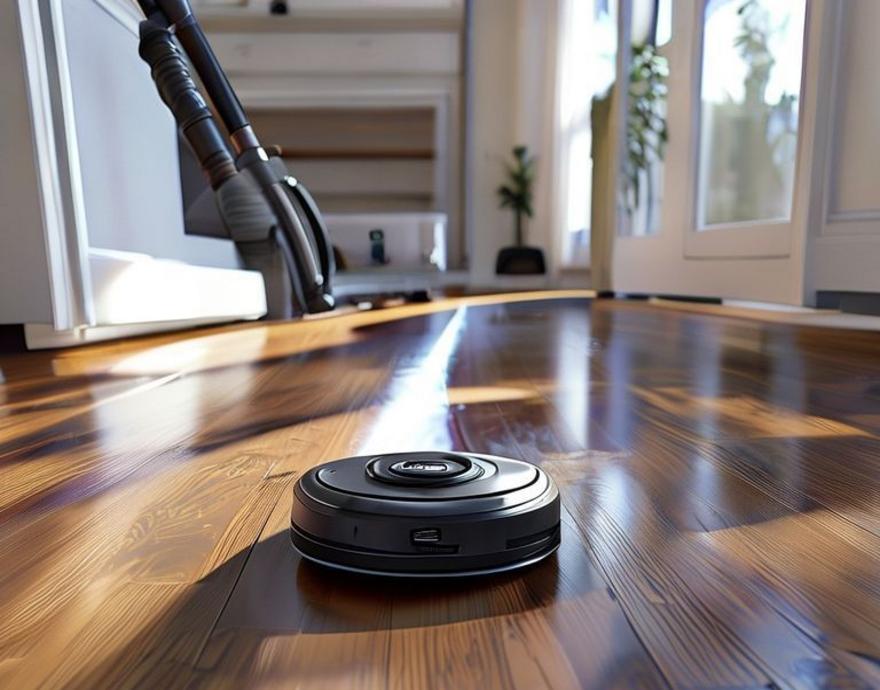
With the rapid advancements in cleaning technology, the future looks incredibly exciting—and a little bit like science fiction. Nano-technology is set to introduce a new level of microscopic cleaning prowess, ensuring that even the tiniest speck doesn’t stand a chance. Meanwhile, biometric monitoring promises to help customize cleaning efforts to each household’s unique needs, ushering in an era of truly personalized home maintenance. And let’s not forget those sustainability algorithms, which will smartly adjust cleaning routines to be both eco-friendly and efficient. These innovations highlight a pivotal shift towards smarter, greener homes by 2026, transforming how we think about chores and cleanliness. So, if the thought of dust and grime in 2026 seems daunting, take heart—future cleaning trends are here to save the day!
And hey, if this inspired a cleaning spree but life’s too busy…wrap it up with a little professional magic. If you’re ready to tackle your home cleaning without the hassle, hit us up at Joy of Cleaning. Book a Cleaning or call (727) 687-2710—we’ve got your back! For more fun tips and to see our cleaning adventures in action, follow us on Instagram and Facebook. Here’s to cleaner days ahead!