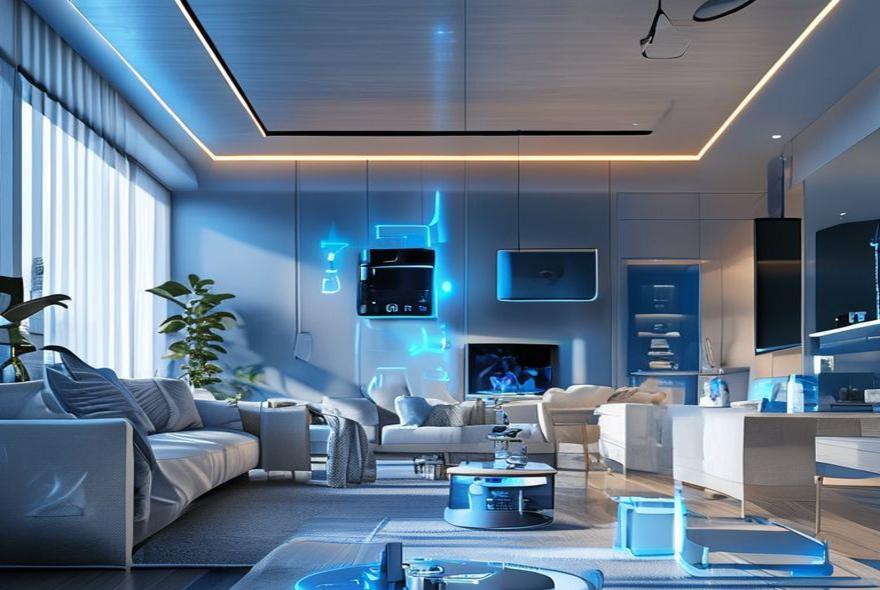
Welcome to the wild world of AI cleaning systems, where robots do more than just vacuum! Ever found yourself juggling chores amidst your busy lifestyle, wondering, “Is there a smarter way?” Meet your new best friend: adaptive learning AI. These savvy systems adjust to your evolving needs, crafting cleaning schedules that fit like a glove. Imagine goodbye to mop adventures and hello to more free time! Ready to explore how this tech magic slashes home maintenance time and keeps you smiling? Buckle up; we’re diving in deep!
Key Takeaways
- Discover how AI cleaning systems adapt to your unique cleaning needs—goodbye, one-size-fits-all solutions!
- AI systems adjust cleaning schedules as your lifestyle changes—because your home should work around you, not the other way around.
- Spend less time on home maintenance with AI, and more on Netflix—or whatever brings you joy.
- These systems use adaptive learning capabilities to evolve—ever wish your vacuum was smarter? Wish granted!
- Tailored cleaning routines by AI can transform your cleaning woes into wows.
- Wondering if AI can handle that pet hair problem? Spoiler: It can, and it learns to do even better over time!
How AI Systems Learn Your Unique Cleaning Patterns
You know that moment when you realize your home has its own personality? Well, AI cleaning schedules are getting pretty good at reading that personality and adapting accordingly. These smart systems don’t just follow a rigid program—they actually observe how you live, when you’re messiest, and what areas need the most attention. It’s like having a really observant roommate who actually helps instead of leaving dishes in the sink.
- Pattern Recognition Technology: AI cleaning schedules analyze foot traffic, usage patterns, and mess accumulation to create personalized cleaning automation that matches your lifestyle rhythms
- Behavioral Learning: Smart home cleaning systems track when you cook, work from home, or have guests over, adjusting their digital cleaning planner accordingly to stay ahead of the mess
- Seasonal Adaptation: These systems recognize seasonal changes in your routine—like increased indoor time during winter or more outdoor activity in summer—and modify cleaning frequency automatically
- Real-Time Adjustments: Advanced AI can detect unexpected events like spills, pet accidents, or impromptu gatherings, triggering immediate cleaning responses without disrupting your regular schedule
- Preference Memory: The more you interact with your cleaning automation, the better it gets at predicting your preferences for timing, intensity, and specific cleaning priorities in different areas of your home
The Science Behind Adaptive Cleaning Automation
Here’s where things get fascinating from a tech perspective—we’re not just talking about fancy timers here. Modern cleaning automation uses machine learning algorithms that would make your smartphone jealous. These systems process thousands of data points daily, from humidity levels to dust accumulation rates, creating a comprehensive picture of your home’s cleaning needs that adapts faster than you can say “spring cleaning.”
- Environmental Sensors: Smart home cleaning systems use multiple sensors to detect air quality, dust levels, humidity, and temperature changes that affect cleaning requirements throughout your home
- Machine Learning Algorithms: AI cleaning schedules employ sophisticated algorithms that process historical data, weather patterns, and household activity to predict optimal cleaning times and methods
- Feedback Loops: Your digital cleaning planner continuously refines its approach based on results—if a certain area stays cleaner longer, it adjusts frequency; if another gets dirty faster, it increases attention
- Cross-Device Communication: Different cleaning devices share data about effectiveness, battery life, and coverage patterns to optimize the entire cleaning automation ecosystem
- Predictive Analytics: Advanced systems can forecast cleaning needs days or weeks in advance, preparing for seasonal allergen spikes or adjusting for upcoming events based on calendar integration
Customizing Your Smart Home Cleaning Experience
Let’s be honest—every home is different, and what works for your neighbor might be a disaster for your family. That’s why the best AI cleaning schedules offer extensive customization options that go way beyond “clean on Tuesday.” We’re talking about systems that understand your pet’s shedding cycle, your teenager’s snack habits, and even your mother-in-law’s visit schedule. The key is finding the right balance between automation and personal control.
- Room-Specific Programming: Configure different cleaning intensities and frequencies for each space—your kitchen might need daily attention while guest bedrooms can go weeks between deep cleans
- Family Member Profiles: Set up individual profiles that account for allergies, work schedules, and personal preferences, allowing your cleaning automation to adapt when different family members are home
- Pet-Specific Adaptations: Smart home cleaning systems can learn your pet’s habits, shedding patterns, and favorite spots, automatically increasing cleaning frequency in high-traffic pet areas
- Seasonal Customization: Program your digital cleaning planner to handle seasonal challenges like pollen in spring, beach sand in summer, or mud and salt in winter months
- Special Event Modes: Create custom cleaning protocols for holidays, parties, or extended absences that automatically activate based on calendar events or manual triggers
Integration with Daily Life and Meal Prep Organization
This is where AI cleaning schedules really start to shine—when they seamlessly integrate with your actual life instead of fighting against it. I learned this the hard way when my cleaning automation kept running during my meal prep organization sessions, creating chaos instead of cleanliness. Now my system knows to deep-clean the kitchen before my Sunday meal prep and handle the aftermath without me lifting a finger. It’s like having a sous chef who only does the cleaning part.
- Kitchen Coordination: AI systems can detect when you’re doing meal prep organization and automatically adjust cleaning schedules to sanitize surfaces before cooking and deep-clean afterward
- Cooking Pattern Recognition: Smart home cleaning learns your cooking habits—when you bake bread weekly, grill on weekends, or do intensive meal prep sessions—and prepares accordingly
- Cross-Contamination Prevention: Advanced cleaning automation can track which surfaces have been used for raw meat, dairy, or allergens, scheduling appropriate sanitization protocols
- Appliance Maintenance: Your digital cleaning planner monitors appliance usage during meal prep and schedules cleaning cycles for ovens, microwaves, and dishwashers based on actual use rather than arbitrary timers
- Storage Area Management: These systems extend beyond kitchen surfaces to manage pantry cleanliness, refrigerator maintenance, and food storage area hygiene automatically
Overcoming Common Adaptation Challenges
Look, I’d love to tell you that AI cleaning schedules work perfectly from day one, but that would be a complete lie. There’s definitely a learning curve—both for you and the system. I remember my first week with smart home cleaning when my robot vacuum kept getting confused by my teenager’s habit of leaving clothes everywhere. The good news is that most adaptation challenges are temporary and totally manageable once you know what to expect.
- Initial Learning Period: Expect 2-4 weeks for AI cleaning schedules to fully understand your household patterns—be patient and provide consistent feedback during this crucial adaptation phase
- Obstacle Recognition: Train your cleaning automation to recognize and navigate around furniture arrangements, pet toys, and family belongings that might confuse sensors initially
- Schedule Conflicts: Address timing conflicts between different cleaning devices or between cleaning and family activities by establishing clear priority hierarchies in your digital cleaning planner
- Sensitivity Adjustments: Fine-tune sensor sensitivity to avoid over-cleaning triggered by minor disturbances while ensuring the system responds appropriately to actual messes
- Integration Hiccups: Troubleshoot connectivity issues between different smart home cleaning devices by ensuring compatible communication protocols and regular software updates
Maximizing Efficiency Through Tech Cleaning Trends
Staying current with tech cleaning trends isn’t just about having the latest gadgets—it’s about leveraging innovations that actually improve your quality of life. The cleaning automation landscape is evolving rapidly, and some of these emerging trends are genuinely game-changing. We’re seeing developments that make current smart home cleaning look primitive, and positioning yourself to take advantage of these advances can transform how you think about household maintenance.
- AI-Powered Scheduling Optimization: Next-generation systems use advanced algorithms to optimize cleaning schedules across multiple devices, reducing energy consumption while maximizing cleaning effectiveness
- Predictive Maintenance: Modern AI cleaning schedules can predict when cleaning equipment needs maintenance, automatically ordering supplies or scheduling service calls before problems occur
- Health-Based Adaptations: Emerging smart home cleaning technology integrates with health monitoring systems to adjust cleaning intensity during illness, allergy seasons, or immune system challenges
- Environmental Intelligence: Advanced systems consider weather forecasts, air quality reports, and seasonal patterns to proactively adjust cleaning automation for optimal indoor air quality
- Community Learning Networks: Cutting-edge digital cleaning planners learn from anonymized data across similar households, continuously improving recommendations based on collective user experiences
Future-Proofing Your Cleaning Automation Investment
Here’s something most people don’t consider when investing in AI cleaning schedules—technology moves fast, and what’s cutting-edge today might be obsolete tomorrow. But that doesn’t mean you should wait for the “perfect” system. The key is choosing cleaning automation that’s designed to grow and adapt with advancing technology. Think of it as buying a smartphone that can handle software updates rather than one that becomes a paperweight after a year.
- Scalable Architecture: Choose smart home cleaning systems with modular designs that allow you to add new devices and capabilities as they become available without replacing your entire setup
- Regular Software Updates: Prioritize AI cleaning schedules from manufacturers committed to ongoing software development, ensuring your system improves over time rather than becoming outdated
- Open Integration Standards: Select cleaning automation that supports industry-standard communication protocols, allowing compatibility with future devices regardless of manufacturer
- Cloud-Based Learning: Invest in systems that leverage cloud computing for continuous learning and improvement, ensuring your digital cleaning planner benefits from collective user data and algorithm refinements
- Upgrade Pathways: Look for manufacturers that offer clear upgrade paths for hardware components, allowing you to enhance capabilities without complete system replacement as technology advances
As we glide to the end of our enlightening journey into the world of AI-powered cleaning, let’s recap the essentials. We’ve dived into how these brilliant systems use adaptive learning capabilities to keep up with your ever-evolving lifestyle. Thanks to AI, your cleaning schedules no longer have to be static and outdated, but instead can evolve just like you do, significantly cutting down your time spent on mundane chores. This intelligent tech tailors the dirty work to fit your needs, leaving your home spotless while giving you time back to focus on more important things—like binge-watching a new series, feeling guilt-free!
And hey, if this inspired a cleaning spree but life’s too busy… Wrapping this up, if you’re ready to tackle your home cleaning without the hassle, hit us up at Joy of Cleaning. Book a Cleaning online or give us a jingle at (727) 687-2710—we’ve got your back! Follow us on Instagram and Facebook for more fun tips.