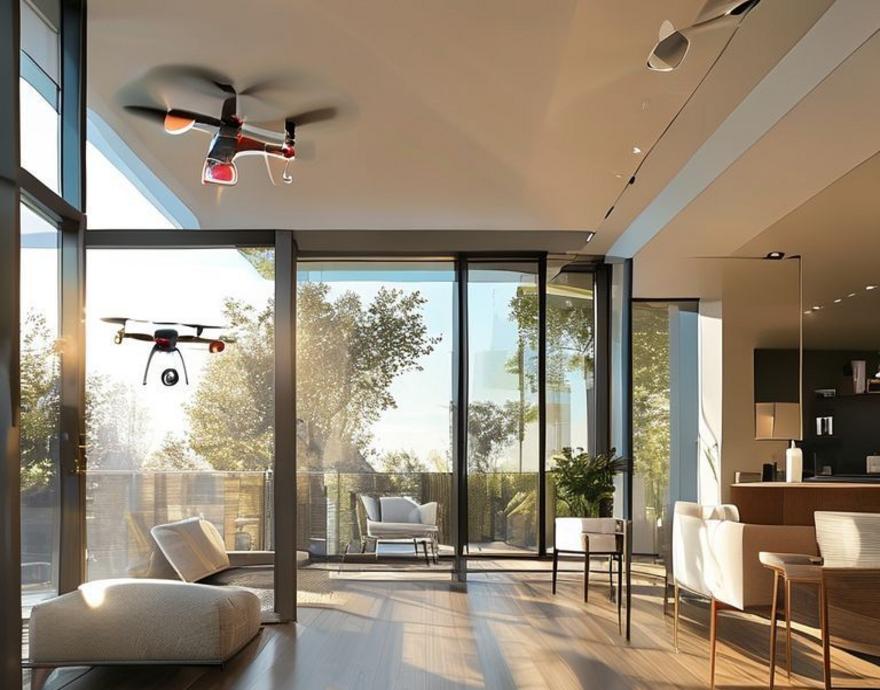
Feeling buried under a mountain of chores? Let’s dig you out with a sprinkle of AI magic! Welcome to our guide, ‘Checklist for Managing Chores with AI Technology.’ Imagine outsourcing your laundry woes and dishwashing defeats to friendly robots—sounds dreamy, right? We’ll show you the ropes on setting up these gadgets and fine-tuning their schedules, giving you more precious me-time. Trust me, once you dive into this trove of techy tricks, you’ll be wondering how you ever managed without them. Ready to trade chaos for calm in your chore routine?
Key Takeaways
- Unleash the power of AI to tackle your daily chores without breaking a sweat.
- Get step-by-step guidance on setting up your devices like a pro.
- Learn to optimize AI device schedules for maximum efficiency—goodbye, never-ending to-do list!
- Figure out which AI gadgets are perfect for managing your home—because who couldn’t use a robotic helper?
- Discover tips to integrate AI tech into your household routine seamlessly.
- Stay ahead with cutting-edge AI devices that handle chores while you Netflix & chill.
Getting Started: Your AI-Powered Cleaning Setup Checklist
You know that moment when you realize you’ve been doing something the hard way for years? That’s exactly how I felt when I first discovered AI cleaning schedules. Setting up your smart home cleaning system doesn’t have to feel like rocket science—though the technology behind it kind of is. The key is starting with a solid foundation and building your cleaning automation step by step. We think the biggest mistake people make is trying to automate everything at once, which usually leads to frustration and abandoned smart devices collecting dust.
- Inventory Your Current Cleaning Routine: Before diving into AI cleaning schedules, map out what you’re already doing—this helps identify which tasks benefit most from cleaning automation and where you’re spending unnecessary time
- Assess Your Smart Home Readiness: Check your WiFi coverage, available power outlets, and existing smart devices to ensure your digital cleaning planner will have the infrastructure it needs to function properly
- Choose Your Starting Point: Begin with one high-impact area like the kitchen or living room rather than trying to automate your entire home—successful smart home cleaning builds momentum gradually
- Budget for Integration Costs: Factor in not just device costs but also potential WiFi upgrades, additional outlets, and subscription fees for advanced AI cleaning schedule features
- Research Compatibility: Ensure your chosen cleaning automation devices work together and with your existing smart home ecosystem—nothing’s worse than buying expensive gadgets that don’t communicate
Essential Devices for Smart Home Cleaning Success
Here’s where the rubber meets the road—or should I say, where the robot meets the carpet? Building an effective AI cleaning schedule requires the right mix of devices working in harmony. I learned this lesson the hard way when my first robot vacuum and my automated mop kept bumping into each other like some bizarre cleaning dance. The trick is understanding which devices form the backbone of your cleaning automation and which ones are nice-to-have additions that can come later.
- Robot Vacuum and Mop Combo: The foundation of any smart home cleaning system—modern units integrate with digital cleaning planners to coordinate cleaning patterns, avoid obstacles, and return to base stations automatically
- Smart Air Purifiers: These connect to your AI cleaning schedules to activate during high-dust activities like vacuuming or when sensors detect poor air quality, creating a comprehensive cleaning ecosystem
- Automated Trash and Recycling Systems: Smart bins that compact waste, seal odors, and even order replacement bags integrate seamlessly with your overall cleaning automation routine
- UV Sanitizing Devices: Automated UV lamps that sanitize surfaces, phones, and frequently-touched items can be scheduled to run during specific times as part of your comprehensive cleaning routine
- Smart Sensors and Monitors: Humidity sensors, air quality monitors, and motion detectors provide the data your digital cleaning planner needs to make intelligent decisions about when and where to clean
Programming Your Digital Cleaning Planner for Maximum Efficiency
Okay, this is where things get really interesting—and where most people either become AI cleaning converts or give up entirely. Programming your digital cleaning planner isn’t just about setting timers; it’s about creating a system that learns, adapts, and anticipates your needs. Think of it as training a really smart assistant who happens to be obsessed with keeping your house spotless. The beauty of modern AI cleaning schedules is that they can handle complex decision-making that would make your head spin.
- Create Detailed Home Profiles: Input information about room sizes, flooring types, furniture placement, and family routines so your cleaning automation can optimize for your specific environment and lifestyle
- Establish Priority Hierarchies: Program your system to understand which areas need daily attention versus weekly deep cleaning, and which tasks are non-negotiable versus flexible based on your schedule
- Set Up Conditional Logic: Advanced digital cleaning planners can execute “if-then” scenarios—like increasing bathroom cleaning frequency during flu season or ramping up kitchen sanitization during heavy meal prep periods
- Configure Learning Parameters: Adjust how quickly your AI cleaning schedule adapts to changes in routine, seasonal variations, and new preferences to prevent over-correction while maintaining responsiveness
- Implement Backup Protocols: Program fallback procedures for when devices malfunction, connectivity fails, or unexpected events disrupt your normal smart home cleaning routine
Optimizing Cleaning Schedules Around Daily Life Patterns
Here’s something nobody tells you about AI cleaning schedules—they work best when they’re invisible. The goal isn’t to have robots buzzing around while you’re trying to work or relax; it’s to have a clean home without ever thinking about it. I remember the first few weeks with my smart home cleaning system felt like living in a sci-fi movie, but now? I barely notice the cleaning automation running because it’s perfectly synced with my family’s rhythm.
- Map Activity Patterns: Your digital cleaning planner should learn when rooms are typically empty—scheduling vacuuming during work hours, bathroom cleaning while everyone’s asleep, and kitchen maintenance between meal times
- Coordinate with Work Schedules: Program intensive cleaning automation for weekday mornings after everyone leaves, saving quiet maintenance tasks for evenings when family members are home
- Integrate with Entertainment Systems: Smart scheduling prevents cleaning devices from running during movie nights, video calls, or when you’re listening to music—because nothing kills the mood like a vacuum
- Adapt to Social Calendars: Advanced AI cleaning schedules can access your calendar apps to automatically increase cleaning frequency before dinner parties or houseguests arrive
- Seasonal Routine Adjustments: Your system should adapt to changing daylight hours, school schedules, holiday patterns, and seasonal activities that affect when spaces are occupied
Coordinating Kitchen Cleaning with Meal Prep Organization
Now we’re getting into one of my favorite applications of cleaning automation—making the kitchen work like a well-oiled machine. If you’re serious about meal prep organization, then coordinating it with your AI cleaning schedules is absolutely game-changing. I used to dread Sunday meal prep because I’d spend half my time cleaning as I went, but now my digital cleaning planner handles all the background maintenance while I focus on creating delicious, healthy meals.
- Pre-Cooking Sanitization: Schedule automatic deep cleaning of countertops, cutting boards, and appliances before your designated meal prep organization sessions to ensure a pristine starting workspace
- Real-Time Spill Management: Smart sensors can detect flour explosions, oil splatters, and ingredient spills during cooking, triggering immediate spot-cleaning protocols that prevent sticky messes from setting
- Appliance Coordination: Your cleaning automation can run dishwasher cycles between cooking phases, clean coffee makers during meal prep, and sanitize small appliances while you’re focused on food preparation
- Storage Area Maintenance: Coordinate refrigerator cleaning, pantry organization, and food storage sanitization with your meal prep schedule to ensure ingredients stay fresh and storage areas remain hygienic
- Post-Prep Deep Cleaning: Program intensive kitchen cleaning after heavy cooking sessions, including exhaust hood cleaning, floor sanitization, and appliance maintenance that happens automatically while you store your prepared meals
Advanced Automation Features That Transform Your Routine
Let’s dive into the really cool stuff that makes AI cleaning schedules feel like magic. These advanced features are what separate basic timer-based cleaning from true artificial intelligence that anticipates your needs. When my system first predicted that I’d need extra pet hair removal during shedding season and automatically adjusted the schedule, I knew I was living in the future. These features might seem like overkill at first, but trust me—once you experience truly intelligent cleaning automation, there’s no going back.
- Predictive Analytics: Advanced digital cleaning planners analyze patterns to predict when deep cleaning will be needed, automatically scheduling maintenance before problems become visible or create health issues
- Weather Integration: Your smart home cleaning system can access weather forecasts to increase floor cleaning before rainy periods, boost air purification during high pollen days, or adjust humidity control during seasonal changes
- Health Monitoring Integration: Connect with fitness trackers and health apps to increase sanitization when family members are ill, boost air filtration for allergy sufferers, or adjust cleaning intensity based on immune system needs
- Energy Optimization: Intelligent scheduling runs power-intensive cleaning during off-peak electricity hours, coordinates with solar panel output, and balances cleaning needs with energy costs for maximum efficiency
- Multi-Zone Coordination: Advanced systems can manage cleaning across different areas simultaneously—running quiet tasks upstairs while intensive cleaning happens in the basement, optimizing efficiency without disrupting daily life
Troubleshooting and Maintaining Your AI Cleaning System
Alright, let’s talk about the less glamorous side of smart home cleaning—when things go wrong. And they will go wrong, because that’s just how technology works sometimes. I’ve had my robot vacuum create modern art with dog hair across my hardwood floors, and my automated mop once decided to “help” by spreading a small spill into a much larger one. The key is knowing how to quickly identify and fix common issues before they turn your cleaning automation into cleaning chaos.
- Connectivity Troubleshooting: Establish protocols for when devices lose WiFi connection—including backup scheduling, manual override procedures, and quick reconnection steps that don’t require technical expertise
- Sensor Calibration: Regularly check and recalibrate sensors that monitor air quality, detect spills, and navigate spaces to ensure your AI cleaning schedules are working with accurate environmental data
- Software Updates and Maintenance: Create a routine for updating device firmware, cleaning app software, and digital cleaning planner algorithms to maintain optimal performance and security
- Device Cleaning and Care: Ironically, your cleaning automation devices need regular maintenance too—emptying bins, cleaning sensors, replacing filters, and checking mechanical components for wear
- Performance Monitoring: Track cleaning effectiveness, energy usage, and system reliability over time to identify declining performance before it affects your home’s cleanliness or your family’s routine
Future-Proofing Your Smart Home Cleaning Investment
Here’s the thing about investing in AI cleaning schedules and smart home cleaning technology—you want to make sure your setup will still be relevant and useful as technology continues evolving at breakneck speed. I learned this lesson when I bought my first “smart” vacuum that couldn’t integrate with anything else and became obsolete within two years. The secret is choosing systems that grow with you and adapt to new innovations rather than becoming expensive paperweights.
- Open Platform Integration: Choose cleaning automation systems that work with multiple smart home ecosystems rather than proprietary solutions that lock you into one manufacturer’s vision of the future
- Expandable Architecture: Invest in digital cleaning planners that can accommodate new devices, sensors, and capabilities as they become available, allowing your system to grow more sophisticated over time
- Regular Technology Assessments: Schedule quarterly reviews of your smart home cleaning setup to identify outdated components, evaluate new features, and plan strategic upgrades that enhance rather than replace your existing investment
- Community and Support Networks: Connect with user communities, manufacturer support channels, and technology forums that provide ongoing education about maximizing your AI cleaning schedule effectiveness
- Sustainable Upgrade Paths: Plan for gradual technology improvements rather than complete system overhauls, focusing on components that add the most value to your specific cleaning automation needs and lifestyle
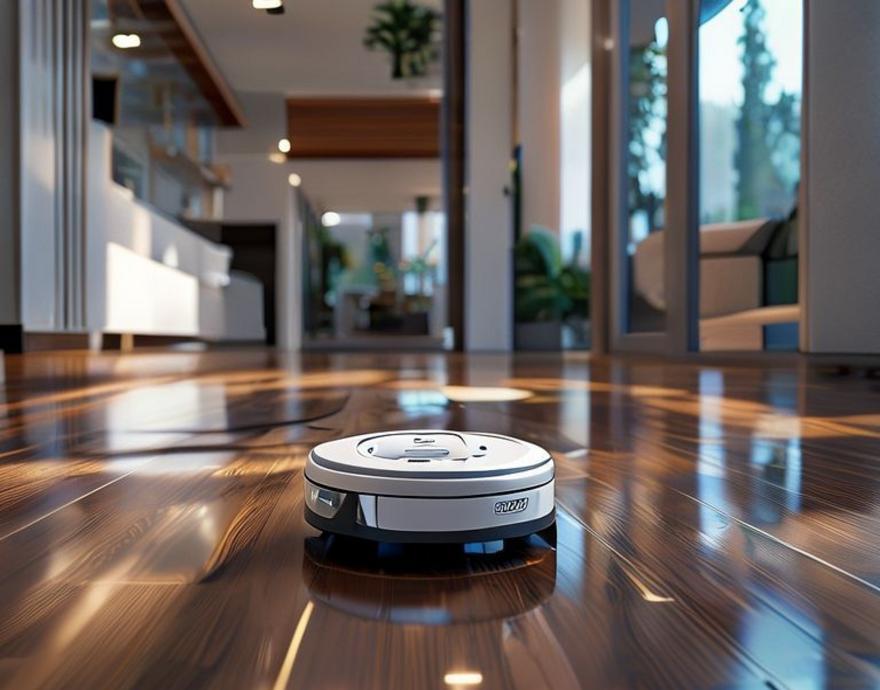
As we wrap up our journey into chore management with AI technology, you’re now armed with the ultimate checklist for reclaiming your free time and optimizing your household tasks. From setting up smart devices to creating tailor-made schedules, this blog has covered everything to transform your home into a seamless, efficient sanctuary. Our focus on the latest AI tools illustrates the ease and efficiency with which you can tackle household chores, leaving you with a celebration-worthy sense of accomplishment (and more time to enjoy a good book). Whether you’re integrating machine learning-powered cleaning robots or voice-activated assistants, managing chores has never been this tech-savvy and laid-back.
And hey, if this inspired a cleaning spree but life’s too busy, there’s no need to fret! Wrapping this up, if you’re ready to tackle your home cleaning without the hassle, hit us up at Joy of Cleaning. Book a Cleaning or call (727) 687-2710—we’ve got your back! Follow us on Facebook and Instagram for more fun tips. Cheers to less chores and more living!