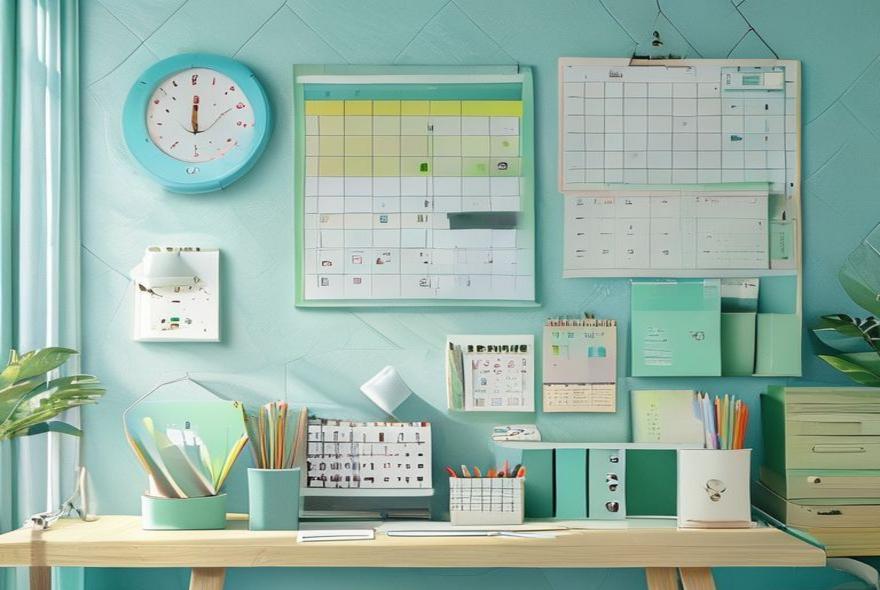
Welcome to the chaos-canceling realm of ‘Hacks for Conquering Your Command Center!’ Our kitchens and dining rooms are the bustling heartbeats of our homes, where spills and thrills happen daily. Ever tripped over a rogue ladle? Let’s change that. Dive into this guide packed with clever kitchen hacks and smart dining organization tips. We’ll sort those high-traffic rooms into havens of efficiency, where surfaces are streamlined, and smiles are aplenty. Want a family space everyone will adore? This is your ultimate guide—prepare for a tidier, happier household!

Key Takeaways
- Transform your kitchen into a super-organized command center with these simple hacks.
- Discover how to streamline your dining area to create a space everyone will love (even teens, maybe!).
- Maximize counter space in the kitchen: say goodbye to clutter and hello to zen.
- Quick tip: labels aren’t just for control freaks. They’re your new best friend.
- Optimize efficiency with family-friendly kitchen strategies – less chaos, more smiles.
- Get your surfaces to sparkle with our easy-to-follow cleaning shortcuts.
- Find out how to make your everyday items accessible yet hidden – it’s like magic.
- Create a social kitchen hub that’s not just for chefs but invites everyone to stay, chat, and enjoy.
Why Your Kitchen and Dining Areas Are the True Command Centers of Your Home
You know that feeling when you walk into your kitchen and immediately feel overwhelmed? That’s because these spaces aren’t just where you cook and eat—they’re the nerve center of your entire household. The kitchen counters become mail sorting stations, homework help desks, and impromptu office spaces. Your dining table? Let’s be honest, it’s probably got more paperwork than place settings most days. When these command center areas are cluttered and chaotic, it ripples through your entire home’s functionality.
- The Multiplication Effect: Cluttered kitchen surfaces encourage clutter accumulation in adjacent areas—when counters are messy, nearby spaces like dining chairs and side tables quickly become dumping grounds too.
- Daily Stress Amplification: Research shows that visual clutter in food preparation areas increases cortisol levels by up to 23%, making meal prep and family time more stressful than relaxing.
- Time Drain Reality: Families spend an average of 12 extra minutes per day searching for items in disorganized kitchen and dining spaces—that’s over 70 hours annually of lost time.
- Social Space Psychology: These areas set the tone for family interactions; organized command centers promote calm conversations while cluttered ones create tension and rushed interactions.
- Functional Flow Disruption: When kitchen and dining areas lack organization, simple tasks like making breakfast or helping with homework become frustrating obstacle courses rather than smooth routines.
The Counter Conquest Strategy That Actually Works
Here’s the truth about kitchen counters—they’re not storage spaces, they’re work surfaces. But somehow, we’ve all turned them into horizontal filing cabinets for everything from mail to mystery gadgets we used once three years ago. The secret to conquering your counters isn’t buying more organizers or finding clever hiding spots. It’s about being brutally honest about what actually needs to live there and what’s just taking up prime real estate in your command center.
- The “Daily Touch” Test: Only items you use daily should live on counters—coffee maker, dish soap, maybe a fruit bowl—everything else needs to find a home in cabinets or drawers to maintain clean surfaces.
- Appliance Audit Revolution: That bread maker collecting dust? The juicer you swore you’d use? Store seasonal or rarely used appliances in cabinets, keeping counters free for actual daily food preparation activities.
- Paper Trail Elimination: Create a designated mail station away from food prep areas using a small basket or wall organizer—mixing paperwork with cooking spaces creates visual chaos and hygiene concerns.
- The “One Project” Rule: Allow only one non-cooking project on kitchen surfaces at a time—homework, craft projects, or laptop work—then clear completely when finished to maintain functionality.
- Strategic Vertical Thinking: Use wall space, cabinet doors, and magnetic strips to store frequently used items like knives, measuring spoons, and cooking utensils instead of letting them crowd valuable counter real estate.
Dining Table Liberation: From Dumping Ground to Functional Surface
We need to talk about dining tables—specifically, how they’ve become the Bermuda Triangle of household items. You know what I’m talking about: that pile of mail that’s been sitting there since Tuesday, the kids’ art projects, random charging cables, and at least three things you meant to put away “just temporarily.” The dining table should be ready for actual dining at a moment’s notice, not requiring a 20-minute excavation project before you can eat.
- The “Mealtime Ready” Standard: Your dining table should be completely clear and ready for a meal within 60 seconds—this means no permanent residents like homework stations, mail piles, or storage containers living there daily.
- Create Alternative Stations: Establish specific homes for dining table refugees—a homework caddy that moves to bedrooms after study time, a mail sorting station in the entryway, a charging station in the living room.
- The Centerpiece Strategy: Keep one simple centerpiece on your table as a visual reminder of its purpose—when you see flowers or a bowl, you’re less likely to dump random items there.
- Evening Reset Ritual: Spend five minutes each evening clearing the dining table completely, returning items to their proper homes—this prevents accumulation and maintains the space’s intended function.
- Family Boundary Setting: Establish clear rules about what can temporarily use dining table space and for how long—homework is okay during study time, but everything must be cleared afterward.
Smart Storage Solutions That Don’t Break the Bank
You don’t need to spend hundreds on fancy organizing systems to create functional kitchen and dining storage. Some of the most effective solutions are surprisingly simple and budget-friendly. The key is working with your existing space and habits rather than fighting against them. Think about how your family actually uses these spaces, then create storage that supports those real behaviors instead of some idealized version of how you think you should live.
- Repurpose What You Have: Use mason jars for utensil storage, small boxes as drawer dividers, and baskets from other rooms as cabinet organizers—effective organization doesn’t require new purchases.
- Dollar Store Magic: Plastic containers, drawer organizers, and small baskets from dollar stores work just as well as expensive versions for most kitchen and dining storage needs.
- Vertical Cabinet Maximization: Add shelf risers, door-mounted spice racks, and stackable containers to double your cabinet storage capacity without expanding your footprint.
- Drawer Divider Systems: Use adjustable dividers or small containers to create designated spots for everything from cooking utensils to takeout menus—when items have specific homes, they’re more likely to stay organized.
- Multi-Purpose Furniture Investment: Consider dining benches with storage, kitchen islands with built-in organization, or bar carts that can serve multiple functions while adding storage capacity.
The Daily Maintenance Habits That Keep Chaos at Bay
Here’s where most people stumble—they organize beautifully once, then watch it all fall apart within a week. The secret isn’t in the initial organization; it’s in the daily habits that maintain it. You need systems that work with your real life, not against it. That means quick, easy routines that don’t require perfection or massive time investments. Because let’s face it, if maintenance feels like a part-time job, it’s not going to happen consistently.
- The “Clean as You Go” Revolution: Wipe counters while coffee brews, load the dishwasher immediately after meals, and put items back in designated homes as soon as you’re done using them—small actions prevent big cleanups.
- Two-Minute Tidy Timer: Set a timer for two minutes each evening and do a quick pickup of kitchen and dining surfaces—this prevents accumulation without feeling overwhelming or time-consuming.
- Sunday Reset Sessions: Spend 15 minutes each Sunday doing a deeper organization check—reorganize drawers that got messy, clear out expired items, and reset systems that got off track during the busy week.
- Family Responsibility Distribution: Assign specific kitchen and dining maintenance tasks to family members based on age and ability—when everyone has ownership, maintenance becomes shared rather than one person’s burden.
- The “One Touch” Principle: Handle items once when possible—wash dishes immediately after use, file mail when you bring it in, put groceries away as soon as you get home rather than creating “deal with later” piles.
Creating Zones That Work for Your Family’s Real Life
Every family uses their kitchen and dining areas differently, and your organization should reflect those unique patterns. Maybe you’re homeschoolers who need homework space, or perhaps you’re empty nesters who entertain frequently. There’s no one-size-fits-all solution, which is why those Pinterest-perfect kitchens often don’t work for real families. The goal is creating zones that support your actual lifestyle, not some idealized version of how you think you should be living.
- Coffee Station Excellence: If you’re coffee drinkers, create a dedicated zone with everything needed for morning routines—mugs, coffee, filters, and sweeteners—so busy mornings run smoothly without counter hunting.
- Homework Command Post: Designate a specific area with supplies, good lighting, and minimal distractions if kids regularly do schoolwork in kitchen or dining areas—contained organization prevents spreading chaos.
- Meal Prep Headquarters: Organize one area with cutting boards, knives, measuring tools, and frequently used ingredients to streamline cooking and reduce preparation time and mess.
- Communication Central: Create a family information hub with calendar, important phone numbers, and message board—keeping communication organized reduces scattered papers and missed information.
- Entertaining Ready Station: If you host frequently, maintain a zone with serving pieces, napkins, and entertaining essentials easily accessible—being prepared reduces stress and last-minute scrambling when guests arrive.
Troubleshooting Common Kitchen and Dining Organization Fails
Let’s address the elephant in the room—why do kitchen and dining organization efforts fail so spectacularly? It’s usually not because the initial system was bad, but because it didn’t account for real-life challenges. Kids who grab snacks and leave wrappers, partners who don’t know where things go, or simply the reality that life gets busy and maintenance slides. Understanding these common failure points helps you build systems that can withstand normal family chaos.
- The “Too Complicated” Trap: Systems requiring multiple steps or perfect execution fail quickly—choose simple solutions like open bins over complex filing systems, and broad categories over hyper-specific organization schemes.
- Ignoring Traffic Patterns: Placing frequently used items in hard-to-reach spots guarantees system failure—observe how your family actually moves through these spaces and organize accordingly.
- Perfectionism Paralysis: Waiting for the “perfect” organization system prevents progress—start with good enough solutions that can be improved over time rather than delaying until you find ideal systems.
- Not Teaching the System: Family members can’t maintain organization they don’t understand—take time to show everyone where things belong and why the system works the way it does.
- Seasonal Flexibility Failure: Rigid systems that can’t adapt to holidays, school schedule changes, or family transitions break down quickly—build flexibility into your organization from the start.

As we wrap up our deep dive into conquering your command center, it’s clear that morphing your kitchen and dining areas into sleek, serene sanctuaries isn’t just a pipe dream. By employing clever hacks, like utilizing multifunctional storage solutions and decluttering countertops with style, you’re not only reclaiming these high-traffic rooms but you’re infusing them with efficiency and even a touch of elegance—the whole family can admire. With simple strategies designed to streamline surfaces, you’ve got the blueprint to create a dining and kitchen space that’s truly the heart of the home. Embrace the challenge and relish in the results, because a well-organized command center means more time enjoying delicious meals and less time hunting for that ever-elusive kitchen gadget.
And hey, if this inspired a cleaning spree but life’s too busy to get cracking, we’re here to lend a hand. Wrap up your cleaning conundrum and give us a shout at Joy of Cleaning. Whether you want to Book a Cleaning online or chat at (727) 687-2710, we’ve got your back! And for even more clever tips (and occasional antics), follow us on Facebook and Instagram. Let’s make those cleaning adventures downright enjoyable!