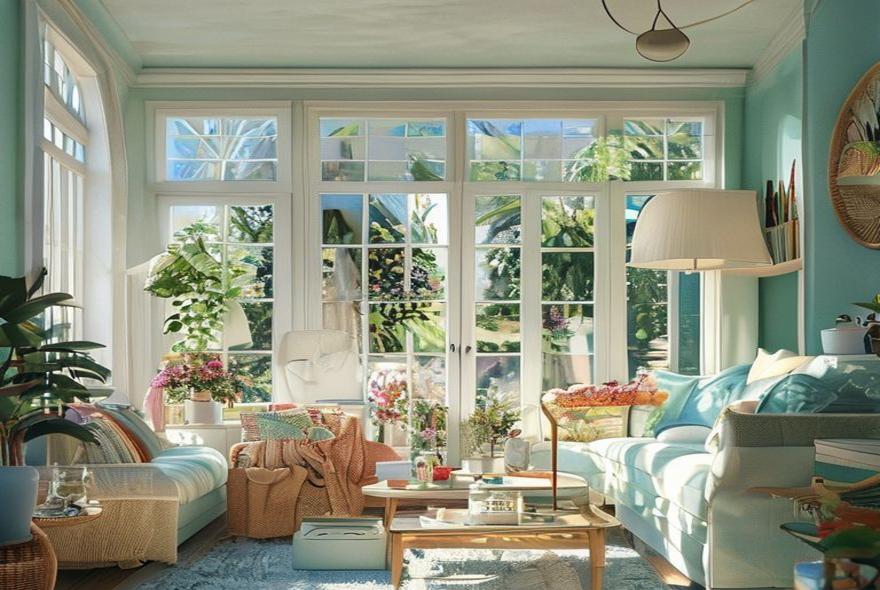
Is your living room in need of a makeover? Fear not! Our post, ‘Hacks for Maximizing Living Room Comfort,’ is packed with delightful tricks to refresh your space. From sneaky organization methods to cleaning tips, we’ve got everything you need to make your home feel inviting. Ever tried rearranging furniture only to trip over the ottoman at midnight? We’ve all been there, and we’re here to help. Dive into our 4,000-word exploration and discover how to turn your room into a snug haven. Ready for a transformation? Let’s dive in!
Key Takeaways
- Boost living room comfort with clever decorating hacks for a stylish touch that feels just like home.
- Transform chaos into calm by organizing clutter and freeing up space – your future self will thank you!
- Discover the secret to a spotless living room with hassle-free cleaning tips. Yes, even that stubborn couch stain meets its match!
- Add a splash of color or a cozy throw to revive your space instantly. Sometimes, it’s the little things that pack a punch.
- Embrace the art of multi-functionality with furniture pieces that double up for storage and seating – versatility is in!
- Air it out! Freshen up your space with natural fragrances for an inviting atmosphere every guest will notice.
- Simple DIY projects can add unique charm. Why spend a fortune when you’ve got creativity on your side?
- Lighting magic: Play with light sources to create warmth and depth – a dimmer switch can be a game-changer!
Understanding Your Living Room’s Comfort Potential
You know that feeling when you walk into someone else’s living room and immediately think, “Wow, I could live here forever”? That’s not magic—it’s smart design choices that maximize comfort without breaking the bank. Your living room has untapped potential hiding behind poor furniture placement, inadequate lighting, and organizational chaos. The secret isn’t spending thousands on new furniture; it’s about understanding how small changes create big comfort impacts. Think of it like tuning a guitar—each adjustment might seem minor, but together they create perfect harmony in your space.
- Temperature and Airflow Optimization: Strategic placement of fans, proper window treatments, and understanding your room’s natural air patterns can make your space feel 20 degrees more comfortable year-round.
- Lighting Layer Strategy: Combining ambient, task, and accent lighting eliminates harsh shadows and creates that cozy “golden hour” feeling any time of day—your eyes and mood will thank you.
- Furniture Placement Psychology: The way you arrange seating affects conversation flow, traffic patterns, and even how relaxed people feel—there’s actual science behind why some rooms feel instantly welcoming.
- Texture and Material Balance: Mixing soft and hard surfaces, warm and cool materials creates sensory comfort that makes people want to stay longer without understanding exactly why.
- Personal Space Boundaries: Understanding sight lines, creating intimate conversation areas, and respecting natural movement patterns turns your living room into a space that works with human behavior instead of against it.
Strategic Seating Arrangements That Actually Work
Here’s something most people get wrong about living room seating—they push everything against the walls like they’re hosting a middle school dance. But real comfort comes from creating conversation clusters that make sense for how you actually use your space. I learned this the hard way after years of having a beautiful living room that nobody wanted to hang out in because talking to someone required shouting across a coffee table the size of a small country. The magic happens when you think about seating as creating multiple “rooms” within your room, each serving different comfort needs.
- The Conversation Circle Rule: Arrange main seating so people are no more than 8 feet apart—this creates intimate conversation without anyone having to raise their voice or lean forward awkwardly.
- Traffic Flow Protection: Keep pathways clear and at least 3 feet wide so people aren’t constantly saying “excuse me” or doing weird sideways shuffles to get around furniture.
- Floating Furniture Benefits: Pull major pieces away from walls to create depth and define spaces—your room instantly feels larger and more intentional instead of like a waiting room.
- Multi-Purpose Seating Solutions: Ottoman storage, bench seating with hidden compartments, and nesting stools provide extra seating when needed without cluttering your daily living space.
- Power and Convenience Access: Position seating within easy reach of outlets, side tables, and lighting controls—comfort dies when people have to get up constantly to adjust their environment.
Lighting Magic: Creating the Perfect Ambiance
Nothing kills living room comfort faster than bad lighting—you know, that harsh overhead fluorescent that makes everyone look like they’re being interrogated, or the single table lamp that creates more shadows than a horror movie. Good lighting is like seasoning food; when it’s right, you don’t notice it, but when it’s wrong, it ruins everything. The secret is layering different types of light to create what designers call “visual comfort”—basically making sure your eyes never have to work too hard to see what they want to see. Think of yourself as the director of your own daily movie, and lighting is how you set the mood for each scene.
- The Three-Layer System: Combine ambient lighting (general room illumination), task lighting (reading or work areas), and accent lighting (highlighting art or architectural features) for complete visual comfort.
- Dimmer Switch Game-Changer: Installing dimmers on overhead lights lets you adjust brightness throughout the day—bright for cleaning, soft for evening relaxation, and everything in between.
- Natural Light Maximization: Use light-colored curtains or blinds that can open fully, position mirrors strategically to bounce light around, and avoid blocking windows with tall furniture.
- Warm vs Cool Temperature Balance: Mix warm light (2700K-3000K) for cozy evening vibes with cooler light (3500K-4000K) for daytime activities—your circadian rhythm will appreciate the variety.
- Strategic Lamp Placement: Position floor and table lamps to eliminate dark corners and create pools of light that draw people into seating areas—it’s like creating campfires throughout your room.
Temperature Control and Air Quality Hacks
Ever notice how you can have the most beautiful living room in the world, but if it’s too hot, too cold, or stuffy, nobody wants to spend time there? Comfort isn’t just visual—it’s physical, and your body’s temperature regulation system is constantly making judgments about whether a space feels good or not. I used to wonder why my living room felt uncomfortable even after I’d arranged everything perfectly, until I realized the problem wasn’t what I could see—it was what I could feel. Temperature and air quality are like the invisible foundation of comfort; get them right, and everything else feels better.
- Ceiling Fan Optimization: Run fans counterclockwise in summer to push air down and create cooling breeze, clockwise in winter to pull warm air down from the ceiling—it’s like having a personal weather system.
- Window Treatment Strategy: Use thermal curtains or cellular shades to insulate against temperature extremes, and install them close to the ceiling to maximize coverage and visual height.
- Air Circulation Improvement: Keep vents unblocked by furniture, use door fans to move air between rooms, and consider the placement of heat-generating electronics that can create uncomfortable hot spots.
- Humidity Control Methods: Add plants for natural humidity in dry conditions, use a dehumidifier in muggy weather, and maintain 30-50% humidity for optimal comfort—your skin and respiratory system will notice the difference.
- Natural Ventilation Maximization: Open windows on opposite sides of the room to create cross-ventilation, use the stack effect by opening windows on different levels, and take advantage of cooler evening air to flush out daytime heat buildup.
Smart Storage Solutions That Enhance Style
Here’s the truth about living room organization—visible clutter is comfort’s worst enemy, but shoving everything into a closet and closing the door isn’t actually solving the problem. Real comfort comes from having what you need within reach while maintaining visual calm. The best storage solutions are like good makeup: they enhance what’s already there while hiding the imperfections. I’ve learned that the secret isn’t having less stuff (though that helps), it’s about giving everything a home that makes sense for how you actually live, not how you think you should live.
- Multi-Functional Furniture Wins: Ottoman storage, coffee tables with drawers, and console tables with shelving provide hidden storage while serving their primary function—it’s like getting two pieces of furniture for the price of one.
- Vertical Storage Maximization: Use wall-mounted shelves, tall bookcases, and hanging organizers to store items up rather than out, keeping floor space clear for actual living and movement.
- Basket and Container Systems: Attractive baskets corral remote controls, magazines, and throws while adding texture and warmth—choose materials that complement your decor so storage becomes decoration.
- Entertainment Center Organization: Use cord management systems to tame cable chaos, store media in labeled containers, and keep gaming accessories in designated spots so setup doesn’t become a treasure hunt.
- Seasonal Rotation Strategy: Store off-season items elsewhere and rotate decorative elements, throws, and accessories to keep your space feeling fresh without accumulating endless stuff.
Textile Layering for Maximum Coziness
You know how some living rooms instantly make you want to curl up with a book and never leave, while others feel about as inviting as a doctor’s waiting room? The difference often comes down to textiles—the soft elements that make a space feel like a hug instead of a showroom. Textile layering is like creating a comfort sandwich where every layer adds warmth, softness, and visual interest. But here’s where people go wrong: they either go overboard and create a cluttered mess, or they’re so afraid of “too much” that they end up with a space that feels sterile. The sweet spot is strategic layering that looks intentional and feels irresistible.
- Rug Foundation Strategy: Choose rugs large enough to anchor furniture groupings—ideally, front legs of seating should sit on the rug to create visual cohesion and define conversation areas.
- Pillow Combination Formula: Mix different sizes, textures, and patterns using the odd-number rule (3, 5, or 7 pillows per seating area) while maintaining a cohesive color palette that ties everything together.
- Throw Blanket Placement: Drape throws casually over chair arms and sofa backs for easy access and visual softness—fold them loosely rather than perfectly for that “lived-in luxury” vibe.
- Texture Contrast Balance: Combine smooth and nubby, shiny and matte, soft and structured textures to create visual and tactile interest that makes people want to touch everything in the best way.
- Seasonal Adaptability: Choose a neutral base and swap out accent textiles seasonally—lighter fabrics and colors for summer, richer textures and deeper tones for winter comfort.
Quick Daily Maintenance for Long-Term Comfort
Here’s what nobody tells you about maintaining a comfortable living room—it’s not about spending your weekend deep-cleaning everything; it’s about developing tiny daily habits that prevent comfort-killing chaos from building up in the first place. Think of it like brushing your teeth: a few minutes of daily maintenance prevents major problems later. The most comfortable living rooms aren’t necessarily the most expensive ones; they’re the ones where everything has a place and actually stays there most of the time. I’ve discovered that five minutes of daily attention beats five hours of weekend panic-cleaning every single time.
- The Evening Reset Ritual: Spend 5 minutes each evening returning items to their homes, fluffing pillows, and folding throws—you’ll wake up to a space that immediately feels welcoming instead of overwhelming.
- Surface Management System: Keep coffee tables and side tables clear except for intentional styling elements—establish a rule that surfaces are for display, not storage, and stick to it religiously.
- Remote Control Command Center: Designate a specific basket or drawer for all remote controls and charging cables so they’re always findable and never cluttering up seating areas.
- Weekly Comfort Check: Vacuum or sweep floors, dust surfaces, and assess what’s working or not working in your space—small adjustments prevent big comfort problems from developing.
- Monthly Refresh Routine: Wash throw pillow covers, rotate decorative elements, and evaluate whether your current setup still serves your lifestyle—comfort needs change with seasons and life circumstances.
Personalizing Your Space Without Sacrificing Function
The most comfortable living rooms tell a story about the people who live there, but there’s a fine line between “personal” and “chaotic museum of random stuff.” True comfort comes from surrounding yourself with things that make you happy while maintaining the functionality you need for daily life. I’ve seen too many living rooms that are either so sterile they feel like hotels or so packed with personal items that you need a map to find the sofa. The magic happens when you curate rather than accumulate—choosing meaningful pieces that serve both emotional and practical purposes in your space.
- The Three-Item Rule: Group decorative objects in odd numbers and vary heights for visual interest, but limit collections to avoid overwhelming the space—less really can be more when each piece has meaning.
- Photo Display Strategy: Create gallery walls or use picture ledges to display family photos and art without covering every surface—rotate images seasonally to keep displays fresh and meaningful.
- Hobby Integration: Incorporate your interests through beautiful storage (attractive baskets for knitting supplies, stylish shelving for book collections) so your passions enhance rather than clutter your space.
- Color Psychology Application: Choose colors that make you feel good while considering their psychological effects—warm tones for coziness, cool tones for calm, and accent colors that reflect your personality.
- Memory Lane Balance: Display meaningful mementos strategically rather than everywhere—create dedicated spaces for sentimental items so they feel special instead of overwhelming your daily environment.
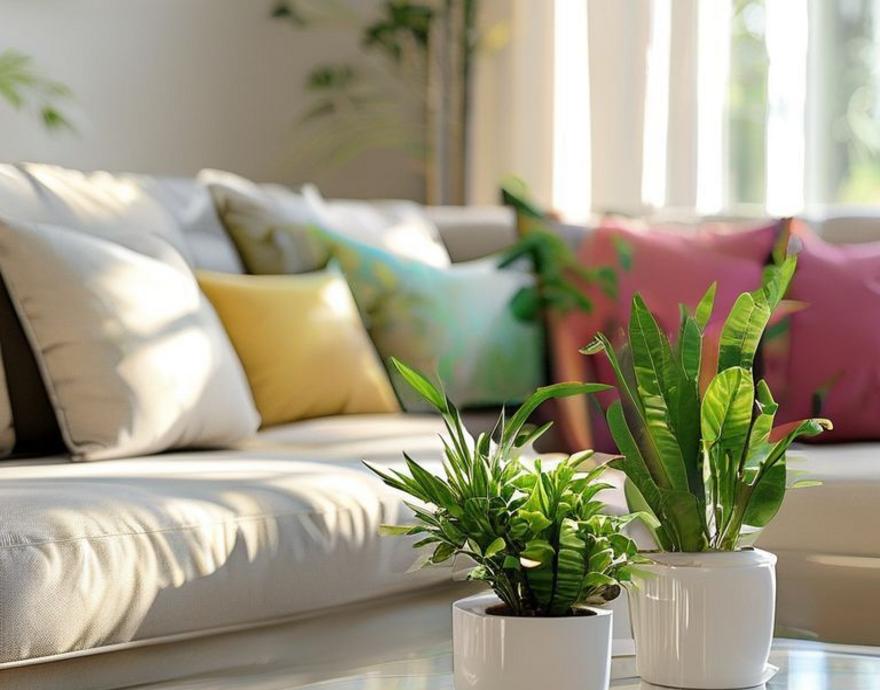
As we wrap up our jaunt through living room nirvana, let’s take a moment to celebrate the power of small changes with big impact. By rearranging furniture and sprinkling in vibrant textiles, you not only maximize comfort but also add a dash of flair to your living space. Toss in some savvy organization hacks, like strategically placed baskets and multi-purpose furniture, and you’re on your way to a clutter-free zone that marries style and functionality. The magic of a well-placed throw or cushion can’t be overstated—they’re the unsung heroes in the quest for a cozy, inviting atmosphere. The takeaway? Your living room is a canvas, and with just a few swipes of creativity, it can become your favorite sanctuary, where comfort reigns supreme.
And hey, if this inspired a cleaning spree but life’s too busy to tidy up, let Joy of Cleaning give you a hand! Book a quote online by clicking here or call us at (727) 687-2710—we’ve got your back! For more inspiration and fun tips, follow us on Instagram by visiting our Instagram page or give us a like on Facebook. Let’s make your home shine together!