Ever feel like your home is bursting at the seams, but you can’t seem to let go of that vase Aunt Mabel gave you? Welcome to the world of decluttering roadblocks! It’s all about emotional ties and those pesky practical hurdles standing in the way of your minimalist dreams. Tackling sentimental items, battling decision fatigue, and dodging family resistance—don’t worry, we’ve got you. This guide is packed with expert insights that’ll have you decluttering with ease. Ready to dive in and conquer the clutter chaos? Let’s make Marie Kondo proud!

Key Takeaways
- Feeling stuck? Overcome decluttering roadblocks with expert tips for managing sentimental clutter and staying on track.
- Decision fatigue got you down? Shake it off with practical advice that’s anything but tiring.
- Sentimental items holding you back? Learn how to let go without regret – it’s like ripping off a Band-Aid, only gentler.
- Is family resistance cramping your tidy style? Tackle it with expert guidance that gets everyone on the same page – or at least the same room.
- Cluttered spaces aren’t forever, but with these tips, your newly tidy haven will be!
Understanding the Emotional Weight of Letting Go
You know that moment when you’re holding onto your grandmother’s china set that you never use, but somehow can’t bring yourself to donate? Yeah, we’ve all been there. The emotional side of decluttering is often the biggest roadblock in any decluttering checklist 2025 journey. It’s not really about the stuff – it’s about what the stuff represents. Memories, guilt, fear of regret, or that nagging voice saying “but what if I need this someday?” These feelings are completely normal, and acknowledging them is the first step to working through them successfully.
- Memory Attachment Solutions: Create a small memory box for truly meaningful items and take photos of bulky sentimental pieces before letting them go – you preserve the memory without the storage burden.
- Guilt-Free Mindset Shift: Remember that unused items sitting in your closet aren’t honoring anyone’s memory – giving them to someone who’ll actually use them creates new positive experiences.
- Fear of Regret Management: Studies show that people regret less than 1% of items they donate, but keeping everything guarantees the regret of living in cluttered chaos.
- Gift Guilt Resolution: That sweater Aunt Martha gave you three Christmases ago that you’ve never worn? She wanted you to be happy, not guilty – donate it with love.
- Future Need Anxiety: The “just in case” mentality keeps us trapped – if you haven’t used something in two years, the likelihood of needing it is statistically minimal.
Conquering Decision Fatigue Before It Conquers You
Here’s something nobody warns you about when you start your room by room decluttering adventure – your brain literally gets tired from making too many decisions. It’s called decision fatigue, and it’s why you start strong in the morning but by afternoon, you’re keeping everything “just to be safe.” The trick isn’t to push through the exhaustion; it’s to work smarter, not harder. Think of your decision-making energy like a phone battery – you need to use it strategically and recharge when necessary.
- Time Limit Strategy: Cap decluttering sessions at 2-3 hours maximum – your decision quality drops dramatically after that, leading to regrettable choices you’ll have to revisit later.
- Simple Decision Criteria: Create clear rules like “haven’t used in 12 months = donate” to eliminate complex decision-making for most items.
- Three-Box Method: Use Keep, Donate, and Maybe boxes – the Maybe box gets reviewed after a week when your decision fatigue has reset.
- Energy Management: Schedule decluttering during your peak energy hours, typically morning for most people, when willpower is strongest.
- Break Tasks Down: Instead of “declutter bedroom,” try “declutter nightstand drawer” – smaller tasks feel manageable and create momentum without overwhelming your decision-making capacity.
Dealing with Family Resistance and Household Dynamics
Oh boy, this is where things get interesting. You’re all motivated with your home organization checklist, ready to declutter your home, and then you encounter the human roadblocks living under your roof. Maybe it’s a partner who thinks your decluttering efforts are unnecessary, kids who have emotional meltdowns over every single toy, or that family member who insists on keeping “everything important.” The key here isn’t to bulldoze through resistance – it’s to understand it and work with it strategically.
- Lead by Example: Start with your own belongings and spaces first – when family members see the benefits of decluttered areas, they’re more likely to get on board voluntarily.
- Involve Don’t Impose: Ask family members to help make decisions about shared spaces rather than making unilateral choices that might create resentment or conflict.
- Address Individual Concerns: Some people fear losing control or feel attached to possessions for security reasons – understanding the “why” behind resistance helps you address root concerns.
- Create Win-Win Scenarios: Show how decluttering benefits everyone – more space for activities they enjoy, easier cleaning, or money from selling unwanted items.
- Gradual Implementation: The 52 week declutter challenge approach works well with resistant family members because slow change feels less threatening than dramatic overhauls.
Overcoming Analysis Paralysis and Perfectionism
Let’s talk about that perfectionist voice in your head that’s convinced you need to research the absolute best organizational system before you can start, or insists that every single item needs to find its perfect forever home before you can move forward. Perfectionism is decluttering’s sneaky enemy because it masquerades as being thorough when it’s actually just fear in a fancy outfit. The truth is, done is better than perfect, and a somewhat organized space beats a perfectly cluttered one every single time.
- Progress Over Perfection Mindset: A 70% decluttered room that you can actually use is infinitely better than a 100% cluttered space you’re avoiding – celebrate incremental improvements.
- Good Enough Standards: Your organizational system doesn’t need to be Pinterest-worthy to be functional – simple solutions that you’ll actually maintain beat complex systems you’ll abandon.
- Action Before Research: Stop researching the “best” way to organize and start with basic sorting – you’ll learn what works for your specific situation through doing, not planning.
- Embrace Temporary Solutions: That cardboard box organizing your desk supplies? If it’s working, it’s good enough for now – you can upgrade later without guilt.
- Set Realistic Timelines: Rome wasn’t built in a day, and your home won’t be perfectly organized overnight – sustainable change happens gradually, not dramatically.
Managing Sentimental Items Without Losing Your Sanity
Sentimental items are the ultimate decluttering kryptonite, aren’t they? That box of your kid’s artwork from preschool, your late parent’s clothing, souvenirs from trips you took years ago – these items pack an emotional punch that makes logical decluttering decisions feel impossible. But here’s the thing: you can honor memories and emotions without drowning in stuff. It’s about finding that sweet spot between meaningful preservation and practical living.
- Memory Box Method: Create one designated container per family member for truly precious items – when it’s full, you have to make choices about what’s most important.
- Digital Preservation: Photograph bulky sentimental items before letting them go – you keep the memory and the story without the storage requirements or maintenance burden.
- Purposeful Display: Items hidden in boxes aren’t honoring memories – choose a few special pieces to display where you’ll see and appreciate them regularly.
- Story Over Stuff: Write down the stories behind meaningful items – often the memory and emotional connection matter more than the physical object itself.
- Meaningful Transition: Give sentimental items to family members who’ll appreciate them or donate them where they’ll serve a purpose rather than gathering dust.
Practical Obstacles: Time, Space, and Resource Constraints
Now let’s get real about the practical stuff that makes decluttering feel impossible. Maybe you’re working three jobs and barely have time to sleep, let alone sort through closets. Perhaps you live in a tiny apartment where there’s literally nowhere to put sorting piles. Or maybe you’re worried about the cost of storage solutions and donation runs. These aren’t excuses – they’re legitimate challenges that need creative solutions and realistic expectations.
- Micro-Session Strategy: Work in 15-minute bursts during commercial breaks or while coffee brews – small consistent efforts add up to major progress over time.
- One-Bag-at-a-Time: If you can’t handle major sorting sessions, fill one donation bag per week – it’s manageable and creates steady forward momentum.
- Use What You Have: Cardboard boxes, grocery bags, and existing containers work perfectly for sorting – don’t let lack of fancy organizers stop you from starting.
- Community Resources: Many organizations offer free pickup services for donations, and some thrift stores will even come to you for large donations.
- Space-Conscious Methods: If you can’t create sorting areas, use the one-touch rule – pick up an item and immediately decide keep, donate, or trash without setting it down elsewhere.
Creating Accountability Systems That Actually Work
You know what’s funny about human nature? We’ll stick to commitments we make to others way better than promises we make to ourselves. That’s why having some kind of accountability system can make or break your decluttering success. Whether it’s a friend, family member, social media community, or even just a written commitment to yourself, external accountability helps you push through the moments when motivation wanes and life gets complicated.
- Buddy System Benefits: Partner with a friend who’s also decluttering – check in weekly, share photos of progress, and celebrate wins together for mutual motivation.
- Public Commitment Power: Share your decluttering goals on social media or with family – public accountability creates positive pressure to follow through on commitments.
- Progress Documentation: Take before and after photos not just for motivation, but as proof of progress when you’re feeling discouraged or overwhelmed.
- Reward Systems: Set up meaningful rewards for reaching decluttering milestones – dinner out after completing a room, or a small purchase after a month of consistency.
- Professional Support: Consider hiring organizers or cleaners for particularly challenging areas – sometimes professional help provides the push needed to break through major obstacles.
Maintaining Momentum When Life Gets Complicated
Here’s what nobody tells you about decluttering – life doesn’t pause while you’re getting organized. Kids get sick, work gets crazy, unexpected events happen, and suddenly your beautiful decluttering momentum comes to a screeching halt. The key isn’t preventing these interruptions (because that’s impossible), it’s learning how to restart without feeling like you’re back at square one. Flexibility and self-compassion are your best friends here.
- Restart Rituals: When life derails your decluttering efforts, begin again with one small area you can complete in 30 minutes – success breeds motivation to continue.
- Maintenance Mode: During busy periods, switch from active decluttering to maintenance mode – just prevent new clutter accumulation rather than pushing for major progress.
- Seasonal Adjustments: Align decluttering efforts with natural life rhythms – back-to-school season for kid areas, spring for general refresh, holidays for gift management.
- Support System Activation: When you’re overwhelmed, ask for help – family members can handle basic sorting, friends can provide accountability, or professionals can tackle specific challenges.
- Self-Compassion Practice: Setbacks aren’t failures – they’re normal parts of the process that teach you about your patterns and help you create more realistic sustainable systems going forward.
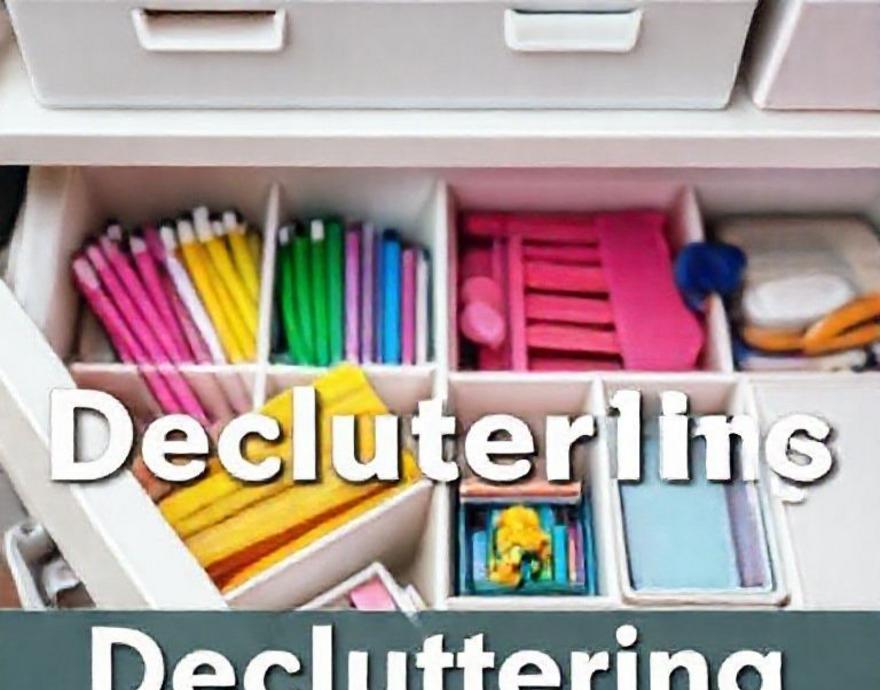
Facing the towering challenge of decluttering can feel like trying to move mountains, but with the right tools and a sprinkle of expert wisdom, it’s all possible! We’ve tackled the emotional rollercoaster of letting go of sentimental items, offered clever ways to sidestep decision fatigue, and armed you with strategies to turn family resistance into harmonious cooperation. Our expert tips ensure that you’re well-equipped to navigate emotional and practical obstacles, keeping you firmly on the path to a clutter-free sanctuary.
And hey, if this inspired a cleaning spree but life’s too busy—or you’d just rather be sipping coffee while someone else handles the grime—call your friends at Joy of Cleaning! Whether you want to Book a Cleaning or simply need a bit of motivation to tackle those dust bunnies, reach out at (727) 687-2710. We’re here with mops in hand and smiles to share. Don’t forget to catch more of our cleaning escapades and satisfying before-and-afters on Facebook and Instagram. Let’s make cleaning joyful!