Keeping your home spick and span without adding to the world’s chaos—isn’t that the dream? In this blog post, we’ll dive into homeowners’ tips for setting up sustainable cleaning systems, turning your space into an organized paradise. Ever tried a cleaning hack that left you in a pickle? We’ve been there, done that. With simple, effective methods, you’ll transform your home into a clutter-free haven—no more letting disorder pile up like a stack of old magazines. Ready to dive into sustainable living bliss? Let’s get started!

Key Takeaways
- Discover sustainable cleaning systems that effortlessly keep your home tidy and green.
- Forget the clutter crisis—get tips on preventing disorder with long-lasting solutions.
- Green cleaning’s not just for eco-warriors; you too can scrub sustainably without breaking a sweat.
- Organize like a pro! Learn to set up systems that do the hard work for you, so you don’t have to.
- Bye-bye, chaos! Transform your cleaning routine with simple, eco-friendly steps that stick.
- Ever wish your home would just clean itself? With the right systems, it almost does.
- Ready for a tidier life? Dive into our tips for creating a system that saves time and sanity.
Understanding the Foundation: Why Sustainable Cleaning Systems Beat Quick Fixes
You know that feeling when you spend an entire Saturday deep cleaning your house, only to have it look like a tornado hit it again by Wednesday? Yeah, we’ve all been there. The problem isn’t that you’re not cleaning hard enough—it’s that you’re fighting symptoms instead of addressing the root cause. Sustainable cleaning systems are about creating habits and routines that work with your lifestyle, not against it. Think of it as building a foundation that prevents messes from accumulating rather than constantly playing catch-up with chaos.
- System vs. Sprint Mentality: Research shows that homeowners who implement consistent daily routines maintain cleaner homes with 60% less effort than those who rely on weekend cleaning marathons—sustainable systems compound over time.
- Prevention Over Perfection: Sustainable cleaning focuses on preventing buildup rather than achieving spotless surfaces, making it more realistic for busy families who need practical solutions that actually stick.
- Energy Conservation Strategy: Working in short, focused bursts prevents burnout and maintains motivation, because nobody has time for a cleaning routine that leaves them exhausted and resentful.
- Family Integration Benefits: Systems that involve all household members create shared responsibility and teach valuable life skills, transforming cleaning from a solo struggle into a team effort.
- Long-term Cost Savings: Maintaining clean, organized spaces reduces the need for deep cleaning services, replacement of damaged items, and emergency organization solutions that drain your budget.
The Psychology Behind Sustainable Habits: Making Systems Stick
Here’s the thing about sustainable cleaning systems—they’re more about psychology than they are about actual cleaning products. I used to think I was just naturally messy until I realized I was trying to force habits that didn’t match how my brain actually works. The secret isn’t willpower; it’s understanding how to design systems that feel effortless rather than exhausting. When cleaning becomes automatic rather than a constant decision you have to make, that’s when the magic happens. We’re talking about rewiring your relationship with home maintenance entirely.
- Habit Stacking Success: Attach new cleaning habits to existing routines—like wiping counters while coffee brews—because your brain already has established pathways that make these connections feel natural and sustainable.
- Two-Minute Rule Application: Any cleaning task that takes less than two minutes should be done immediately rather than added to a list, preventing small messes from becoming overwhelming projects.
- Visual Cue Integration: Place cleaning supplies where you’ll naturally see them during daily activities, because environmental design influences behavior more effectively than relying on memory or motivation alone.
- Reward System Design: Build in small celebrations for maintaining systems—whether it’s a favorite coffee after morning pickup or a relaxing evening routine—positive reinforcement strengthens neural pathways.
- Progress Over Perfection Mindset: Focus on consistency rather than intensity, because doing something imperfectly every day creates better results than perfect execution once a week.
Room-by-Room System Design: Creating Sustainable Workflows
Every room in your house has different functions, traffic patterns, and mess-making potential, which means your sustainable cleaning systems need to be customized accordingly. I learned this the hard way when I tried to apply the same approach everywhere and wondered why it wasn’t working. Your kitchen needs different systems than your bedroom, and your living room requires different maintenance than your bathroom. The key is identifying the specific challenges each space presents and designing targeted solutions that address those unique needs without requiring a master’s degree in organization.
- Kitchen Command Center Strategy: Implement the “clean as you go” principle with designated spots for dirty dishes, immediate spill cleanup, and nightly counter clearing—kitchens generate the most daily mess but respond beautifully to consistent small actions.
- Living Area Flow Management: Create landing zones for items that tend to accumulate (mail, keys, bags) and establish a 10-minute evening pickup routine that prevents clutter from taking over communal spaces.
- Bedroom Sanctuary Systems: Focus on making beds daily and maintaining clear surfaces on nightstands and dressers, because bedrooms should promote rest rather than stress about undone tasks.
- Bathroom Efficiency Protocols: Keep cleaning supplies accessible for quick daily maintenance, establish towel rotation systems, and address water spots immediately to prevent buildup in these high-moisture environments.
- Entryway Organization Framework: Design systems that capture outdoor debris, organize daily essentials, and provide transition space between outside chaos and indoor calm—first impressions matter, even to your own family.
Time Management Strategies: Realistic Scheduling That Actually Works
Let’s talk about time management for cleaning systems, because this is where most people completely lose the plot. You don’t need to dedicate hours every day to maintain a clean home—you need to be strategic about when and how you tackle different tasks. I used to think I needed big chunks of time to make any real progress, but that approach kept me waiting for perfect conditions that never came. Instead, sustainable systems work with the time you actually have, not the time you wish you had. We’re talking about maximizing small pockets of time and creating routines that fit into real life.
- Micro-Session Methodology: Break cleaning tasks into 5-15 minute focused sessions that can be completed during natural breaks in your day, like while waiting for dinner to cook or during commercial breaks.
- Weekly Rhythm Development: Assign different areas of focus to different days rather than trying to clean everything at once—Monday kitchen deep-clean, Tuesday bathroom refresh, Wednesday laundry focus creates manageable expectations.
- Morning vs. Evening Optimization: Identify whether you’re naturally more energetic in mornings or evenings and schedule accordingly, because fighting your natural rhythms creates unnecessary resistance to maintaining systems.
- Family Schedule Integration: Align cleaning activities with your household’s natural rhythms—weekend meal prep cleanup, bedtime toy pickup, morning rush organization—so systems support rather than compete with daily life.
- Seasonal Adjustment Planning: Modify your systems based on changing schedules, weather patterns, and family activities rather than abandoning them entirely when life gets busy or routines shift.
Supply Organization and Tool Selection: Setting Yourself Up for Success
You can have the best intentions and the most brilliant system design, but if your cleaning supplies are scattered in random closets and your tools are more frustrating than helpful, you’re setting yourself up for failure. I spent years wondering why I couldn’t maintain cleaning routines until I realized I was making it unnecessarily difficult for myself. The right supplies in the right places make sustainable systems feel effortless, while poor organization creates friction that kills motivation. We’re talking about strategic supply placement and tool selection that supports your systems rather than sabotaging them.
- Strategic Supply Stations: Place cleaning supplies where you’ll actually use them—bathroom cleaners in each bathroom, kitchen supplies near the sink, dusting tools on each floor—accessibility determines usage more than good intentions.
- Quality Over Quantity Philosophy: Invest in fewer, better tools that work effectively and last longer rather than accumulating cheap supplies that frustrate you and need frequent replacement—good tools make cleaning faster and more satisfying.
- Multi-Purpose Product Selection: Choose versatile cleaners that work on multiple surfaces and situations, reducing the number of products you need to store and remember to use in your sustainable systems.
- Portable Cleaning Kit Creation: Assemble a lightweight caddy with essential supplies that can move with you from room to room, making it easier to tackle multiple areas efficiently without multiple trips for forgotten items.
- Storage System Optimization: Design storage solutions that keep supplies visible, accessible, and organized so you can quickly grab what you need without hunting through cluttered cabinets or closets.
Family Integration: Making Everyone Part of the Solution
Here’s where sustainable cleaning systems either soar or crash and burn—getting your family on board. You can’t be the only person maintaining systems in a house where multiple people create messes daily. But here’s what I’ve learned: you can’t just assign chores and hope for the best. You need to create systems that make it easier for family members to participate than to ignore their responsibilities. It’s about designing processes that work with different ages, abilities, and motivation levels rather than expecting everyone to suddenly become as invested in home organization as you are.
- Age-Appropriate Task Assignment: Match responsibilities to developmental abilities—toddlers can put toys in bins, teens can manage their own laundry, partners can handle specific room maintenance—success builds when expectations are realistic.
- Natural Consequence Integration: Design systems where not participating creates immediate, logical consequences rather than relying on nagging or punishment—dirty clothes not in hampers don’t get washed, toys left out get temporarily removed.
- Positive Reinforcement Strategies: Celebrate system participation with specific praise, family activities, or small privileges rather than taking cooperation for granted—people repeat behaviors that feel good and get noticed.
- Routine Embedding Techniques: Integrate cleaning tasks into existing family routines like bedtime, mealtime, or weekend activities so they become automatic parts of daily life rather than extra burdens.
- Leading by Example Approach: Demonstrate consistent participation in your own systems without martyrdom or resentment, because family members learn more from watching your actions than listening to your words about cleanliness expectations.
Troubleshooting Common System Failures: When Life Gets in the Way
Let’s be real—even the best sustainable cleaning systems are going to hit bumps in the road. Life happens, schedules change, motivation wanes, and suddenly your beautiful routine feels like ancient history. The difference between people who maintain systems long-term and those who give up isn’t that they never face challenges—it’s that they know how to troubleshoot problems without throwing in the towel entirely. I used to think that any disruption meant I was failing, but now I understand that flexibility and problem-solving are built into truly sustainable systems.
- Disruption Recovery Protocols: Plan for interruptions by creating simplified “minimum viable” versions of your systems that can maintain basic order during busy periods, illness, or schedule changes without guilt or system abandonment.
- Motivation Renewal Strategies: Identify early warning signs of system fatigue and have specific techniques ready—change music, invite accountability partners, or modify routines—to rekindle engagement before complete breakdown occurs.
- Perfectionism Prevention Methods: Build flexibility into systems from the beginning, accepting that some days will be better than others and that progress isn’t always linear—sustainable means adaptable, not rigid.
- Family Resistance Management: Address pushback with problem-solving rather than power struggles—if current systems aren’t working for family members, modify approaches rather than increasing pressure or consequences that create resentment.
- Seasonal System Adaptation: Recognize that different times of year require different approaches and proactively adjust systems for holidays, school schedules, work changes, or life transitions rather than forcing incompatible routines.
Long-term Maintenance and Evolution: Growing Your Systems Over Time
The most sustainable cleaning systems aren’t static—they evolve with your family, your home, and your changing needs. What works when you have toddlers won’t necessarily work when you have teenagers. What makes sense in a small apartment might need adjustment in a larger home. I’ve learned that the goal isn’t to find the perfect system and stick with it forever; it’s to develop the skills to continuously refine and improve your approach. Think of it as building cleaning system literacy rather than just following someone else’s predetermined rules.
- Regular System Evaluation: Schedule quarterly reviews of what’s working and what isn’t, making small adjustments before problems become overwhelming—systems that don’t evolve eventually become irrelevant or burdensome.
- Success Metric Development: Define what success looks like for your specific household beyond just “clean house”—reduced stress, more family time, easier entertaining—so you can measure progress meaningfully.
- Continuous Learning Integration: Stay open to new techniques, products, or approaches that might improve your systems without constantly overhauling everything—small improvements compound over time into significant results.
- Knowledge Transfer Planning: Teach family members not just what to do but why systems work, so they can contribute to improvements and maintain routines independently as they mature and circumstances change.
- Legacy System Building: Create systems robust enough that they continue functioning even when you’re not actively managing them—vacation preparedness, illness contingencies, and eventual empty-nest transitions require forward-thinking design.
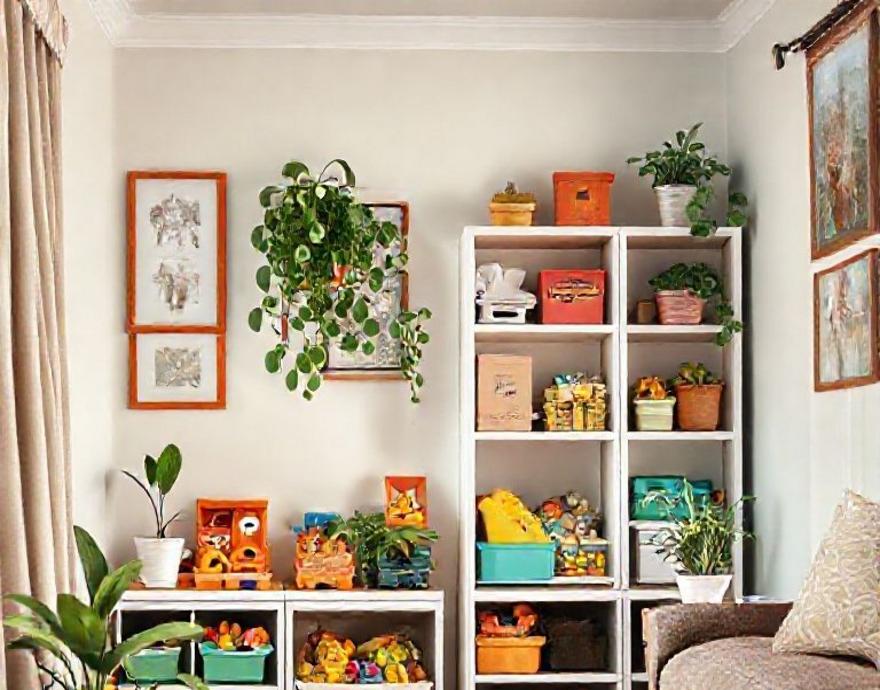
In crafting a harmonious home through sustainable cleaning systems, the key is simplicity. Begin by breaking down your cleaning tasks into manageable routines. Focus on consistency rather than intensity, and let natural cleaning agents lead the charge for a healthier home environment. Remember, the goal is to make these changes last, so your home doesn’t just get tidier—it’s sustainably maintained, creating a symphony of organized bliss. By prioritizing eco-friendly practices, not only do you cut down your ecological footprint, but you also ensure your living space is free from the chaos that disrupts daily life. These systems aren’t just about tidying up today but building long-lasting habits that prevent future disorder. So get ready to see your home transformed, not just for a season, but for a lifetime!
And hey, if this inspired a cleaning spree but life’s too busy to let it happen, here’s a neat solution: Wrap it up with us at Joy of Cleaning! Book a Cleaning or give us a call at (727) 687-2710. We’ve got your back if you’re not quite sure where to kick things off. Fancy getting more quick tips and fun updates? Follow us on Facebook and Instagram. Let’s make home cleaning as joy-filled as spring blossoms!