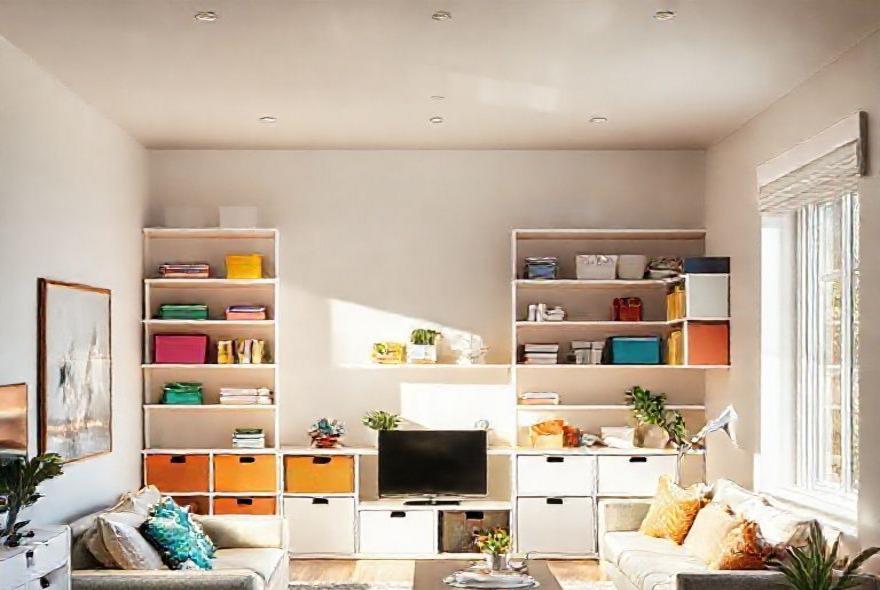
Welcome to your new holy grail: a sustainable decluttering system that’s as foolproof as a toddler-proofing brigade! Ever wondered why your home resembles a garage sale at week’s end? You’re not alone. This mighty checklist promises to revolutionize your clutter chaos into a chic, serene space all year round. We’ll delve into habits as refreshing as a breeze through open windows, turning decluttering dreams into reality. Stick around, because this post could just make decluttering your unofficial hobby or better yet, your superpower!
Key Takeaways
- Create lasting routines to keep clutter chaos at bay—because no one wants a return to rummaging.
- Turn decluttering into a habit with simple steps that barely feel like work. Hello, organized bliss!
- Maintain your home’s zen with a sustainable decluttering system that’s as durable as your fridge magnets.
- Think seasonal clean-ups. Winter declutter, anyone?
- Learn to let go of items you don’t need—your junk drawer will thank you.
- Get the whole family onboard with practical habits that won’t make them groan.
- Say goodbye to declutter drudgery! We promise it won’t feel like spring cleaning every day.
Building Your Foundation: Understanding Sustainable Decluttering Systems
You know that satisfying feeling when you finally tackle a cluttered space, only to find it’s back to chaos within weeks? That’s the difference between decluttering and creating a sustainable decluttering system. A real decluttering checklist 2025 approach isn’t just about the initial purge – it’s about building habits that keep your space organized long-term. Think of it like fitness – you wouldn’t expect to stay in shape after one gym session, right? The same principle applies to your home organization checklist. We’re talking about creating systems that work with your lifestyle, not against it.
- System vs. Event Mindset: Sustainable decluttering treats organization as an ongoing process rather than a one-time event, making it easier to maintain long-term success without overwhelming weekend marathons.
- Habit Stacking Benefits: Research shows that linking new organizational habits to existing routines increases success rates by 65% – like sorting mail immediately when you walk in the door.
- Maintenance Prevention: A good system prevents clutter accumulation rather than just dealing with it after it happens, saving you countless hours of future reorganization work.
- Stress Reduction Impact: Studies indicate that people with sustainable organizational systems report 40% less daily stress compared to those who rely on periodic major cleanouts.
- Long-term Success Rates: Homes with established decluttering systems maintain organization 3x longer than those relying solely on motivation-driven purges.
The 52 Week Declutter Challenge: Your Year-Long Roadmap to Success
Here’s where the magic happens – spreading your decluttering efforts across an entire year instead of cramming everything into a stressful weekend. The 52 week declutter challenge approach recognizes that sustainable change happens gradually, and honestly, that’s exactly how our clutter accumulated in the first place. Each week focuses on a specific area or category, making the process manageable and less overwhelming. You’re not trying to declutter your home in one fell swoop – you’re building momentum week by week, creating lasting habits that stick.
- Weekly Focus Areas: Break down room by room decluttering into specific weekly targets like “bathroom medicine cabinet” or “kitchen utensil drawer” to prevent decision fatigue and maintain momentum.
- Seasonal Alignment Strategy: Time your decluttering activities with natural rhythms – tackle winter clothes in spring, holiday decorations in January, and outdoor gear before summer hits.
- Progressive Skill Building: Start with easier decisions like expired products and broken items, then work up to more challenging sentimental or “maybe someday” categories as your decluttering muscles strengthen.
- Momentum Maintenance: Small weekly wins create psychological momentum that makes bigger decluttering projects feel achievable rather than overwhelming or impossible to tackle.
- Flexibility Factor: A year-long approach allows for life interruptions – missed a week due to vacation or illness? No problem, just pick up where you left off without derailing the entire process.
Room by Room Decluttering: Strategic Space-by-Space Approach
Let’s talk strategy – because randomly attacking clutter throughout your house is like trying to solve a puzzle with a blindfold on. Room by room decluttering works because it creates clear boundaries and prevents the dreaded “clutter shuffle” where you just move stuff from one space to another. Each room has its own unique challenges and functions, so your home organization checklist needs to reflect those differences. We think starting with spaces that have obvious expired or broken items helps build confidence before tackling the emotionally challenging areas.
- Functional Priority Method: Start with high-traffic, functional spaces like kitchens and bathrooms where clutter directly impacts daily routines and decision-making is more straightforward.
- Completion Psychology: Finishing entire rooms provides visual proof of progress and psychological satisfaction that motivates continued effort throughout your decluttering checklist 2025 journey.
- Containment Strategy: Working within room boundaries prevents clutter from spreading to other areas during the sorting process, maintaining organization in completed spaces.
- Category Consistency: Each room typically contains similar item categories, allowing you to develop decision-making patterns that speed up future decluttering sessions in similar spaces.
- Family Coordination: Room-based approaches make it easier to involve family members by assigning specific spaces rather than overwhelming everyone with whole-house chaos simultaneously.
Essential Tools and Supplies for Your Decluttering Success
You wouldn’t start a home improvement project without the right tools, so why would you tackle decluttering empty-handed? Having the proper supplies ready before you begin makes the entire process smoother and more efficient. I’ve learned this the hard way – nothing kills decluttering momentum quite like having to stop mid-session to hunt for boxes or trash bags. Your decluttering toolkit doesn’t need to be fancy or expensive, but having these basics ready will save you time and frustration throughout your room by room decluttering adventure.
- Sorting Station Setup: Use four distinct containers labeled “Keep,” “Donate,” “Sell,” and “Trash” to speed up decision-making and prevent items from getting mixed up during the sorting process.
- Documentation Tools: Keep a notebook or phone app to track donations for tax purposes, note items to replace, and record organizational insights for future reference and system improvements.
- Cleaning Supply Readiness: Having basic cleaning supplies nearby allows you to clean empty spaces immediately, which psychologically reinforces the positive changes you’re making to your home.
- Storage Solution Inventory: Before buying new organizational products, use what you have – empty boxes, jars, and containers can serve as temporary solutions while you determine long-term storage needs.
- Timer and Music Setup: Work in focused 25-minute sessions with energizing music to maintain momentum and prevent the mental fatigue that leads to poor decluttering decisions.
Decision-Making Framework: Keep, Donate, or Toss Guidelines
This is where most people get stuck – staring at an item wondering whether they should keep it or let it go. Decision fatigue is real, and it’s the number one reason people abandon their decluttering efforts halfway through. That’s why having a clear framework for making these choices is absolutely crucial to your home organization checklist success. Instead of agonizing over every single item, you’ll have concrete criteria to guide your decisions quickly and confidently.
- The One-Year Rule: If you haven’t used, worn, or needed something in the past 12 months, and it’s not a seasonal or emergency item, it’s probably safe to let it go to someone who will actually use it.
- Duplicate Elimination Strategy: Keep the best version of duplicate items and donate the rest – you don’t need five can openers or three sets of measuring cups taking up valuable storage space.
- Condition Assessment Protocol: Broken items that you haven’t fixed in six months should go unless repair is scheduled within the next month – good intentions don’t fix things, actions do.
- Joy and Function Test: Items should either serve a clear functional purpose in your current life or bring genuine happiness – everything else is just taking up physical and mental space.
- Future Self Reality Check: Be honest about who you actually are versus who you think you might become – those craft supplies for the hobby you never started can bless someone who’s actually crafting.
Creating Daily and Weekly Maintenance Routines
Here’s the secret that nobody talks about – maintenance is way easier than major overhauls, but only if you actually do it consistently. Your sustainable decluttering system needs built-in maintenance routines that prevent clutter from accumulating again. Think of these as your insurance policy against future chaos. The beauty of the 52 week declutter challenge mindset is that it naturally builds these maintenance habits as you go, making them feel automatic rather than burdensome.
- Daily Reset Rituals: Spend 10 minutes each evening returning items to their designated homes – this prevents daily accumulation from becoming weekend projects and maintains your organized spaces effortlessly.
- Weekly Maintenance Windows: Schedule 15-20 minutes weekly for each major room to address any clutter creep and reassess organizational systems before small problems become big headaches.
- Monthly System Evaluation: Review what’s working and what isn’t in your organizational systems, making small adjustments before problems require major reorganization efforts or complete system overhauls.
- Seasonal Transition Planning: Use natural seasonal changes as opportunities to rotate items, reassess needs, and prevent accumulation of out-of-season belongings in active storage areas.
- Family Accountability Systems: Create simple, sustainable routines that involve all household members in maintaining organized spaces rather than placing the burden on one person exclusively.
Dealing with Sentimental Items and Emotional Attachments
Let’s address the elephant in the room – those items that have zero practical value but maximum emotional weight. You know what I’m talking about: your grandmother’s china that you never use, your child’s artwork from kindergarten, or that concert t-shirt from 1995 that doesn’t fit but holds memories. These emotional attachments are often the biggest roadblock in any decluttering checklist 2025 plan. The good news? You can honor memories without drowning in physical reminders.
- Memory Box Method: Create one clearly defined container for truly meaningful sentimental items – when it’s full, you must make choices about what matters most rather than keeping everything indefinitely.
- Digital Documentation Strategy: Photograph meaningful items before letting them go, creating a digital memory book that preserves the emotional connection without requiring physical storage space in your home.
- Story Over Stuff Approach: Focus on preserving and sharing the stories behind meaningful objects rather than the objects themselves – often the memory is more valuable than the physical item.
- Gradual Release Technique: Start with items that hold less emotional weight and work up to more challenging pieces as your emotional decluttering muscles strengthen and confidence grows.
- Purposeful Repurposing Options: Transform sentimental items into functional pieces or incorporate elements into new creations, honoring the memory while creating something useful for your current life.
Storage Solutions and Organizational Systems That Actually Work
Storage solutions can either be your best friend or your worst enemy in maintaining an organized home. The wrong approach turns storage into clutter hiding places, while the right systems make organization effortless and sustainable. When you’re planning your room by room decluttering approach, thinking about storage solutions comes after decluttering, not before. You want to organize what you’re keeping, not find ways to store more stuff you don’t need.
- Zone-Based Organization: Group similar items together and assign specific homes based on frequency of use – daily items get prime real estate while occasional-use items can live in less convenient locations.
- Visibility Principle: Store items so you can see what you have – clear containers, labels, and open shelving prevent the “out of sight, out of mind” problem that leads to duplicate purchases.
- Accessibility Hierarchy: Place frequently used items at eye level and easy reach, seasonal items up high or in back areas, and rarely used items in the most inconvenient spots.
- Container Size Strategy: Choose containers that fit your actual belongings rather than aspirational amounts – oversized storage encourages accumulation while properly sized containers maintain limits naturally.
- Multi-Purpose Solutions: Select storage options that serve double duty when possible – ottoman storage, bed risers with space underneath, or decorative baskets that organize while enhancing your decor.
Preventing Clutter Comeback: Long-Term Success Strategies
The real test of any decluttering system isn’t how good your space looks immediately afterward – it’s how it looks six months later. Preventing clutter comeback requires understanding how stuff enters your home in the first place and creating barriers to unwanted accumulation. This is where your home organization checklist transitions from project mode to lifestyle mode. We’re talking about fundamental shifts in how you think about acquiring, keeping, and managing possessions.
- Mindful Acquisition Habits: Implement a 24-hour waiting period for non-essential purchases and ask yourself where each potential new item will live before bringing it home – impulse control prevents future decluttering needs.
- One-In-One-Out Policy: For every new item that enters your home, something else should leave – this maintains equilibrium and prevents gradual accumulation that leads to future overwhelm.
- Regular Decluttering Cycles: Schedule quarterly mini-decluttering sessions to catch accumulation early, before it becomes overwhelming and requires major reorganization efforts or complete system overhauls.
- Family Education and Buy-In: Teach household members the principles behind your organizational systems so everyone contributes to maintenance rather than working against your efforts unknowingly.
- System Evolution Planning: Recognize that your organizational needs will change over time and build flexibility into your systems rather than creating rigid rules that become impossible to maintain.
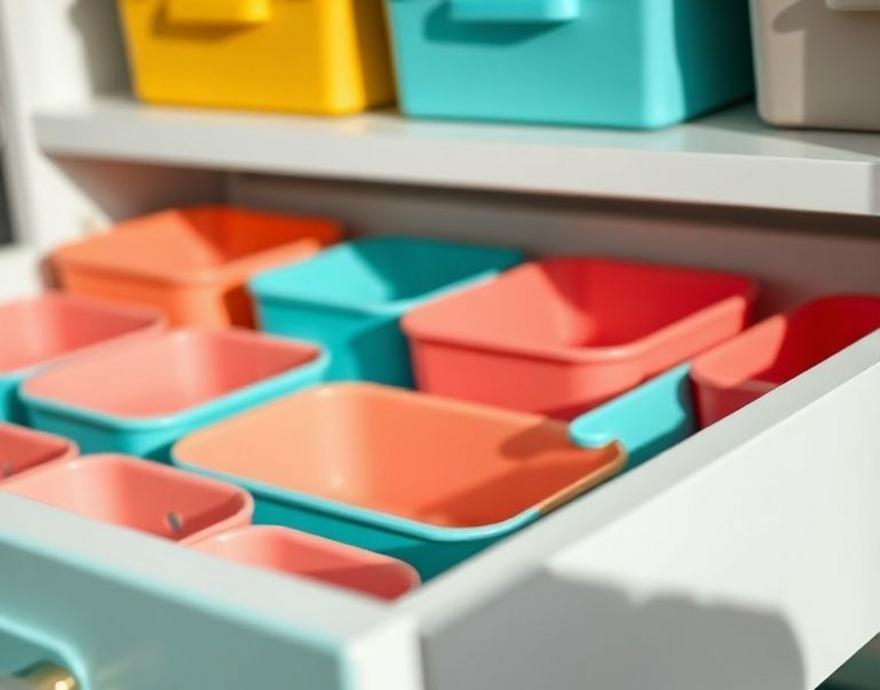
So, you’ve conquered the chaos and emerged victorious with a sustainable decluttering system, huh? Well, hats off to you! Remember, the goal here is not just a quick fix but a long-term upkeep of your tidy sanctuary. Key takeaways? First, establish simple routines that fit seamlessly into your lifestyle—think daily 10-minute tidy-ups and a bi-weekly decluttering blitz. Second, embrace the ‘one in, one out’ policy; it’s like a personal bouncer for your belongings, accepting only VIPs into your space. Lastly, keep a keen eye on developing practical habits that promote sustainability—like repurposing items rather than chucking them and shopping with intention. By sticking to this checklist, your home will remain your organized oasis throughout the year, ensuring those initial decluttering efforts don’t go in vain. Basically, you nailed it!
And hey, if this inspired a cleaning spree but life’s too busy… no worries! Wrapping this up, if you’re ready to tackle your home cleaning without the hassle, hit us up at Joy of Cleaning. Book a Cleaning online or call (727) 687-2710—we’ve got your back! Follow us on Instagram and Facebook for more fun tips and cleaning wizardry. Keep that home of yours sparkling without lifting a finger!