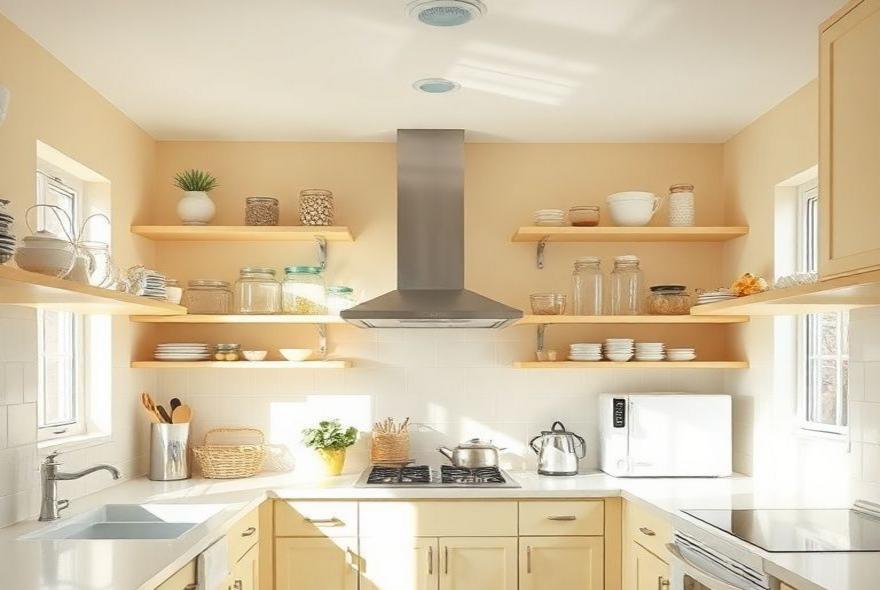
Welcome to the culinary battlefield, where kitchen clutter reigns supreme! Got expired spices gathering dust or gadgets you didn’t even know you had? Fear not, my fellow kitchen warrior. Our blog, ‘Hacks for Tackling Kitchen Clutter,’ is your trusty guide to reclaiming your sanctuary. Say goodbye to chaos and hello to calm as we dive into smart strategies to efficiently sort through expired items and streamline those pesky gadgets. Ready to transform your kitchen from a chaotic whirlwind into the heart of your home? Let’s get started.
Key Takeaways
- Declutter with ease by tackling expired items first—no one likes a stale surprise!
- Streamline your gadget collection; do you really need three toasters?
- Clever storage solutions are your kitchen’s best friend—hello, organized pantry!
- Transform chaos into calm with a regular cleaning schedule. Your future self will thank you.
- Use vertical space wisely. Walls aren’t just for decoration!
- Evaluate your kitchen essentials every six months—sentimental gadgets, begone!
- Create zones for easy meal prep and cooking. The right setup saves time and sanity.
- Combat counter space clutter by storing away seldom-used appliances. Trust us, the bread maker will understand.
Why Kitchen Clutter Happens and Why It’s Time to Take Action
You know that feeling when you open your kitchen cabinet and three containers tumble out like they’re making a break for freedom? Yeah, we’ve all been there. Kitchen clutter isn’t just about having too much stuff – it’s about our relationship with food, cooking, and the unrealistic expectations we place on ourselves to be culinary masters. The truth is, most of us accumulate kitchen gadgets with the best intentions, then watch them gather dust while we stick to our trusty spatula and favorite pan. Recent studies show that the average American kitchen contains over 200 individual items, but we regularly use less than 20% of them.
- Impulse Purchase Reality: That spiralizer seemed essential at 2 AM during an infomercial, but now it’s buried behind expired spice bottles and taking up precious real estate in your already cramped cabinets.
- Gift Accumulation Syndrome: Wedding gifts, housewarming presents, and well-meaning holiday gadgets create obligation clutter – you feel guilty donating Aunt Martha’s third mixing bowl set.
- Aspirational Cooking Dreams: We buy items for the person we think we’ll become, not who we actually are – that bread maker represents Sunday morning ambitions that reality never quite matches.
- Expiration Date Denial: Those spices from your college apartment aren’t vintage collectibles, they’re taking up space and won’t improve your cooking game.
- Storage System Breakdown: Without proper organization systems, even useful items become clutter when you can’t find them or they’re stacked so precariously that using them becomes a safety hazard.
The Strategic Kitchen Purge: Where to Start Your Decluttering Journey
Here’s the thing about kitchen decluttering – you can’t just dive in randomly and hope for the best. Trust me, I learned this the hard way when I once emptied every cabinet at once and spent six hours sitting on my kitchen floor having what I can only describe as a breakdown surrounded by mismatched Tupperware lids. The key is starting with the obvious culprits and building momentum. Think of it like peeling an onion, but instead of tears, you get the satisfaction of reclaimed counter space and cabinets that actually close properly.
- Expired Items First: Start with the no-brainer decisions – expired foods, rusty utensils, and broken appliances that you’ve been meaning to fix for six months but honestly never will.
- Duplicate Elimination Strategy: Count your can openers, measuring cups, and cutting boards – keeping multiples “just in case” is how clutter multiplies faster than rabbits.
- Broken Beyond Repair Assessment: That blender missing a blade, the coffee maker that only works when you hit it just right, and the toaster that burns everything on setting 1 – they’re not vintage, they’re fire hazards.
- Size Versus Usage Reality Check: Large appliances that you use less than monthly are taking up disproportionate space – consider if occasional use justifies permanent counter real estate.
- Gateway Clutter Identification: Junk drawers, that counter corner where mail accumulates, and the space beside the refrigerator often become clutter magnets that need immediate intervention.
Pantry and Food Storage: Creating Order from Chaos
Let’s talk about your pantry situation – and I’m using “pantry” loosely here because some of us are working with a single cabinet and big dreams. Whether you’ve got a walk-in pantry or just a few shelves, food storage areas tend to become black holes where good intentions go to die. You buy ingredients for that one recipe you saw on Pinterest, then never make it, and six months later you’re staring at a can of coconut cream wondering what you were thinking. The goal isn’t to have a pantry that looks like a grocery store display, it’s to create a system where you can actually find what you need and use what you have.
- Expiration Date Excavation: Check every single date – that baking powder from 2019 isn’t getting better with age, and expired spices lose their potency, making your cooking taste flat and disappointing.
- Container Consolidation Project: Those half-empty boxes of pasta, partial bags of flour, and multiple opened containers of the same item need to be combined or used up before opening new ones.
- First In, First Out System: Organize shelves so older items are in front and easily accessible – this prevents the archaeological dig required to find usable ingredients behind newer purchases.
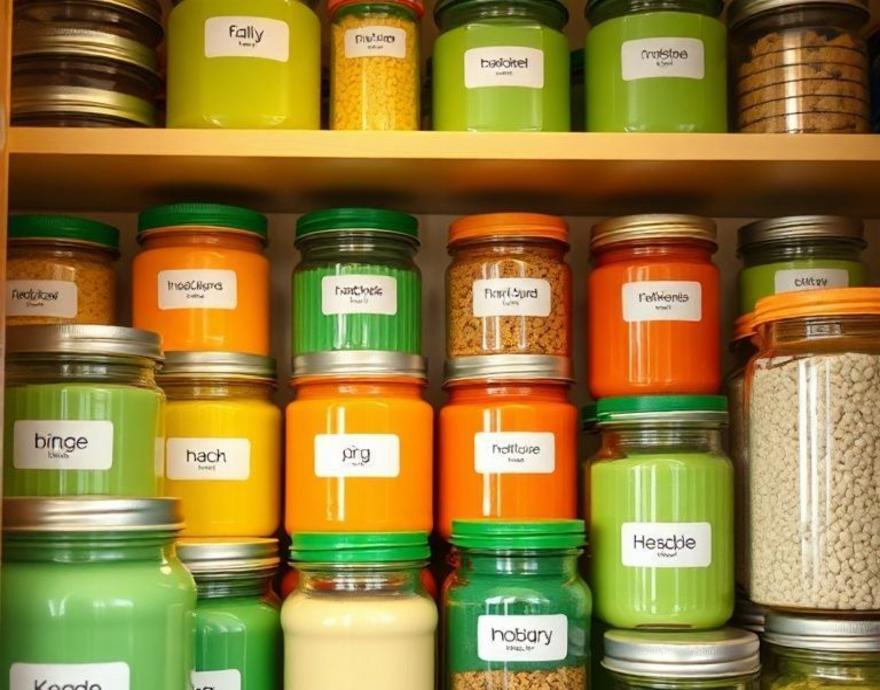
- Clear Storage Solutions: Invest in clear, airtight containers for bulk items – you’ll actually see what you have, prevent pest problems, and keep things fresher longer.
- Zone Creation Strategy: Group similar items together – baking supplies in one area, canned goods in another, snacks in their own section – this prevents buying duplicates and makes meal planning easier.
Cabinet and Drawer Organization: Maximizing Your Kitchen’s Hidden Potential
Your kitchen cabinets and drawers are like icebergs – most of their problems are hidden from view until you actually open them and face the avalanche of mismatched containers and mystery gadgets. I once found a fondue pot in the back of a cabinet that I’d forgotten I owned, buried behind a collection of water bottles that had somehow multiplied overnight. The secret to cabinet organization isn’t buying more storage solutions, it’s being honest about what you actually use and creating systems that work with your cooking habits, not against them.
- Accessibility Audit: Items you use daily should be at eye level and easily reachable – storing everyday plates on the top shelf while keeping serving platters at eye level makes no practical sense.
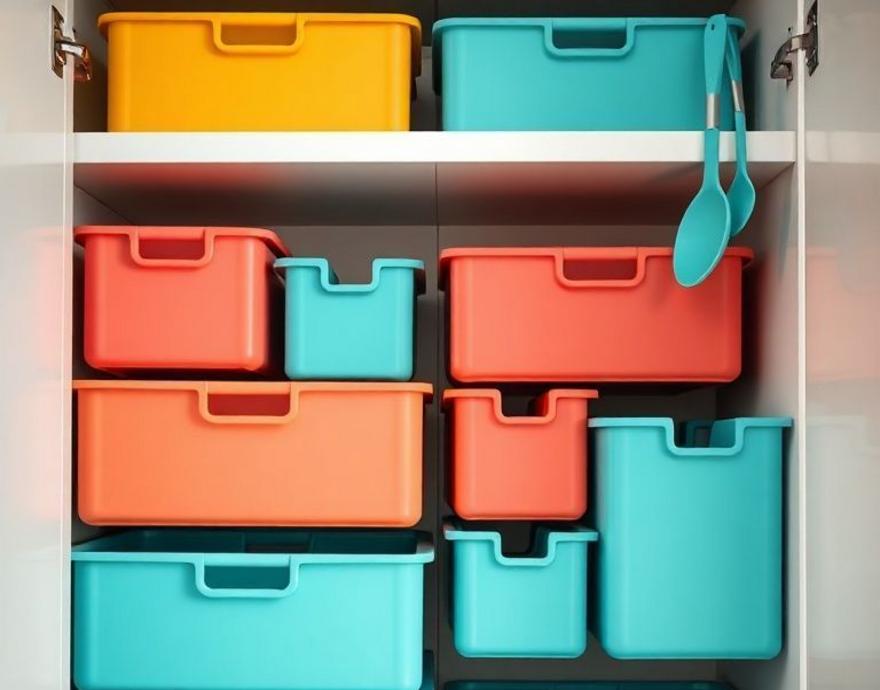
- Vertical Space Utilization: Use shelf risers, door-mounted organizers, and stackable solutions to maximize every inch of available storage without creating unstable towers of dishes.
- Drawer Divider Implementation: That junk drawer filled with rubber bands, takeout menus, and mystery keys isn’t helping anyone – create designated spaces for specific items with simple divider systems.
- Heavy Item Placement Logic: Store heavy appliances and dishes in lower cabinets for safety and accessibility – your back will thank you, and you’ll actually use these items more often.
- Seasonal Rotation System: Keep holiday baking supplies, picnic gear, and seasonal appliances in less accessible areas, rotating them to prime real estate only when needed.
Appliance Assessment: Keeping Only What Earns Its Counter Space
Let’s have an honest conversation about your appliance situation. We think every kitchen has at least one appliance that seemed like a brilliant idea at the time but now serves as expensive counter decoration. Maybe it’s that juicer that promised to change your life but requires 20 minutes of cleanup for 30 seconds of juice, or the bread maker that’s been “temporarily” storing dish towels for the past year. The reality is that counter space is prime real estate in most kitchens, and every appliance needs to earn its place through regular, practical use.
- Monthly Usage Test: If you haven’t used an appliance in the past month and it’s not seasonal, it’s probably taking up space that could be better utilized for items you actually reach for regularly.
- Functionality Versus Space Calculation: Large appliances should serve multiple purposes or be used frequently enough to justify their footprint – a stand mixer that only comes out for annual cookie baking might belong in storage.
- Maintenance Reality Check: Appliances that require extensive cleaning, special storage, or complicated setup often get avoided – if the hassle factor outweighs the convenience, it’s time to reconsider ownership.
- Overlap Elimination Strategy: Multiple appliances that serve similar functions create decision fatigue and storage problems – choose the most versatile option and donate the redundant ones.
- Storage Solution Alternatives: Appliances used weekly but not daily can be stored in accessible cabinets or pantries, keeping counters clear while maintaining reasonable accessibility.
Refrigerator and Freezer Reset: Fresh Starts for Fresh Food
Your refrigerator is probably harboring some science experiments right now – don’t worry, we’ve all discovered mysterious leftovers that have evolved beyond recognition. The fridge and freezer are unique decluttering challenges because they’re constantly changing, but they also tend to accumulate forgotten items faster than any other kitchen area. You know those condiment packets from takeout orders that seem to multiply in your crisper drawer? Or that frozen meal from six months ago that you keep moving around but never actually eat? It’s time to face the music and create systems that prevent future food waste.
- Complete Cleanout Protocol: Remove everything, check expiration dates ruthlessly, and wipe down all surfaces – this gives you a fresh slate and helps you see exactly what you’re working with.
- Zone Assignment System: Designate specific areas for leftovers, fresh produce, beverages, and condiments – this prevents items from getting lost in the back and helps family members find things independently.
- First In, First Out Implementation: Place newer items behind older ones, and use clear containers for leftovers with dates marked clearly – mystery containers lead to food waste and unpleasant surprises.
- Condiment Collection Control: Those sauce packets, partially used condiments, and duplicate bottles of salad dressing need regular evaluation – keep only what you’ll realistically use within reasonable timeframes.
- Freezer Inventory Management: Label everything with contents and dates, group similar items together, and maintain a freezer inventory list to prevent buying duplicates of frozen items you already own.
Creating Sustainable Systems: Making Your Kitchen Clutter-Free for Good
Here’s where the rubber meets the road – creating systems that prevent your newly organized kitchen from sliding back into chaos within a month. We’ve all experienced the post-decluttering high followed by the gradual creep of new clutter, and honestly, it’s demoralizing. The secret isn’t perfection, it’s creating simple, sustainable habits that work with your lifestyle instead of against it. Think of it as kitchen maintenance rather than kitchen perfection, because real life is messy and your organizational systems need to account for that reality.
- One In, One Out Rule: For every new kitchen item that enters your space, something else needs to leave – this prevents gradual accumulation and forces you to evaluate new purchases against existing items.
- Weekly Reset Routine: Dedicate 15 minutes weekly to returning items to their designated homes, checking for expired foods, and maintaining your organizational systems before small messes become big problems.
- Purchase Decision Framework: Before buying any new kitchen item, ask where it will live, what it will replace, and how often you’ll realistically use it – impulse purchases are clutter’s best friend.
- Family Training Program: Everyone who uses the kitchen should know where things belong and be responsible for maintaining the systems – organizational success requires team effort, not solo heroics.
- Monthly Deep Dive Sessions: Schedule regular monthly assessments to evaluate what’s working, what’s not, and what needs adjustment – flexibility is key to long-term organizational success.
Troubleshooting Common Kitchen Decluttering Obstacles
Let’s get real about the stuff that makes kitchen decluttering harder than it needs to be. You’re not the only one who’s ever stood in front of an open cabinet holding a gadget you can’t identify, wondering if it’s important or just expensive-looking junk. The emotional and practical obstacles in kitchen decluttering are real, and pretending they don’t exist just sets you up for frustration. From sentimental attachments to inherited items to the fear of needing something right after you donate it, these mental hurdles can derail even the most determined decluttering efforts.
- Sentimental Item Strategy: Grandmother’s mixing bowls deserve space if you actually use them, but keeping every kitchen item with emotional significance creates museums, not functional cooking spaces – choose the most meaningful pieces.
- Expensive Item Guilt: That $200 juicer you never use represents a sunk cost, not a reason to keep sacrificing counter space – donate it to someone who will actually benefit from your expensive mistake.
- Just In Case Mentality: The fear of needing something right after donating it keeps many people trapped in clutter – trust that you can borrow, buy, or improvise if a rare need actually arises.
- Gift Obligation Syndrome: Keeping gifts you don’t use out of guilt helps no one – the gift-giver wanted to make you happy, and unused items gathering dust aren’t fulfilling that intention.
- Perfectionism Paralysis: Waiting for the perfect organizational system or the ideal time to start prevents progress – a partially organized kitchen is infinitely better than a completely cluttered one, so start somewhere and adjust as you go.
As we wrap up our adventure in decluttering, let’s put some shine on the juiciest nuggets. First up, attacking that swarm of expired spices and pantry stowaways—because really, who needs cinnamon from 2005? Next, we turn our eyes to those shiny, unused contraptions—bread makers or avocado slicers, anyone? By trimming down to essentials, you’ll not only reclaim space but rediscover the joy of cooking in a neat battleground. With these smart strategies, your kitchen transforms into a serene kingdom where every gadget and grain has its rightful place, truly making it the heart of your home.
And hey, if this inspired a tidying tornado but life’s too chaotic, let’s brighten your daydreams of immaculate spaces. Wrapping this up, if you’re ready to tackle your home cleaning without the hassle, hit us up at Joy of Cleaning. Want to dive into more sanity-saving tips? Come follow our adventures on Facebook and Instagram. Oh, and don’t forget—you can Book a Cleaning or ring us at (727) 687-2710. We’ve got your back, one dust bunny at a time!