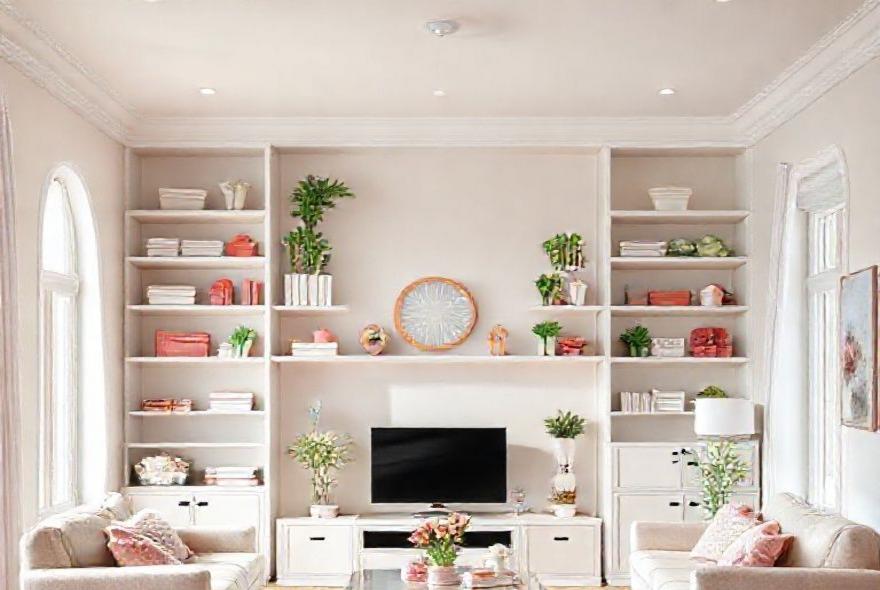
Ready to tackle the New Year with a clutter-free home? After the holiday whirlwind, it’s time to reset your environment by learning how to start your new year with a fresh, tidy slate. Let’s face it: A cluttered home isn’t exactly the best roommate. But fear not! We’ve got straightforward strategies to simplify the art of decluttering. Say goodbye to last year’s chaos and hello to a space that resonates with peace—and maybe even sanity! Ever tried decluttering and ended up in a tangled mess? We’ve got the tips to turn that around.
Key Takeaways
- Kickstart your new year by tackling clutter one room at a time – yes, even the closet door you’ve been avoiding!
- Discover quick strategies to reclaim space effortlessly and wave goodbye to post-holiday mess.
- Learn how resetting your home environment can lead to clearer mindsets and brighter moods.
- Find out which items to rehome first for maximum impact or just to impress your mother-in-law.
- Get ready for a fresh start with minimal effort – your future self will thank you!
- Master the art of decluttering with tips that provide results without breaking a sweat.
- Think decluttering is daunting? We promise, it’s easier than keeping your New Year’s workout resolution.
The Post-Holiday Reality: Why Your Home Needs a Strategic Reset
You know that moment when you walk into your living room on January 2nd and wonder if a confetti cannon exploded while you were sleeping? Yeah, we’ve all been there. The post-holiday chaos isn’t just about a few misplaced ornaments—it’s about reclaiming your sanctuary from the beautiful madness that was December. Starting your new year with a clutter-free home isn’t about perfection; it’s about creating space for the fresh energy you want to invite into your life. Trust me, tackling this systematically makes all the difference between feeling overwhelmed and feeling accomplished.
- Holiday Aftermath Statistics: Research shows families accumulate 40% more items during the holiday season, making a structured approach to decluttering essential rather than optional for maintaining sanity.
- Mental Health Connection: Living in cluttered spaces increases cortisol levels by up to 25%, which means clearing your home literally helps you start the year feeling calmer and more focused.
- The Compound Effect: Small, consistent decluttering efforts create lasting habits—15 minutes daily beats marathon cleaning sessions that leave you exhausted and likely to give up.
- Fresh Start Psychology: A clutter-free environment signals to your brain that you’re ready for new opportunities and experiences, making your January goals feel more achievable.
- Time Investment Reality: Strategic decluttering now saves hours later—every minute spent organizing prevents future searching, stress, and decision fatigue throughout the year.
The 15-Minute Magic: Why Short Bursts Beat Marathon Sessions
I used to be that person who’d block out entire Saturdays for decluttering, only to get overwhelmed halfway through and abandon the project entirely. Then I discovered the beauty of focused 15-minute sessions, and honestly, it changed everything. This timeframe isn’t arbitrary—it’s based on attention span research and energy management principles that actually work with human psychology instead of against it. You’re not aiming for perfection here; you’re building momentum that carries you through the entire process without burning out before Valentine’s Day.
- Attention Span Sweet Spot: Fifteen minutes aligns with natural focus cycles, preventing mental fatigue while maintaining the intensity needed for effective decision-making about what stays and what goes.
- Dopamine Hit Strategy: Completing short tasks triggers reward chemicals in your brain, creating positive associations with decluttering rather than the dread most people feel about organizing.
- Sustainable Progress Model: Brief sessions prevent the all-or-nothing mentality that kills most organizing efforts—you’re building skills gradually rather than expecting overnight transformation.
- Energy Conservation: Short bursts work with your natural energy patterns rather than depleting them, leaving you motivated for tomorrow’s session instead of exhausted and resentful.
- Family-Friendly Timing: Fifteen minutes is manageable even with kids around, pets demanding attention, or work calls interrupting—real life rarely offers uninterrupted hours for home projects.
Room-by-Room Strategy: Starting with High-Impact Areas
Here’s what I’ve learned after years of post-holiday recovery: not all rooms are created equal when it comes to impact on your daily well-being. Starting with spaces you see and use most frequently creates immediate satisfaction and motivation to continue. We’re talking about strategic wins that make your entire home feel more organized, even if you haven’t touched every single area yet. The key is choosing battles you can actually win while building systems that prevent future chaos accumulation.
- Living Room Priority: This space sets the tone for your entire home—clearing surfaces and organizing seating areas immediately improves how you feel walking through your front door.
- Kitchen Command Center: A functional kitchen affects daily meals, morning routines, and evening wind-down time, making it worth prioritizing even over bedrooms or bathrooms initially.
- Entryway Excellence: The first space you see coming home influences your entire evening mood—hooks for coats, baskets for shoes, and clear surfaces create instant calm.
- Master Bedroom Retreat: Your bedroom should be a sanctuary for rest and recharging—removing clutter here directly impacts sleep quality and morning energy levels.
- High-Traffic Hallways: Clear pathways prevent daily frustration and create flow throughout your home, making every room feel more spacious and organized than it actually is.
The Decision-Making Framework: Keep, Donate, Store, or Toss
You know what’s harder than actually cleaning? Deciding what to do with all the stuff you’re cleaning around. I used to stand there holding random objects for five minutes, paralyzed by indecision, until I developed a simple framework that cuts through the mental gymnastics. This isn’t about being ruthless or minimalist—it’s about being honest with yourself about what actually serves your life right now. The goal is creating space for what matters while letting go of what doesn’t, and trust me, there’s a huge difference between those two categories.
- The One-Year Rule: If you haven’t used something in the past year and can’t imagine a specific scenario where you’ll need it in the next year, it’s probably safe to donate or toss.
- Duplicate Detection: Keep the best version of items you have multiples of—three can openers, five spatulas, and endless phone chargers aren’t serving anyone’s life goals.
- Joy vs. Function Test: Items should either bring you genuine happiness or serve a clear, regular function in your daily life—guilt, obligation, and “someday maybe” aren’t good enough reasons to keep things.
- Space Cost Analysis: Consider what storing something costs you in terms of mental energy, cleaning time, and physical space—sometimes the hidden costs outweigh the potential benefits.
- Future Self Reality Check: Be honest about who you actually are versus who you think you might become—that bread maker collecting dust isn’t going to transform you into a baking enthusiast.
Holiday-Specific Decluttering: Decorations, Gifts, and Seasonal Items
Let’s talk about the elephant in the room—all that holiday stuff that seemed magical in December but now feels overwhelming in January. Between decorations that didn’t quite work, gifts that weren’t quite right, and seasonal items that somehow multiplied while you weren’t looking, post-holiday decluttering has its own unique challenges. The good news? This category of clutter is often easier to make decisions about because it’s not deeply personal everyday stuff—it’s seasonal, which means you have clear criteria for what’s worth storing for next year.
- Decoration Evaluation: Only pack away decorations that you actually enjoyed this year—if something felt like a hassle to put up or didn’t bring joy, donate it rather than storing frustration for next December.
- Gift Reality Check: It’s okay to return, exchange, or donate gifts that don’t fit your life, even from people you love—keeping things out of obligation creates clutter, not gratitude.
- Wrapping Supply Sanity: Keep a reasonable amount of wrapping supplies, but be realistic about how much you’ll actually use—that collection of gift bags doesn’t need to take over an entire closet.
- Seasonal Clothing Sort: Holiday outfits that made you feel amazing deserve good storage, but items that were uncomfortable or unflattering can find new homes with people who’ll love them.
- Food and Treat Management: Leftover holiday treats and specialty ingredients have expiration dates—be honest about what you’ll actually consume versus what’s just taking up pantry space.
Creating Systems That Prevent Future Chaos
Here’s the thing about decluttering—it’s not a one-time event, it’s a skill that needs systems to support it long-term. I learned this the hard way after doing massive cleanouts that looked amazing for two weeks before everything reverted to chaos. The secret isn’t willpower or perfection; it’s creating simple systems that work with your natural habits and family rhythms. We’re talking about small changes that prevent accumulation rather than requiring constant vigilance to maintain order.
- Daily Reset Routine: Establish a 10-minute evening pickup where everyone returns five items to their proper homes—this prevents daily accumulation from becoming weekly overwhelm.
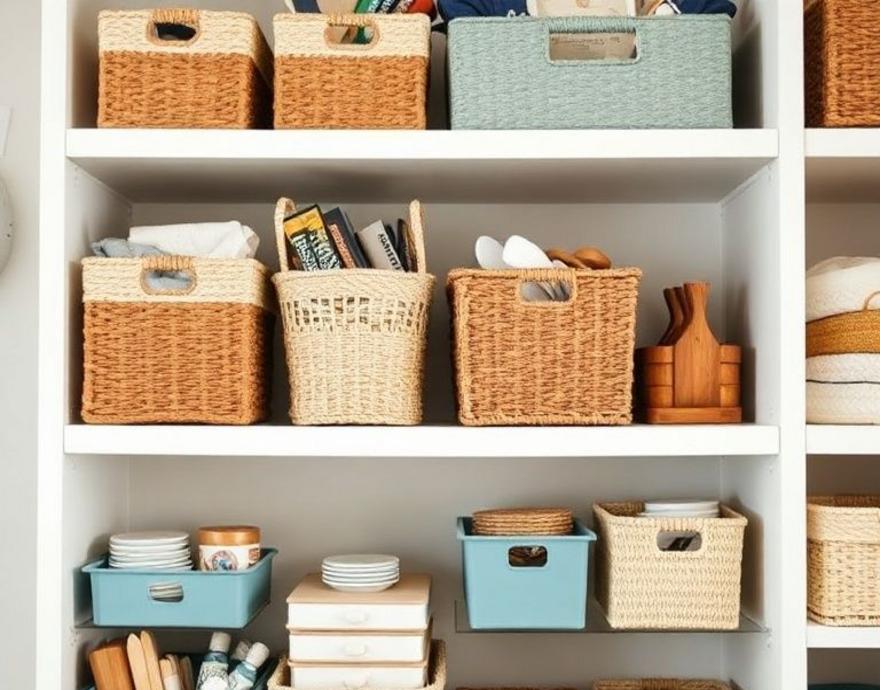
- Strategic Storage Solutions: Place attractive baskets or containers in areas where clutter naturally accumulates, making it easy for family members to stay organized without thinking too hard about it.
- One-In-One-Out Policy: When new items come into your home, identify something similar to donate—this maintains balance without requiring major purging sessions every few months.
- Weekly Maintenance Schedule: Assign different rooms to different days for 15-minute refresh sessions—Monday kitchen, Tuesday living room—preventing any area from becoming overwhelming.
- Family Participation Strategy: Create age-appropriate systems for kids and partners to maintain organization—everyone who contributes to the mess can contribute to the solution with proper systems in place.
The Psychological Benefits: Why Clutter-Free Equals Stress-Free
We need to talk about something most organizing advice skips over—the mental and emotional impact of living with clutter versus living in organized spaces. This isn’t just about aesthetics or impressing visitors; it’s about how your environment affects your daily stress levels, decision-making ability, and overall sense of control over your life. I used to think people who talked about clutter affecting mood were being dramatic, until I experienced the genuine relief that comes with simplified, organized spaces. The science backs this up in ways that might surprise you.
- Cognitive Load Reduction: Organized spaces reduce the mental energy required for daily tasks—you spend less brain power remembering where things are and more on activities that actually matter to you.
- Decision Fatigue Prevention: Fewer choices about where to put things or what to wear reduces daily decision fatigue, leaving mental energy for important choices throughout your day.
- Sleep Quality Improvement: Clutter-free bedrooms promote better sleep quality because your brain can truly relax without subconsciously processing visual chaos, even with your eyes closed.
- Productivity Enhancement: Organized work and living spaces reduce time spent searching for items, creating more time for activities that bring satisfaction and accomplish your actual goals.
- Stress Hormone Regulation: Studies show that people living in organized environments have lower cortisol levels throughout the day, leading to better mood regulation and overall health.
Maintaining Momentum: Making It Stick Beyond January
You know what happens to most New Year organizing resolutions by March? They become distant memories buried under new accumulations of stuff. The difference between temporary cleanup and lasting change lies in building sustainable habits that don’t require superhuman motivation to maintain. I’m not talking about becoming a minimalist or maintaining magazine-perfect spaces—I’m talking about creating realistic systems that support the life you actually live, not the life you think you should live. The goal is progress, not perfection, and systems that make organization easier, not harder.
- Habit Stacking Strategy: Attach organizing tasks to existing habits—put away five items while your morning coffee brews, or clear surfaces while dinner cooks—using established routines as anchors.
- Progress Tracking Method: Take before and after photos of organized spaces to remind yourself of the positive changes when motivation wanes—visual evidence of improvement maintains momentum better than willpower alone.
- Seasonal Review Schedule: Plan quarterly 30-minute assessments of your systems—what’s working, what needs adjustment, and what new challenges have emerged as life changes throughout the year.
- Celebration and Reward System: Acknowledge your organizing successes with meaningful rewards—whether it’s a favorite coffee, new candles for your clean space, or simply the satisfaction of a job well done.
- Support System Development: Share your organizing goals with family or friends who can provide accountability and encouragement when the initial enthusiasm fades into everyday routine.

Ah, the sweet promise of a clutter-free home! As we wrap up our journey through the chaos of holiday aftermath, it’s clear that starting the new year with a tidy home isn’t just about tossing things out— it’s about creating a sanctuary. We’ve explored key strategies like starting small, tackling one room at a time, and creating functional storage solutions. These simple steps can transform the overwhelming task of clearing away clutter into a manageable routine, helping you set the stage for a fresh start. So, as you plan your new year’s resolutions, remember: a clutter-free space is the canvas for a calm and productive life. Approach it with minimal effort and maximum impact, and you’re sure to feel the difference!
And hey, if the idea of decluttering inspired you but life’s whirlwind of activities got the best of you, let us do the heavy lifting! Wrapping this up, if you’re ready to tackle your home cleaning without the hassle, hit us up at Joy of Cleaning. Book a Cleaning online or call (727) 687-2710—we’ve got your back! Plus, keep the inspiration flowing by following us on Facebook and Instagram for more fun tips and tricks.