Welcome to the “Homeowners’ Guide to Long-Term Success with Daily Cleaning”—a delightful journey into the art of keeping your sanctuary spotless with minimal fuss! Ever tried cleaning hacks that hilariously backfired? Let’s fix that! This post isn’t just about having a broom; it’s about creating a cleaning routine that evolves with you. Embrace a cleaner, happier home as we dive into strategies that work year-round. As some might say, a clean home equals a clear mind. Ready to transform your tidying woes into victories? Grab a mop, and let’s get started!
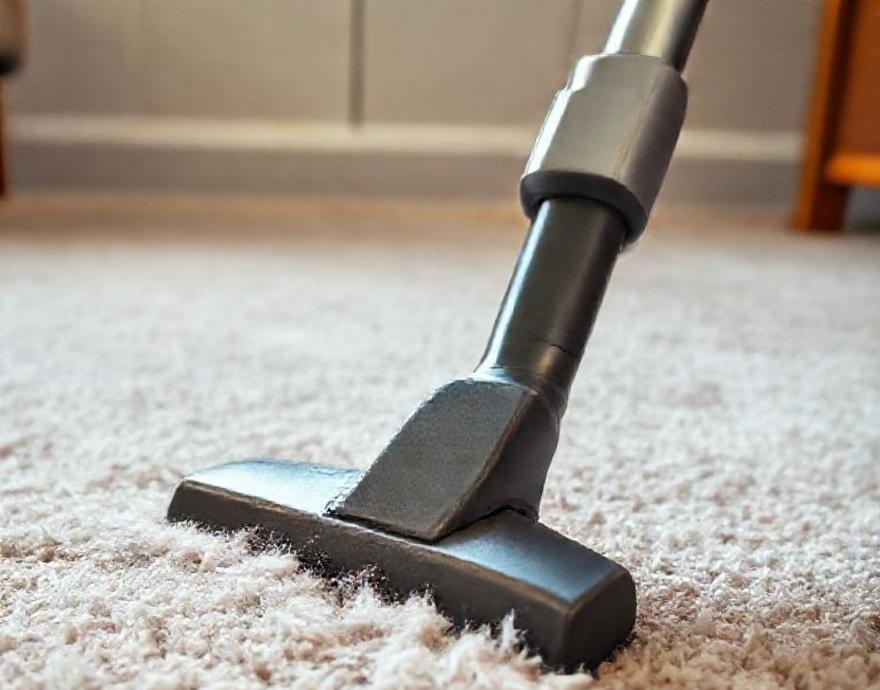
Key Takeaways
- Want a spotless home? Craft a cleaning routine that adapts with you and keeps the chores from piling up.
- Discover daily cleaning tips that keep your home fresh season after season—without the stress.
- A clean home means less stress. Learn how to maintain that zen with an evolving cleaning routine.
- Ever thought cleaning could be fun? We promise it can be—if you’ve got the right strategy up your sleeve!
- Stay ahead of seasonal mess: create a cleaning schedule that grows with your home’s needs.
- You know that stubborn stain? Here’s how daily upkeep can oust it before it sets in.
- Adapt and conquer with a home cleaning routine; it’s not just chores, it’s evolution.
Understanding the Psychology Behind Daily Cleaning Success
You know that feeling when you walk into a clean room and suddenly feel like you can breathe again? There’s actual science behind why a daily cleaning schedule works so much better than those weekend marathon sessions we’ve all attempted. The secret isn’t just about having a tidy space—it’s about rewiring your brain to see cleaning as a series of small, manageable wins rather than one overwhelming mountain to climb. When we break down household maintenance into 15-minute chunks, we’re working with our psychology instead of against it.
- The dopamine reward system kicks in: Completing small cleaning tasks triggers the same feel-good chemicals as checking items off your to-do list, making you actually want to continue the routine.
- Decision fatigue disappears: When your daily cleaning schedule is predetermined, you eliminate the mental energy spent deciding what to clean, leaving more brainpower for things that actually matter.
- Visual progress builds momentum: Unlike deep cleaning that shows dramatic before-and-after results, daily maintenance creates consistent visual satisfaction that reinforces the habit loop.
- Stress hormones decrease: Research shows that people living in organized spaces have lower cortisol levels throughout the day, leading to better sleep and improved mood.
- Control and accomplishment feelings increase: Starting your day with a completed cleaning routine creates a sense of control that carries over into other areas of life, making challenging tasks feel more manageable.
Creating Your Personal 15-Minute Cleaning Blueprint
Let’s talk about designing a daily cleaning schedule that actually fits your life, not some idealized version of how you think you should live. I’ve seen too many people try to force themselves into cleaning routines that work great for someone else but crash and burn in their own reality. The key to sustainable cleaning habits is honest self-assessment—when are you most energetic, what areas of your home stress you out the most, and what cleaning tasks do you actually not mind doing?
- Identify your energy patterns: Morning people should tackle kitchens and bathrooms early when they’re fresh, while night owls can use evening cleaning as a wind-down routine that prepares them for better sleep.
- Map your stress triggers: If a messy entryway makes you crazy every time you walk in the door, make that a daily 3-minute focus rather than letting it build up all week into a major decluttering project.
- Match tasks to available time slots: Be realistic about when you actually have 15 uninterrupted minutes—right after kids leave for school, during lunch breaks, or while dinner is in the oven.
- Consider your living situation: Apartment dwellers might focus more on surface cleaning and organization, while house owners need to factor in outdoor spaces and multiple bathrooms into their rotation.
- Build in flexibility from the start: Plan for sick days, busy periods, and life disruptions by having 5-minute backup routines that keep you connected to the habit even when the full 15 minutes isn’t possible.
The Science of Micro Cleaning Habits and Compound Results
Here’s where micro cleaning habits get really interesting—they work on the same principle as compound interest in your savings account. Those tiny daily actions might not seem like much in the moment, but over weeks and months, they create exponential improvements in your living environment. Think about it this way: spending 2 minutes daily wiping down bathroom surfaces prevents the need for 30-minute scrubbing sessions that nobody wants to do on weekends.
- The 1% improvement principle: Making your space just 1% cleaner each day through micro habits leads to dramatically improved living conditions over time, without the exhaustion of major cleaning overhauls.
- Prevention beats correction every time: Daily surface wiping prevents soap scum buildup, regular bed-making prevents bedroom chaos, and immediate dish washing prevents kitchen overwhelm.
- Muscle memory develops faster: Your body learns efficient cleaning movements through daily repetition, making tasks quicker and less physically taxing as weeks go by.
- Environmental awareness increases: Daily cleaning routines make you more conscious of how you use spaces, naturally leading to less mess creation and better organizational habits.
- Time perception shifts positively: What initially feels like “I don’t have time for this” transforms into “This only takes a few minutes” as micro habits become automatic behaviors.
Strategic Habit Stacking for Seamless Integration
The genius of habit stacking cleaning lies in attaching new behaviors to things you already do reliably every single day. Instead of trying to remember to clean at random times, you’re creating automatic triggers that make maintenance feel natural rather than forced. I discovered this accidentally when I started wiping down my coffee maker while waiting for my morning coffee to brew—now I literally can’t make coffee without cleaning the kitchen counter, and it feels weird when I don’t do both together.
- Morning routine stackers: Attach bathroom cleaning to tooth brushing, kitchen wiping to coffee making, or bed making to getting dressed—these morning anchors set a productive tone for the entire day.
- Transition time utilizers: Use natural waiting periods like microwaving food, waiting for kids to get ready, or phone charging time to knock out quick cleaning tasks that keep things manageable.
- Evening wind-down integration: Stack living room pickup with TV watching, dish washing with podcast listening, or laundry folding with music time to make end-of-day tasks feel relaxing rather than burdensome.
- Work-from-home opportunities: Between video calls, during coffee breaks, or while waiting for files to download, use micro-moments for desk organization, quick surface wipes, or putting items back where they belong.
- Weekend routine enhancement: Attach slightly deeper cleaning tasks to weekend rituals like Saturday morning coffee, Sunday meal prep, or evening movie time to maintain momentum without sacrificing relaxation.
Room-by-Room 15-Minute Strategies That Actually Work
Let’s get specific about what 15 minutes of focused cleaning actually looks like in different areas of your home, because generic advice doesn’t help when you’re standing in your kitchen wondering where to start. Each space has its own rhythm and requirements, and successful daily cleaning schedules acknowledge these differences instead of trying to apply the same approach everywhere. The goal is maximum impact with minimal time investment.
- Kitchen efficiency focus: Spend 5 minutes on counters and surfaces, 3 minutes on dishes and sink, 4 minutes on appliance fronts and stovetop, and 3 minutes on floor sweeping—this prevents the buildup that makes kitchens feel overwhelming.
- Bathroom maintenance routine: Use 4 minutes for mirror and sink cleaning, 3 minutes for toilet area, 4 minutes for shower/tub surfaces, 2 minutes for floor, and 2 minutes for towel organization and supply check.
- Living room pickup strategy: Dedicate 6 minutes to surface decluttering and organizing, 4 minutes to cushion fluffing and furniture straightening, 3 minutes to floor clearing and quick vacuuming, and 2 minutes to remote control and electronics organization.
- Bedroom reset approach: Spend 5 minutes on bed making and pillow arranging, 4 minutes on clothing pickup and closet maintenance, 3 minutes on surface clearing and dusting, and 3 minutes on floor cleanup and shoe organization.
- Entryway control system: Use 4 minutes for coat and bag organization, 3 minutes for shoe arrangement and storage, 4 minutes for surface cleaning and mail sorting, and 4 minutes for floor cleaning and seasonal item management.
Technology and Tools That Amplify Your 15-Minute Success
We need to talk about the practical stuff that makes or breaks your daily cleaning schedule, because having the right tools is the difference between smooth 15-minute sessions and frustrating experiences that kill your motivation. I’m not talking about expensive gadgets or complicated systems—I’m talking about simple, strategic choices that eliminate friction and make cleaning faster, easier, and maybe even a little bit enjoyable.
- Smart timer strategies: Use your phone’s timer with different alert tones for different tasks, or try apps that break 15 minutes into smaller chunks with gentle reminders to switch focus areas.
- Multipurpose cleaning solutions: Invest in one high-quality, all-purpose cleaner that works on multiple surfaces rather than juggling different products—this eliminates decision-making and speeds up your routine.
- Strategic supply storage: Keep duplicate basic supplies in each major area rather than carrying everything around—bathroom supplies in bathroom storage, kitchen supplies in kitchen areas, bedroom supplies in bedroom spaces.
- Microfiber cloth systems: Color-code different cloths for different areas to prevent cross-contamination and speed up your routine—blue for bathrooms, yellow for kitchens, white for general dusting.
- Music and podcast integration: Create 15-minute playlists or find podcasts that make cleaning time feel like personal time rather than chore time—this psychological shift makes habits stick better long-term.
Seasonal Adaptations That Keep Your Routine Fresh
Your daily cleaning schedule shouldn’t be the same in January as it is in July, because your home’s needs change with the seasons, and frankly, so does your energy and motivation. Smart sustainable cleaning habits evolve with the calendar, addressing seasonal challenges before they become overwhelming problems. This adaptability is what separates routines that last for years from those that burn out after a few months.
- Spring renewal focus: Shift 15-minute sessions toward window cleaning, outdoor space preparation, and lighter fabric management as you transition from heavy winter indoor living to fresh spring energy.
- Summer maintenance priorities: Adapt routines to handle increased foot traffic, outdoor entertaining cleanup, and the faster accumulation of dust and dirt that comes with open windows and active outdoor living.
- Fall preparation strategies: Use daily sessions to gradually prepare for indoor season—organizing summer items, preparing heating systems, and creating cozy indoor spaces that support fall and winter comfort.
- Winter deep-comfort routines: Focus on maintaining warm, inviting indoor spaces with attention to air quality, comfortable textiles, and the organization systems that support more indoor time and activities.
- Holiday and special event flexibility: Build buffer systems into your routine that can handle the extra mess and organization needs that come with celebrations, guests, and seasonal decorating without abandoning your daily habits completely.
Overcoming Common Obstacles and Maintaining Momentum
Let’s be honest about the stuff that derails even the best-intentioned daily cleaning schedule, because pretending these challenges don’t exist won’t help you succeed long-term. Everyone hits walls, loses motivation, or faces life circumstances that make 15 minutes feel impossible. The difference between people who maintain sustainable cleaning habits and those who give up isn’t perfection—it’s knowing how to bounce back and adjust without throwing away all their progress.
- Perfectionism paralysis solutions: Remember that a imperfect cleaning routine you actually do is infinitely better than a perfect routine you abandon—progress over perfection always wins in the long run.
- Family resistance management: Start with your own spaces and let the results speak for themselves rather than trying to force family members into your system—people are more likely to join something that’s working than to be convinced by arguments.
- Motivation dip strategies: Focus on how you feel after completing your routine rather than how you feel before starting—that post-cleaning sense of accomplishment and control becomes its own reward system.
- Schedule disruption recovery: Have a simple restart protocol for when life interrupts your routine—maybe it’s a 5-minute version, maybe it’s focusing on just one room, but keep some connection to the habit even during chaotic periods.
- Seasonal depression considerations: Adjust expectations during difficult mental health periods while maintaining some structure—sometimes just making your bed or wiping one counter is enough to maintain the psychological benefits of daily maintenance.
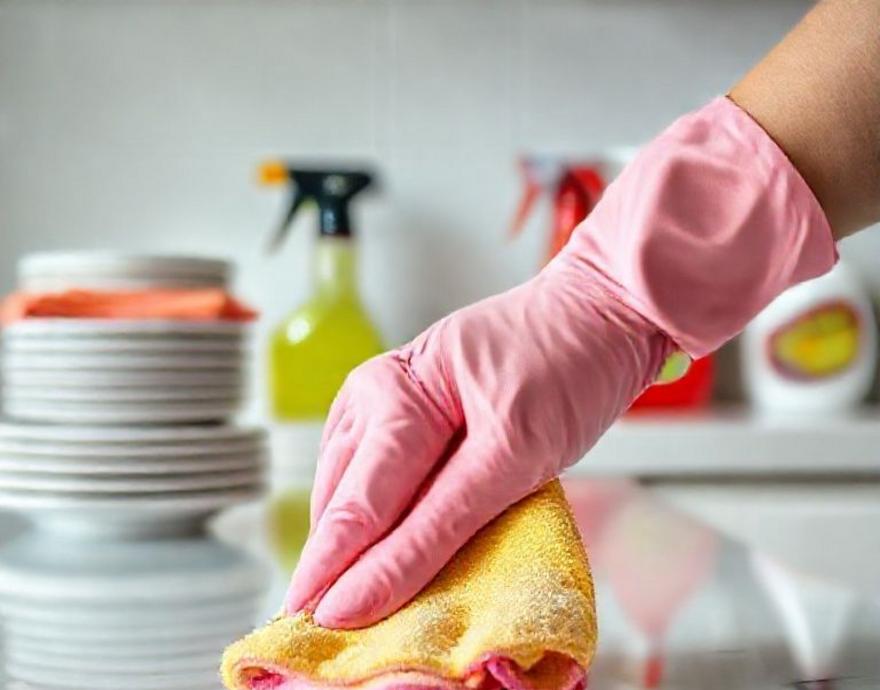
As we wrap up this journey through dust bunnies and squeaky clean countertops, let’s remember that the secret weapon in maintaining a tidy home is all about consistency and adaptability. Start by crafting a cleaning routine that aligns with your lifestyle, considering daily quick cleans and seasonal deep cleans. By doing so, you’re not only setting yourself up for long-term success but also ensuring a home that welcomes both calmness and productivity. Remember, your cleaning routine should be as flexible as your yoga practice. Embrace the change of seasons and adjust your tactics—what works in winter snow boot clean-ups might not be ideal for summer sandal sand dumps. Long-term, a mindful cleaning routine becomes second nature, making home tidying effortless and maybe, just maybe, a little bit fun!
And hey, if this inspired a cleaning spree but life’s just too busy, don’t sweat it! Wrapping this up, if you’re ready to tackle your home cleaning without the hassle, hit us up at Joy of Cleaning. Book a Cleaning online or call (727) 687-2710—we’ve got your back! Follow us on Instagram and Facebook for more fun tips and a sprinkle of joy on your cleaning journey.