Let’s face it, compact spaces have a charm—and a challenge all their own when it comes to cleaning. Enter the world of eco-friendly cleaning technologies. Wondering how to integrate green cleaning trends into your tiny abode without sacrificing efficiency? You’re in the right spot! Not only can you save the planet, but you can also save some elbow grease. Intrigued by the quirky new tools or that lemon-baking soda concoction everyone’s buzzing about? This post will dish out everything you need for spotless, green living in snug quarters!
Key Takeaways
- Master eco-friendly cleaning in your small space—less clutter, more sparkle!
- Discover how green cleaning trends can fit into even the tiniest nooks.
- Compact spaces meet their match with these efficient, eco-conscious cleaning strategies.
- Make your small home a green oasis with sustainable cleaning technologies.
- Eco-tips: Ditch harsh chemicals for eco-friendly products that love your home and the planet.
- Unlock the secret to green cleaning without sacrificing space. Curious how? Dive in!
Understanding Green Cleaning Technology for Modern Small Spaces
Green cleaning trends aren’t just about swapping harsh chemicals for natural alternatives anymore—we’re talking about a complete technological revolution that’s perfect for compact living. You know that overwhelming feeling when you’re trying to clean your tiny apartment with products that seem designed for massive suburban homes? Yeah, we’ve all been there. Today’s eco-friendly cleaning technologies are specifically engineered to work smarter in smaller spaces, combining sustainability with efficiency in ways that actually make sense for apartment dwellers and tiny home enthusiasts.
- Space-Conscious Design: Modern green cleaning gadgets prioritize compact storage and multi-functional capabilities, perfect for maximizing every square inch of your living space.
- Chemical-Free Innovation: UV sanitizers, steam cleaners, and ozone generators eliminate the need for storing multiple cleaning products while delivering superior results.
- Energy Efficiency Focus: Eco-friendly devices consume significantly less power than traditional appliances, reducing both your carbon footprint and utility bills.
- Indoor Air Quality Benefits: Green cleaning technologies actively improve air quality instead of introducing harmful fumes—crucial when you’re living in close quarters.
- Minimal Water Usage: Advanced cleaning systems use micro-steam and electrolyzed water technologies that clean effectively while conserving this precious resource.
Smart Storage Solutions for Eco-Friendly Cleaning Arsenal
Let’s face it—one of the biggest challenges with green cleaning in compact spaces isn’t the cleaning itself, it’s figuring out where to store all your eco-friendly supplies without turning your apartment into a cluttered mess. The beauty of modern green cleaning trends lies in their emphasis on minimalism and multi-purpose functionality. Instead of needing seventeen different products for seventeen different surfaces, you can accomplish the same results with a handful of smart, sustainable tools that actually fit in your space.
- Vertical Wall Systems: Magnetic strips and wall-mounted organizers keep reusable microfiber cloths, bamboo scrubbers, and concentrated cleaning tablets easily accessible without eating up counter space.
- Under-Sink Optimization: Stackable containers for bulk eco-friendly supplies maximize awkward cabinet spaces while keeping everything organized and easily refillable.
- Multi-Purpose Tool Integration: Steam mops that also function as handheld sanitizers eliminate the need for separate floor and surface cleaning equipment.
- Collapsible Equipment: Foldable buckets, expandable drying racks, and telescoping cleaning tools store flat against walls or slide into narrow spaces between appliances.
- Refill Station Setup: Designate one small area for concentrate refills and reusable bottles, reducing packaging waste while maintaining an organized cleaning supply system.
DIY Green Cleaning Concentrates That Save Space and Money
Here’s where green cleaning trends get really exciting for small space living—making your own concentrates means you can store months’ worth of cleaning power in containers smaller than a shoebox. We’re not talking about your grandmother’s vinegar-and-baking-soda recipes (though those work too). Modern DIY approaches use scientifically-backed formulations that rival commercial products while taking up a fraction of the storage space. Plus, you know exactly what’s going into your cleaning solutions.
- Castile Soap Base Systems: One bottle of concentrated castile soap can be diluted into dozens of different cleaning solutions for floors, surfaces, dishes, and even laundry.
- Essential Oil Antimicrobial Blends: Tea tree, eucalyptus, and thyme oils provide powerful disinfecting properties when properly diluted, replacing multiple commercial sanitizers.
- Enzyme Concentrate Power: Small packets of enzyme cleaners tackle organic stains and odors more effectively than bulky aerosol cans, perfect for pet accidents or food spills.
- Citric Acid Multi-Taskers: This single ingredient dissolves mineral deposits, removes soap scum, and brightens surfaces—replacing multiple specialized bathroom and kitchen cleaners.
- Oxygen Bleach Alternatives: Sodium percarbonate powder provides whitening and sanitizing power without chlorine fumes, crucial for maintaining air quality in compact living spaces.
Energy-Efficient Green Cleaning Appliances for Tight Quarters
The latest wave of eco-friendly cleaning appliances proves that you don’t need to sacrifice cleaning power to go green—you just need to be smarter about the technology you choose. These aren’t the bulky, energy-hogging machines of previous generations. Today’s green cleaning gadgets are designed with compact spaces in mind, delivering professional-level results while using minimal electricity and water. The key is understanding which features actually matter in small spaces versus marketing fluff.
- Steam Cleaning Systems: Compact steam cleaners use only water to sanitize surfaces, eliminate allergens, and remove stains—no chemicals required, and they store in spaces smaller than a traditional vacuum.
- UV-C Sanitizing Devices: Portable UV lights kill 99.9% of bacteria and viruses on surfaces without leaving residues or requiring ventilation—perfect for small bathrooms and kitchens.
- Electrolyzed Water Generators: These compact devices transform tap water into powerful, non-toxic cleaning solutions using only salt and electricity—eliminating the need to store cleaning chemicals entirely.
- Microfiber Spin Mops: Self-wringing systems clean floors effectively with minimal water usage while the compact design fits in narrow closets or under sinks.
- HEPA Air Purifiers with Washable Filters: These remove cleaning-related particles from the air while eliminating ongoing filter replacement costs and waste.
Natural Ventilation and Air Purification Strategies
You know that stuffy feeling you get when you’ve been cleaning in a small space, even with eco-friendly products? Proper ventilation becomes absolutely critical in compact living situations, and green cleaning trends have evolved to address this challenge head-on. It’s not enough to use non-toxic products—you need systems that actively improve your indoor air quality while you clean. The good news is that natural ventilation strategies can be incredibly effective when you understand how air flows in small spaces.
- Cross-Ventilation Optimization: Strategic placement of fans creates air currents that quickly remove cleaning-related moisture and particles, preventing mold and mildew in tight quarters.
- Plant-Based Air Filtration: Specific houseplants like spider plants and peace lilies actively remove cleaning-related VOCs from the air while adding natural beauty to small spaces.
- Activated Charcoal Systems: Small bamboo charcoal bags absorb odors and excess moisture without requiring electricity, perfect for closets and bathrooms where traditional ventilation is limited.
- Essential Oil Diffusion: Ultrasonic diffusers disperse antimicrobial essential oils throughout small spaces, providing ongoing air purification between cleaning sessions.
- Humidity Control Integration: Compact dehumidifiers prevent the moisture buildup that leads to mold and bacteria growth, especially important when using water-based green cleaning methods.
Waste Reduction and Recycling Systems for Green Cleaning
The circular economy concept has revolutionized how we approach cleaning supplies, and this is especially relevant for small space living where every item needs to earn its place. Green cleaning trends now emphasize reusable, refillable, and biodegradable options that dramatically reduce the waste stream from your cleaning routine. We’re talking about systems that turn cleaning into a nearly zero-waste activity while actually improving your results and saving money long-term.
- Refillable Container Networks: Many cities now offer bulk refill stations for eco-friendly cleaning concentrates, eliminating single-use packaging while reducing storage needs for backup supplies.
- Compostable Cleaning Tools: Natural sponges, bamboo scrub brushes, and hemp cleaning cloths can be composted at end-of-life instead of contributing to landfill waste.
- Repurposing Systems: Old t-shirts become lint-free cleaning rags, empty spray bottles get new life with DIY concentrates, and worn-out towels transform into heavy-duty scrubbing cloths.
- Greywater Integration: Simple systems can redirect lightly-used cleaning water to houseplants, reducing overall water consumption while nourishing your indoor garden.
- Packaging-Free Alternatives: Cleaning tablets, powder concentrates, and solid dish soaps eliminate plastic packaging while taking up significantly less storage space than liquid equivalents.
Technology Integration for Automated Green Cleaning
Smart home technology has finally caught up with the green cleaning movement, creating opportunities for automated systems that maintain eco-friendly standards without constant human intervention. This isn’t about replacing human cleaning entirely—it’s about using technology to handle routine maintenance so you can focus your energy on deep cleaning tasks that actually require attention. The integration possibilities are particularly exciting for small spaces where consistency matters more than occasional deep cleans.
- Smart Sensor Networks: Air quality monitors trigger automated ventilation and purification systems when cleaning-related particles are detected, maintaining optimal indoor environments.
- Scheduled Sanitization Cycles: UV-C lights and ozone generators can run automated disinfection cycles during unoccupied hours, eliminating pathogens without human exposure to sanitizing agents.
- Water Quality Monitoring: Smart systems track when filter replacements are needed and automatically adjust cleaning solution concentrations based on local water hardness and quality.
- Inventory Management Apps: Digital tracking prevents over-purchasing of supplies while ensuring you never run out of essential eco-friendly cleaning concentrates.
- Energy Usage Optimization: Smart plugs and timers ensure cleaning appliances operate during off-peak electricity hours, reducing environmental impact while lowering utility costs.
Seasonal Adaptation and Maintenance Strategies
Green cleaning in compact spaces requires different approaches throughout the year, and understanding these seasonal patterns can dramatically improve your results while reducing effort and resource consumption. Winter brings different challenges than summer, and your eco-friendly cleaning routine should adapt accordingly. The beauty of sustainable cleaning systems is their flexibility—you can ramp up or scale back based on actual needs rather than following arbitrary schedules that waste time and materials.
- Winter Deep Cleaning Protocols: Increased indoor time means more intensive air purification and humidity control, while reduced ventilation options require stronger natural deodorizing strategies.
- Spring Allergen Management: HEPA filtration becomes critical during high-pollen seasons, while natural antihistamine solutions help maintain indoor air quality without pharmaceutical interventions.
- Summer Mold Prevention: Increased humidity requires proactive moisture control and natural antimicrobial treatments to prevent mold growth in small, poorly-ventilated spaces.
- Fall Preparation Systems: Equipment maintenance and supply inventory ensure your green cleaning systems are ready for increased indoor living during colder months.
- Year-Round Equipment Rotation: Seasonal storage strategies keep only currently-needed cleaning tools accessible while preserving space for living activities.
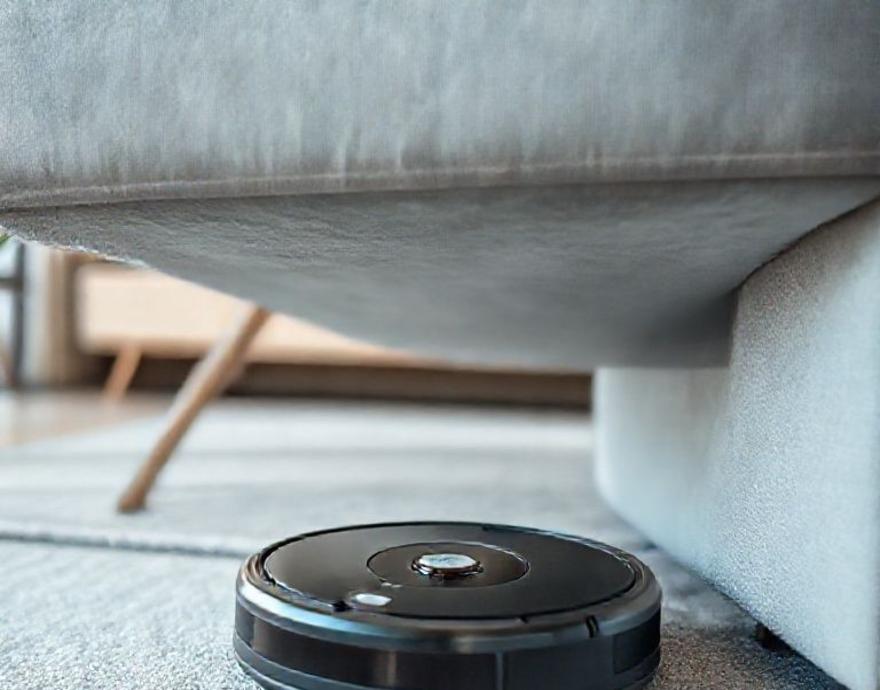
Embracing eco-friendly cleaning trends in compact spaces isn’t just a trend—it’s a way of ensuring cleanliness and sustainability coexist even in the tiniest of living areas. We’ve looked at how to select organic, biodegradable cleaning supplies that don’t compromise your health or the environment. Incorporating essential cleaning tools tailored for small spaces is crucial—think multi-functional, space-saving gadgets. Finally, regular but efficient cleaning routines ensure that your eco-conscious efforts don’t feel like a chore. These green cleaning trends help you maintain a tidy space that elegantly aligns with your values and modern environmental standards.
And hey, if you’re ready to tackle your home cleaning without the hassle, hit us up at Joy of Cleaning. Book a Cleaning online or call (727) 687-2710—we’ve got your back! Follow us on Instagram and Facebook for more fun tips.