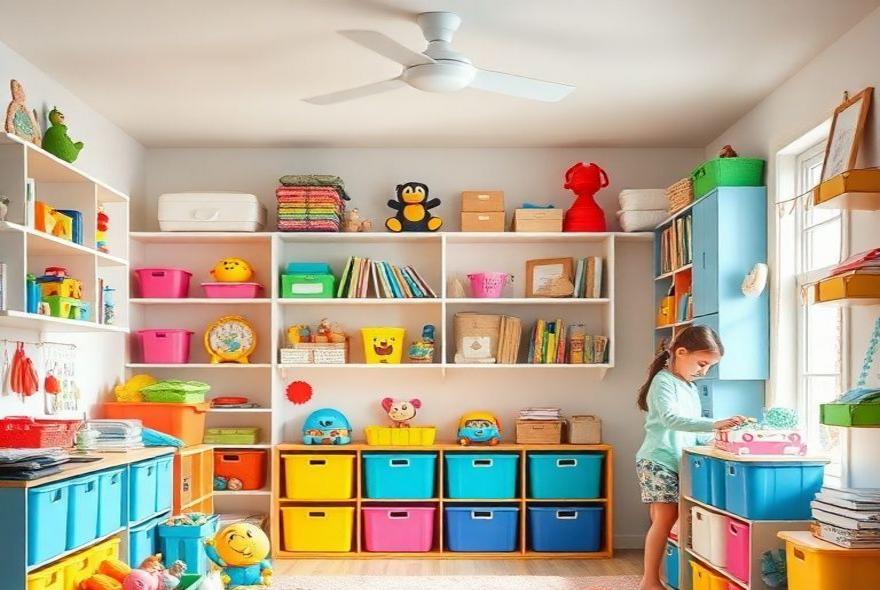
Let’s face it, decluttering can seem about as fun as watching paint dry. But what if it didn’t have to be that way? Welcome to our ultimate guide to making decluttering a fun family activity! Starring the 12-12-12 rule, this post is packed with clever hacks that transform tidying up into an epic team sport. Who knew sorting through clutter could be a family bonding experience? Ever failed hilariously while trying to declutter solo? Let’s fix that together! Stay tuned for an enlightening deep dive into turning chaos into camaraderie.
Key Takeaways
- Get the whole family on board with decluttering to transform it from tedious to fun!
- Use the 12-12-12 rule to declutter effectively—find 12 items to throw away, 12 to donate, and 12 to keep.
- Turn decluttering into a game: set a timer and see who can fill their boxes the fastest!
- Make it rewarding—take breaks with snacks and celebrate every ‘cleaned’ room.
- Involve the kids by letting them choose toys to donate, teaching empathy in the process.
- Turn up the music and dance your way through the mess—who said cleaning can’t have a soundtrack?
Why Making Decluttering a Family Activity Changes Everything
You know that Sunday afternoon when you’re staring at the chaos in your living room, wondering how your family managed to turn a perfectly organized space into what looks like a tornado hit it? Here’s the thing – instead of tackling the mess solo while everyone else disappears, the 12-12-12 decluttering rule can actually become your secret weapon for getting the whole crew involved. This decluttering method isn’t just about organizing tips anymore; it’s about transforming home organization into a team sport that everyone can actually enjoy.
- Shared Responsibility: When decluttering becomes a group effort, kids learn that maintaining a home is everyone’s job, not just mom or dad’s weekend project – it’s one of those organizing tips that builds life skills.
- Faster Results: Multiple people working the 12-12-12 system simultaneously means you can tackle entire rooms in the time it used to take for one small area during your new year decluttering sessions.
- Teaching Moments: Kids naturally learn decision-making skills and the principles of minimalism when they’re actively participating rather than just watching adults sort through stuff.
- Reduced Resistance: Family members are way more likely to maintain organized spaces when they’ve been part of creating them through this decluttering method.
- Quality Time Bonus: Working together on home organization creates opportunities for conversation and connection that don’t happen when everyone’s glued to their devices.
Age-Appropriate Adaptations: Making the 12-12-12 Rule Work for Everyone
Let’s be honest – expecting a five-year-old to understand the nuances of donation versus trash isn’t exactly realistic, right? But here’s where the beauty of this decluttering method really shines: it’s incredibly adaptable to different ages and abilities. I’ve seen families modify these organizing tips in brilliant ways that keep everyone engaged without overwhelming the little ones or boring the teenagers who think they’re too cool for family cleaning time.
- Preschoolers (Ages 3-5): Simplify to “keep, give away, throw away” and let them focus on obvious choices like broken toys or outgrown clothes – their enthusiasm for this decluttering method often surprises parents.
- Elementary Kids (Ages 6-10): They can handle the full 12-12-12 rule with some guidance, and turning it into a scavenger hunt makes home organization feel like a game rather than a chore.
- Tweens (Ages 11-13): Perfect age for understanding minimalism concepts and making independent decisions about their belongings while still benefiting from family teamwork during new year decluttering sessions.
- Teenagers (Ages 14+): Give them ownership of their spaces while participating in common areas – they often surprise you with creative organizing tips when they’re treated as partners rather than reluctant helpers.
- Mixed-Age Strategies: Pair younger kids with older siblings or adults so everyone has a buddy system that keeps the decluttering method moving smoothly without anyone feeling left out.
Gamifying the Process: Turning Organization Into Entertainment
We think the secret sauce to successful family decluttering isn’t found in fancy organizing tips or expensive storage solutions – it’s in making the whole experience feel more like play than work. The 12-12-12 decluttering rule already has a game-like structure with its clear numbers and categories, but you can totally amp up the fun factor. When home organization feels like a competition or adventure, even the most reluctant family members tend to get swept up in the excitement.
- Speed Challenges: Set a timer for 15 minutes and see which family member can complete their 12-12-12 cycle fastest – this decluttering method becomes a race that generates laughs and momentum.
- Theme Rounds: Focus each session on specific categories like “things that are red,” “items smaller than your hand,” or “stuff that makes noise” to add variety to your new year decluttering efforts.
- Point Systems: Award different point values for different types of items (maybe sentimental items are worth more points) and track family scores over multiple sessions to maintain long-term engagement with minimalism goals.
- Mystery Box Challenges: Each person contributes items to a “mystery donation box” and others guess what might be inside – it adds intrigue to standard organizing tips while building excitement about letting things go.
- Before and After Reveals: Take photos at each stage and create a family slideshow of your home organization progress – kids especially love seeing the dramatic transformations their efforts create.
Creating Team Roles and Responsibilities That Actually Work
You know what kills the vibe faster than anything during family decluttering sessions? When everyone’s stepping on each other’s toes or nobody knows what they’re supposed to be doing. The 12-12-12 decluttering rule works beautifully for families when everyone has a clear role that plays to their strengths and interests. It’s like assembling a home organization dream team where each person contributes something valuable to the overall success of your decluttering method.
- The Decision Maker: Usually works best with older kids or adults who can quickly assess items and make keep-donate-toss calls – they become the final authority when others are stuck during organizing tips sessions.
- The Logistics Coordinator: Perfect role for someone who loves organizing details – they manage the three collection areas, keep count of items, and ensure everything ends up where it should during new year decluttering efforts.
- The Memory Keeper: Great job for kids who love storytelling – they document funny finds, take before/after photos, or keep a family journal of your minimalism journey and decluttering victories.
- The Quality Controller: Ideal for detail-oriented family members who double-check that donated items are clean and in good condition, ensuring your home organization efforts benefit others appropriately.
- The Motivational Captain: Every team needs someone who keeps energy high with music, snacks, or encouraging words when the decluttering method starts feeling like actual work instead of family fun.
Handling Disagreements and Emotional Attachments as a Team
Here’s where family decluttering gets real – when your teenager insists they need 47 graphic novels or your spouse can’t part with that exercise equipment they haven’t touched in three years. These moments can either derail your organizing tips completely or become opportunities for deeper family conversations about values, priorities, and compromise. The 12-12-12 decluttering rule actually provides a neutral framework for working through these sticky situations without anyone feeling attacked or judged.
- The Veto System: Each family member gets one veto per session where they can override a group decision about their personal items – it prevents resentment while keeping the decluttering method moving forward.
- Compromise Categories: Create a “maybe” pile for items that spark family debate, then revisit them at the end of your home organization session when emotions have cooled down a bit.
- Story Sharing: When someone’s struggling to let go of something, have them share why it’s meaningful – sometimes talking through the attachment helps them reach their own conclusion about keeping it during new year decluttering.
- Future Planning Discussions: Help family members think through whether they’ll realistically use disputed items in the next year, making minimalism decisions based on actual lifestyle rather than hypothetical scenarios.
- Respect Boundaries: Some items are simply non-negotiable for family members, and that’s okay – successful organizing tips include knowing when to focus energy elsewhere rather than forcing unwanted changes.
Celebrating Wins and Maintaining Family Momentum
Let’s talk about what happens after you’ve successfully completed your first family 12-12-12 session – because honestly, this is where most well-intentioned decluttering methods fall apart. The initial excitement wears off, life gets busy, and suddenly you’re back to square one with clutter creeping into your newly organized spaces. The key to long-term success with these organizing tips is building celebration and maintenance into your family routine so that home organization becomes a sustainable lifestyle rather than a sporadic event.
- Victory Celebrations: Plan something special after each major decluttering session – maybe pizza night, a movie marathon, or a family outing that everyone can look forward to as a reward for their teamwork efforts.
- Progress Tracking: Create a visual family chart or photo gallery that shows your new year decluttering journey over time – kids especially love seeing concrete evidence of their contributions to minimalism goals.
- Monthly Family Meetings: Schedule brief check-ins where everyone can share what’s working, what isn’t, and suggest improvements to your home organization system before problems become overwhelming.
- Seasonal Refresh Sessions: Turn the changing seasons into natural triggers for family decluttering sessions, making it easier to remember and maintain your organizing tips throughout the year.
- Individual Recognition: Acknowledge each family member’s unique contributions and improvements, whether it’s a child finally keeping their room tidy or a spouse embracing the donation process with this decluttering method.
Building Life Skills Through Organized Family Teamwork
Here’s something that might surprise you – the 12-12-12 decluttering rule isn’t just about getting your house in order. When families work together on home organization, kids are secretly learning a whole bunch of life skills that’ll serve them well into adulthood. We’re talking about decision-making, time management, teamwork, and even basic economics when they start understanding the value of donating versus trashing items. These organizing tips become a masterclass in practical life education disguised as family cleaning time.
- Decision-Making Confidence: Regular practice with keep-donate-toss choices helps kids develop the critical thinking skills they’ll need for bigger life decisions as they grow up, making this decluttering method valuable beyond just tidiness.
- Time Management Skills: Working within the structure of timed sessions teaches children how to prioritize tasks and work efficiently – essential skills for academic and career success later in their new year decluttering habits.
- Financial Awareness: Discussing the cost of items being donated or thrown away naturally leads to conversations about money, value, and consumer choices that support minimalism principles.
- Empathy Development: When kids choose items to donate, they’re thinking about other families who might benefit from their belongings – it’s character building built right into your home organization routine.
- Problem-Solving Abilities: Figuring out storage solutions and organizing systems as a family encourages creative thinking and collaborative problem-solving that extends far beyond these organizing tips into all areas of life.
Long-Term Success Strategies for Maintaining Family Organization Habits
Okay, so you’ve mastered the art of family decluttering sessions and everyone’s actually enjoying the process – but how do you keep this momentum going for months and years rather than letting it fizzle out like last year’s exercise resolution? The truth is, sustainable home organization requires shifting from thinking about the 12-12-12 decluttering rule as an event to embracing it as a lifestyle. The families I’ve seen succeed long-term are the ones who’ve figured out how to weave these organizing tips seamlessly into their regular routines without it feeling forced or overwhelming.
- Seasonal Rhythm Creation: Align your major decluttering method sessions with natural family rhythms like back-to-school prep, holiday preparations, or spring cleaning – this makes new year decluttering feel like a natural part of your family’s annual cycle.
- Individual Accountability Systems: Help each family member develop personal organizing tips that work with their age and personality, while still contributing to overall home organization goals through regular family check-ins.
- Flexibility in Application: Some weeks you might manage a full 12-12-12 session, others might call for a quick 5-5-5 maintenance round – successful minimalism adapts to real life rather than demanding perfection.
- Teaching Ownership: Gradually shift responsibility to family members for maintaining their own spaces while keeping common areas as shared responsibility – this builds independence within the teamwork framework.
- Evolution and Growth: Expect your family’s approach to this decluttering method to change as kids grow, circumstances shift, and you discover what works best for your unique household dynamics and organizing tips preferences.
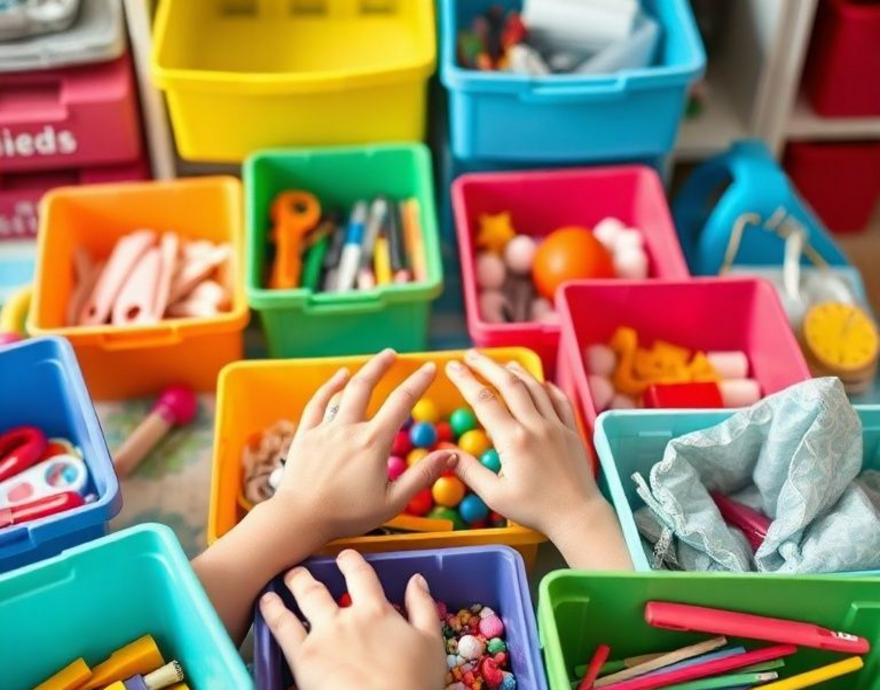
Who knew that decluttering could bring a family closer together? By turning what might seem like a tedious task into a fun family activity, you’re not just organizing your home—you’re also making memories. The 12-12-12 rule, which involves finding 12 items to throw away, 12 to donate, and 12 to keep, provides a structured yet playful approach to tidying up. Kids can get involved too, perhaps turning the task into a game or friendly competition. Beyond just clearing out clutter, these hacks foster teamwork, encourage decision-making, and even spark a little joy in tidying up. As you transform your home, you’ll find that decluttering isn’t just about “less things” but more about “more joy.”
Wrapping this up, if you’re ready to tackle your home cleaning without the hassle, hit us up at Joy of Cleaning. Book a Cleaning, or dial us at (727) 687-2710—we’ve got your back! Plus, keep the fun rolling by following us for more tips and inspiration on Facebook and Instagram. Let’s turn cleaning into a joyful journey!