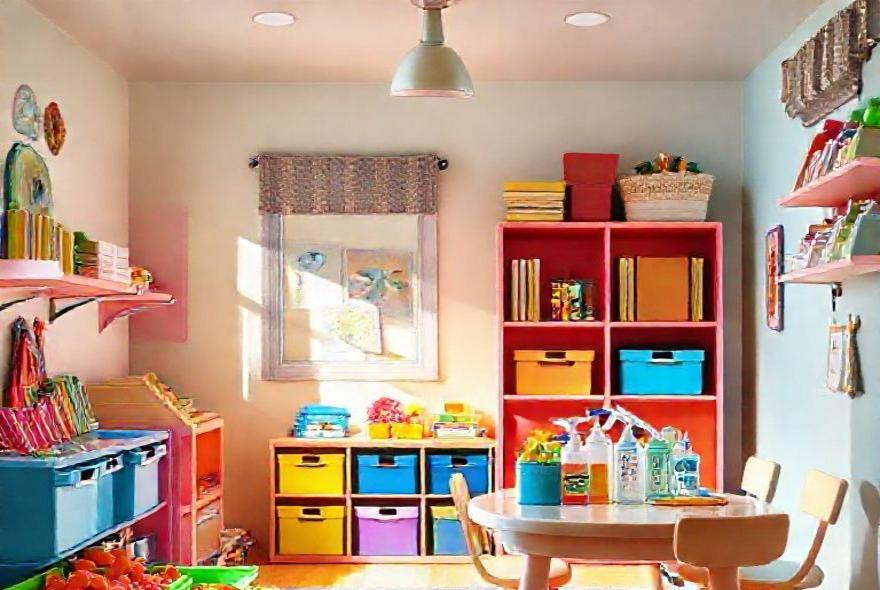
So, you’ve tried everything to motivate your kids to clean, but their idea of ‘cleaning’ involves hiding toys under the rug? You’re not alone! Welcome to this fun-packed post on how to ignite your child’s inner cleaning guru. We dive into strategies that don’t just involve bribery – tempting as it is. It’s all about understanding what makes these little humans tick. Whether it’s gamifying chores or setting tiny challenges, there’s a lot to explore. Stick around and discover how curiosity and enthusiasm can transform tidying up from chore to cheer!
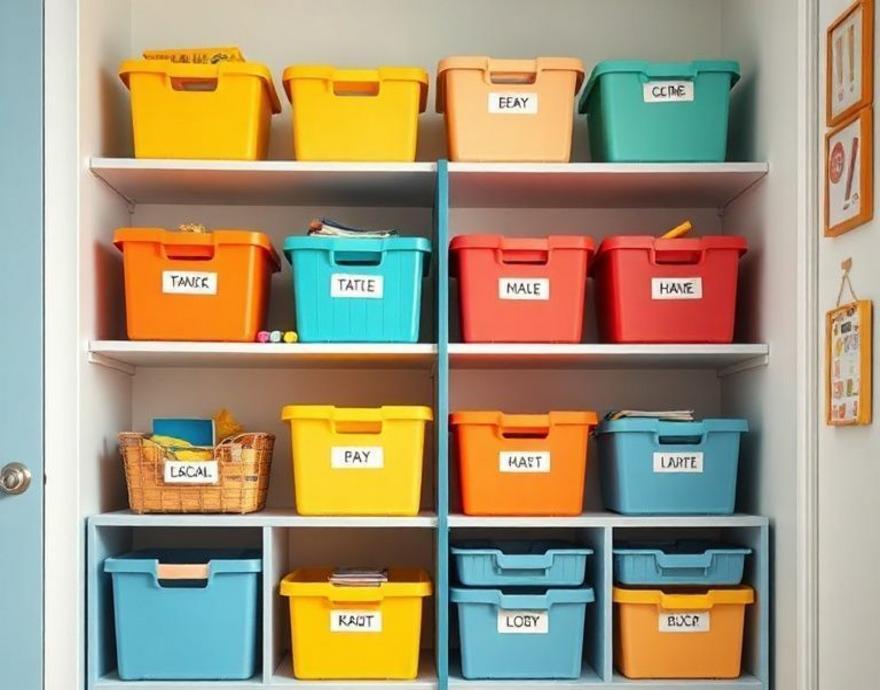
Key Takeaways
- Need to motivate kids to clean? Make it a game! Turn chores into fun missions. Who knew cleaning could be like a treasure hunt?
- Understanding what drives kids is key. Use their curiosity—like, why does dust exist anyway?
- Break down tasks into smaller steps. Even Hercules would need instructions!
- Use rewards—just don’t promise the moon, okay? A sticker or extra playtime does wonders.
- Lead by example. If they see you doing it, they’ll follow—eventually!
- Play some tunes. Who doesn’t love a good dance-off while cleaning?
The Psychology Behind Why Kids Avoid Cleaning
You know that glazed-over look your kids get when you mention “clean your room”? There’s actually solid psychology behind why children naturally resist cleaning tasks, and understanding this can completely transform your approach to motivate children to clean. Kids aren’t being defiant just to drive you crazy (though it might feel that way on Tuesday afternoons). Their brains are wired for exploration, play, and immediate gratification—not organizing sock drawers. The good news? Once we understand what makes them tick, we can work with their natural tendencies instead of against them.
- Developmental stage considerations: Young children live in the present moment and struggle with abstract concepts like “organization”—they need concrete, visual examples and immediate feedback to understand cleaning goals.
- Overwhelm factor: A messy room looks like an insurmountable mountain to a child’s perspective—breaking tasks into smaller, manageable chunks prevents the freeze response that leads to avoidance behaviors.
- Lack of ownership: Kids resist cleaning spaces they don’t feel belong to them—when children have input in organizing systems and decoration choices, they develop stronger investment in maintenance.
- Energy and attention patterns: Children have natural energy cycles that affect their willingness to tackle tasks—timing cleaning activities during their high-energy periods increases cooperation and success rates.
- Social learning needs: Kids learn best through modeling and participation rather than instruction—when family cleaning routines involve everyone working together, children absorb cleaning habits more naturally than through solo assignments.
Transforming Chores Through Creative Storytelling
Here’s where the magic really happens—when you stop thinking about cleaning as mundane work and start viewing it as an opportunity for creative storytelling. Kids naturally gravitate toward narratives, adventures, and imaginative play, so why not harness that power to make cleaning fun? We think the most successful parents are those who become co-conspirators in their children’s imaginative worlds rather than stern taskmasters wielding vacuum cleaners. The secret lies in creating stories that evolve over time, keeping kids engaged week after week as their cleaning adventures unfold.
- Create compelling backstories: Maybe their bedroom is a spaceship that needs to be organized before the next mission, or perhaps toys are citizens of different kingdoms that need to return to their proper territories for peace to reign.
- Develop ongoing plot lines: Weekly cleaning sessions become episodes in a larger story where previous cleaning victories set the stage for new challenges—this creates anticipation rather than dread around cleaning time.
- Incorporate seasonal themes: Spring cleaning becomes preparing the house for visiting fairy godmothers, while holiday organizing involves helping Santa’s elves maintain their workshop standards in your home.
- Let kids contribute to story development: Ask them what adventures their cleaning characters might face next, or let them invent new challenges that require specific organizing skills to overcome—ownership of the narrative increases engagement.
- Create story artifacts: Simple props like decorated boxes for “treasure storage” or special cloths for “magic polishing” help bring stories to life and make cleaning tools feel more like adventure gear than boring household items.
The Science of Making Cleaning Games Addictive
Ever wonder why your kids can play the same video game for hours but complain after five minutes of cleaning? It’s all about game design principles, and smart parents borrow these techniques to create cleaning games that actually hold children’s attention. The most engaging games provide clear objectives, immediate feedback, progressive difficulty, and meaningful rewards—elements that are surprisingly easy to incorporate into household tasks. When you understand what makes games compelling, you can transform any cleaning activity into something kids actively want to participate in.
- Clear scoring systems: Create point values for different cleaning tasks—one point for each toy put away, five points for organizing a whole shelf, bonus points for helping siblings—and keep running tallies that kids can track throughout the week.
- Progressive challenge levels: Start with simple tasks and gradually introduce more complex organizing projects as kids master basic skills—this prevents frustration while maintaining appropriate challenge levels that promote growth.
- Immediate feedback mechanisms: Use timers, checklists, or before-and-after photos to provide instant recognition of progress—kids need to see results quickly to maintain motivation and understand the connection between effort and outcome.
- Social competition elements: Create family leaderboards, team challenges, or collaborative goals where everyone works together—healthy competition motivates some kids while cooperation appeals to others.
- Achievement unlock systems: Design “badges” or “levels” that kids earn by mastering different cleaning skills—maybe they become “Dust Busters” after learning to clean surfaces or “Organization Experts” after maintaining tidy spaces independently.
Building Sustainable Motivation Through Intrinsic Rewards
While sticker charts and external rewards can jumpstart cleaning habits, the real goal is helping kids develop internal motivation to maintain organized spaces. You know you’ve succeeded when children start cleaning without being asked—not because they’re expecting prizes, but because they genuinely prefer tidy environments and take pride in their organizing abilities. The transition from external to intrinsic motivation happens gradually, but parents can nurture this development by focusing on competence, autonomy, and connection rather than just compliance.
- Emphasize skill development: Frame cleaning as learning valuable life skills rather than completing assigned chores—help kids recognize how their organizing abilities improve over time and celebrate their growing competence.
- Provide meaningful choices: Let children decide when to clean their spaces (within reasonable parameters), which tasks to tackle first, and how to organize their belongings—autonomy increases investment in maintaining systems they helped create.
- Connect cleaning to personal values: Help kids understand how organized spaces support their goals—clean desks make homework easier, tidy rooms help them find favorite toys, organized closets speed up getting dressed for fun activities.
- Highlight impact on others: Point out how their cleaning efforts help the whole family—when kids understand their contributions matter to people they care about, they develop stronger motivation to maintain good habits.
- Foster problem-solving opportunities: When organizing challenges arise, involve kids in finding solutions rather than imposing systems—children who develop their own strategies feel more ownership and confidence in their abilities.
Creating Cleaning Rituals That Build Family Bonds
The most successful family cleaning routines don’t feel like work—they feel like traditions that bring everyone together around shared goals. Think of cleaning time as an opportunity to strengthen relationships, create positive memories, and teach valuable life lessons beyond just tidying up. We’ve noticed that families who approach cleaning as quality time together rather than necessary drudgery tend to have kids who are naturally more cooperative and eventually take initiative in maintaining organized homes.
- Establish consistent timing: Choose specific days and times for family cleaning sessions so everyone can mentally prepare and plan around these activities—consistency helps cleaning become a natural part of weekly rhythms rather than disruptive interruptions.
- Create pre-cleaning rituals: Develop special traditions that signal cleaning time—maybe it’s making hot chocolate first, putting on matching aprons, or doing silly warm-up exercises that get everyone energized and laughing.
- Incorporate learning opportunities: Use cleaning time to practice counting, sorting by color or size, discussing responsibility and teamwork, or even learning about different materials and how to care for them properly.
- Plan post-cleaning celebrations: Always follow cleaning sessions with something enjoyable—movie time in the newly organized living room, baking cookies in the clean kitchen, or playing games in tidy spaces that feel fresh and inviting.
- Document your progress: Take photos of your family working together and of the beautiful results you achieve—creating albums or scrapbooks of cleaning adventures helps kids see themselves as capable contributors to family success.
Age-Specific Strategies for Different Developmental Stages
What motivates a five-year-old to clean won’t necessarily work for a teenager, and trying to use the same approach for all ages usually leads to frustration for everyone involved. Understanding developmental differences helps you tailor your strategies to match where each child is mentally, physically, and emotionally. The key is meeting kids where they are while gradually building skills and expectations that prepare them for increasing responsibility as they mature.
- Toddlers and preschoolers (ages 2-5): Focus on simple sorting games, putting items in designated containers, and wiping surfaces—use lots of praise for effort rather than perfection, and keep sessions short to match their attention spans.
- Elementary age (ages 6-10): Introduce multi-step tasks like making beds, organizing school supplies, and managing their own toy collections—they can handle more complex instructions and take pride in completing entire projects independently.
- Middle schoolers (ages 11-13): Assign ownership of specific areas like their bedrooms or bathroom maintenance—they’re developing identity and appreciate having spaces that reflect their personalities and organizational preferences.
- Teenagers (ages 14+): Shift toward collaborative problem-solving about household management and let them take leadership roles in family cleaning projects—they’re preparing for independence and benefit from practicing real-world life skills.
- Adaptation techniques: Always observe individual personalities and adjust expectations accordingly—some children naturally gravitate toward organizing while others need more support developing these skills, regardless of their chronological age.
Overcoming Common Obstacles and Setbacks
Let’s be real—even the best-planned cleaning systems hit snags, and there will be days when nobody wants to cooperate with your brilliant motivational strategies. Resistance, regression, and outright rebellion are normal parts of building lasting habits, especially when you’re working with strong-willed children who have their own ideas about how to spend their time. The families who succeed long-term are those who view obstacles as opportunities to refine their approaches rather than reasons to give up entirely.
- When enthusiasm wanes: Refresh your approach by introducing new challenges, rotating responsibilities, or taking breaks from formal systems while maintaining basic expectations—sometimes stepping back prevents power struggles that make cleaning feel punitive.
- Dealing with perfectionist children: Some kids become paralyzed trying to organize everything perfectly—teach “good enough” standards and celebrate progress over perfection to prevent cleaning anxiety from developing into long-term avoidance.
- Managing sibling conflicts: Competition can quickly turn negative, so have backup strategies like individual goals, collaborative projects, or taking turns being “cleaning leaders” to redirect energy positively when tensions arise.
- Handling busy schedule periods: Develop simplified routines for hectic weeks that focus on just essentials—maintaining some structure during stressful times prevents complete abandonment of cleaning habits that take weeks to rebuild.
- Addressing different learning styles: Visual learners benefit from charts and before-and-after photos, kinesthetic learners need hands-on demonstration, and auditory learners respond well to verbal instructions and music—tailor your teaching methods to match how each child processes information best.
Teaching kids how to clean can be a magical experience—or a not-so-gentle reminder of how much glitter they’ve managed to spread throughout the house. The key is understanding what drives them, like turning chores into a game or a fun family activity. Reward systems can also work wonders, motivating the little ones to tackle tasks with the enthusiasm of a superhero. While it might take a bit of trial and error to discover the right balance, sparking their natural curiosity and enthusiasm by making cleaning an adventure should do the trick. You’ll soon see how motivation, when nurtured correctly, fits perfectly into their everyday routine.
And hey, if this blog post inspired a cleaning spree but you’re still feeling overwhelmed, we’ve got you covered! At Joy of Cleaning, we’re here to tackle your home cleaning without the hassle. You can easily Book a Cleaning with us or give us a ring at (727) 687-2710. We’re always happy to lend a hand! Plus, follow us on Facebook and Instagram for more fun tips and a sprinkle of cleaning inspiration!