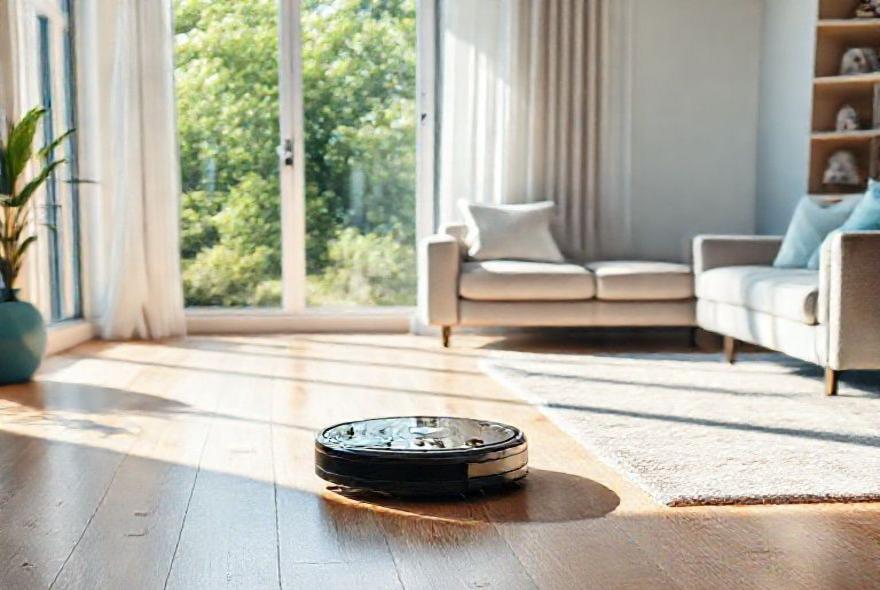
Ever wished you could sprinkle a little magic to prepare your guest room? Welcome to the world of automated room prep, where smart technology does more than just vacuum floors. Think beyond the broom—envision a space where air quality is pristine, lighting adjusts to your mood, and sleeping conditions are tailored just for you. This isn’t just tech wizardry; it ensures comfort and an unforgettable experience. Ready to explore how this tech transforms hospitality into an art? Buckle up, dear reader, and let’s dive into this comfy, tech-savvy pillow fort together!
Key Takeaways
- Transform your guest room with automated technology—it’s not just about a clean floor anymore!
- Smart tech enhances air quality, ensuring every breath is a fresh one for your guests.
- Adjust the lighting effortlessly to set the perfect mood—no more wrestling with dimmer switches.
- Did you know smart systems can suggest optimal sleeping conditions? Rest easy!
- Wave goodbye to manual prep and say hello to automation magic in your guest rooms.
- Ensure your guests’ comfort with high-tech solutions that think ahead.
- Automation isn’t just convenience; it’s a game-changer for hospitality.
Understanding the Full Scope of Automated Room Preparation Technology
You know that moment when you’re expecting guests and suddenly realize your idea of “clean” might not match theirs? Automated room prep has evolved way beyond just running a vacuum cleaner around the baseboards. We’re talking about comprehensive systems that manage everything from air circulation to lighting optimization, creating environments that feel professionally maintained. Smart technology integration means your guest rooms can automatically adjust to optimal conditions before anyone even walks through the door. The benefits of automated room prep extend into areas most people never consider – like humidity control, temperature regulation, and even scent management that works together to create that “wow, this place feels amazing” experience.
- Comprehensive Environmental Control: Modern automated systems monitor and adjust temperature, humidity, and air quality simultaneously, ensuring guests walk into perfectly balanced comfort zones every single time.
- Intelligent Space Optimization: Smart sensors detect room occupancy patterns and adjust cleaning schedules, lighting levels, and ventilation accordingly, maximizing efficiency while minimizing energy consumption.
- Proactive Maintenance Alerts: Automated systems identify potential issues like filter changes, equipment maintenance, or supply restocking needs before they impact guest experience or system performance.
- Seamless Integration Capabilities: These technologies work with existing smart home infrastructure, creating unified control systems that manage multiple room functions through single interfaces or voice commands.
- Data-Driven Performance Optimization: Advanced systems learn from usage patterns and environmental conditions to continuously improve their automated responses, becoming more efficient over time.
Air Quality Enhancement Through Smart Environmental Controls
Here’s something most people overlook when preparing guest spaces – the air your visitors breathe matters just as much as the surfaces they see. Smart air quality management goes far beyond just opening windows or lighting a candle. We’re talking about sophisticated systems that monitor particulate levels, adjust filtration, and even coordinate with cleaning schedules to optimize breathing conditions. Modern automated room prep includes HEPA filtration systems, UV sanitization, and real-time air quality monitoring that responds to everything from pollen counts to cooking odors. According to recent research in smart home technology, automated air quality systems can reduce allergens by up to 87% compared to traditional ventilation methods.
- Real-Time Air Quality Monitoring: Smart sensors continuously track dust, pollen, volatile organic compounds, and humidity levels, automatically adjusting filtration and ventilation to maintain optimal air quality standards.
- Coordinated Cleaning and Filtration: Systems synchronize robotic cleaning cycles with air purification processes, ensuring that disturbed particles are immediately captured rather than circulated throughout guest spaces.
- Allergen-Specific Response Protocols: Advanced systems can be programmed to recognize and respond to specific allergen triggers, implementing targeted filtration and cleaning routines for guests with known sensitivities.
- Automated Scent Management: Smart diffusion systems can introduce subtle, pleasant fragrances while simultaneously removing unwanted odors through activated carbon filtration and ozone generation.
- Energy-Efficient Operation: Modern air quality systems optimize energy consumption by adjusting filtration intensity based on actual air quality readings rather than running continuously at maximum capacity.
Smart Lighting Systems That Adapt to Guest Preferences
Let’s be honest – lighting can make or break a guest’s impression of their accommodations, and automated lighting systems have become incredibly sophisticated at creating just the right ambiance. Smart lighting goes way beyond just turning bulbs on and off; we’re talking about systems that adjust color temperature throughout the day, respond to natural light levels, and even learn individual preferences. These systems coordinate with other automated room prep technologies to ensure guests never walk into a dark space or struggle with harsh lighting when they’re trying to wind down. The beauty of smart lighting integration is how it works seamlessly with cleaning schedules, ensuring spaces are properly illuminated during automated maintenance while creating welcoming environments when guests return.
- Circadian Rhythm Optimization: Automated lighting systems adjust color temperature and intensity throughout the day to support natural sleep-wake cycles, helping guests feel more rested and comfortable during their stay.
- Occupancy-Based Intelligent Response: Motion sensors and smart switches ensure lights automatically illuminate pathways and spaces as guests move through them, while dimming or turning off lights in unoccupied areas for energy efficiency.
- Personalized Scene Programming: Systems can store and recall custom lighting preferences for different activities – reading, relaxing, getting ready – allowing guests to easily create their preferred environment with simple voice commands or app controls.
- Natural Light Integration: Smart sensors monitor outdoor light conditions and automatically adjust indoor lighting to maintain consistent illumination levels, preventing the harsh transitions that can occur with traditional lighting systems.
- Maintenance and Safety Coordination: Lighting systems communicate with other automated technologies to ensure adequate illumination during cleaning cycles while implementing safety protocols like pathway lighting during nighttime hours.
Temperature and Climate Control for Optimal Guest Comfort
You know how hotels always seem to have that perfect temperature that makes you want to stay in bed just a little longer? That’s not accident – it’s sophisticated climate control technology, and now you can implement similar systems in your own guest spaces. Automated temperature management considers factors like occupancy patterns, outdoor weather conditions, and even individual comfort preferences to create consistently comfortable environments. Smart thermostats and zoning systems work together with other automated room prep technologies to ensure guest spaces are always at optimal conditions without wasting energy on empty rooms. The integration capabilities mean your climate control system can coordinate with cleaning schedules, lighting adjustments, and air quality management to create comprehensive comfort solutions.
- Predictive Temperature Management: Smart systems analyze weather forecasts, occupancy schedules, and historical usage patterns to pre-adjust room temperatures, ensuring spaces are perfectly comfortable when guests arrive.
- Zone-Based Climate Control: Advanced systems create independent climate zones for different areas, allowing precise temperature control in bedrooms, bathrooms, and common areas based on their specific usage patterns and requirements.
- Energy-Efficient Scheduling: Automated systems reduce energy consumption by adjusting temperatures in unoccupied spaces while maintaining comfort levels in active areas, potentially reducing heating and cooling costs by up to 30%.
- Humidity Optimization: Integrated systems monitor and adjust humidity levels alongside temperature, preventing issues like condensation, mold growth, and dry air that can impact guest comfort and health.
- Smart Integration with Other Systems: Climate control coordinates with window treatments, lighting systems, and air quality management to create comprehensive environmental control that responds to changing conditions throughout the day.
Sleep Optimization Technologies for Enhanced Guest Rest
Here’s where automated room prep gets really interesting – systems that actually analyze and optimize sleeping conditions for your guests. We’re talking about technology that monitors everything from room acoustics to mattress temperature, creating personalized sleep environments that help visitors get genuinely restorative rest. Smart sleep optimization goes beyond just comfortable bedding; it includes noise cancellation, optimal humidity levels, and even gentle wake-up lighting that mimics natural sunrise patterns. According to sleep research studies, automated sleep environment systems can improve sleep quality by up to 23% compared to standard room conditions, which means happier, more refreshed guests who actually want to come back.
- Acoustic Environment Management: Smart systems monitor and control noise levels using white noise generation, sound masking, and even active noise cancellation to create optimal acoustic conditions for deep, uninterrupted sleep.
- Mattress and Bedding Climate Control: Advanced systems regulate mattress temperature through smart cooling and heating elements, while monitoring and adjusting blanket and pillow temperature for individual comfort preferences.
- Sleep Cycle Awareness: Motion sensors and smart monitoring can detect natural sleep patterns and adjust environmental conditions accordingly, dimming lights during deep sleep phases and gradually brightening during natural wake periods.
- Air Quality Optimization for Sleep: Specialized filtration and circulation systems create ideal breathing conditions during sleep hours, removing allergens and maintaining optimal oxygen levels for better rest quality.
- Gentle Wake-Up Integration: Systems coordinate lighting, temperature, and even subtle aromatherapy to create natural wake-up experiences that help guests feel more refreshed and alert upon rising.
Maintenance Automation and Predictive Care Systems
Let’s talk about the behind-the-scenes magic that keeps automated room prep systems running smoothly – predictive maintenance technology that identifies and addresses issues before they impact your guests’ experience. Smart maintenance systems monitor equipment performance, track usage patterns, and even predict when components might need attention or replacement. This means no more discovering broken systems when guests are already settled in, and no more scrambling to fix problems during peak hosting periods. Modern automated room prep includes self-diagnostic capabilities that can distinguish between minor operational adjustments and situations requiring professional service, keeping your systems running efficiently while minimizing unexpected downtime.
- Predictive Component Monitoring: Advanced sensors track equipment performance metrics like motor efficiency, filter saturation, and battery health to predict maintenance needs before failures occur, typically identifying issues 2-3 weeks in advance.
- Automated Supply Management: Smart systems monitor consumable supplies like filters, cleaning solutions, and replacement parts, automatically generating reorder alerts and even placing orders through integrated supply chain management platforms.
- Performance Optimization Analytics: Systems collect and analyze operational data to identify efficiency improvements, usage patterns, and potential system upgrades that could enhance guest experience or reduce operational costs.
- Remote Diagnostic Capabilities: Many modern systems include remote monitoring features that allow troubleshooting and minor adjustments without requiring on-site service calls, reducing maintenance costs and system downtime.
- Integrated Service Scheduling: When professional maintenance is required, systems can automatically coordinate with service providers, scheduling appointments during optimal times that minimize disruption to guest accommodations.
Cost-Benefit Analysis and Return on Investment Considerations
Alright, let’s talk numbers – because while automated room prep technology sounds amazing, you’re probably wondering if it’s worth the investment. The good news is that comprehensive automated systems typically pay for themselves within 18-24 months through reduced labor costs, energy savings, and improved guest satisfaction ratings. We’re looking at initial investments that range from moderate smart home integration to more substantial whole-house automation systems, but the long-term benefits extend far beyond just financial returns. Increased property values, reduced maintenance costs, and the time savings alone make these systems increasingly attractive for serious hosts and property managers who want to provide consistently exceptional guest experiences.
- Energy Cost Reduction: Automated systems typically reduce energy consumption by 25-40% through intelligent scheduling, occupancy-based adjustments, and optimized equipment operation, resulting in substantial monthly utility savings.
- Labor and Time Savings: Comprehensive automation can reduce manual room preparation time by up to 70%, freeing up hours for other hospitality tasks or simply allowing hosts to enjoy more personal time.
- Enhanced Guest Satisfaction Metrics: Properties with automated room prep systems report 15-20% higher guest satisfaction scores, leading to increased repeat bookings and positive reviews that drive future reservations.
- Reduced Maintenance and Replacement Costs: Predictive maintenance capabilities can extend equipment lifespan by 20-30% while reducing emergency repair costs through early problem identification and prevention.
- Property Value Enhancement: Smart home automation systems can increase property values by 3-5%, while also making properties more attractive to potential buyers or renters who value modern convenience features.
Future Trends and Emerging Technologies in Automated Guest Services
You know what’s exciting about automated room prep technology? We’re just scratching the surface of what’s possible. Emerging trends in smart hospitality are pointing toward even more sophisticated integration, including artificial intelligence that learns individual guest preferences and biometric systems that automatically adjust environments based on physiological feedback. We’re talking about technology that could recognize returning guests and automatically recreate their preferred room conditions, or systems that monitor stress levels and adjust lighting and temperature accordingly. According to industry forecasts, the next wave of automation will focus heavily on personalization and health optimization, creating guest experiences that feel almost telepathically attuned to individual needs and preferences.
- AI-Powered Personalization: Next-generation systems will use machine learning to create detailed guest preference profiles, automatically adjusting everything from room temperature to pillow firmness based on individual comfort patterns and feedback.
- Biometric Environmental Response: Emerging technologies include sensors that monitor heart rate, skin temperature, and stress indicators to make real-time environmental adjustments that promote relaxation and comfort.
- Advanced Health and Wellness Integration: Future systems will incorporate air quality optimization for specific health conditions, circadian lighting therapy, and even aromatherapy dispensing based on mood analysis and wellness goals.
- Seamless Voice and Gesture Control: Next-generation interfaces will respond to natural speech patterns and subtle gestures, making room adjustments feel effortless and intuitive without requiring specific commands or app interactions.
- Sustainable Technology Integration: Emerging systems focus heavily on environmental responsibility, incorporating renewable energy sources, water conservation features, and eco-friendly materials while maintaining luxury comfort standards.
Embracing the benefits of automated room preparation can transform your guest hosting experience into something extraordinary. With smart technology, your rooms can go beyond just being clean; they can become an oasis of comfort. Imagine lighting that adjusts to soothe your weary travelers or air quality systems that ensure freshness and health in every breath your guests take. These automated enhancements not only elevate sleep quality by suggesting optimal conditions but also deliver an experience that makes your guests feel valued and pampered. Truly, smart room prep is the secret sauce to creating an unforgettable hospitality experience, especially during the holiday season!
And hey, if this inspired a cleaning spree but life’s too busy, let Joy of Cleaning handle the hard stuff. Wrapping this up, if you’re ready to tackle your home cleaning without the hassle, hit us up at Joy of Cleaning. Book a Cleaning or call (727) 687-2710—we’ve got your back! Follow us on Facebook and Instagram for more fun tips and a sprinkle of inspiration around your lovely home.