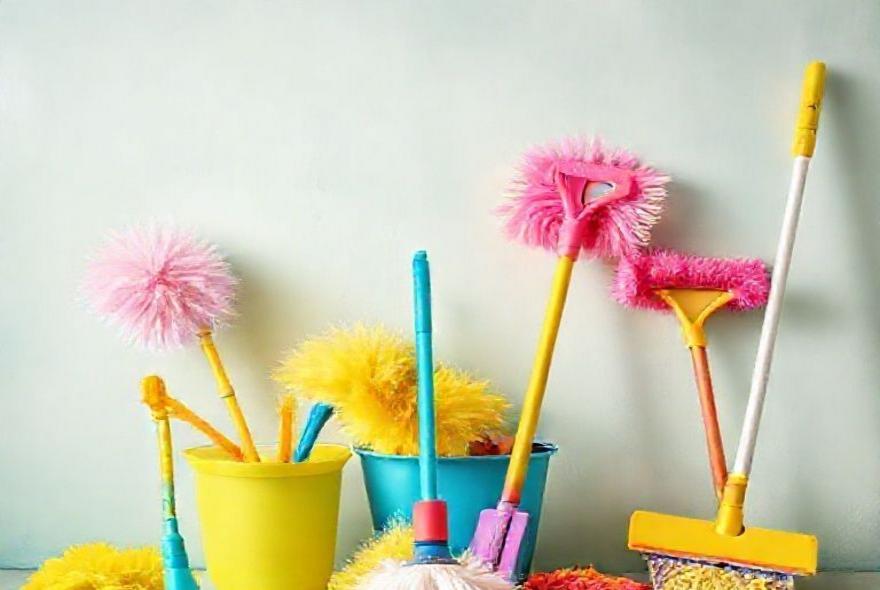
Cleaning and fun in the same sentence, you say? Absolutely! “How To Make Cleaning a Fun Adventure for Kids” is your ticket to transforming those dreaded chores into thrilling missions that even the Avengers would envy. Ever handed a mop to your little one and watched them wield it like a lightsaber? With a sprinkle of creativity, cleaning can ignite their wild imagination. From secret agent missions to magical clean-up quests, we’ve got strategies that keep boredom at bay. Ready to turn tidying up into an epic adventure? Let’s dive in and unlock the wizardry!

Key Takeaways
- Transform cleaning into a thrilling adventure for kids—suddenly, chores become missions!
- Encourage imagination with fun strategies to make your little ones feel like detectives on a quest to banish dust bunnies.
- Use themes and stories, like a pirate treasure hunt, to make tidying up an epic journey.
- Make cleaning a game with challenges—who can sort toys the fastest?
- Introduce teamwork by assigning roles, turning mess into a chance for kids to unite as cleaning superheroes.
- Reward systems can turn the battle against grime into a quest for glory.
- Never underestimate the power of a catchy cleaning playlist—tunes make tasks a dance party!
- Capture their attention with props like capes and superhero masks, making each task an imaginative adventure.
The Psychology Behind Making Cleaning an Adventure
You know that spark in your kid’s eyes when they’re about to embark on a treasure hunt or pretend to be their favorite superhero? That’s exactly the energy we want to harness when figuring out how to make cleaning fun. The secret isn’t in the cleaning itself—it’s in how we frame it. Kids naturally gravitate toward activities that feel like play, offer clear goals, and give them a sense of accomplishment. When we transform mundane tasks into exciting quests, we’re essentially rewiring their brains to associate household chores with positive emotions and anticipation rather than dread.
- Tap into their natural storytelling instincts: Children live in worlds of imagination where everyday objects become magical tools and simple tasks transform into epic missions—leverage this by creating narratives around cleaning activities.
- Use the power of choice: Kids cleaning tips often emphasize giving children options whenever possible, whether it’s choosing which room to tackle first or deciding what cleaning character they want to embody that day.
- Create anticipation and surprise: The most effective family cleaning routines incorporate unexpected elements that keep kids guessing—maybe today’s cleaning session includes a mystery task or a surprise dance break.
- Build in immediate gratification: Unlike adult motivation, children need quick wins and instant feedback, so structure cleaning games with frequent checkpoints and celebrations along the way.
- Connect cleaning to their values: Help them understand how their efforts contribute to the family’s wellbeing and create spaces where everyone feels comfortable and happy—this builds intrinsic motivation that lasts.
Setting Up Your Home for Cleaning Success
Here’s something most parents don’t realize—the physical environment plays a huge role in whether kids will actually want to participate in cleaning activities. If supplies are stored in hard-to-reach places or cleaning tools are too big for little hands, you’re setting everyone up for frustration before you even begin. We think the smartest approach is creating a home setup that naturally motivates children to clean by making it as easy and appealing as possible to participate in household maintenance.
- Invest in kid-sized cleaning tools: Small brooms, lightweight vacuum cleaners, and appropriately sized spray bottles make children feel capable and important rather than like they’re struggling with adult equipment.
- Create accessible storage systems: Lower hooks for cleaning supplies, bins at child height for organizing tools, and clear containers that let kids see exactly what they need help establish independence in the cleaning process.
- Design visual organization cues: Use pictures, color coding, and labels to help children understand where things belong—this reduces the mental load of figuring out what goes where and speeds up the cleaning process.
- Establish dedicated “cleaning stations”: Set up specific areas with all the supplies needed for different types of tasks, so kids don’t waste time hunting for materials or lose momentum switching between activities.
- Make supplies feel special: Decorate cleaning caddies, choose fun colors for organizational tools, or let kids personalize their cleaning gear—when tools feel special, children are more excited to use them regularly.
The Art of Turning Chores Into Epic Quests
Remember when you were a kid and the floor was lava, or when you pretended your bedroom was a kingdom that needed defending? That same imaginative energy can revolutionize how your children approach household tasks. The key to making cleaning games truly engaging lies in creating compelling storylines that give meaning and urgency to otherwise routine activities. When kids believe they’re on important missions rather than just picking up toys, their entire attitude shifts from reluctance to enthusiasm.
- Develop recurring villains and challenges: Create ongoing characters like “Dust Bunnies” that need to be defeated or “Clutter Creatures” that have invaded specific rooms—this gives children clear objectives and makes them feel like heroes.
- Design progressive difficulty levels: Start with simple quests like rescuing stuffed animals from the floor, then advance to more complex missions involving multiple rooms or detailed organizational challenges as skills improve.
- Include plot twists and surprises: Maybe halfway through organizing books, they discover a “secret message” (a note you planted) that leads to an additional mini-quest or reveals a small reward hidden in the cleaned area.
- Create time-sensitive missions: Add urgency with storylines about needing to prepare spaces before important visitors arrive or racing against time to complete tasks before magical events occur.
- Incorporate teamwork elements: Design quests that require different family members to use their unique “abilities” and work together—this builds cooperation skills while making everyone feel essential to the mission’s success.
Music, Movement, and Energy Management
You’ve probably noticed how your kids can go from sluggish to energetic the moment their favorite song comes on—that’s the power of music, and it’s one of the most underutilized tools in the quest to motivate children to clean. The right soundtrack doesn’t just make time pass faster; it actually changes the neurochemical experience of doing household tasks. When we combine music with movement and smart energy management, cleaning transforms from a drain on kids’ batteries to an activity that actually energizes them.
- Create themed playlists for different tasks: Upbeat songs for high-energy activities like vacuuming or organizing, gentler tunes for detail work like dusting or arranging books—matching music to activity type helps maintain appropriate energy levels throughout cleaning sessions.
- Use songs as natural timers: Instead of watching clocks, kids can clean for “three songs” or race to finish tasks before their favorite tune ends—this makes time limits feel less restrictive and more playful.
- Incorporate dance breaks: Plan brief dance parties between cleaning tasks to keep energy high and prevent the feeling that cleaning is all work and no fun—these breaks actually improve focus for the next activity.
- Let kids curate the soundtrack: Involve children in choosing cleaning music so they feel ownership over the experience and look forward to hearing their selections during household task time.
- Match energy levels to tasks: Schedule high-energy cleaning activities when kids naturally have more stamina, and save quieter organizational tasks for times when they need calming, focused activities.
Building Confidence Through Skill Development
One thing we often overlook when trying to establish a sustainable family cleaning routine is the importance of actually teaching kids how to clean effectively. It’s not enough to just make it fun—children need to feel competent and see real results from their efforts. When kids develop genuine skills and can take pride in work well done, intrinsic motivation grows stronger than any external reward system. The goal is helping them progress from “helping” to truly contributing valuable work that makes a difference in the household.
- Break complex tasks into simple steps: Instead of saying “clean your room,” provide specific instructions like “put all books on the shelf, then clothes in the hamper, then make your bed”—clear steps prevent overwhelm and ensure success.
- Demonstrate techniques properly: Show kids the most effective ways to dust surfaces, organize drawers, or fold clothes—when they know the right methods, tasks become easier and results look more impressive.
- Practice patience with learning curves: Expect that initial attempts won’t be perfect and resist the urge to redo their work in front of them—focus on effort and improvement rather than demanding adult-level results immediately.
- Celebrate skill milestones: Acknowledge when children master new abilities or improve their techniques—recognition of growing competence builds confidence and motivation to tackle more challenging tasks.
- Encourage problem-solving: When kids encounter obstacles during cleaning, guide them toward finding solutions rather than immediately stepping in to fix things—this develops independence and critical thinking skills.
Technology and Modern Cleaning Adventures
Let’s be real—kids today are digital natives, and sometimes the best way to capture their attention involves incorporating technology into traditional activities. Smart parents aren’t fighting against screen time; they’re finding ways to use technology to enhance real-world experiences like household maintenance. From apps that gamify cleaning tasks to using devices for timing and music, technology can be a powerful ally in creating engaging family cleaning routines that speak your children’s language.
- Cleaning apps and digital trackers: Use smartphone apps designed for chore tracking that let kids check off completed tasks, earn virtual badges, or compete with family members—the satisfaction of digital progress tracking appeals to tech-savvy children.
- Photo documentation projects: Encourage kids to take before-and-after photos of their cleaning projects, create time-lapse videos of room transformations, or build digital portfolios showcasing their organizational skills and creativity.
- Virtual cleaning challenges: Connect with other families online to participate in cleaning challenges, share tips and tricks, or showcase impressive organizational projects—social elements add excitement and accountability.
- Educational cleaning content: Watch short videos about organization techniques, cleaning science experiments, or home maintenance skills together—learning the “why” behind cleaning makes kids more invested in doing it properly.
- Smart home integration: If available, use voice assistants to set cleaning timers, play specific playlists, or provide step-by-step task instructions—technology becomes a helpful cleaning companion rather than a distraction.
Seasonal and Special Occasion Cleaning Adventures
Here’s where things get really exciting—turning regular household maintenance into seasonal celebrations and special events that kids actually anticipate with excitement. Instead of viewing deep cleaning as a dreaded chore, smart families create traditions around major cleaning projects that feel more like festivals than work. Whether it’s spring cleaning adventures, holiday preparation missions, or back-to-school organization parties, seasonal cleaning can become some of your family’s most cherished memories.
- Spring cleaning treasure hunts: Turn annual deep cleaning into treasure-seeking adventures where kids hunt for forgotten items, rediscover old favorites, and earn rewards for donations to charity—the changing seasons provide natural motivation for fresh starts.
- Holiday preparation missions: Frame pre-holiday cleaning as important preparation for special celebrations, with each family member taking on specific roles in creating beautiful, welcoming spaces for gatherings and festivities.
- Back-to-school organization festivals: Make preparing for new school years feel festive by creating special organization days complete with favorite snacks, music, and celebration of summer memories while preparing spaces for new adventures.
- Birthday room makeovers: Use birthdays as opportunities for major room reorganization projects where the birthday child gets to redesign their space with help from family members—cleaning becomes part of the celebration rather than a separate obligation.
- Weather-based cleaning themes: Rainy day indoor cleaning parties, sunny day outdoor organizing sessions, or cozy winter closet cleanouts that match activities to natural rhythms and weather patterns throughout the year.
Maintaining Long-Term Success and Avoiding Burnout
The biggest challenge isn’t getting kids excited about cleaning initially—it’s maintaining that enthusiasm over weeks, months, and years as novelty wears off and other interests compete for their attention. Sustainable family cleaning routines require regular refreshing, honest assessment of what’s working and what isn’t, and flexibility to adapt as children grow and change. The most successful families treat cleaning systems as living, breathing entities that evolve rather than rigid rules that must be followed perfectly forever.
- Regular system evaluation and updates: Schedule monthly family meetings to discuss what aspects of your cleaning routine are working well and what needs adjustment—involving kids in this process ensures the system stays relevant to their changing interests and abilities.
- Rotate responsibilities and introduce variety: Prevent boredom by regularly switching who handles which tasks, introducing new cleaning challenges, or completely revamping the reward system when motivation starts flagging.
- Balance structure with spontaneity: Maintain consistent basic routines while leaving room for impromptu cleaning adventures, surprise cleaning games, or flexible scheduling when life gets busy or priorities shift.
- Address resistance promptly and compassionately: When kids start pushing back against cleaning expectations, investigate whether the system needs updating, if they’re overwhelmed by other commitments, or if they need additional support or training in specific areas.
- Celebrate long-term progress and habits: Regularly acknowledge how much cleaning skills have improved, how family teamwork has developed, and how everyone’s efforts contribute to creating a comfortable, organized home environment that supports everyone’s goals and happiness.
As we wrap up our insights on making cleaning a fun adventure for kids, it’s clear that imagination is the secret ingredient in transforming chores into missions of excitement. Turning everyday cleaning tasks into treasure hunts or superhero missions can captivate a child’s interest and motivate them to participate joyfully. Additionally, incorporating games and challenges not only makes the process enjoyable but also teaches valuable skills and responsibility. By using your creativity and these strategies, kids can feel like they’re on an exciting quest, whole-heartedly embracing their newfound cleaning escapades.
And hey, if this inspired a cleaning spree but life’s too busy to fit in another adventure, why not let Joy of Cleaning take the reins? Book a quote online to keep things sparkling by visiting our website at Book a Cleaning or call us at (727) 687-2710—we’ve got your back! Plus, keep up with more fun and practical cleaning tips by following us on our Instagram and Facebook pages. Let’s keep the joy in cleaning, one adventure at a time.