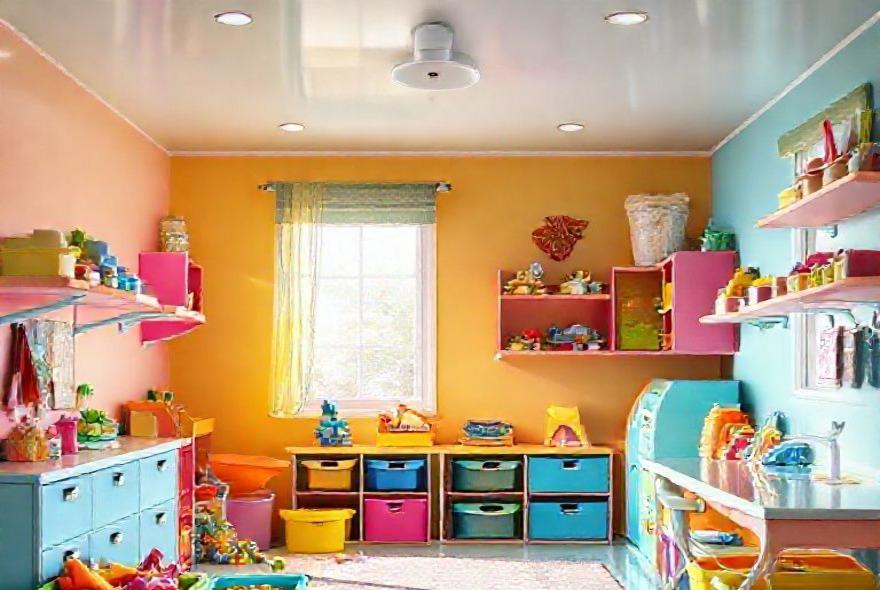
Ever wished you had little cleaning superheroes at home? Discover the magic of turning cleaning chaos into fun with our guide on how to make cleaning fun! Dive into playful strategies that transform tidying up into a family cleaning routine that motivates children to clean effortlessly. Who knew cleaning games could create such excitement? Don’t worry, you’re not alone in seeking effective kids cleaning tips—check out this Joy of Cleaning inspired approach that promises to have them begging to help. For more insights, sources like House Digest have handy hacks too.
Key Takeaways
- Wondering how to make cleaning fun for the kiddos? Turn chores into epic adventures with these nifty tips!
- Kid-approved cleaning games transform tidy-up time into playtime. Who said chores can’t be playful?
- Family cleaning routines don’t have to be a bore—these tricks will have your crew lining up to scrub and dust!
- Looking to motivate children to clean? Discover strategies that have them begging to do chores (no joke!).
- Tired of nagging? Check out these kids cleaning tips and watch your little superheroes spring into action.
- Get inspired with minimal cleaning hacks and make your home sparkle with ease. Here’s the secret sauce: check it out.
The Magic Behind Making Cleaning Fun for Kids
You know that moment when you mention “cleaning time” and your kids suddenly develop selective hearing? Yeah, we’ve all been there. The secret to transforming your little ones into eager cleaning helpers isn’t bribery or threats—it’s understanding how to make cleaning fun through creative approaches that speak their language. When we shift our perspective from viewing chores as boring tasks to exciting adventures, everything changes. Kids naturally love games, challenges, and pretend play, so why not harness that energy for household tasks?
- Transform mundane tasks into adventures: Turn dusting into a “mission to defeat dust monsters” or sorting toys into a “rescue operation” where stuffed animals need to find their proper homes.
- Leverage their competitive spirit: Kids cleaning tips often revolve around friendly competition—set timers and see who can pick up the most items before the buzzer sounds.
- Create cleaning personas: Let them become “Super Sorter” or “Captain Clean-Up” with imaginary powers that make messes disappear through their special abilities.
- Use music as motivation: According to cleaning experts, upbeat songs can increase productivity and enjoyment during household tasks, making the experience feel more like a dance party than work.
- Celebrate small victories: Acknowledge every effort, from putting away one toy to organizing an entire drawer—positive reinforcement builds momentum for future cleaning sessions.
Building Your Family Cleaning Routine That Actually Works
Here’s the thing about family cleaning routines—they only work when everyone’s on board, and that means making it feel less like a chore chart from military school and more like a family tradition. The most successful families don’t just assign tasks; they create systems that naturally motivate children to clean without constant nagging. We think the key lies in consistency mixed with flexibility, allowing room for personalities and energy levels to shine through while maintaining structure.
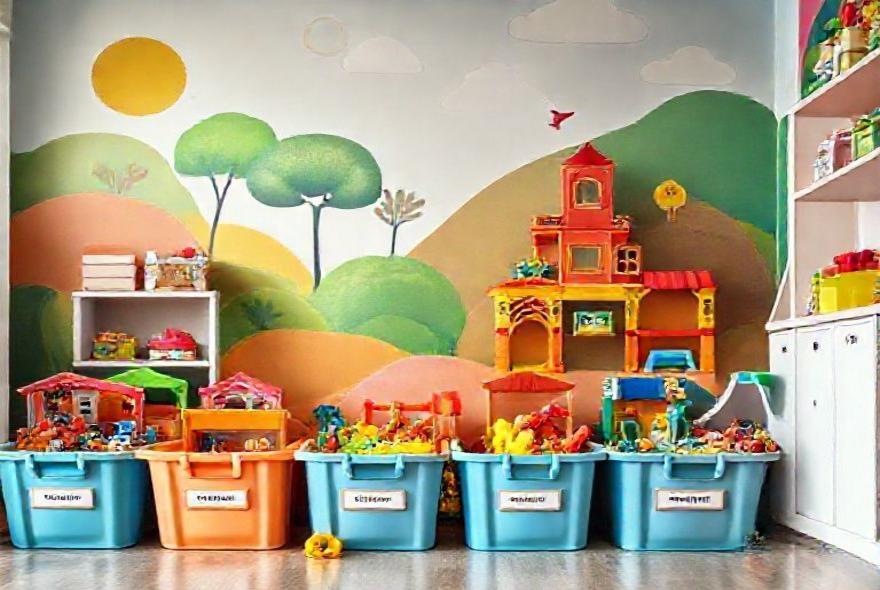
- Start small and build gradually: Begin with 10-15 minute daily sessions focusing on one area or task type—overwhelming kids with hour-long cleaning marathons kills enthusiasm faster than you can say “pick up your toys.”
- Assign age-appropriate responsibilities: Toddlers can match socks and put toys in bins, while older kids can handle vacuuming, organizing shelves, and managing their own laundry cycles.
- Create visual schedules: Use colorful charts, pictures, or apps that let kids check off completed tasks—the satisfaction of marking something “done” taps into the same reward system that makes video games addictive.
- Establish “cleaning time” rituals: Maybe it’s putting on specific playlist, wearing special cleaning aprons, or doing a silly warm-up dance that signals it’s time to tackle household tasks together.
- Rotate responsibilities weekly: Keep things fresh by switching who handles which rooms or tasks—this prevents boredom and helps kids develop diverse cleaning skills while discovering their preferences.
Creative Strategies to Motivate Children to Clean
Motivation is everything when it comes to getting kids excited about cleaning, but the traditional sticker chart approach? That gets old faster than last week’s leftovers. The real magic happens when you tap into what naturally drives children—curiosity, creativity, and the desire to feel important and capable. Smart parents know that finding ways to motivate children to clean means thinking like a kid and remembering that what seems like work to us can feel like play to them with the right framing.
- The “treasure hunt” approach: Hide small rewards or notes throughout areas that need cleaning—kids will eagerly tackle messy spaces to discover what surprises await them in organized drawers and tidy corners.
- Point systems with meaningful rewards: Skip the generic stickers and create points that lead to experiences they actually want—extra screen time, choosing the family movie, or staying up 15 minutes later on weekends.
- Before-and-after photo sessions: Kids love seeing dramatic transformations, so document messy rooms and celebrate the “after” shots—they’ll start taking pride in their cleaning abilities and want to create more impressive changes.
- The “helping grown-ups” angle: Frame cleaning as important work that helps the whole family—kids naturally want to contribute meaningfully, and positioning them as essential team members boosts their intrinsic motivation.
- Create cleaning stories: Develop ongoing narratives where they’re heroes saving toys from the “mess monster” or organizing supplies for important family missions—imagination transforms routine tasks into epic adventures.
Turn Cleaning Into Engaging Games
Games are the ultimate secret weapon for making cleaning feel like the highlight of the day rather than a dreaded obligation. The beauty of cleaning games lies in their ability to disguise work as play so effectively that kids often forget they’re actually accomplishing real household tasks. You know how kids can spend hours playing video games without getting bored? That’s because games provide clear objectives, immediate feedback, and progressive challenges—elements we can easily incorporate into cleaning activities.
- “Beat the Clock” challenges: Set different timers for various tasks and see if they can finish before time runs out—start with generous time limits and gradually decrease them as skills improve to maintain appropriate challenge levels.
- Sorting Olympics: Create different “events” like speed-sorting socks, toy-categorizing competitions, or book-organizing races where accuracy and speed both matter for determining winners.
- Musical cleaning: Play songs and have kids clean during verses, then freeze like statues during choruses—this breaks up the work into manageable chunks while adding an element of silliness that keeps energy high.
- Cleaning bingo: Create cards with different tasks or items to find and organize—kids can mark off squares as they complete activities, working toward lines or full cards for bigger celebrations.
- Room makeover shows: Let kids pretend they’re hosting TV shows about transforming spaces, complete with dramatic commentary about the “before” state and excited reveals of the “after” results—encourage them to interview family members about the amazing changes.
Age-Appropriate Cleaning Superpowers
Every superhero needs powers that match their abilities, and the same principle applies to turning kids into cleaning champions. What works for a preschooler will bore a tween, while tasks perfect for older kids might overwhelm toddlers and create frustration instead of fun. The trick is matching cleaning responsibilities to developmental stages while still making everything feel special and important. We think successful parents recognize that building confidence comes from mastering appropriately challenging tasks rather than struggling with jobs that are too advanced or too simple.
- Ages 2-4 (Tiny Heroes): Focus on simple sorting, putting items in designated bins, wiping surfaces with damp cloths, and making beds by pulling covers up—their “superpower” is being detail detectives who spot toys that don’t belong in certain areas.
- Ages 5-7 (Junior Champions): Introduce vacuuming small areas, organizing bookshelves, folding washcloths and small clothes, and managing their own toy collections—they become “organization experts” who create systems for keeping things tidy.
- Ages 8-10 (Cleaning Captains): Assign bathroom cleaning, kitchen tasks like loading dishwashers, managing laundry processes, and deep-organizing projects—their “superpower” becomes teaching younger siblings and taking pride in completing multi-step processes.
- Ages 11+ (Master Organizers): Handle complex cleaning projects, plan and execute room reorganizations, research and implement new organization systems, and take ownership of specific household areas—they develop “leadership powers” by coordinating family cleaning efforts.
- Adaptation strategies: Always provide step-by-step instructions, demonstrate techniques clearly, and adjust expectations based on individual personalities and abilities rather than strictly following age guidelines.
Creating Cleaning Characters and Storylines
Kids live in worlds of imagination, so why not invite those worlds into cleaning time? Creating characters and storylines transforms ordinary household tasks into epic adventures where children become the heroes of their own cleaning stories. This approach works especially well because it gives kids ownership over the narrative—they’re not just following orders, they’re embodying powerful characters with important missions. The best part? These characters can evolve and grow more complex as children develop new skills and interests.
- Develop signature cleaning personas: Help each child create their own superhero identity complete with special abilities, catchphrases, and signature moves—”Dust Destroyer” might have the power to make surfaces sparkle, while “Toy Wrangler” specializes in organizing play areas.
- Create ongoing story arcs: Develop continuing adventures where cleaning tasks become missions to save the day—maybe the living room is under attack by clutter creatures, or the kitchen needs heroes to restore order before the dinner celebration.
- Design simple costumes or props: Cleaning capes made from old towels, special “hero” cleaning gloves, or decorated spray bottles can help kids get into character and feel more connected to their cleaning personas.
- Build in character progression: As kids master certain tasks, their characters can “level up” with new abilities or tackle more challenging missions—this mimics video game progression systems that naturally motivate continued engagement.
- Encourage character interactions: Let siblings’ cleaning characters work together on team missions, creating opportunities for cooperation and shared storytelling that makes cleaning a social activity rather than isolated work.
Reward Systems That Keep the Magic Alive
Here’s where many parents go wrong—they either skip rewards entirely or create systems so complicated that nobody can keep track of who earned what. The most effective reward systems for cleaning are simple enough to maintain consistently but exciting enough to sustain motivation over time. You want to celebrate effort and improvement, not just perfection, and the best rewards often aren’t things you buy but experiences you share. According to research on child development, intrinsic motivation grows stronger when external rewards gradually shift toward recognition and autonomy rather than material prizes.
- Experience-based rewards: Offer privileges like choosing the family movie, picking the weekend activity, staying up later, or having friends over—these create positive associations with cleaning while building family memories.
- Recognition and celebration: Take photos of their cleaned spaces, share their accomplishments with extended family, or create “before and after” albums that showcase their developing skills and hard work.
- Gradual independence: The ultimate reward is earning more control over their own spaces and schedules—kids who consistently maintain their areas can earn privileges like decorating decisions or flexible cleaning timeframes.
- Family celebration rituals: Create special traditions for acknowledging cleaning achievements—maybe it’s a high-five parade, a silly dance, or a special snack that only appears after successful cleaning sessions.
- Peer recognition opportunities: Let kids show off their organized spaces to friends, teach cleaning techniques to younger children, or help plan family cleaning events where they can demonstrate their expertise and leadership skills.
Troubleshooting Common Cleaning Challenges
Even with the best strategies, you’ll hit bumps in the road—days when nobody wants to clean, systems that worked last month but suddenly feel stale, or kids who seem to have forgotten everything they learned about staying organized. Don’t panic! These challenges are completely normal and usually signal that it’s time to refresh your approach rather than abandon it entirely. The key is staying flexible and remembering that developing good cleaning habits is a long-term process with plenty of ups and downs along the way.
- When motivation disappears: Switch up the routine by introducing new music, rearranging who does what tasks, or adding fresh challenges—sometimes a simple change like cleaning in different rooms or at different times can reignite enthusiasm.
- Dealing with perfectionist tendencies: Some kids get overwhelmed trying to make everything perfect, so break tasks into smaller steps and celebrate “good enough” efforts—progress matters more than perfection, especially when building long-term habits.
- Managing sibling competition: If competition becomes negative, shift focus to team challenges where everyone works together toward common goals rather than competing against each other for individual recognition.
- Handling resistance to new systems: Involve kids in creating and modifying cleaning routines so they feel ownership over the process—when children help design the system, they’re more likely to follow through consistently.
- Maintaining momentum during busy periods: Have simplified “emergency” cleaning routines for hectic weeks that focus on just the essentials—maintaining some structure is better than abandoning cleaning entirely during stressful times.
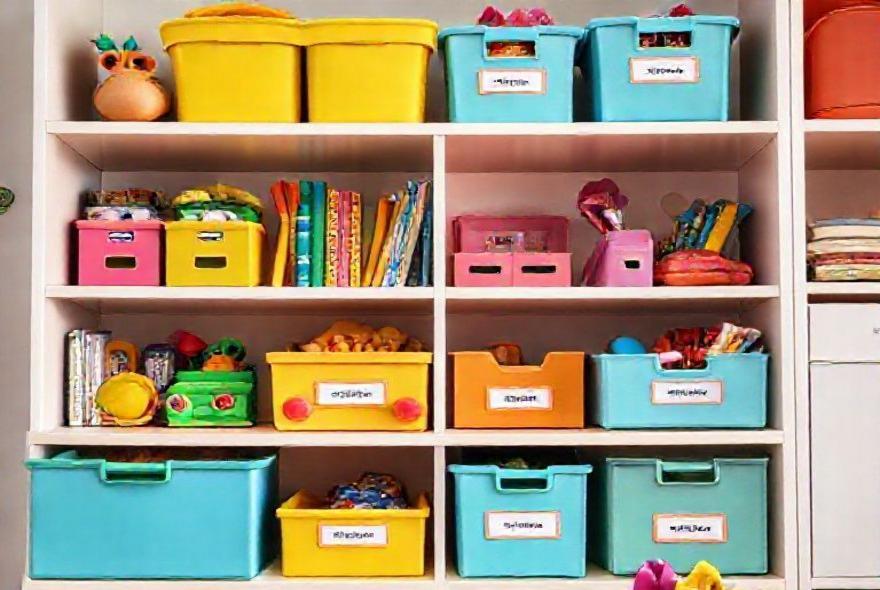
Transforming household chores into a delightful activity is no Herculean task, especially when you know how to make cleaning fun for the entire family. Tap into these three magic ingredients: a sprinkling of kids cleaning tips, a whiff of a structured family cleaning routine, and a dash of cleaning games. By incorporating playful techniques and a structured approach, you’ll not only motivate children to clean but also turn them into enthusiastic cleaning superheroes! According to minimal cleaning hacks, integrating these methods can morph mundane chores into cherished family memories. Remember, with Joy of Cleaning’s strategies, your kids will soon be begging for cleaning duties!
And hey, if your cleaning groove still isn’t hitting the right tune or life just got busier than expected, let Joy of Cleaning swoop in to save the day! Dive into a stress-free cleaning experience and Book a Cleaning with us today, or simply call (727) 687-2710 to chat with our friendly team. Lugging a broom not your thing? No worries! Keep the cleaning inspiration going by following us on Facebook and Instagram for heaps of fun tips and a sprinkle of cleaning magic!