Ever scrubbed a pot till your arms ached and wondered if kitchen utensils secretly hate you? Let’s dive into the fascinating chemistry of your cleaning ally, Bar Keepers Friend. We’ll break down the must-have science that leaves your surfaces gleaming where others fail. Curious about why this cleaner outranks competitors effortlessly? Our jam-packed guide explores the magic behind its formulas, turning chores into smooth operations. Spoiler: it’s all in the chemistry! Grab your cup of coffee, and let’s ensure your cleaning reputation is as spotless as your cookware.
Key Takeaways
- Bar Keepers Friend is your ace card against stubborn stains where others raise a white flag.
- Discover how the secret chemistry makes it unbeatable on grimy surfaces.
- It’s not just for bars—why, you ask? Because chemistry class never covered this magic.
- Say goodbye to hours of scrubbing. Science has your back.
- Understand the active ingredients that make it ideal for every cleaning toolkit.
- Who knew cleaning could also be a chemistry lesson? Dive in to find out!
The Science Behind Bar Keepers Friend’s Cleaning Power
You know that satisfying moment when you finally understand why something that seems like magic actually works? That’s exactly what happens when you dive into the chemistry behind Bar Keepers Friend magic. This isn’t just another cleaning product that relies on harsh chemicals or abrasive action – it’s a carefully formulated powder that uses real science to tackle cleaning challenges that leave other products scratching their heads. Reddit cleaning product recommendations consistently feature this powerhouse because users have experienced firsthand how it outperforms expensive alternatives through pure chemical efficiency.
- Oxalic Acid Foundation: The star ingredient is oxalic acid, a naturally occurring compound found in plants like rhubarb and spinach, which excels at breaking down mineral deposits, rust stains, and tarnish through a process called chelation.
- Molecular Action: Unlike cleaners that simply mask stains or rely on harsh scrubbing, the oxalic acid actually binds to metal ions in stains and deposits, making them water-soluble and easy to rinse away completely.
- pH Balance Advantage: Working at a moderately acidic pH level, it’s strong enough to dissolve tough stains but gentle enough to avoid damaging most surfaces – a sweet spot that harsh alkaline cleaners can’t match.
- Crystalline Structure: The powder’s fine crystalline structure provides just enough gentle abrasion to help physical removal without scratching delicate surfaces like stainless steel or porcelain.
- No Residue Chemistry: The formulation completely dissolves and rinses away without leaving films, residues, or chemical buildup that can attract dirt or cause streaking on cleaned surfaces.
Why Traditional Cleaners Fall Short
We’ve all been there – standing in the cleaning aisle, overwhelmed by promises of “ultimate cleaning power” and “streak-free shine,” only to get home and discover that expensive specialty cleaner barely makes a dent in your actual cleaning challenges. The reason Bar Keepers Friend magic has become such a phenomenon in Reddit cleaning communities isn’t just because it works – it’s because it works where everything else fails. Traditional cleaners often rely on surfactants, bleaches, or harsh acids that either can’t tackle certain types of stains or risk damaging the surfaces you’re trying to clean.
- Surfactant Limitations: Most liquid cleaners depend on surfactants that excel at removing grease and organic matter but are virtually useless against mineral deposits, water spots, and metal oxidation that plague kitchens and bathrooms.
- Bleach Blindness: Chlorine bleach cleaners can make things appear whiter but don’t actually remove the underlying stains – they just chemically alter their appearance, and the problems often return quickly.
- Abrasive Overkill: Scouring powders and steel wool can remove stains through brute force but often scratch and damage surfaces, creating microscopic grooves that actually make future cleaning more difficult.
- Specialty Product Costs: Manufacturers create different products for every cleaning task, leading to cupboards full of expensive cleaners when one scientifically-formulated product could handle multiple jobs more effectively.
- Chemical Residue Problems: Many commercial cleaners leave behind films or residues that initially look good but attract dirt faster, creating a cycle where you need to clean more frequently.
The Chelation Process Explained
Okay, let’s get a bit nerdy here because understanding chelation is like having the secret code to why this cleaning method works so incredibly well. You don’t need a chemistry degree to appreciate this, but once you understand what’s happening at the molecular level, you’ll use Bar Keepers Friend magic much more strategically. Chelation is basically nature’s way of grabbing onto metal ions and making them behave differently – think of it as molecular handcuffs that turn stubborn, stuck-on deposits into something that rinses away easily with water.
- Molecular Grabbing Action: Oxalic acid molecules have a specific structure that allows them to literally grab onto metal ions in stains, rust, and mineral deposits, forming stable complexes that dissolve in water.
- Multi-Point Bonding: Unlike simple acids that just attack surfaces, chelating agents form multiple bonds with metal ions, creating much more stable and effective removal of embedded contaminants.
- Ion Exchange Process: The chelation process essentially trades problematic metal ions for harmless ones, converting insoluble stains into water-soluble compounds that rinse away completely.
- Selective Targeting: This process specifically targets the types of metal ions found in common household stains – iron in rust, calcium in water spots, copper in tarnish – without affecting the underlying surface materials.
- Time-Dependent Efficiency: The chelation process takes time to work, which is why letting the paste sit for several minutes produces dramatically better results than immediate scrubbing.
Surface Material Compatibility Science
Here’s where the chemistry gets really practical – understanding why this cleaning powerhouse works safely on some surfaces but should be avoided on others. Reddit users have become amateur materials scientists through trial and error, but knowing the actual science behind surface compatibility can save you from costly mistakes. The key is understanding how different materials react to mild acids and chelating agents, because not all surfaces are created equal when it comes to chemical cleaning.
- Stainless Steel Success: The chromium oxide layer that gives stainless steel its corrosion resistance isn’t affected by mild oxalic acid concentrations, but surface contaminants and heat stains dissolve readily, which is why WD-40 stainless steel combinations work so well for final polishing.
- Porcelain Perfection: Fired ceramic surfaces like toilets and sinks are essentially glass-like and chemically inert, making them perfect candidates for oxalic acid cleaning without risk of etching or damage.
- Copper and Brass Benefits: These metals actually benefit from oxalic acid treatment because it removes the oxidation and tarnish that naturally forms, revealing the bright metal underneath without affecting the base material.
- Natural Stone Dangers: Marble, limestone, and other calcium-based stones react badly with any acid, including oxalic acid, because the chelation process literally dissolves the stone itself rather than just surface stains.
- Aluminum Considerations: While generally safe for aluminum, prolonged contact or high concentrations can cause pitting, which is why experienced users always test first and work quickly on aluminum surfaces.
The pH Factor and Why It Matters
You know what’s fascinating about Bar Keepers Friend magic? It’s not the most acidic cleaner out there, but it’s often the most effective. The pH level of around 2-3 hits that sweet spot where it’s acidic enough to break down tough deposits but not so harsh that it damages surfaces or creates dangerous fumes. This is chemistry working smarter, not harder, and it’s why Reddit cleaning product recommendations consistently favor this approach over more aggressive alternatives that might seem more powerful on paper.
- Optimal Acidity Range: The pH level provides enough hydrogen ions to facilitate the chelation process while remaining safe for most household surfaces and materials commonly found in kitchens and bathrooms.
- Safety Margin Built-In: Unlike toilet bowl cleaners with pH levels near 1 or drain cleaners that can reach pH 14, this moderate acidity reduces the risk of chemical burns, surface etching, or dangerous fume generation.
- Buffering Action: The formulation includes components that help maintain stable pH levels even when mixed with water, ensuring consistent performance regardless of your local water chemistry.
- Neutralization Ease: If you accidentally use too much or leave it on too long, the moderate pH makes neutralization with simple water rinsing much more effective than with stronger acids or bases.
- Environmental Impact: The moderate pH means the rinse water doesn’t require special disposal considerations and won’t harm septic systems or municipal water treatment processes.
Heat and Time: The Acceleration Factors
Here’s something interesting that Reddit users have discovered through experimentation – the cleaning power increases significantly with slight warmth and adequate contact time. It’s not about making the water hot enough to burn yourself, but understanding that chemical reactions happen faster at slightly elevated temperatures. This is why some of the most dramatic cleaning transformations shared in online communities involve letting the paste work for 10-15 minutes rather than scrubbing immediately. We think this patience factor is what separates the cleaning pros from the frustrated beginners.
- Molecular Motion Increase: Slightly warm water increases molecular movement, allowing the oxalic acid to contact and bind with more stain molecules per unit of time, dramatically improving efficiency.
- Dissolution Rate Enhancement: Higher temperatures help dissolve the powder more completely, creating more active cleaning molecules in solution and reducing the amount of product needed for effective results.
- Penetration Improvement: Warmth helps the cleaning solution penetrate into porous surfaces and microscopic crevices where stains hide, reaching deposits that cold applications might miss entirely.
- Dwell Time Optimization: Allowing 10-15 minutes for the chemical process to work eliminates the need for aggressive scrubbing, which can damage surfaces and actually reduces cleaning effectiveness.
- Reaction Completion: The chelation process needs time to form stable complexes with metal ions – rushing this process results in incomplete stain removal and wasted effort.
Comparing Chemical Actions: Why This Beats the Competition
Let’s talk about why Bar Keepers Friend magic consistently outperforms other cleaning approaches, even when people try to replicate the results with homemade alternatives or other commercial products. It’s not just marketing hype – there are real chemical reasons why this specific formulation works better than DIY citric acid mixtures, vinegar solutions, or even other oxalic acid products. Understanding these differences helps explain why Reddit cleaning product recommendations always come back to this particular brand and formulation, even when users try to find cheaper or more natural alternatives.
- Optimized Concentration: The oxalic acid concentration is precisely calibrated for maximum effectiveness without surface damage – too little won’t work, too much can cause problems, but this hits the sweet spot every time.
- Particle Size Engineering: The powder is milled to a specific particle size that provides gentle abrasion without scratching, unlike homemade alternatives that might be too coarse or commercial products that are too fine to be effective.
- Stabilizing Agents: Additional ingredients prevent the oxalic acid from degrading during storage and help maintain consistent performance over the product’s shelf life, unlike DIY mixtures that lose potency quickly.
- Wetting Agent Balance: The formulation includes components that help the powder mix evenly with water and spread uniformly across surfaces, ensuring consistent contact and results.
- Purity Standards: Pharmaceutical-grade oxalic acid ensures consistent results without impurities that might interfere with the cleaning action or leave unwanted residues on treated surfaces.
Safety Chemistry: What Makes It Gentler Than Expected
You might wonder how something that can remove rust and dissolve mineral deposits is safe enough for regular household use. The answer lies in understanding the difference between aggressive chemical action and targeted chemical action. While discussions about pumice stone toilet controversy often focus on physical abrasion risks, this cleaning method relies on chemical selectivity – it targets specific types of bonds and deposits while leaving most surface materials unaffected. This selective action is what makes it both powerful and surprisingly gentle when used correctly.
- Selective Binding Affinity: Oxalic acid preferentially binds to the types of metal ions found in stains and deposits rather than those that are part of stable surface materials like stainless steel or porcelain.
- Self-Limiting Reactions: Once the available metal ions are chelated, the chemical reaction essentially stops, preventing over-processing or continued surface attack that can occur with other types of cleaners.
- Low Vapor Pressure: Unlike many cleaning chemicals, oxalic acid doesn’t readily form dangerous vapors at room temperature, reducing inhalation risks during normal use with basic ventilation.
- Rapid Neutralization: The compound neutralizes quickly when diluted with water, and any residue left behind breaks down naturally over time without accumulating or causing long-term surface damage.
- Predictable Behavior: The chemical reactions are well-understood and predictable, unlike some cleaners that can have unexpected interactions with different materials or create dangerous byproducts under certain conditions.
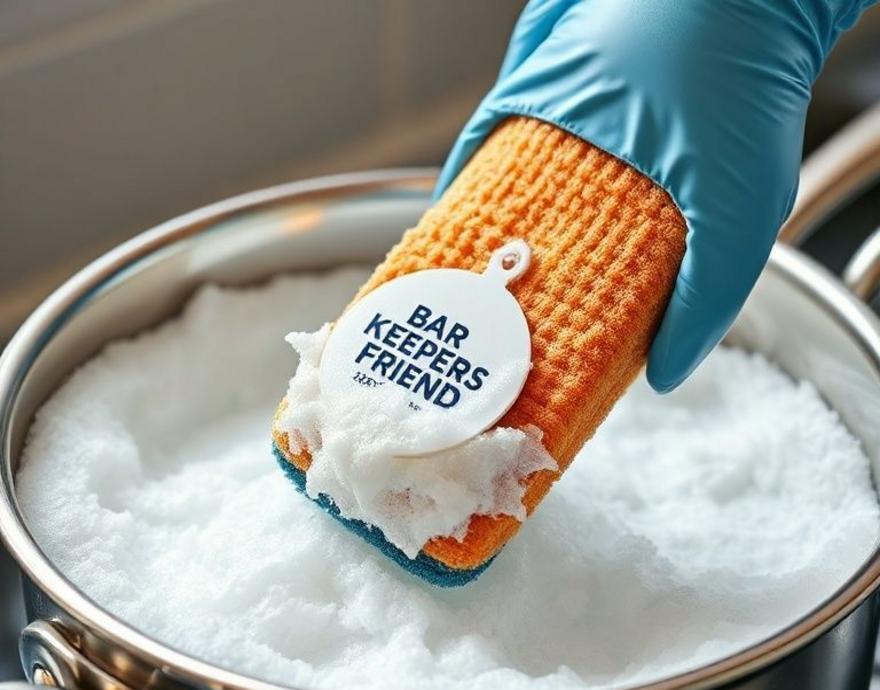
Wrapping things up, Bar Keepers Friend is like the unsung hero of the cleaning aisle, using oxalic acid to make the stubborn grime and pesky stains disappear like magic. Its chemistry works effortlessly on multiple surfaces, from sparkling up your stainless-steel sink to bringing back the shine on your porcelain bathtub. The secret lies in its unique combination of ingredients that tackle rust and mineral deposits without harsh scratching or damage. You’ve also picked up on how these chemical wonders break down the gunk that others leave behind, making it an essential in anyone’s cleaning arsenal. You now understand not just the ‘what’ but the ‘why’ behind its cult status among cleaning products.
And hey, if this inspired a cleaning spree but life’s schedule has other plans, don’t fret! Wrap up with Joy of Cleaning by your side—ready to take over tidying duties. Book a Cleaning online or give us a ring at (727) 687-2710—because who doesn’t love a clean space without the scrubbing? Check out more sparkling adventures by following us on Facebook and Instagram for cleaning tips and daily inspiration. Let us handle the grime, so you can kick back and enjoy the shine!