Hey Tampa moms! Battling humidity? You’re not alone in this sticky saga. Tampa’s unique climate can feel like living under a damp sponge, right? But fret not! We’ll explore practical solutions to outsmart humidity and keep mold and mildew from crashing your home sweet home. Imagine a fresher, healthier space for your family—sounds divine, doesn’t it? Ever tried a DIY hack that went hilariously wrong? We’ve got your back with science-backed insights and real-life tips to keep your haven comfortably dry. Let’s dive in, shall we?

Key Takeaways
- Think Tampa humidity’s unbeatable? Dive into strategies that keep your home feeling cool and dry.
- Discover simple tricks to beat the Florida mold menace—no more mildew on the loose!
- From dehumidifiers to duct tape (kidding!), we’ve got solutions that actually work.
- Keep your cool: Learn how to manage humidity like a pro even during sticky summers.
- Worried about mold? Here’s how to ensure it doesn’t make a surprise visit under your sink.
- Home feeling like a rainforest? Let’s fix that with practical climate management tips.
Understanding Tampa’s Humidity Challenge: Why It’s Different Here
You know that feeling when you step outside in Tampa and instantly feel like you’re breathing through a wet towel? That’s our humidity reality, and it doesn’t stop at your front door. Tampa’s unique coastal location creates moisture levels that can make even the most organized mom feel like she’s fighting a losing battle against mold, mildew, and that persistent dampness that seems to settle into everything. The thing is, managing humidity isn’t just about comfort – it’s about protecting your family’s health and your home’s value.
- The Numbers Don’t Lie: Tampa averages 74% humidity year-round, with summer months reaching 90%+ regularly. This creates perfect conditions for mold growth, dust mites, and bacterial buildup that can trigger allergies and respiratory issues in kids.
- Indoor vs. Outdoor Battle: Your AC works overtime to remove moisture, but everyday activities like cooking, showering, and even breathing add moisture back into your home’s air, creating a constant cycle that requires strategic management.
- The Hidden Costs: Uncontrolled humidity damages furniture, warps wood floors, ruins electronics, and creates musty odors that can be embarrassing when friends drop by unexpectedly.
- Health Impact Reality: High humidity environments promote allergen growth, making Tampa homes potential triggers for asthma, eczema, and other sensitivity issues that affect our children’s comfort and sleep quality.
- Seasonal Variations: Tampa’s humidity patterns shift dramatically between dry winter months and soggy summer season, requiring different strategies throughout the year to maintain optimal indoor air quality.
Smart Ventilation Strategies That Actually Work in Florida Homes
We think most Tampa moms underestimate the power of strategic air movement, but here’s the truth – proper ventilation is your first line of defense against humidity problems. It’s not just about opening windows (which honestly, in Tampa’s climate, often makes things worse). The key is creating intentional airflow patterns that work with your home’s layout and Florida’s challenging weather patterns.
- Bathroom Exhaust Fan Upgrades: Install high-CFM exhaust fans in every bathroom and run them for at least 30 minutes after showers. Tampa’s multiple daily showers during summer create massive moisture loads that standard builder-grade fans can’t handle effectively.
- Kitchen Ventilation Mastery: Use range hoods every time you cook, even for simple tasks like boiling water. Cooking activities can add 2-3 pounds of moisture to your indoor air, and in Tampa’s already humid environment, that excess quickly becomes problematic.
- Ceiling Fan Direction Tricks: Run ceiling fans counterclockwise during summer months to create downdraft that helps evaporate skin moisture and makes rooms feel 4-6 degrees cooler, reducing AC load and energy costs.
- Strategic Window Management: Open windows during rare low-humidity days (typically winter mornings) to purge stale indoor air, but close them immediately when outdoor humidity rises above indoor levels to prevent moisture infiltration.
- Whole-House Ventilation Systems: Consider energy recovery ventilators (ERVs) that exchange stale indoor air with fresh outdoor air while transferring moisture and temperature, maintaining comfort while improving air quality year-round.
Dehumidification Solutions for Every Budget and Home Size
Let’s be real – not every Tampa family can afford a whole-house dehumidification system, but that doesn’t mean you’re stuck living in a swamp. I’ve tested everything from $30 portable units to professional-grade systems, and there are effective solutions for every budget level. The trick is understanding which approach works best for your specific situation and Tampa’s unique climate demands.
- Portable Dehumidifier Strategy: Place 30-50 pint units in problem areas like basements, master bedrooms, or laundry rooms. Empty daily during peak humidity season, and position units away from walls for optimal air circulation and efficiency.
- Whole-House Integration: Install dehumidifiers that work with your existing HVAC system to maintain 45-50% humidity levels throughout your home. This prevents mold growth while keeping energy costs manageable during Tampa’s demanding summer months.
- Natural Moisture Absorbers: Use desiccant products in closets, under sinks, and in storage areas. Replace monthly during humid season, and choose products specifically designed for Florida’s challenging moisture levels and temperatures.
- DIY Moisture Control: Create homemade moisture absorbers using calcium chloride in breathable containers. Place in basements, garages, and storage areas where commercial solutions might be impractical or expensive to maintain.
- Smart Monitoring Systems: Install hygrometers throughout your home to track humidity levels in real-time. Many Tampa families discover problem areas they didn’t know existed, allowing targeted treatment rather than whole-house solutions.
Preventing Mold and Mildew Before They Take Over
Here’s what I wish someone had told me when I first moved to Tampa – mold prevention is infinitely easier than mold removal. Once those spores establish themselves in your home, you’re looking at serious time, money, and health concerns. The good news? Most mold and mildew problems are completely preventable with consistent, simple strategies that fit into busy family schedules.
- Daily Moisture Management: Wipe down shower walls after each use, fix leaks immediately, and address any water intrusion within 24-48 hours to prevent mold establishment. Tampa’s warm temperatures accelerate mold growth, making quick action essential.
- Strategic Cleaning Schedule: Clean bathrooms with mold-preventing solutions weekly, focusing on grout lines, caulk, and areas where moisture tends to accumulate. Use products containing tea tree oil or white vinegar for natural mold prevention.
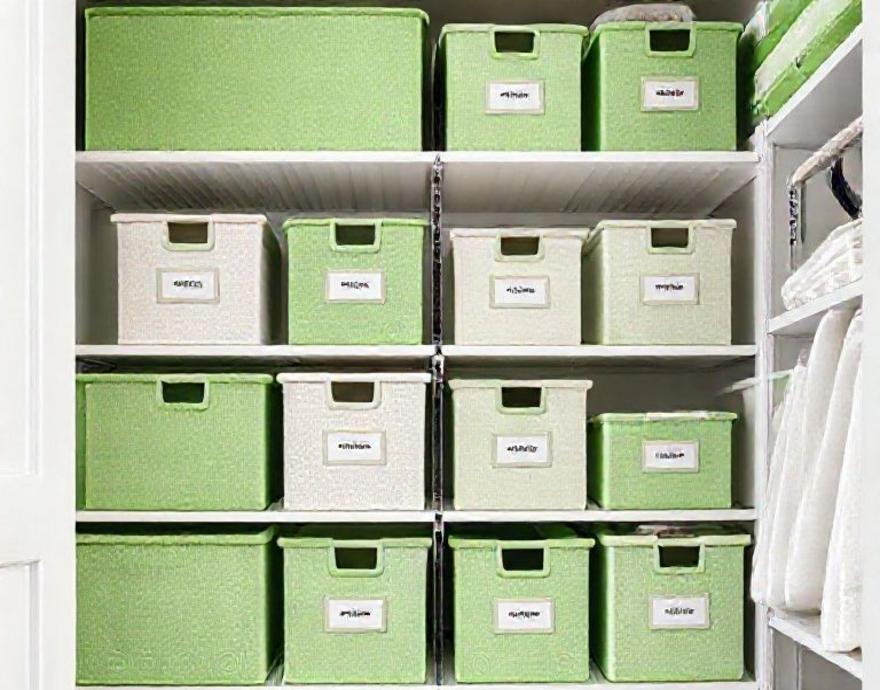
- Proper Storage Techniques: Store seasonal items in airtight containers with moisture absorbers, and avoid storing anything directly on concrete floors in garages or basements where condensation naturally occurs in Tampa’s climate.
- Air Circulation Priorities: Keep closet doors open periodically, avoid overpacking storage areas, and ensure air can circulate around furniture and belongings. Stagnant air pockets become mold breeding grounds in humid environments.
- Plant and Décor Considerations: Choose houseplants that absorb moisture rather than add it, and avoid heavy drapes or fabrics that trap moisture against walls. Tampa homes benefit from lighter, more breathable decorating choices.
AC Optimization: Making Your System Work Harder Against Humidity
Your air conditioning system is working overtime in Tampa, but most families aren’t getting maximum humidity control from their investment. I learned this the hard way after years of running our AC constantly but still dealing with that clammy feeling indoors. Turns out, there are specific adjustments and maintenance practices that dramatically improve humidity removal without skyrocketing your energy bills.
- Temperature vs. Humidity Balance: Set your thermostat to 76-78°F and use ceiling fans for comfort rather than dropping temperature to 72°F. Lower temperatures don’t necessarily remove more moisture, but they definitely increase energy costs significantly.
- Filter Maintenance Reality: Change filters every 30 days during peak season, not every 90 days like manufacturers suggest. Tampa’s pollen, dust, and moisture load clogs filters faster, reducing system efficiency and humidity removal capacity.
- Ductwork Inspection: Seal any leaks in ductwork, especially in unconditioned spaces like attics or garages. Leaky ducts allow humid outdoor air to infiltrate your system, making it work harder while delivering less effective humidity control.
- Professional Maintenance Timing: Schedule HVAC maintenance in early spring before peak demand season. Clean coils and proper refrigerant levels are essential for optimal moisture removal during Tampa’s challenging summer months.
- Smart Thermostat Benefits: Install programmable thermostats that maintain consistent temperatures rather than allowing dramatic swings. Consistent operation removes more moisture than systems that cycle on and off frequently throughout the day.
Natural Solutions and DIY Approaches for Humidity Control
Sometimes the best solutions are the simplest ones, and when it comes to managing Tampa’s humidity challenges, nature provides some surprisingly effective tools. I’ve discovered that combining natural approaches with modern technology creates a comprehensive strategy that’s both budget-friendly and environmentally conscious – perfect for families who want effective results without harsh chemicals.
- Strategic Plant Selection: Choose humidity-absorbing plants like Boston ferns, peace lilies, and English ivy that naturally remove moisture from indoor air while improving air quality. Place them in bathrooms and kitchens where humidity levels are typically highest.
- Charcoal and Natural Absorbers: Use activated charcoal bags in closets, cars, and storage areas to absorb excess moisture and odors. These reusable solutions work continuously and can be refreshed monthly by placing in direct sunlight for a few hours.
- Vinegar-Based Prevention: Create weekly cleaning solutions using white vinegar and water to prevent mold and mildew growth on surfaces. The acetic acid naturally inhibits mold while being safe around children and pets.
- Essential Oil Integration: Add tea tree oil, eucalyptus, or lavender to cleaning solutions for natural antifungal properties that smell amazing while preventing moisture-related problems. These oils also provide aromatherapy benefits during cleaning sessions.
- Salt and Rice Solutions: Place containers of rock salt or uncooked rice in areas prone to moisture accumulation. These natural desiccants absorb moisture effectively and can be replaced inexpensively as needed throughout Tampa’s humid season.
Seasonal Strategies: Adapting Your Approach Throughout the Year
Tampa’s humidity isn’t consistent year-round, and your management strategy shouldn’t be either. I used to make the mistake of using the same approach in January that I used in July, wondering why I was either over-drying my home or not getting enough moisture control. Understanding Tampa’s seasonal patterns lets you adjust your approach for maximum effectiveness and energy efficiency.
- Summer Intensive Mode (June-September): Run dehumidifiers continuously, increase ventilation fan usage, and implement daily moisture management routines. This is peak mold season, requiring your most aggressive prevention strategies and consistent monitoring.
- Hurricane Season Preparations (June-November): Prepare backup moisture control plans for power outages, secure outdoor equipment, and stock up on natural moisture absorbers that don’t require electricity during storm recovery periods.
- Winter Adjustment Period (December-February): Reduce dehumidifier usage, take advantage of lower outdoor humidity for natural ventilation, but maintain vigilance in bathrooms and kitchens where indoor activities still create moisture loads.
- Spring Transition Management (March-May): Gradually increase humidity control measures as temperatures rise, perform deep cleaning and maintenance on equipment, and address any moisture damage that may have developed during winter months.
- Rainy Season Adaptations (May-October): Increase indoor air circulation, avoid opening windows during rain events, and use natural light when possible to reduce moisture from indoor activities while maintaining comfort and air quality.
Creating a Long-Term Humidity Management Plan That Works
The most successful Tampa families aren’t those who fight humidity battles every day – they’re the ones who’ve created sustainable systems that work automatically in the background. After years of trial and error, I’ve learned that the key to long-term success is building habits and systems that require minimal daily effort while providing maximum protection for your home and family’s health.
- Routine Integration: Build humidity management into existing daily routines rather than creating separate tasks. Wipe shower walls while kids brush teeth, check moisture levels while making morning coffee, and empty dehumidifiers during evening kitchen cleanup.
- Family Education: Teach everyone in your household simple habits like using exhaust fans, reporting leaks immediately, and understanding why these practices matter. Kids who understand the “why” behind rules are more likely to follow them consistently.
- Equipment Maintenance Schedules: Create yearly calendars for filter changes, equipment maintenance, and seasonal adjustments. Tampa’s demanding climate requires consistent upkeep, but scheduling prevents emergency situations and expensive repairs.
- Budget Planning: Allocate monthly budgets for humidity control supplies, energy costs, and equipment maintenance. Understanding the true cost helps families make informed decisions about upgrades and improvements that provide long-term value.
- Monitoring and Adjustment: Track what works and what doesn’t, adjusting strategies based on seasonal changes, family lifestyle shifts, and home modifications. Successful humidity management evolves with your family’s needs and Tampa’s challenging climate demands.
- Emergency Preparedness: Maintain backup plans for equipment failures, power outages, and extreme weather events that can disrupt your humidity control systems. Having contingency plans prevents minor issues from becoming major problems.
The humid Tampa climate might be a force to reckon with, but armed with the right strategies, you can wave goodbye to pesky mold and mildew. By using dehumidifiers and keeping air circulation flowing, you make your home a fortress against excess moisture. And let’s not forget those ventilation fans in kitchens and bathrooms—they’re not just noisy; they’re heroes in disguise, whisking away dampness. Whether it’s scheduling regular checks or simply wiping down damp surfaces, these small changes ensure your home stays fresh as a daisy. Consistency is key, and soon enough, dealing with humidity will seem like hosting a casual tea party rather than a weather battle zone.
And hey, if this inspired a cleaning spree but life’s too busy to don the rubber gloves, we’ve got the perfect solution. Wrapping this up, if you’re ready to tackle your home cleaning without the hassle, hit us up at Joy of Cleaning. Book a Cleaning online or call (727) 687-2710—we’ve got your back! Plus, stay connected and maybe even chuckle at some cleaning memes by following us on Facebook and Instagram. Let’s kick humidity to the curb together!